Last updated November 18, 2026
Free written scope consultation - allowances, timeline, and change-order rules on paper before a single trade is scheduled
How Long Does Driveway & Pavers Take? Timelines and What to Expect
A contractor who says “three days” for a paver driveway isn’t lying. But those three days often sit at the end of a six-week calendar that includes a permit review, a material order, and a mandatory 72-hour cure on the compacted base before a single paver gets set. The installation window is real – it’s just not the whole timeline. This guide breaks the full schedule into phases with realistic ranges, explains what controls each one, and shows how to use crew math to check whether a timeline you’re quoted actually holds together. We’ve watched enough Palmdale projects slip to know the difference between optimism and a schedule.
Quick Answer
A standard paver driveway on a typical residential lot takes 2 to 4 days of actual installation once the base is prepped and materials are on site. The full timeline from signed quote to final sweep runs 3 to 8 weeks: 1 to 2 weeks for design and a written quote, 2 to 4 weeks for permitting, 3 days to 8 weeks for material lead time depending on the product, plus weather and base-cure windows. Custom or imported stone sits at the long end of every range. Stock concrete pavers from a brand like Belgard or Techo-Bloc usually sit at the short end.
Styles & brands we work with
- Kitchen remodeling
- Bathroom remodeling
- Home additions & ADU
- Roofing
- Windows & doors
- Driveway & pavers
- Fence
Table of Contents
- The full project timeline, phase by phase
- Permit windows in Palmdale and LA County
- Material lead times by paver type
- Weather dependencies specific to Palmdale
- Crew math: how to sanity-check a timeline promise
- What “we can start Monday” really means
- Palmdale delay risks: wind, heat, and polymeric sand
- Why a written schedule with milestone dates protects you
The Full Project Timeline, Phase by Phase
Think of a paver driveway as five phases stacked end to end. Most contractors quote only phase 4. The rest is what controls your calendar.
- Design and written quote: 1 to 2 weeks. Site measurement, product selection, drainage plan, and a flat written price with scope. If you’re choosing between a herringbone pattern in Belgard’s Dimensions slab and a running-bond in Techo-Bloc’s Blu 60, this is where those decisions get a price attached.
- Permit application: 2 to 4 weeks in Palmdale and unincorporated LA County. Driveways in the Antelope Valley typically require a grading or encroachment permit depending on whether the driveway crosses a public right-of-way and whether the slope changes drainage. Review times vary by season and by completeness of the submittal.
- Material lead time: 3 days to 8 weeks. Covered in detail below. This phase runs parallel to permitting, which is why experienced contractors order early.
- Demolition and base prep: 1 to 3 days. Removing the old surface, excavating to depth, grading, and compacting the aggregate base in lifts. This is where the timeline actually gets determined.
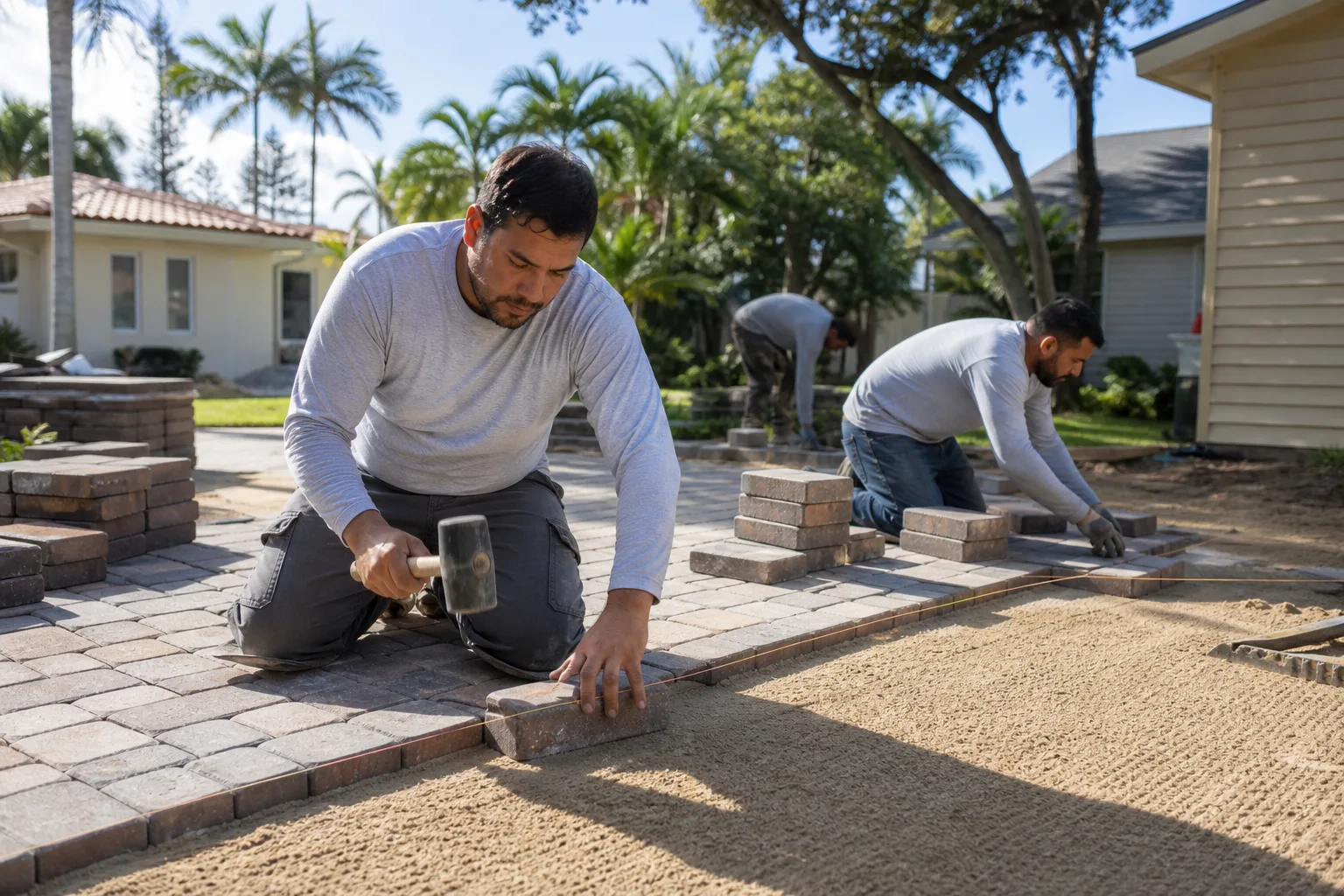
- Base cure and paver installation: 1 to 4 days, plus cure. The base needs a moisture window before compaction finishes – 24 hours pre-wetting after a dry spell, or a 48-hour dry-out after rain. Then a two-person crew sets 300 to 400 square feet of pavers per day on a prepped base, which is a number you can use.
Add those phases and a 600-square-foot driveway on a clean lot runs about 4 to 6 weeks from signed quote to done. That’s the honest number. For broader context on what our trade divisions cover, the Rowan Construction Group Palmdale home page lays out all seven.
Permit Windows in Palmdale and LA County
Permit review is the phase most often left out of a verbal timeline, and it’s the one that decides whether the crew starts in two weeks or five. In Palmdale, a driveway that touches the public right-of-way, changes the curb line, or alters drainage patterns toward a neighboring property typically needs sign-off. A same-surface replacement inside the property line sometimes doesn’t, but a contractor who assumes “no permit” without pulling the parcel record is gambling with your calendar.
What a clean submittal needs:
- A scaled site plan showing the driveway footprint, slope, and drainage direction
- Right-of-way or easement details if the apron crosses public property
- The paver manufacturer’s spec sheet – Belgard and Techo-Bloc both publish base-depth requirements by traffic load, which reviewers want to see
- Contractor license and insurance on file
Review time in unincorporated LA County ranges from 2 to 4 weeks when the submittal is complete on the first pass. A submittal returned for corrections restarts the clock. That’s why the permit application belongs in the first week, not the fourth. If wind, grading, or drainage issues overlap with other outdoor work, the Fence Installation in Palmdale page covers how those trades can share a single permit window instead of running two separate calendars.
Material Lead Times by Paver Type
This is the single biggest swing in the whole timeline, and it’s almost entirely predictable. Lead time depends on whether you chose a product that’s sitting in a regional yard or one that has to cross an ocean.
- Stock concrete pavers: 3 to 7 days. Standard colors and profiles from Belgard, Techo-Bloc, or Angelus are usually available from a Southern California distributor. This is the fast lane.
- Premium or special-order pavers: 2 to 4 weeks. Non-stock colors, custom blends, and large-format slabs often ship from a regional plant rather than a local yard.
- Permeable and specialty pavers: 2 to 4 weeks. Some permeable systems are stocked; others aren’t. Ask before you commit to a design that depends on a specific infiltration rate.
- Custom or imported natural stone: 4 to 8 weeks. Travertine, bluestone, and cut-to-order granite ship from outside the region. Weather at the quarry, port congestion, and container schedules all sit between your signature and your stone arriving.
Manufactured modular construction product – pre-fabricated panels, modular shells, and the like from names like Boxabl or Mighty Buildings – follows the same logic at a larger scale: factory scheduling is the lead time, and it’s rarely days. The lesson for pavers is identical. If a contractor names a brand, ask which distributor it’s coming from and whether it’s in stock today. A firm answer takes two minutes and saves six weeks.
Weather Dependencies Specific to Palmdale
Palmdale’s climate creates two opposite problems for a paver base, and both of them show up as schedule days you didn’t plan for.
Dry-season compaction. Aggregate base material compacts to specification only within a narrow moisture range. After weeks of Antelope Valley summer drought, the subgrade can be too dry to reach the required density no matter how many passes the plate compactor makes. The fix is simple – pre-wet the base and let it sit for about 24 hours – but that’s a calendar day, and a contractor who doesn’t plan for it will either skip the moisture check (bad) or discover the problem the morning the crew arrives (expensive).
Post-rain dry-out. After a winter storm, saturated base can take 48 hours or more to dry to the point where compaction is meaningful. Setting pavers on wet base traps moisture, and trapped moisture shows up later as settlement, efflorescence (a white mineral bloom on the surface), and shifting joints. A knowledgeable crew will not rush this step, and a timeline that ignores rain days in January and February isn’t a real timeline. If a project includes a standing structure at the end of the driveway, the Home Additions & ADU in Palmdale scheduling works the same way – the base work controls the calendar, not the finish date.
Crew Math: How to Sanity-Check a Timeline Promise
You don’t need to know how to lay pavers to check whether a timeline is realistic. You need one number.
A two-person crew sets approximately 300 to 400 square feet of pavers per day on a prepped base. That’s the industry-standard rate for standard-format pavers laid in a repeating pattern, and it’s the number you can use to test any promise.
- Measure or find your driveway square footage. A typical 20-foot-wide by 30-foot-deep driveway is 600 square feet.
- Divide by 350 (the midpoint). Six hundred divided by 350 is about 1.7 days of setting time for a two-person crew.
- Add prep, edge restraints, compaction, and polymeric sand. Realistically that’s another 1 to 2 days for a 600-square-foot job.
- Compare to the promise. A three-day install estimate for a 600-square-foot driveway with a two-person crew is plausible. A three-day estimate for a 1,500-square-foot circular driveway with a three-person crew is also plausible – 1,500 divided by 350 is about 4.3 set-days, but a third crew member speeds it up. A three-day estimate for a 1,500-square-foot driveway with a two-person crew is not plausible, and that’s your cue to ask what’s missing.
Pattern complexity changes this. Herringbone and ashlar patterns slow setting. Running bond speeds it. Random-cut flagstone slows it more. Ask the contractor what set rate they’re using and how many people will be on site. A specific answer is a good sign. “Should be done in a few days” is not a timeline; it’s a mood.
What “We Can Start Monday” Really Means
Sometimes “Monday” is real. Sometimes it means the pavers arrive Monday onto a base that was graded by whoever was there before, and nobody verified the depth, the compaction, or the drainage slope. On a paver driveway, that unverified base is where the failures happen two winters later.
Ask these questions before signing:
- “What exactly happens the first day?” A base-first answer (demolition, excavation, grading, compaction in lifts) tells you the full job is included. A paver-first answer tells you Monday isn’t day one of the job – it’s day one of the finish.
- “How deep is the base, and how do you verify compaction?” Good answers name an aggregate spec and a compaction method (plate compactor, lifts of 4 to 6 inches). Vague answers skip the step.
- “Is the permit pulled, or is it pending?” “Pending” means the review is still running, and Monday could slide.
- “Are the pavers on site, or on order?” “On order” with a custom pattern means the lead time is real, whatever the start date says.
- “What happens if it rains the day after the base is prepped?” A contractor with a schedule has an answer. A contractor without one will discover the problem in real time.
We ask these questions ourselves on every Driveway & Pavers in Palmdale estimate, and we write the answers into the quote. If you already have a competitor’s estimate in hand and want a second set of eyes on the timeline, our free second opinion walks it line by line at no charge.
Palmdale Delay Risks: Wind, Heat, and Polymeric Sand
Three local conditions routinely push a schedule, and each has a specific mitigation.
AV-20 wind events. Fine grading – the final pass that sets the exact slope for drainage – is a precision operation, and Antelope Valley wind makes it nearly impossible to hold a screed board steady. A 25-mph gust day is not a grading day. The schedule needs a weather make-up day built in, especially in spring when the wind corridor between the San Gabriel Mountains and the desert runs strongest.
Summer heat advisories. Polymeric sand, the joint-stabilizing material that locks pavers in place, requires a surface temperature within the manufacturer’s stated range for proper cure. On a 105-degree Palmdale afternoon, the paving surface can run well above that ceiling. Serious crews schedule polymeric sand for early morning and pause if the surface exceeds spec. That’s a half-day slide, not a week, but it’s real.
Slope and drainage scrutiny. Because the Antelope Valley’s winter rain arrives in short, heavy bursts rather than long soaking rains, drainage grade accuracy matters more here than in temperate climates. A driveway that drains a fraction too slowly will pond – and ponded water is the most common cause of paver failure we see. Time spent getting the slope right during grading is time saved on the warranty.
Each of those risks is manageable when it’s written into a schedule and unmanageable when it’s discovered on the day.
Why a Written Schedule With Milestone Dates Protects You
A written schedule with dated milestones does three things a verbal estimate can’t.
It makes the phases auditable. When the permit application is dated, the material order is dated, and the base-prep day is dated, you can see which phase is running late and why. Vague timelines invite vague explanations.
It anchors the change-order discipline. Our Haven Standard requires a signed change order before any work proceeds on a change – Clause 1 is the whole point, and it’s why projects finish within a few percent of the agreed price. A schedule that names the dates makes it obvious when a “small change” actually pushes the material order or the cure window, and that’s exactly when the change order conversation should happen.
It ties scope to price. A flat written price with a written scope and a written warranty – delivered before any work starts – is not something you shop for later. It’s the document you check the schedule against.
Every Rowan Construction Group project is quoted with a flat written price before work begins, and every visit includes a documented photo record as a standard deliverable. You’ll have dated photographs of your base depth, your compaction, and your final slope – evidence you can hand to any future contractor or buyer. That’s the 365-Day Done Right Promise in practice: if it isn’t done right, we make it right, and the record shows what “right” looked like on the day.
Common Mistakes to Avoid
- Accepting an installation-only timeline. “Three days” is true for the setting phase and silent on the permit, the material, and the base. Ask for the full calendar from signature to final sweep.
- Skipping the permit because “it’s just a driveway.” Palmdale parcels that touch the public right-of-way often require sign-off, and a driveway built without one can complicate a future sale. Pull the parcel record first.
- Choosing a custom imported stone without checking lead time. Travertine and bluestone can run 4 to 8 weeks. If you have a hard deadline, stock Belgard or Techo-Bloc concrete pavers keep you on the short end.
- Letting the crew skip the moisture check after a dry spell. Compaction depends on the base being within a specific moisture range. Pre-wetting and waiting 24 hours is not wasting a day – it’s the day that makes the driveway last.
- Setting pavers on a saturated base after rain. A 48-hour dry-out feels like lost time and prevents the settlement, efflorescence, and shifting joints that show up two winters later.
- Ignoring wind and heat in the schedule. Fine grading stops in an AV-20 wind event, and polymeric sand cure has a temperature ceiling. A realistic schedule has make-up days built in.
- Signing a contract without a written schedule. A verbal timeline has no accountability and no way to spot a delay. Dated milestones do both.
See the difference
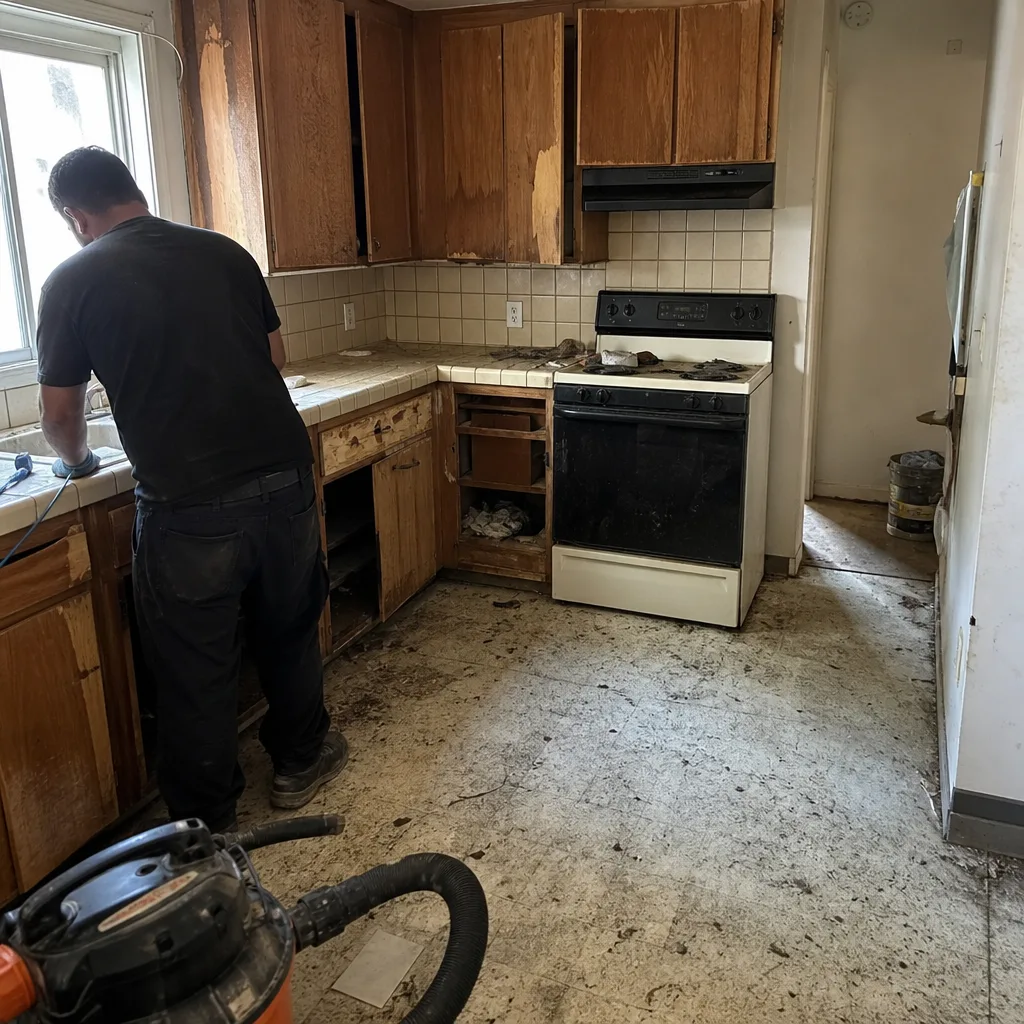 Before
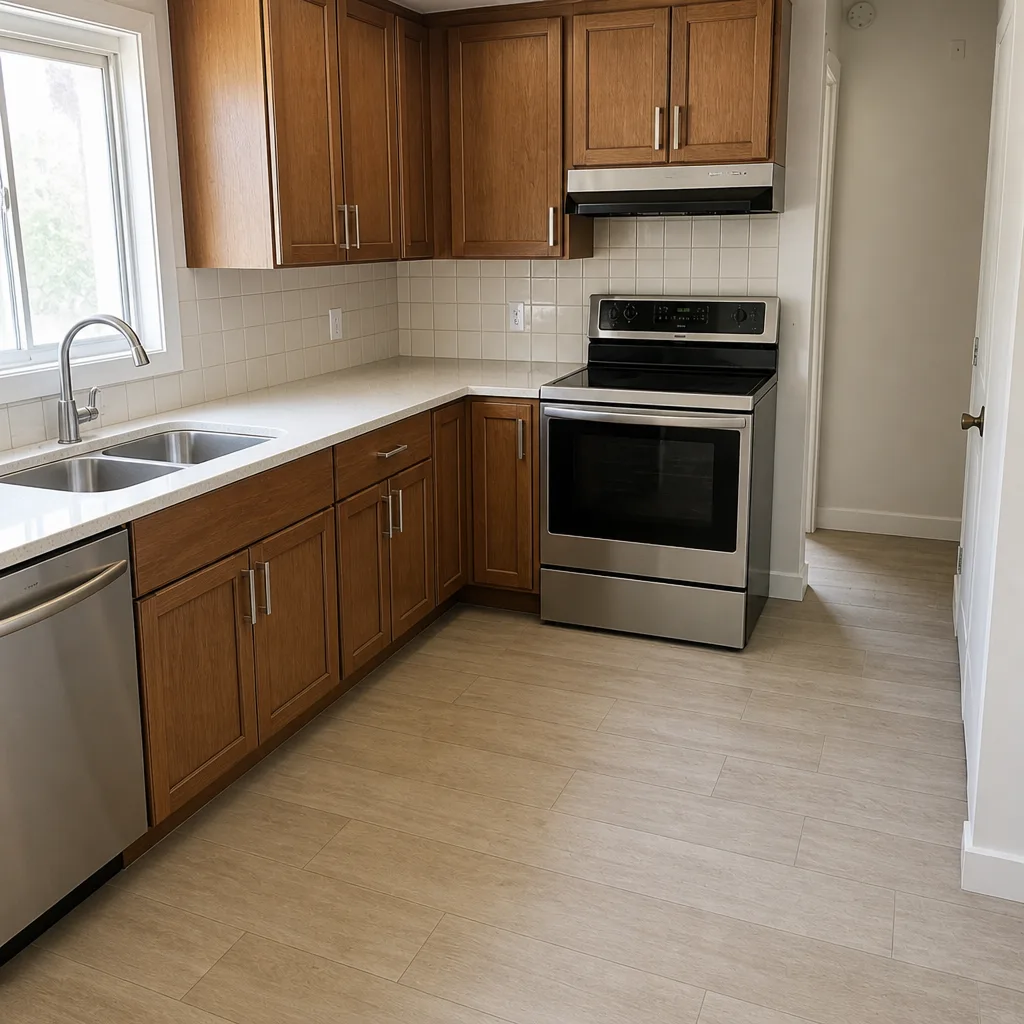 After
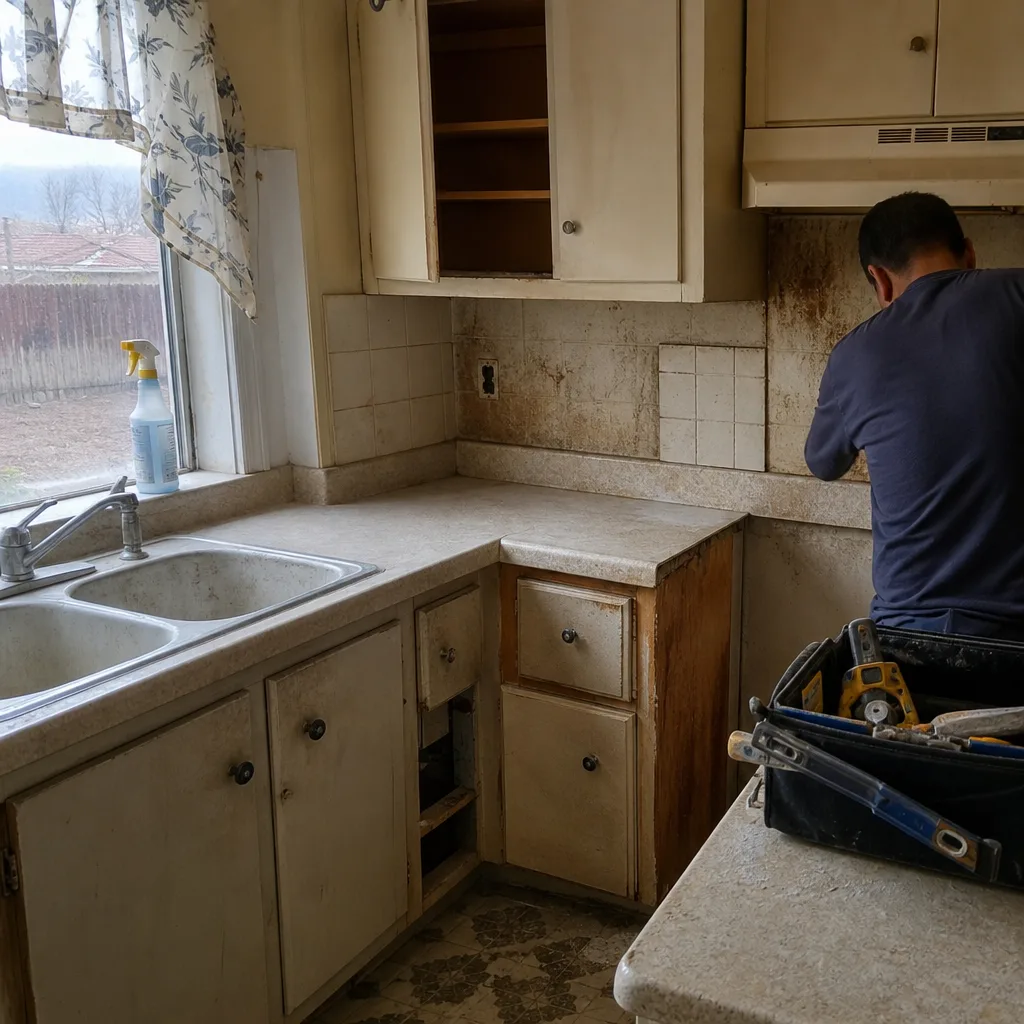 Before
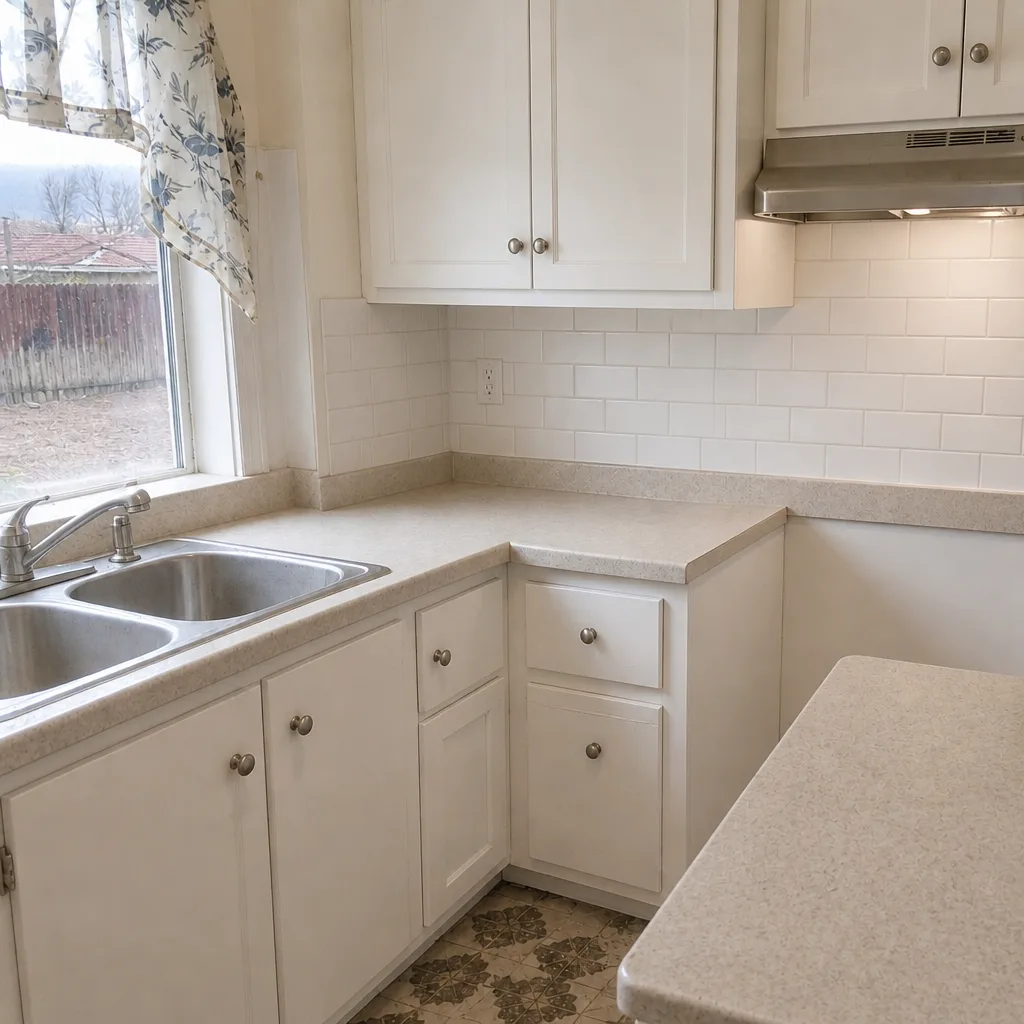 After
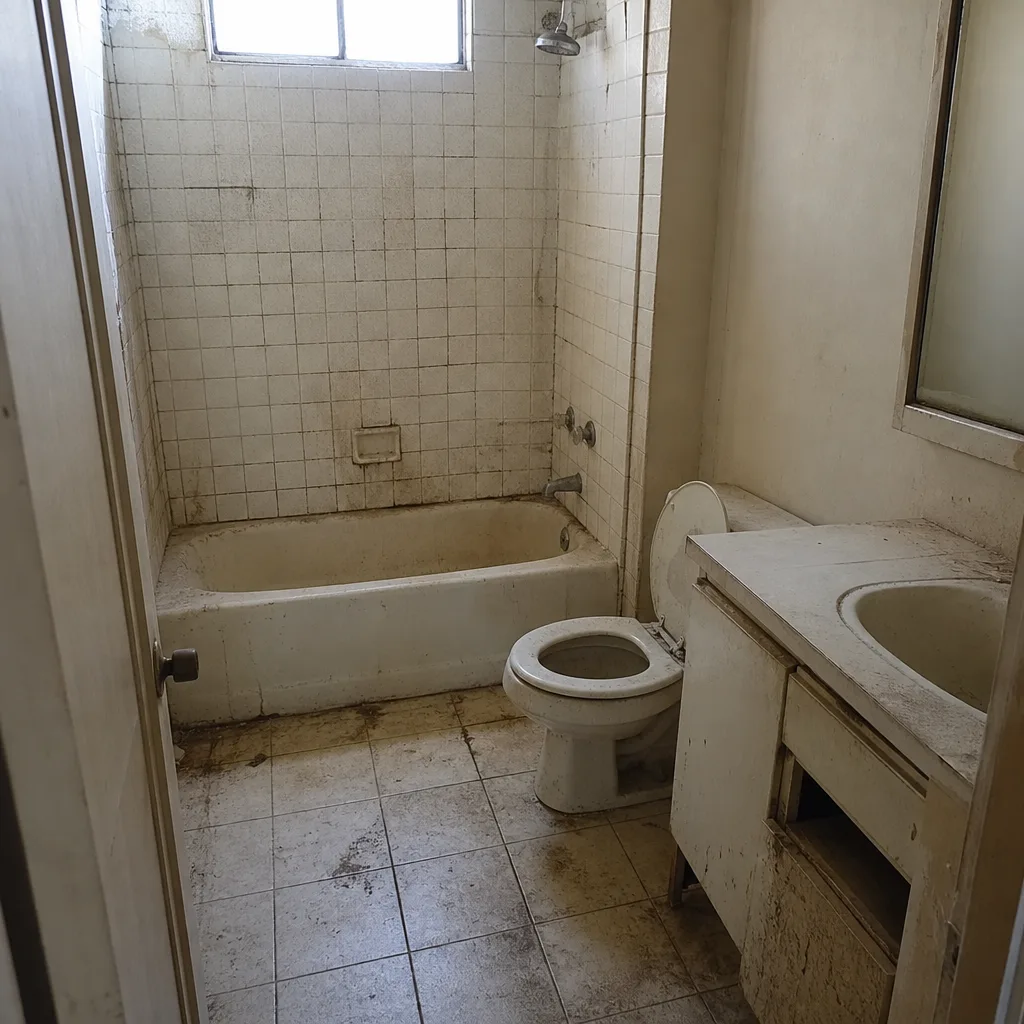 Before
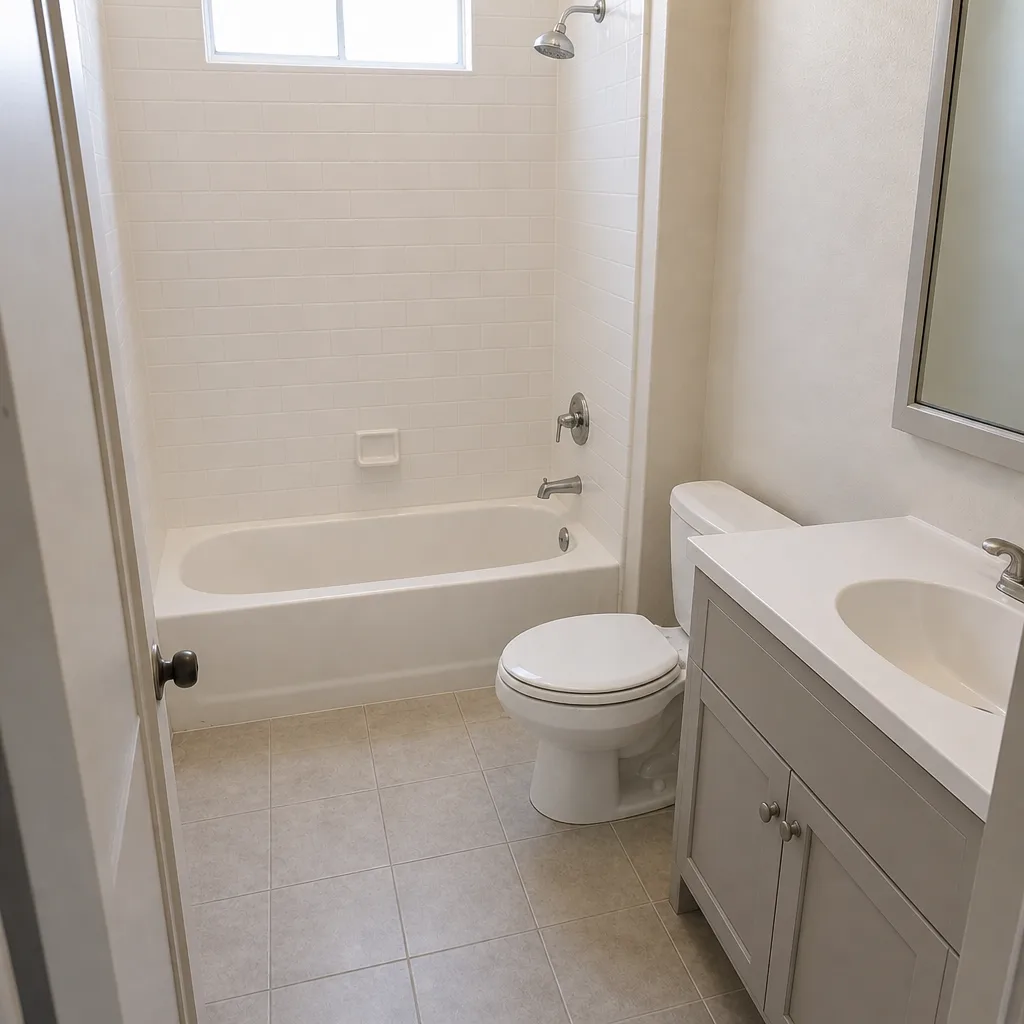 After
When to Call a Professional
A paver driveway involves excavation, compacted base engineering, permit submittals, and finish work that depends on every preceding step being correct. If your driveway touches a public right-of-way, if it changes drainage direction toward a neighbor, if the existing surface is failing due to subgrade problems, or if you’re considering imported stone with a long lead time, a written scope with milestone dates protects your calendar and your wallet. The work is not a weekend project – the base alone requires the right equipment and moisture discipline. Rowan Construction Group Palmdale offers free estimates in Palmdale – call (844) 320-8244.
Frequently Asked Questions
Actual installation runs 2 to 4 days for a typical residential driveway once the base is prepped and materials are on site, but the full timeline from signed quote to final sweep is usually 3 to 8 weeks. That spread comes from permitting (2 to 4 weeks in Palmdale and unincorporated LA County) and material lead times that range from 3 days for stock concrete pavers to 8 weeks for custom or imported stone. Call (844) 320-8244 for a written quote with a dated schedule.
Roughly 2 weeks is the realistic floor for a small driveway using stock concrete pavers, assuming the permit is straightforward and no rain days interrupt the base cure. Most projects land in the 4 to 6 week range because permit review and material delivery run in parallel and rarely finish faster than that. A contractor promising a week from signature to finish is describing installation only, not the full calendar.
Often yes – particularly when the driveway crosses the public right-of-way, changes the curb line, or alters drainage toward a neighboring property. Driveway replacements entirely inside the property line sometimes don’t, but that’s a parcel-specific question, not a blanket one. A competent contractor pulls the parcel record and confirms before quoting a start date. Call (844) 320-8244 and we’ll walk you through what your Palmdale address requires.
Stock concrete pavers from Belgard, Techo-Bloc, or similar distributor brands typically arrive in 3 to 7 days, while special-order colors and premium patterns run 2 to 4 weeks. Custom or imported natural stone – travertine, bluestone, cut-to-order granite – is 4 to 8 weeks from order to delivery. Ask which distributor your pavers are coming from and whether they’re in stock before you sign.
No – setting pavers on a saturated base traps moisture and leads to settlement, efflorescence, and shifting joints months later. After a rain event, the base needs roughly 48 hours to dry to a compactive state. The flip side is also true: after a long dry spell, the base may need pre-wetting and about 24 hours before compaction reaches spec. Both are scheduled pauses, not shortcuts to skip.
Divide your driveway square footage by 350 – that’s the number of set-days a two-person crew needs at roughly 300 to 400 square feet per day – then add 1 to 2 days for prep, edge restraints, and polymeric sand. If the contractor’s install estimate is shorter than that math allows, ask what’s being left out. If it matches or exceeds it, ask for the permit, material, and base-cure dates in writing. Call (844) 320-8244 for a free second opinion on any written estimate – we’ll review it line by line at no charge.
The Bottom Line
The installation window for a paver driveway is real, and it’s short – 2 to 4 days on most residential projects. But the calendar that actually governs your project runs from signed quote to final sweep at 3 to 8 weeks, because permits, material lead times, and base-cure windows sit in front of installation and don’t move because a salesperson is optimistic. The way to protect yourself is a written schedule with dated milestones, a flat written price with a written scope before work starts, and the crew math to check whether the promise holds. Every Rowan Construction Group project carries a flat written price and a documented photo record, and our technicians have up to 19 years of experience. Under the Haven Standard, no change proceeds without a signed change order.
Call (844) 320-8244 for a free estimate on your Palmdale paver driveway – we’ll put the number and the dates in writing before anyone picks up a tool.
Written by the team at Rowan Construction Group Palmdale.