Last updated November 18, 2026
Free written scope consultation - allowances, timeline, and change-order rules on paper before a single trade is scheduled
How Long Does Windows & Doors Take? Timelines and What to Expect
A crew can physically set a standard replacement window in 45 to 90 minutes. And yet a permitted window project in Palmdale routinely stretches two to three weeks on the calendar. That gap is the whole story. Timelines get quoted per unit but they’re lived per project, and the calendar days most homeowners don’t budget for – permit processing, inspection scheduling, custom-order lead times, and the temperature limits on exterior sealants – are exactly the days that move the finish line. This guide gives you the honest math from signed contract to closed permit, so you can read a schedule and know which dates the contractor controls and which belong to the city.
Quick Answer
Plan on 2 to 3 weeks of calendar time for a typical permitted window or door replacement in Palmdale, even though the physical installation itself usually takes one to three days. Custom-sized units add 3 to 8 weeks of lead time before the crew arrives, and a single failed inspection can add another 5 to 10 business days. The install is fast; the permit and the order are what fill the schedule.
Styles & brands we work with
- Kitchen remodeling
- Bathroom remodeling
- Home additions & ADU
- Roofing
- Windows & doors
- Driveway & pavers
- Fence
Table of Contents
- How long does installation take per window or door?
- The Palmdale permit timeline, explained
- Custom-order lead times for Palmdale’s older housing stock
- How Palmdale weather affects scheduling
- Why phased multi-unit projects take longer
- How to read a contract that separates your dates from the city’s
- The step-by-step project calendar
- What the timeline does to the price
How long does installation take per window or door?
Installation time is driven almost entirely by unit type and what sits behind the old frame. A replacement that slides into the existing opening is far quicker than one that requires pulling the old unit down to the studs. Here’s what we see on Palmdale jobs, and what pushes each range to the high end.
- Single-hung or double-hung window: 45 to 90 minutes per opening. The high end shows up when the rough opening is out of square – common in tract homes built in the 1970s and 1980s – or when drywall returns need patching after the old frame comes out.
- Casement window: 60 to 120 minutes per opening. Crank mechanisms and a wider, heavier sash mean more alignment work. Stucco openings in Palmdale that have settled, or where the existing flashing was compromised, add time for proper sealing.
- Sliding patio door: 3 to 5 hours. The track has to be level and the opening has to drain correctly. A door set into an existing slider pocket with a warped threshold is the slow version.
- Pre-hung entry door: 4 to 6 hours. This includes pulling the old slab and jamb, checking that the header and framing are square, setting the new pre-hung unit, and hanging hardware. Entry doors are where lock alignment, weatherstripping, and threshold fit all have to agree at once.
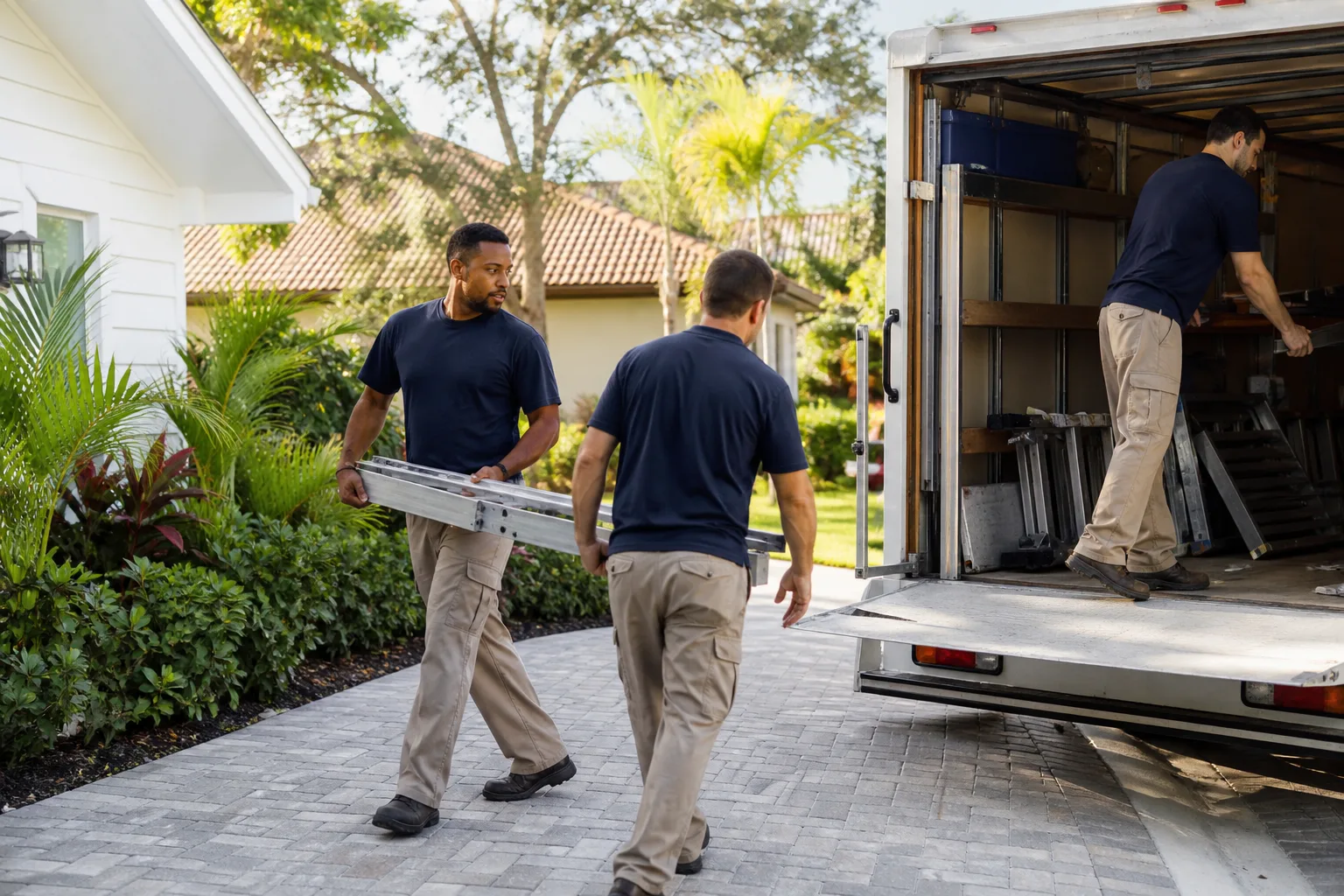
A whole-home job of 8 to 12 windows is typically one to three days of actual install time with a two- or three-person crew. The rest of the calendar is order time, permit time, and inspection time. We name every unit type in the written scope so you can see the per-opening estimate against the actual schedule and catch a mismatch before work starts.
The Palmdale permit timeline, explained
This is the part per-unit quotes leave out. Replacement windows and doors on a permitted project in Palmdale move through the City of Palmdale building department in stages, and each stage has its own clock. Here’s the math, in order.
- Application processing: 3 to 7 business days. The city reviews the submitted scope, product specs, and any structural changes. A straight replacement of like-for-like units moves faster than a project that resizes an opening.
- Physical installation: 1 to 3 days for a typical whole-home job, once materials are on site.
- Inspection scheduling after install: 5 to 10 business days. You call for inspection and the city gets you onto the rotation. This is the queue that turns a one-day install into a two- to three-week project.
- Re-inspection if corrections come back: 5 to 10 additional business days. Corrections happen most often when flashing, sealing, or egress clearances don’t read the way the inspector needs to see them.
Add it up and a clean, like-for-like replacement can close in about two to three weeks. A project with custom units and one correction round can reach four to five weeks. The practical takeaway: your installation date is not your completion date. The city’s queue sits between the two, and a written timeline that shows both is the only one you can plan around. In our experience, the projects that close fastest are the ones where the scope was documented clearly enough that the first inspection passes.
If your project grows into new framing, an addition, or a full reconfiguration of an exterior wall, the permit picture widens considerably. That conversation belongs in Home Additions & ADU in Palmdale, where the structural and inspection sequence is its own schedule.
Custom-order lead times for Palmdale’s older housing stock
Most replacement projects in Palmdale are not stock-size jobs. The tract homes built from the 1970s through the 1990s have rough openings that don’t match today’s standard catalog sizes, which means most windows here are custom-ordered. That ordering step is the longest single block on the calendar, and it starts the day you sign – not the day you call.
Two lead times we quote often:
- Milgard Tuscany Series custom: currently 3 to 6 weeks.
- Andersen 400 Series: 4 to 8 weeks.
Brands like Sterling and CertainTeed are also part of what we source, and lead times across the board move with the manufacturer’s production schedule, so the number in your written quote is the number that matters for your project. What drives the high end of each range: a non-standard dimension that needs a specific sash configuration, a special-color exterior that has to match an existing HOA palette, or a tempered-glass requirement on a unit near a door or a floor-level window. None of those are optional once they apply.
The practical rule: custom units ordered at contract signing keep the calendar tight, and units ordered after a change order push the whole project back by the full lead time. That’s why Clause 1 of the Haven Standard puts the written price and written scope in place before anyone starts – the order can’t be placed until the sizes are final, and the sizes should be final before you sign.
How Palmdale weather affects scheduling
Exterior caulk and flashing sealants need application temperatures above 40°F and below 100°F. That two-number rule quietly reshapes the install calendar in Palmdale. Summer afternoons routinely climb past 100°F in the Antelope Valley, which knocks out the afternoon installation window on many July and August days and pushes work to the morning. Winter mornings occasionally start below 40°F, which pushes the start to later in the day.
This isn’t a reason to postpone the project – it’s a reason to expect the crew to work a specific window of the day rather than all day, and to plan the calendar around that. What it means for you:
- Summer installs in Palmdale typically start early and may stop by early afternoon when temperatures run high.
- Winter installs may start an hour or two later to let the sealant surfaces warm.
- Windy spring days in the Antelope Valley can interrupt exterior sealing and flashing work, which can add a partial day to a project.
- A whole-home job that would run two days in mild weather can stretch to three in a heat wave or a cold snap – not because the work got harder, but because the working hours per day got shorter.
Weather also interacts with the inspection queue: if the install slips to a Friday, the inspection request may not be filed until Monday, which can add a day or two to the calendar. Good schedules build that in.
Why phased multi-unit projects take longer
Homeowners sometimes ask to stage windows over several months – a few units now, a few later – to spread the cost. On the calendar and on the invoice, staging almost always costs more than doing the whole job at once. Here’s why.
Every phase carries its own setup and teardown, its own permit coverage and inspection schedule if the project is permitted, and its own trip out to site. A three-phase whole-home job can take three times the calendar time of a single-phase job for the same number of windows, and the per-unit price climbs because the mobilization costs get split across fewer units per visit. The custom-order lead time also recurs: each phase has to wait for its own order.
Trim changes are the other schedule variable. If the new units require different exterior trim, the stucco around the opening has to be cut back and patched, and patched stucco has to cure before it can be sealed and painted. That adds roughly a day per affected opening of cure time to the schedule and can push the inspection later. In Palmdale’s stucco-heavy housing stock, a same-size replacement usually avoids this, and a resized opening almost always triggers it. The written scope should say which windows are resizing and which aren’t, so the schedule reflects it honestly.
How to read a contract that separates your dates from the city’s
A schedule you can trust does one thing clearly: it splits calendar days into contractor-controlled and government-controlled, so you know what the crew is accountable for and what the city is. Here’s the structure we put in writing on every job.
- Contractor-controlled dates: order placement, material delivery, install start, install finish, inspection request filed. These should be firm.
- Government-controlled dates: application processing, inspection scheduling, re-inspection if corrections come back. These should be quoted as ranges with a note that the city sets them.
- Weather-adjusted working hours: a note on the season and the sealant temperature limits, so a job scheduled in July doesn’t get read against a mild-weather estimate.
- Change-order rule: no work proceeds on a change until the change order is signed. That rule, from Clause 1 of the Haven Standard, is what keeps a project from drifting past the agreed price when a rough opening turns out to be out of square.
- Warranty terms: the workmanship warranty and the 365-Day Done Right Promise stated in writing, not on a business card.
If you’re holding a competitor’s estimate and want a second read on it, we’ll review it line by line at no charge – that free second-opinion offer exists precisely because most window quotes bury the permit and lead-time math. Bring the number, and we’ll show you where it does and doesn’t line up with a real Palmdale calendar.
The step-by-step project calendar
Here’s the honest sequence from first call to closed permit, with the time each step typically takes.
- Measure and quote (day 1-3): we measure every opening, confirm unit types and sizes, and hand over a written price and written scope. No work starts before you have both.
- Order placement (day of signing): custom units go in the day you sign. Lead time: 3 to 6 weeks for Milgard Tuscany custom, 4 to 8 weeks for Andersen 400 Series.
- Permit application (overlaps order window): 3 to 7 business days of city processing.
- Material delivery and pre-install walk (1-2 days before install): units on site, photo record of existing conditions.
- Installation (1-3 days): the physical work, at the per-opening times listed above.
- Inspection request (same day install finishes): filed with the city; the 5 to 10 business day queue runs from here.
- Inspection and any corrections (0-10 business days): a clean pass closes the permit; a correction round adds 5 to 10 business days.
- Photo record and warranty handoff (install day): the documented photo record of every opening is delivered with the written warranty, as standard, not as an upgrade.
Total, clean project: about 2 to 3 weeks from signed contract to closed permit on stock or short-lead units, and roughly 6 to 10 weeks once a long custom lead time is included. Add 5 to 10 business days if a correction comes up.
What the timeline does to the price
Time and money move together on window and door projects, so a written quote that doesn’t explain the timeline invites a surprise. The line items that change with the schedule:
- Custom vs. stock sizing: custom units carry a higher unit price and a longer lead time. Most Palmdale homes need custom, so the number should be quoted as custom, not as an upgrade.
- Stucco and trim repair: resizing an opening or changing trim adds the repair and cure time noted above, and it shows up as a separate line.
- Permit fees: paid to the city, shown as a pass-through, not folded into the install price.
- Phasing: a phased project usually costs more per unit than a single-phase project, because mobilization happens more than once.
A flat written price with a written scope is the only way to compare two window quotes fairly, because the cheap one often leaves out the permit, the custom sizing, or the stucco repair that the schedule will inevitably require. Our 4,000-plus projects have all finished within a few percent of the number we wrote at signing, and that discipline starts with a timeline and a scope that match.
If your project also touches the driveway, the front approach, or a fence that needs to come down before the crew can stage, those are separate trades with their own calendars. See Driveway & Pavers in Palmdale and Fence Installation in Palmdale for those timelines, and start with the Rowan Construction Group Palmdale home page for how the seven trades fit together.
Common Mistakes to Avoid
- Trusting a per-unit time estimate as a project date. Per-opening install times ignore the permit and inspection queue, which is where most of the calendar actually goes in Palmdale.
- Ordering custom units after signing instead of at signing. Every week the order waits is a week added to the whole project, because the lead time runs from the order date, not the signing date.
- Not asking which dates are contractor-controlled. A schedule that doesn’t split your dates from the city’s hides the 5 to 10 business day inspection queue.
- Staging a whole-home project to save money. Phasing usually costs more per unit and roughly triples calendar time for the same number of windows.
- Scheduling install on a day the sealant temperatures will fail. In a Palmdale summer, an afternoon slot in the high 90s or above can stop exterior sealing work; in winter, a cold morning can delay the start.
- Forgetting that resizing an opening triggers stucco repair and cure time. In this city’s stucco-heavy housing stock, a resized window adds a day per opening of cure time before the inspection can be requested.
- Accepting a verbal timeline. Ask for the written scope and written price, and match the schedule to the scope. What isn’t written isn’t enforceable.
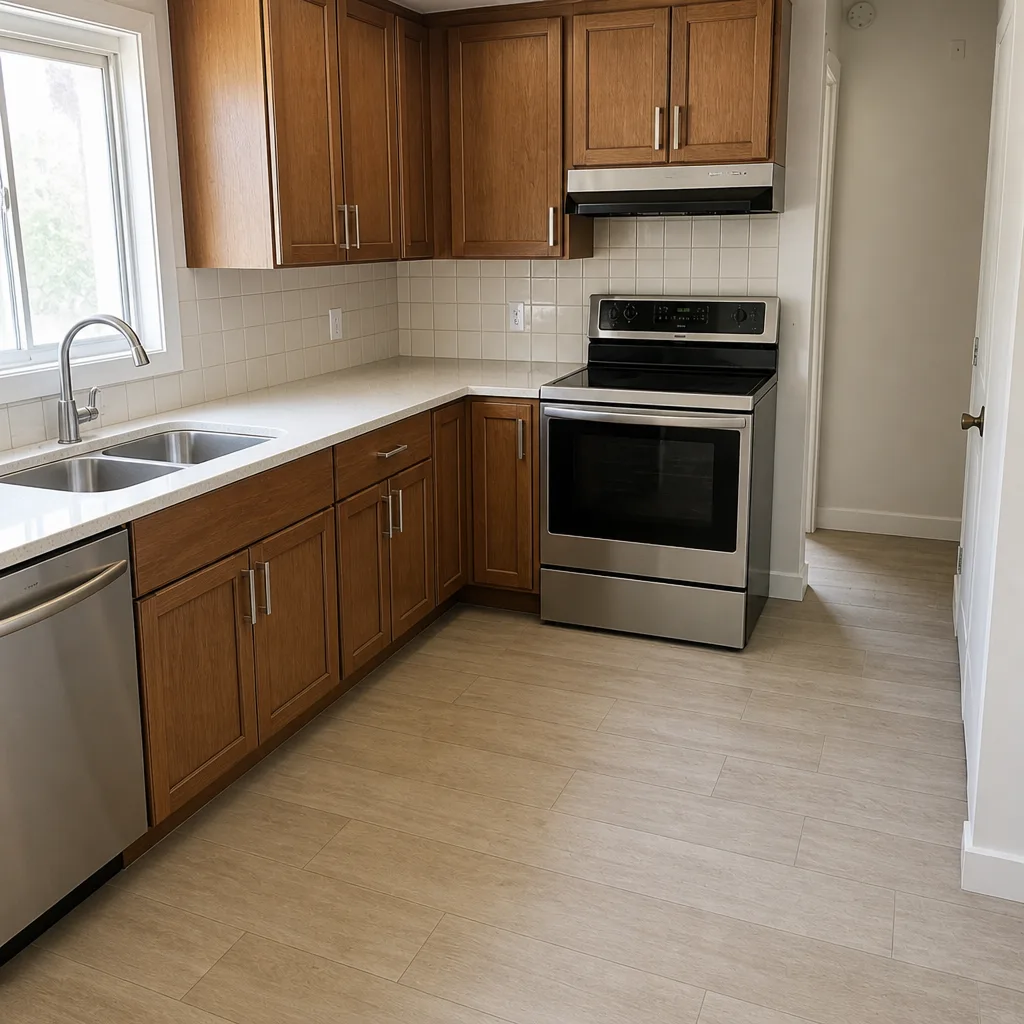
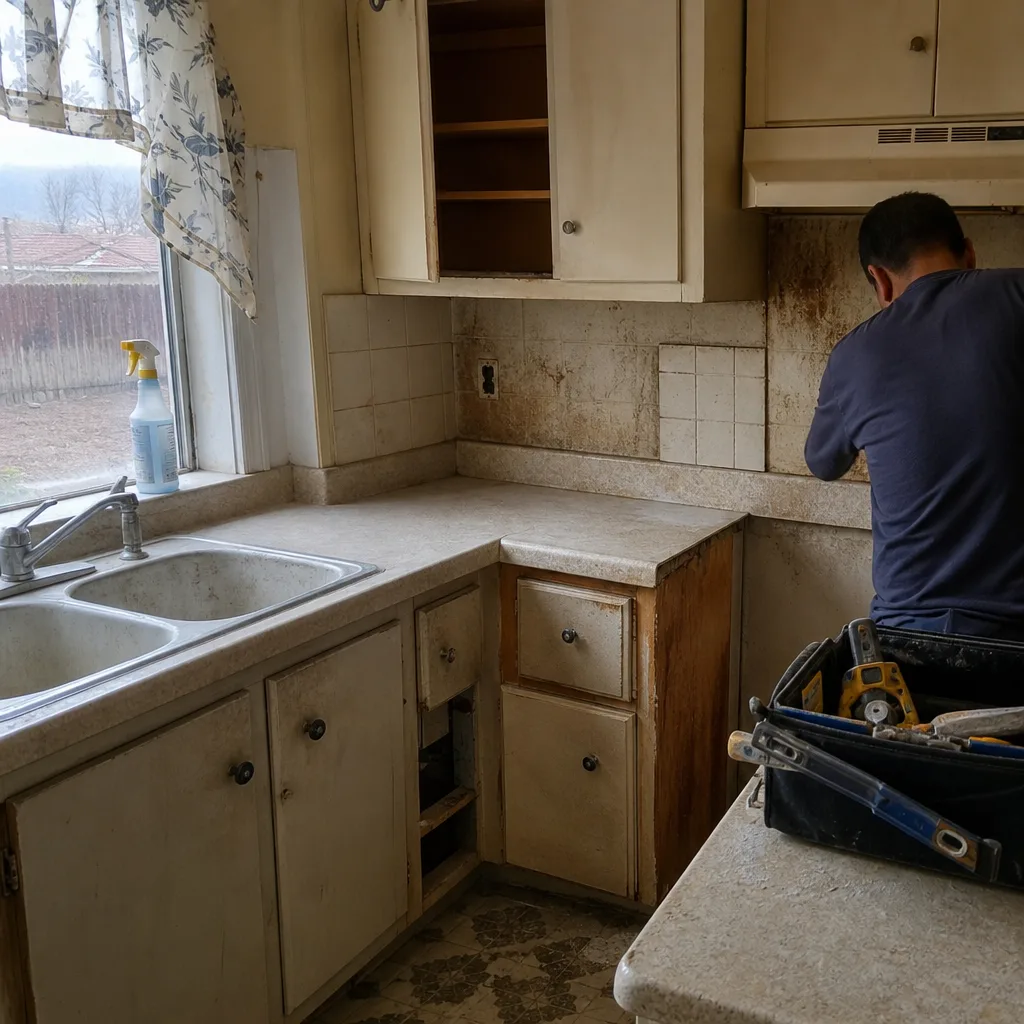
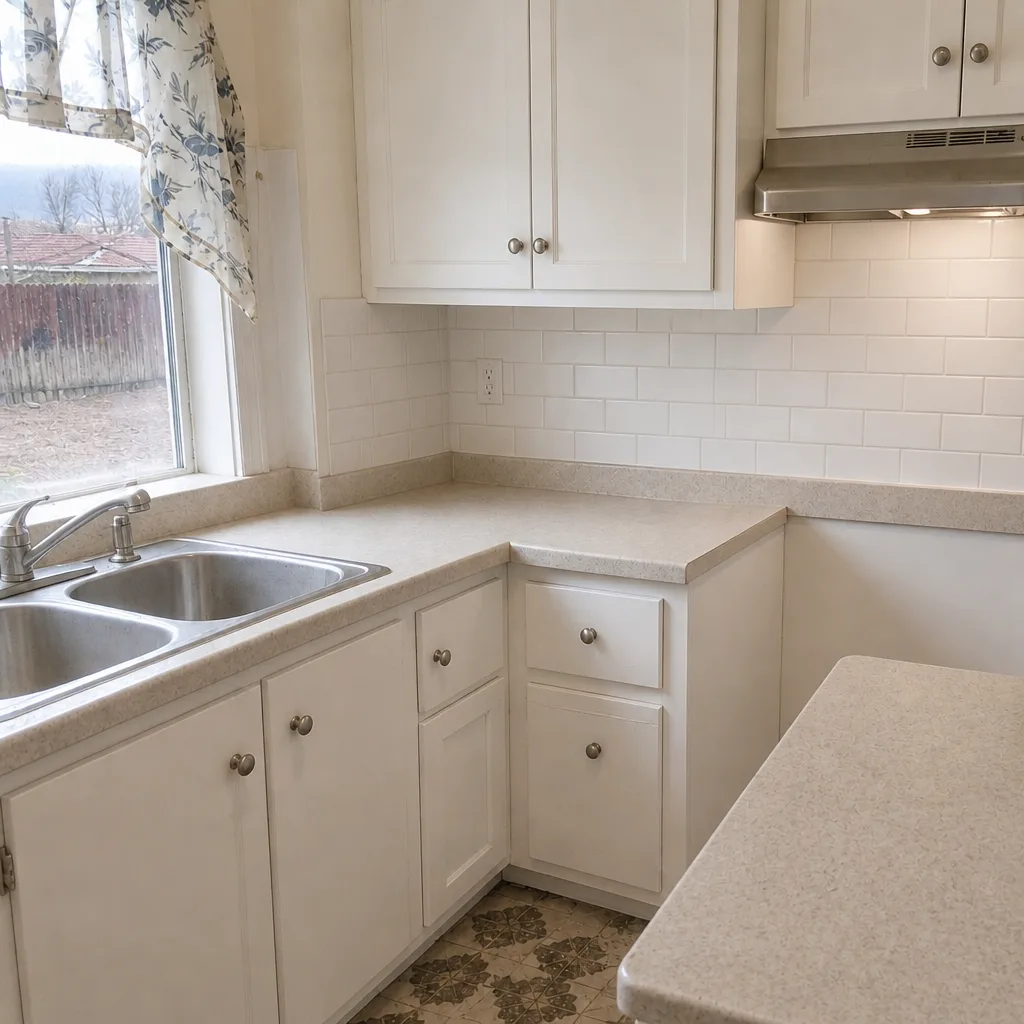
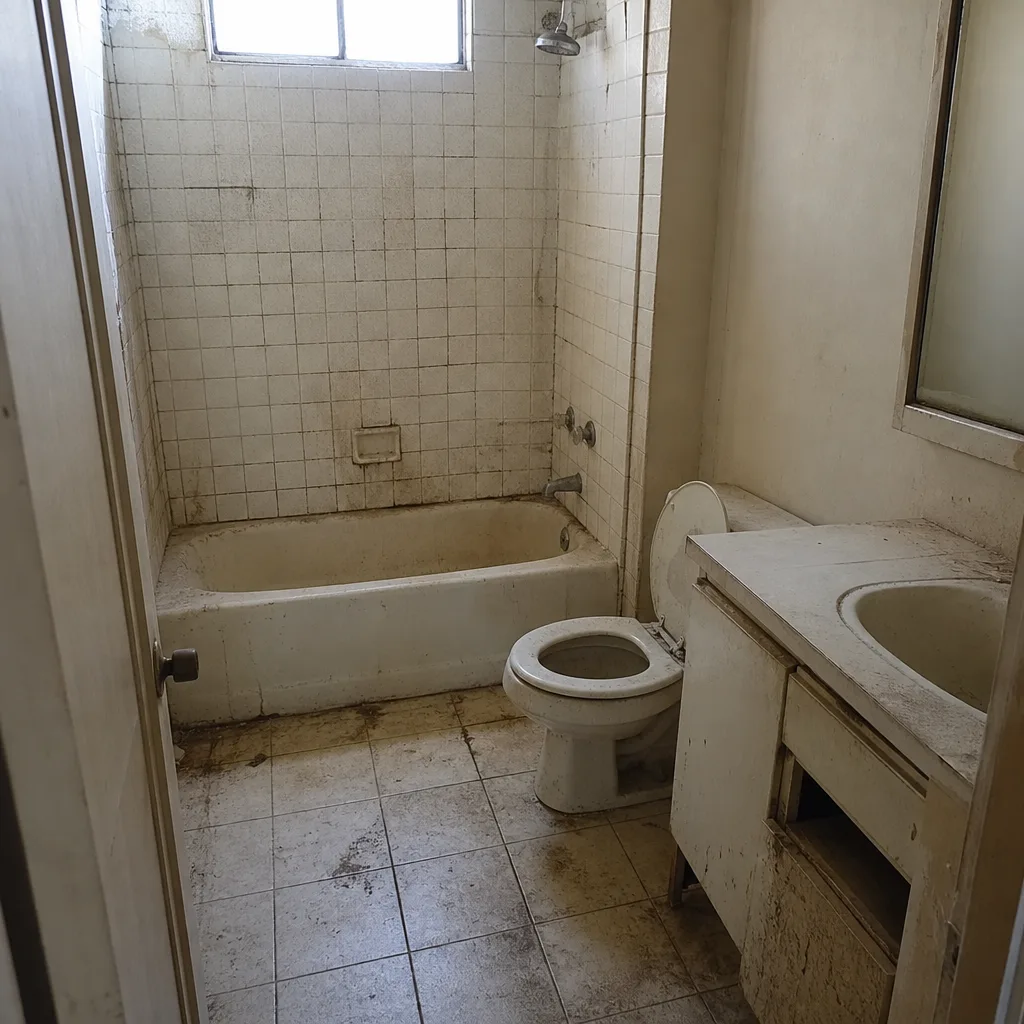
See the difference
 Before
 After
 Before
 After
 Before
 After
When to Call a Professional
Call a professional when the project involves a permitted replacement, a custom-sized unit, or any change to the rough opening. Palmdale homes built in the 1970s through the 1990s routinely have out-of-square openings and settled stucco, and both of those turn a straightforward swap into a framing and sealing job. Call sooner if you’re resizing an opening, changing exterior trim, or dealing with a door that no longer latches square. None of those are weekend jobs, and a permit inspector will need to see the work done to code. Rowan Construction Group Palmdale offers free estimates in Palmdale, with a written price and written scope before any work starts – call (844) 320-8244.
Frequently Asked Questions
Plan on about 2 to 3 weeks from signed contract to closed permit, with 1 to 3 days of actual installation. Custom units add 3 to 8 weeks of lead time before the crew arrives, and the inspection queue adds 5 to 10 business days after install. Call (844) 320-8244 for an exact timeline on your project – estimates are free.
Like-for-like replacement generally requires a permit through the City of Palmdale building department, especially when the work involves the exterior envelope, egress, or any change to the opening. Application processing runs 3 to 7 business days. We pull the permits and pass the inspections as standard, and the permit fee is shown as a separate line on the written quote.
Because the calendar time is mostly permit and order time, not install time. Inspection scheduling alone runs 5 to 10 business days after the install finishes, and custom-order lead times run 3 to 8 weeks. The physical install is the fast part. Call (844) 320-8244 to see which of those applies to your unit sizes.
Yes, with a schedule that respects the sealant temperature limits. Exterior caulk and flashing sealants need temperatures above 40°F and below 100°F, so summer installs in Palmdale typically run early in the day, before the afternoon heat. The written schedule notes the season and the working hours so you know what to expect.
A pre-hung entry door takes 4 to 6 hours of install time versus 45 to 90 minutes for a single-hung or double-hung window, because door alignment, threshold, and hardware all have to agree. A sliding patio door takes 3 to 5 hours. Custom order lead times apply to doors as well. Call (844) 320-8244 for a quote in Palmdale – estimates are free.
No – not unless a change is signed. Under the Haven Standard, no work proceeds on a change until the change order is signed, which is why our projects finish within a few percent of the agreed price. If a rough opening turns out to be out of square, we’ll show you the finding in the photo record and the change order before any additional work begins.
The Bottom Line
Window and door replacement is fast to install and slow to schedule, and the slow part is the permit and the custom order, not the crew. Budget 2 to 3 weeks from signed contract to closed permit on a typical Palmdale job, and 6 to 10 weeks once a long custom lead time is included. Ask which dates the contractor controls and which the city controls, insist on a written price and written scope before anyone picks up a tool, and check that the schedule accounts for Palmdale’s sealant temperature limits and stucco cure time. The install is one day; the number and the calendar are what you live with.
Ready to see a written timeline and a written price for your project? Rowan Construction Group Palmdale offers free estimates with a written price before any work starts, a free second opinion on any written estimate, and the 365-Day Done Right Promise. Every visit includes a documented photo record as standard, our technicians have up to 19 years of experience, and a live person answers calls 24/7. Call (844) 320-8244 to schedule your free estimate.
Written by the team at Rowan Construction Group Palmdale.