Last updated November 18, 2026
Free written scope consultation - allowances, timeline, and change-order rules on paper before a single trade is scheduled
The Complete Windows & Doors Guide for Palmdale Homeowners
Palmdale sits in California’s Climate Zone 9 under Title 24, and that single fact reshapes the entire window shopping experience. Zone 9 caps whole-window U-factor at roughly 0.30, which quietly removes about 40% of the products national brands advertise as “energy efficient” from the running before you ever get to price. The high desert adds its own filter: 100°F-plus summers, occasional hard freezes that crack cheap vinyl welds, and wind-driven dust that finds every weak seal on a frame. This guide covers the products that actually hold up here, the code numbers that matter, the permit path through the City of Palmdale, and real installed cost ranges by opening type. It’s written for homeowners who want the spec sheet before the sales pitch.
Quick Answer
For Palmdale, you want windows with a U-factor of 0.30 or lower and an SHGC around 0.25 or below to satisfy Title 24 Climate Zone 9, plus a NAFS/AAMA performance rating that reflects wind and water resistance, not just cosmetic energy labels. Expect $400 – $900 installed per standard 3×5 double-hung opening, $1,200 – $3,500 for a sliding patio door, and $1,500 – $5,000 for a full entry door system. Doors should be fiberglass or steel for the thermal swing, not solid wood. Every replacement needs a City of Palmdale permit, and a structural header assessment only becomes necessary when you’re widening an opening or the existing header shows damage.
Styles & brands we work with
- Kitchen remodeling
- Bathroom remodeling
- Home additions & ADU
- Roofing
- Windows & doors
- Driveway & pavers
- Fence
Table of Contents
- What Title 24 Climate Zone 9 Actually Requires
- Which Window Lines Meet the Spec Without Expensive Upgrades
- Wind-Driven Dust and What NAFS Ratings Mean for Seal Life
- Door Materials for Palmdale’s Thermal Swing
- City of Palmdale Permit Requirements
- Cost Ranges by Opening Type
- Installation: What a Correct Job Looks Like
- Common Mistakes to Avoid
What Title 24 Climate Zone 9 Actually Requires
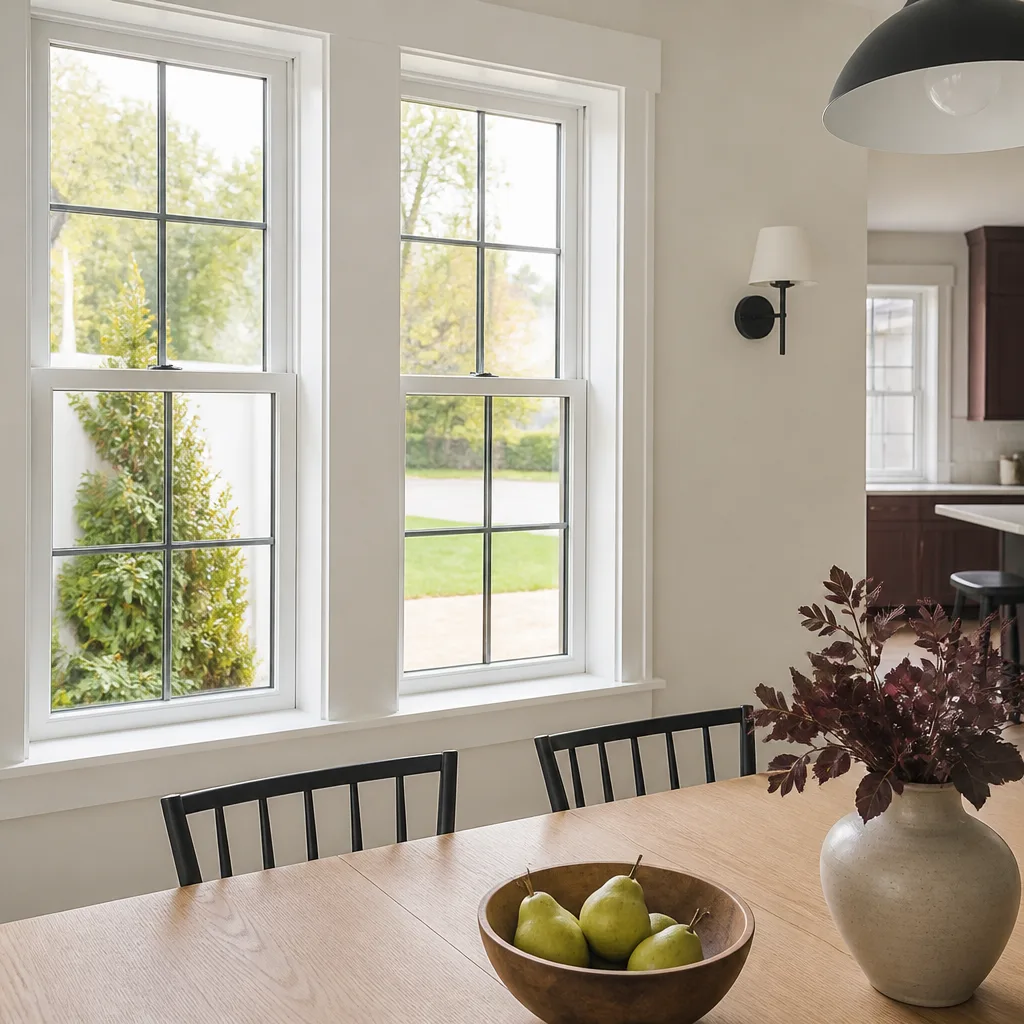
Title 24 is California’s building energy code, and it divides the state into 16 climate zones. Palmdale is Zone 9: hot summers, cold winters, big day-to-night swings. That combination produces a U-factor ceiling around 0.30 for replacement windows in most residential applications. U-factor measures how fast heat escapes through the whole assembly – frame, glass, spacer, the works. Lower is better. A window rated at 0.35 fails the prescriptive path in Palmdale even if it’s stamped “Energy Star” for some other part of the country.
Solar Heat Gain Coefficient (SHGC) is the second number. It measures how much solar heat the window lets in. In Palmdale’s summers you want SHGC at or below roughly 0.25. Too high and your air conditioner fights the sun all afternoon. Too low and you lose the free winter heat you actually want in January, though our winters are mild enough that the trade-off usually favors lower SHGC.
Here’s what those two numbers filter out:
- Single-pane anything. Straight disqualification.
- Standard double-pane clear glass with aluminum frames. The frame conducts heat and drags the whole U-factor over the line.
- Most builder-grade vinyl with a basic air fill – sometimes compliant, but usually only with an upgrade package.
- Many “value line” products where the low-U version is a special order that adds weeks to the timeline and hundreds to the price.
When we look at a Palmdale home, we start with the climate zone number and work backward to the product. Not the other way around. The spec drives the choice, and the choice drives the price.
Which Window Lines Meet the Spec Without Expensive Upgrades
Four national brands show up most often in Antelope Valley homes: Milgard, Andersen, Marvin, and Pella. Each one has lines that clear Zone 9 and lines that need upgrades to get there. Knowing which is which saves real money.
Milgard. The Tuscany and Trinsic series in vinyl handle Palmdale well when ordered with Low-E2 or SunCoat glass and argon fill. Milgard’s vinyl welds hold up in desert heat better than the cheaper imported frames because the wall thickness is heavier. The Style Line is the entry point and usually needs a glass upgrade to hit 0.30.
Andersen. The 100 Series (Fibrex) is the value play for Palmdale, and with the right glass package it hits the Zone 9 target cleanly. Fibrex is a wood-fiber and polymer composite that doesn’t expand and contract the way pure vinyl does, which matters in a climate with a 40-degree daily swing. The 400 Series wood-clad line works but costs more per opening.
Marvin. The Essential and Elevate collections in fiberglass and clad wood hit the numbers Palmdale needs with Low-E2 or Low-E3 glass. Marvin fiberglass is a strong pick for west-facing walls here – it’s dimensionally stable in heat and won’t warp like cheaper vinyl can. The trade-off is price and lead time.
Pella. The 250 Series vinyl meets the spec with the right glass. The 750 Series fiberglass is the pick for larger openings and windy exposures. Skip anything Pella sells as a “thermally improved” aluminum line – the frame is still a conductive bridge and you’ll pay for the upgrade twice.
Rowan Construction Group carries sourcing across fifty-plus vetted brands, so the quote isn’t locked to one manufacturer’s marketing. If a Milgard Tuscany and an Andersen 100 both clear Zone 9 on your opening, we show both numbers and you pick.
Wind-Driven Dust and What NAFS Ratings Mean for Seal Life
Palmdale’s wind is the second half of the problem nobody talks about on window showroom floors. Wind-driven dust works against every gasket, weatherstrip, and glazing seal on a window. A product that passes Energy Star in Modesto can leak dust into a Palmdale house within two summers if the seals are thin and the frame tolerance is loose.
The spec that predicts this is NAFS – the North American Fenestration Standard – along with the older AAMA 101 rating it replaced. Both grade a window on three performance axes:
- Structural (design pressure). How much wind load the frame survives. Palmdale’s wind-driven dust events push harder on a frame than coastal fog ever does.
- Water penetration resistance. How well the assembly resists water driven by wind. In our dry climate you’d think this is minor, but rain plus wind here does happen several times a year and a failed seal means a rotted sill.
- Air infiltration. How much air leaks past the seals at a given pressure. This is the number that predicts dust infiltration. Lower is better, and it’s the one most marketing sheets bury.
For Palmdale exposures on a west or upwind wall, we look for a design pressure rating of at least 35 psf and air infiltration at or below 0.3 cfm per square foot. Cheaper lines often land at 0.5 or higher, which means you’ll be wiping dust off the sill every week and replacing weatherstrip in year three.
Seal construction matters too. Compressible foam-filled bulb weatherstrip outlasts the thin leaf-style gaskets used on builder-grade product. Silicone glazing seals outlast EPDM. These details are visible in a sample cutaway, and a contractor who can’t show you one is selling a box, not a window.
Door Materials for Palmdale’s Thermal Swing
Palmdale’s temperature swing is the hardest thing your entry door does. A 100°F afternoon dropping into the 30s overnight, repeated for years, works on every material differently. Here’s how the three common choices actually compare.
- Solid wood. Attractive, traditional, and the wrong pick for Palmdale’s climate unless you’re prepared to refinish it every couple of years. Wood’s coefficient of thermal expansion is roughly 3 – 5 times higher than fiberglass along the grain. That’s the number that predicts doors that stick in summer and whistle in winter. R-value: around 2 – 3 for a standard 1¾-inch slab.
- Steel. R-value lands around 5 – 6 for a foam-core steel door. Dimensionally stable, so it won’t warp. The powder-coat finish holds up in the desert sun better than wood does. Downside: it dents, and any dent that breaks the coating becomes a rust spot in our dust and occasional rain.
- Fiberglass. R-value typically 6 – 8 with a polyurethane core, and the coefficient of expansion sits between steel and wood – stable enough to hold a seal through Palmdale’s swing. Fiberglass is the sweet spot for this climate, and it’s what we quote most often for entry door systems. Finish is molded in, so no refinishing schedule.
Look for a door slab with a full-length continuous hinge, a multi-point lock, and a threshold with a compressible seal rather than a brush sweep. In a Palmdale wind event, the threshold is the first place dust gets in. The glazing in the door matters as much as the wall window – tempered, Low-E, and rated to the same NAFS numbers described above.
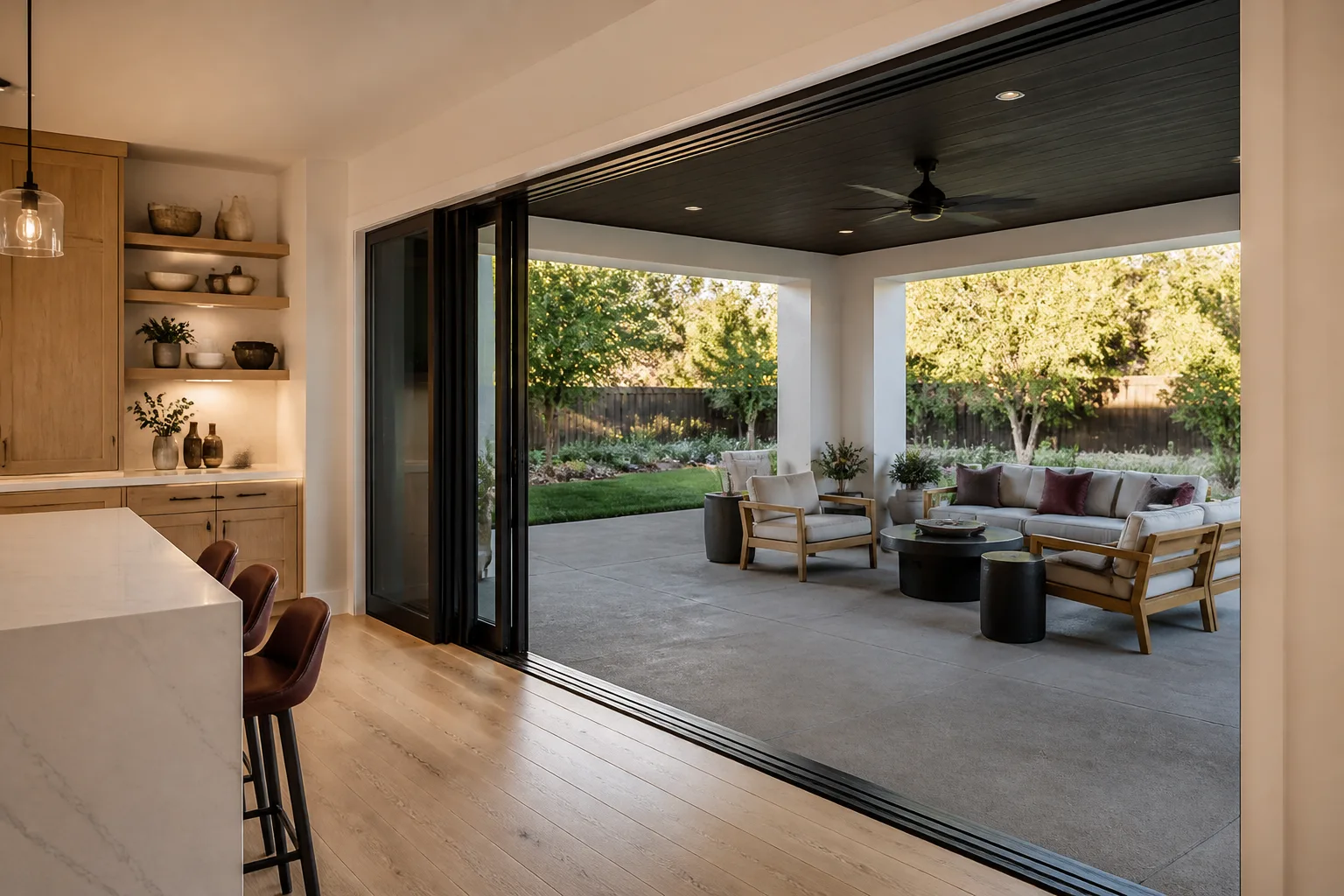
Patio doors follow the same logic. Sliding glass units need the same Zone 9 glass package as the windows. Fiberglass or thermally broken aluminum frames hold the seals longer than basic vinyl in desert heat.
City of Palmdale Permit Requirements
Palmdale replacement windows and doors require a permit. That’s the short answer, and it’s the one we lead with because most homeowners don’t realize it. The permit path is straightforward, but there are two conditions that change the scope:
- Like-for-like replacement. Same opening size, same configuration, no framing change. Permit is required, but no engineering. The permit covers the code compliance check – U-factor, SHGC, tempered glass in required locations – and the final inspection verifies the install.
- Size change or header alteration. If you’re widening an opening, changing a window to a door, or altering a non-bearing wall, the plan check will require a structural header assessment. That means a designed header, a span calculation against the roof load above it, and a plan that names the header material and fasteners.
When the assessment is not required: a true like-for-like swap where the rough-in opening, header, and framing stay untouched. Even then, you’re pulling the permit because the code officer needs to confirm the product meets Zone 9. Skipping the permit means a future buyer’s inspector will find unpermitted glazing or doors, and the fix is a retroactive permit at the point of sale.
Two Palmdale-specific permit notes. First, in the tract neighborhoods through Rancho Vista and Quartz Hill, several HOA covenants require prior architectural review before the city permit is pulled – the color and grille pattern must be approved. Second, egress windows in bedrooms have a minimum clear opening size that must be verified at permit – replacing a small bedroom window with a similar-sized one is fine, but reducing the opening fails inspection.
Rowan Construction Group pulls the permits and stands for the inspection. Under Clause 1 of the Haven Standard, the written price you agree to before anyone picks up a tool is the price – permit fees and inspection costs are captured in that line-item quote, not stacked on afterward.
Cost Ranges by Opening Type
These are installed cost ranges for Palmdale, meaning the product, the labor, disposal of the old unit, permit fees and inspection. The low end is a standard-opening smaller window on a standard color; the high end is a larger opening, custom size, upgraded glass, or a premium product line. The anchor product name in each range tells you what drives the number.
- Standard 3×5 double-hung replacement: $400 – $900 installed. Low end: Milgard Style Line with standard Low-E glass, standard white. High end: Marvin Elevate fiberglass or Andersen 100 with an upgraded glass package and a non-standard exterior color.
- Sliding patio door (6-foot class): $1,200 – $3,500 installed. Low end: standard vinyl slider with basic glass. High end: Milgard Trinsic or Pella 250 fiberglass slider with tempered Low-E glass, a multi-point lock, and a screen system upgrade.
- Entry door system: $1,500 – $5,000 installed. Low end: pre-hung steel door with a standard hardware package and no sidelights. High end: fiberglass slab with sidelights, tempered glazing, multi-point lock, and a complete threshold and weatherstrip upgrade.
- Picture window (fixed): $350 – $1,400 installed. A large fixed unit is the cheapest way to add glass area – no moving parts to seal.
- Full-house repackage, 12 – 18 openings: $8,000 – $24,000 installed. Discounts typically appear in the labor line, not the product line, so the number to watch is the per-opening price, not the total.
The number to screenshot and compare is the per-opening installed price for a specific product line and glass package. A quote that says “call for pricing” tells you nothing. We put the range in writing before anyone picks up a tool, and if the range moves, the change order is signed before work continues.
Installation: What a Correct Job Looks Like
The product and the install are separate risks. A compliant Milgard window dropped into a badly flashed opening will leak, rot the sill, and grow mold within a couple of seasons. Here’s what a correct Palmdale install looks like step by step:
- Measure to the rough opening, not the old unit. The gap between the old frame and the new one should match the flashing and insulation plan.
- Remove the full unit, not just the sash. Drop-in retrofits that leave the old frame and add a smaller window lose glass area and skip the flashing detail that keeps water out.
- Flash the opening correctly. Sill pan, head flashing, and side flashing lapped so water runs out, not back into the wall. In a Palmdale wind event, this is the difference between a dry sill and a rotted one.
- Insulate the perimeter. Low-expansion foam in the gap, then a backing rod and sealant at the interior and exterior joints.
- Verify operation and seal. The sash should open and close smoothly, the lock engages without forcing, and the weatherstrip compresses evenly around the perimeter.
- Document the install. Photos of the flashing, the insulation, and the finished reveal on every opening. Every Rowan visit includes a documented photo record as a standard deliverable.
The final walk-through should include a code compliance sticker or label from the manufacturer confirming U-factor and SHGC, and a copy of the permit for the file. Those documents are what a future buyer’s inspector will look for.
Common Mistakes to Avoid
- Buying on Energy Star alone. Energy Star sets a national baseline that doesn’t match Palmdale’s Climate Zone 9. A window that qualifies nationally can still fail the local U-factor ceiling. Check the label against 0.30 and 0.25, not the Energy Star mark.
- Skipping the permit because “it’s just a window.” Every replacement in Palmdale needs a permit. The unpermitted glazing becomes a disclosure item at resale, and the buyer will ask for the paperwork.
- Choosing solid wood for an entry door. In Palmdale’s thermal swing, wood doors warp, stick, and need refinishing on a two-to-three-year cycle. Fiberglass or steel is the honest pick.
- Ignoring the air infiltration rating. A window with a U-factor of 0.28 and an air infiltration of 0.6 will let in more dust than a 0.32 window with a 0.2 rating. The second is the better Palmdale window.
- Letting the contractor start before the written scope. A quote without a written scope is a verbal promise. The written price before work starts is the only number you can hold anyone to.
- Overlooking HOA architectural approval. Rancho Vista and several other Palmdale communities require review before the city permit. Skipping it means the product gets removed and re-ordered.
- Assuming the cheapest per-opening number wins. A $380 window with a $180 install add-on isn’t cheaper than a $520 window with install included. Compare the installed per-opening number, not the box price.
See the difference
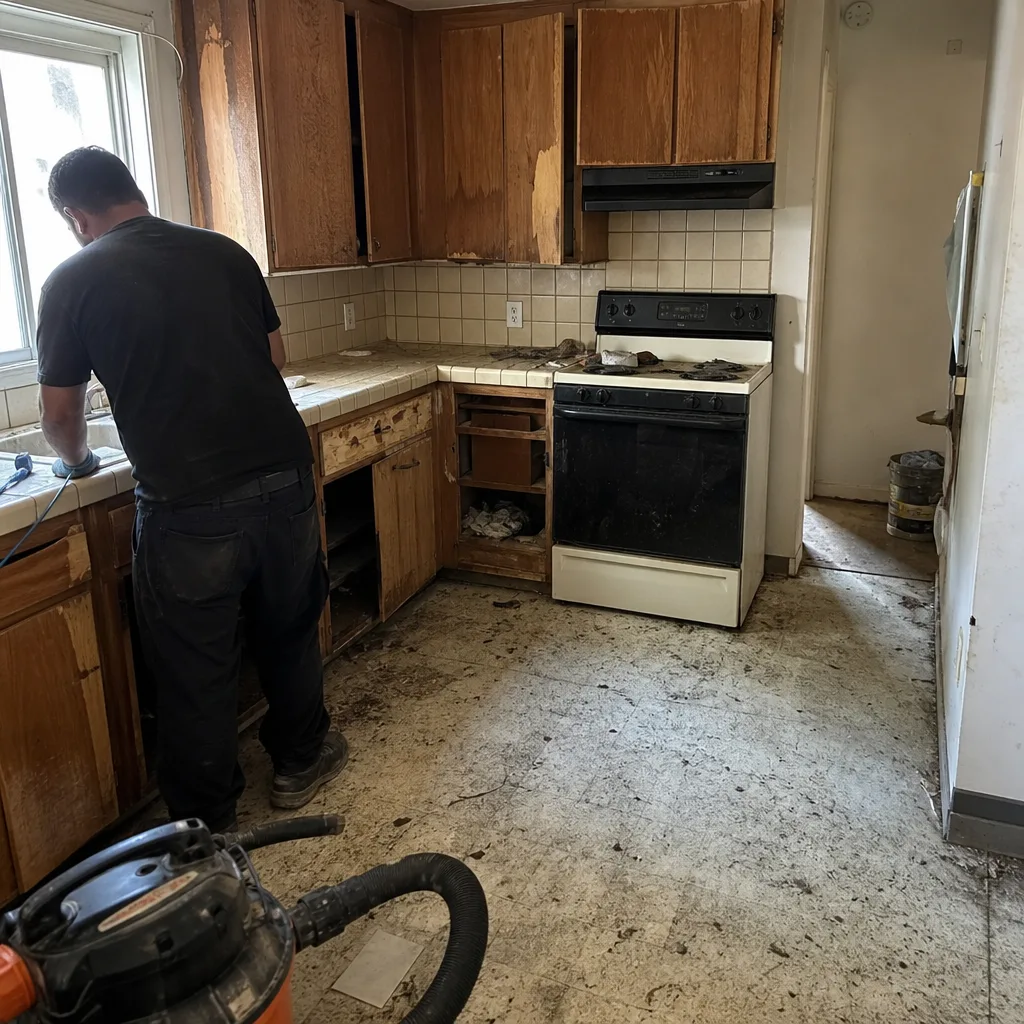 Before
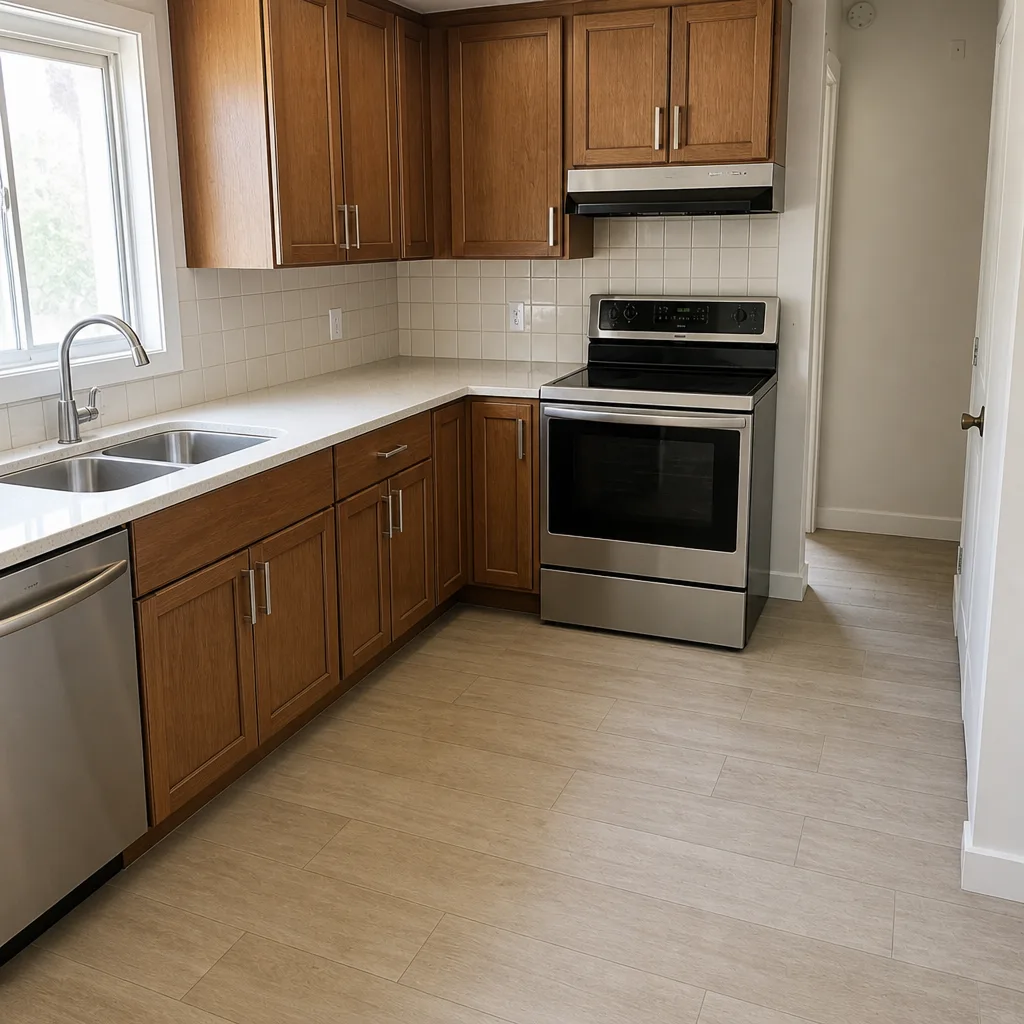 After
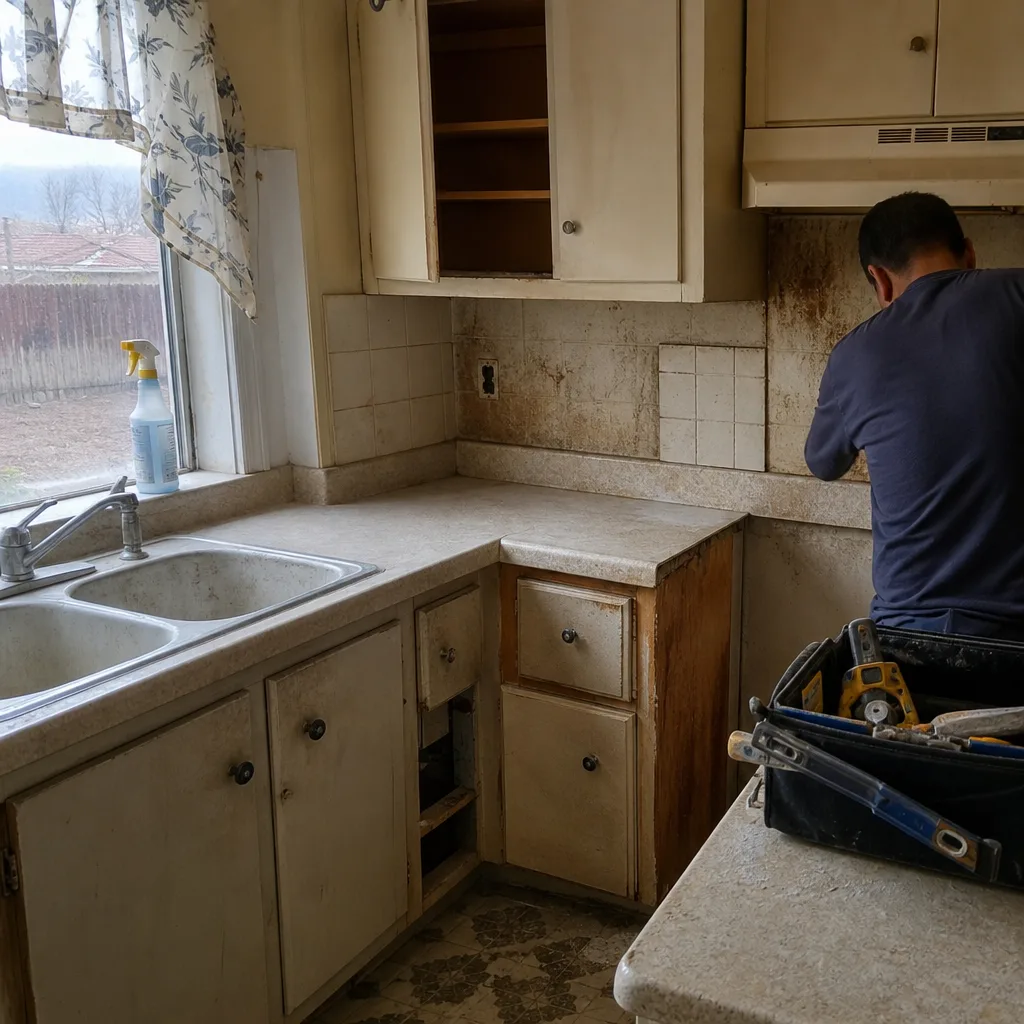 Before
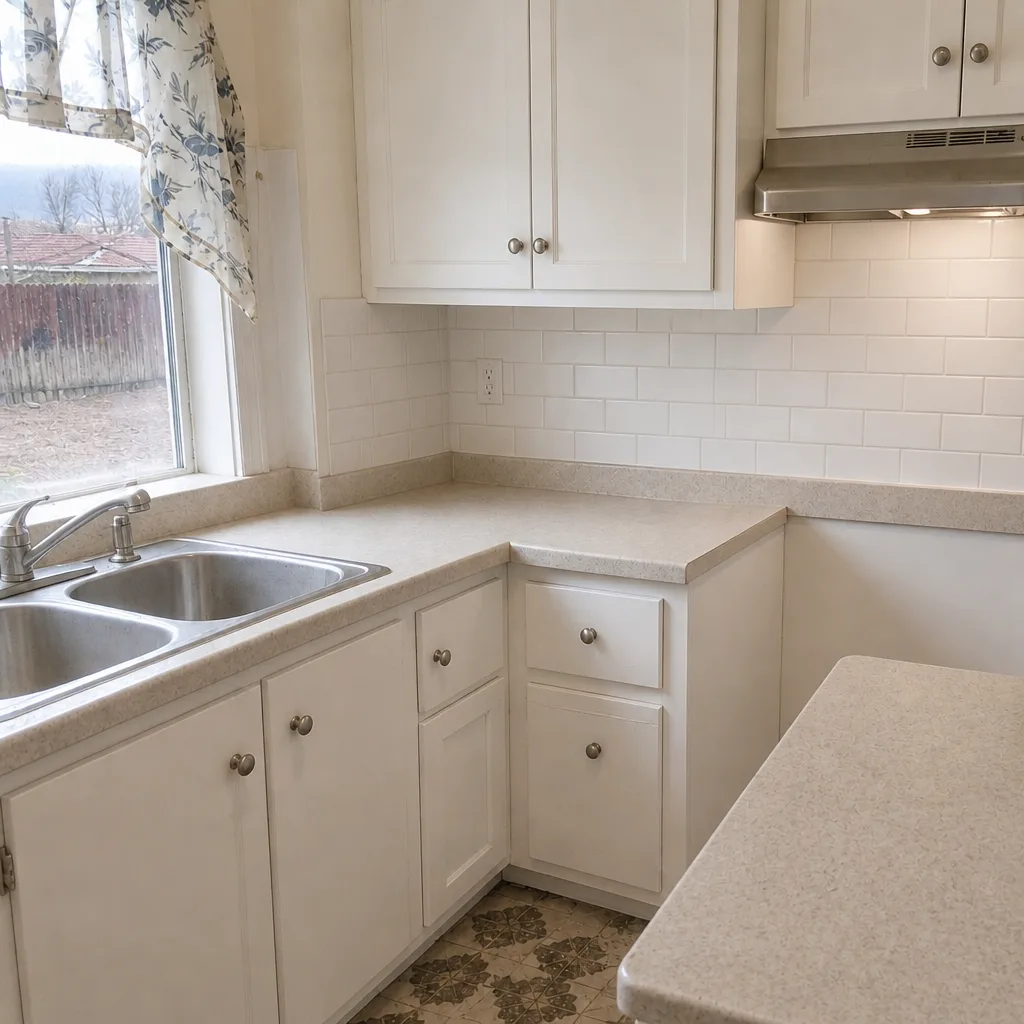 After
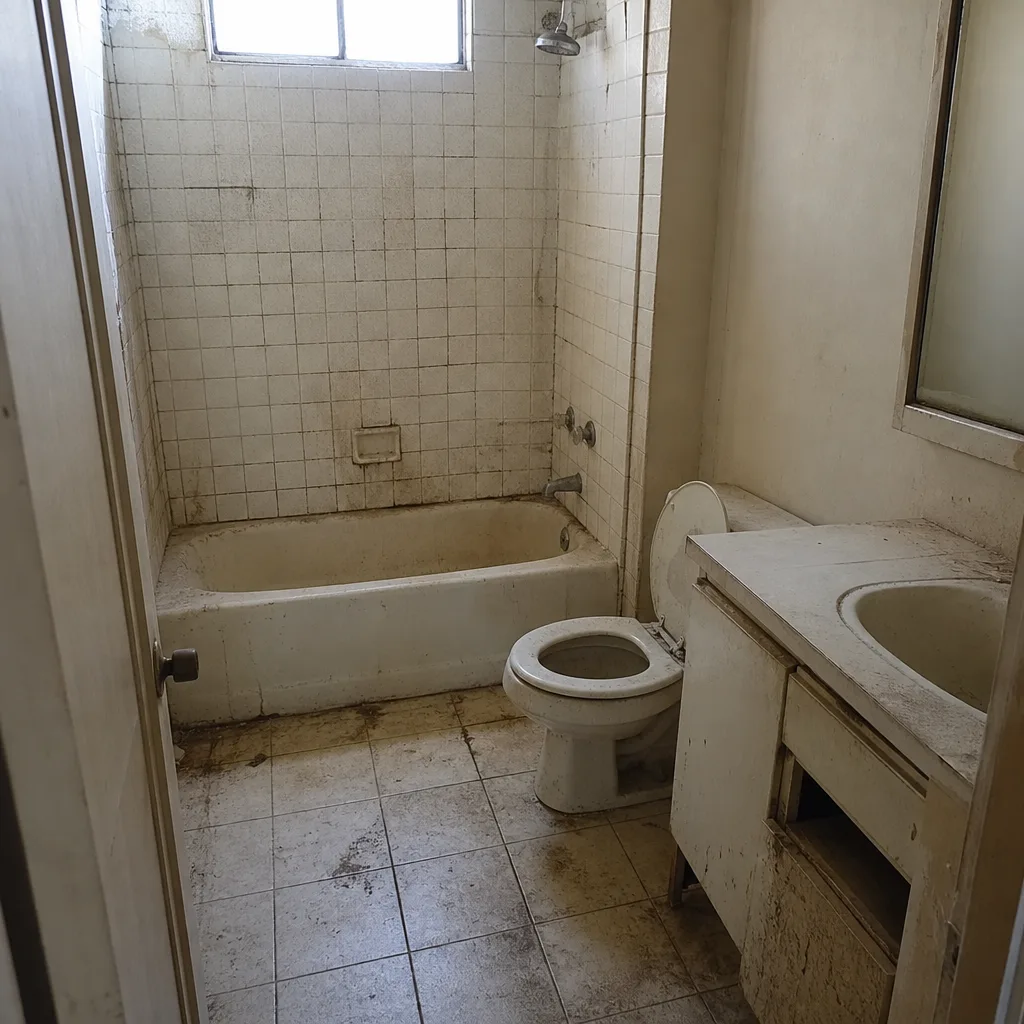 Before
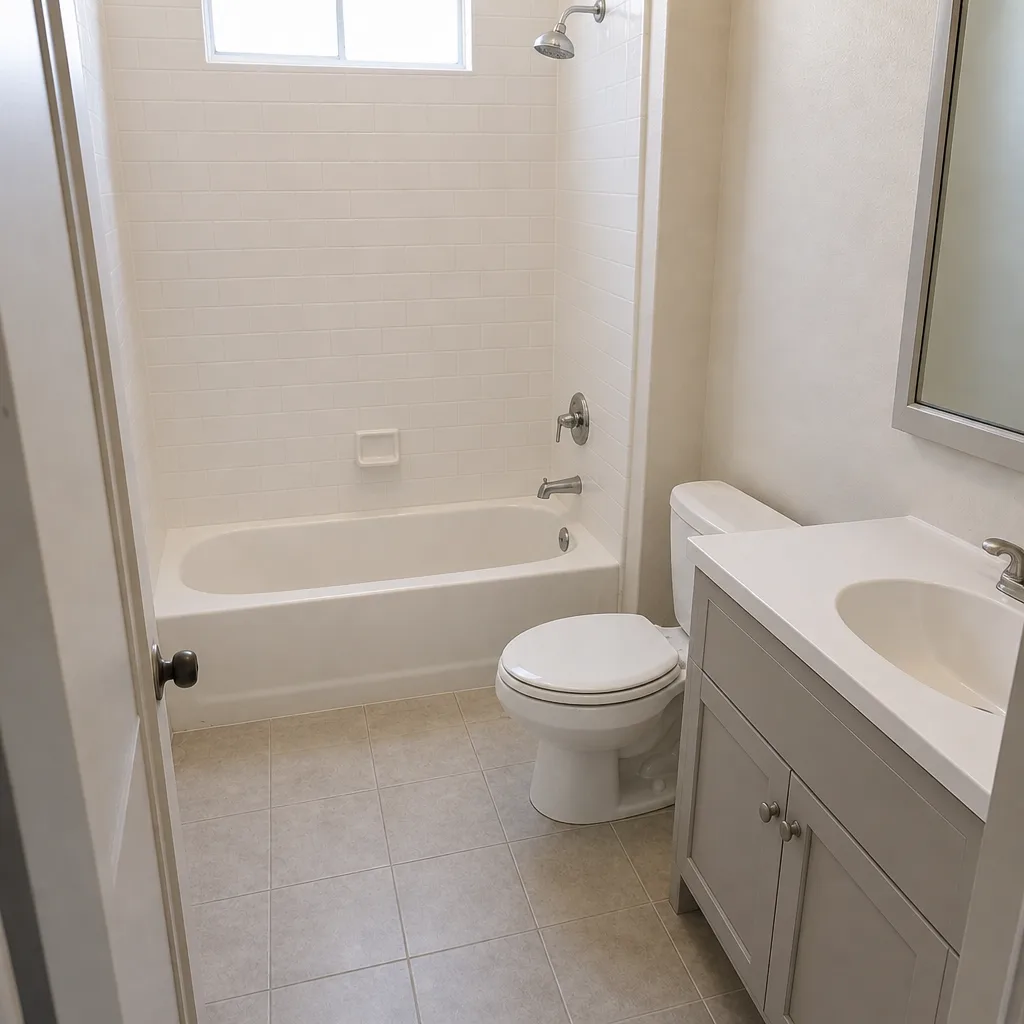 After
When to Call a Professional
Call a professional when you’re replacing multiple openings, when the existing window or door leaks or sticks, when you’re widening an opening or converting a window to a door, when the frame shows rot or water damage, or when you’re not sure whether the product on the showroom floor actually meets Palmdale’s Climate Zone 9. Header assessment work is not a homeowner task – it involves roof load calculation and structural design. Our technicians have up to 19 years of experience with Antelope Valley installs, and we put the written price in front of you before anyone picks up a tool. Rowan Construction Group Palmdale offers free estimates in Palmdale – call (844) 320-8244.
Frequently Asked Questions
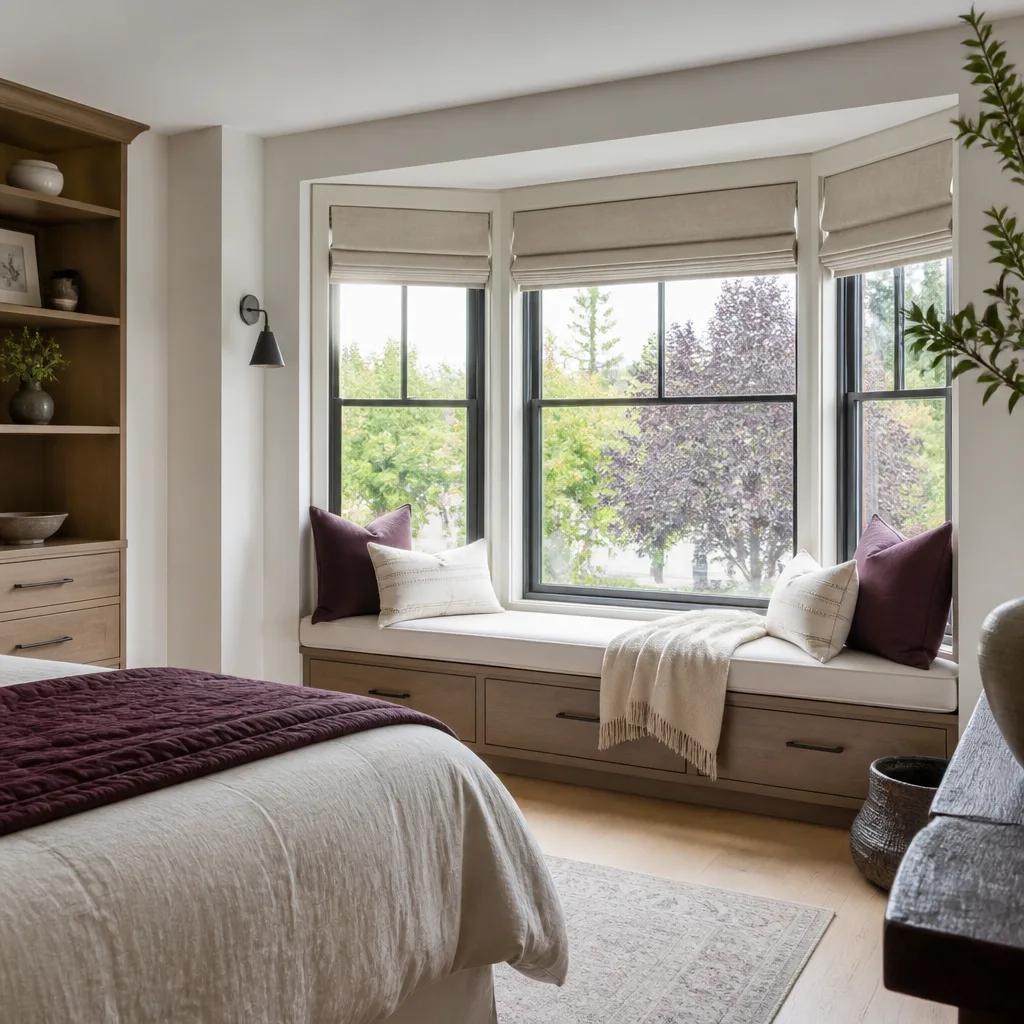
Palmdale is Climate Zone 9 under California’s Title 24, and the target for most residential replacement windows is a whole-window U-factor of 0.30 or lower. SHGC should land around 0.25 or below to keep summer solar gain in check. Ask to see the manufacturer’s whole-unit label, not just the glass spec – the frame and spacer count in the number. Call (844) 320-8244 for help matching a specific product line to Palmdale’s spec.
Yes. The City of Palmdale requires a permit for replacement windows and doors, including like-for-like swaps. A structural header assessment is only required when the opening changes size or the header is being altered. The permit covers the code compliance check on U-factor, SHGC, and egress requirements, and the inspection verifies the install.
Expect $1,200 – $3,500 installed for a standard 6-foot class sliding patio door. The low end is a basic vinyl slider with standard glass; the high end is a Milgard Trinsic or Pella 250 fiberglass unit with tempered Low-E glass and a multi-point lock. Permit fees and inspection are typically included in a proper written quote. Call (844) 320-8244 for an exact number on your opening.
Fiberglass is the best pick for most Palmdale entry doors. It holds an R-value of roughly 6 – 8 with a foam core, expands and contracts less than wood, and holds its finish through the desert sun. Steel is a reasonable second choice at R-value 5 – 6 but dents and rusts where the coating breaks. Solid wood sounds nice but warps and needs refinishing every few years in this climate.
Yes, if you buy on the air infiltration rating. A window rated at 0.3 cfm per square foot or lower lets far less wind-driven dust past the seals than a builder-grade line rated at 0.5 or higher. Compressible bulb weatherstrip and silicone glazing seals last longer than thin leaf-style gaskets and EPDM. Ask for the NAFS rating on air infiltration before you buy.
On a Rowan job, no – the written price you agree to is the price, and any change requires a signed change order before work continues. That’s Clause 1 of the Haven Standard, and it’s why we’ve kept projects within a few percent of the agreed cost across 4,000-plus jobs. The 365-Day Done Right Promise stands behind the finished install. Call (844) 320-8244 for a written quote.
The Bottom Line
Palmdale’s climate does the picking for you. Title 24 Climate Zone 9 sets the U-factor ceiling at roughly 0.30 and SHGC around 0.25, which eliminates about 40% of what’s sold nationally as “energy efficient.” The dust and wind add a second filter: a low air infiltration rating matters as much as the energy label. Fiberglass beats wood for entry doors in the thermal swing. Milgard, Andersen, Marvin, and Pella all have lines that clear the spec without an expensive upgrade – the trick is knowing which ones. A City of Palmdale permit is required on every replacement, and a header assessment only comes up when the opening changes. Cost ranges run $400 – $900 per standard double-hung, $1,200 – $3,500 for a slider, and $1,500 – $5,000 for an entry door system. Get a written per-opening price, not a verbal range, before anyone picks up a tool.
If window and door work is part of a larger project, our guides to Rowan Construction Group Palmdale home services, Driveway & Pavers in Palmdale, Fence Installation in Palmdale, and Home Additions & ADU in Palmdale cover how the trades fit together.
Get a Written Window & Door Quote in Palmdale
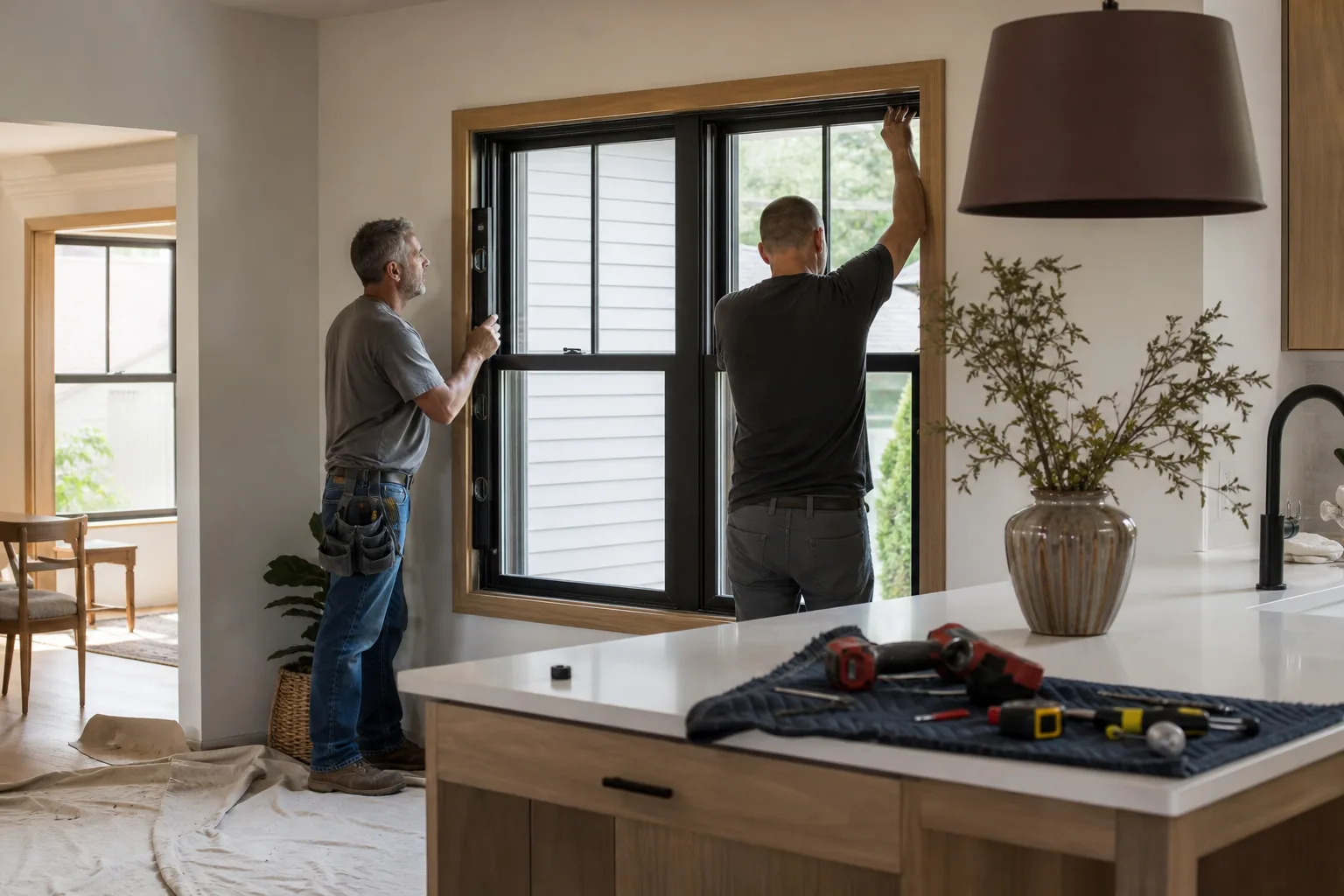
Every project starts with a written price and a written scope before anyone picks up a tool – that’s the whole point of how Rowan Construction Group works. Bring a competitor’s quote and we’ll review it line by line at no charge as a Free Second Opinion, or start fresh and we’ll show you two product lines that meet Palmdale’s Climate Zone 9 spec and the installed per-opening number for each. Our technicians have up to 19 years of experience with Antelope Valley installs, the crews are background-checked and uniformed, and every visit includes a documented photo record as a standard deliverable, not an upgrade. Call (844) 320-8244 to schedule your free estimate.
Written by the team at Rowan Construction Group Palmdale.