Last updated November 18, 2026
Free written scope consultation - allowances, timeline, and change-order rules on paper before a single trade is scheduled
DIY vs Professional Fence Installation: What’s Safe to Do Yourself
A rented two-man post-hole auger costs about $180 a day around Palmdale. It will spin all afternoon against caliche and never reach the depth you need. The pneumatic rock bar that actually breaks through costs upward of $400 a day to rent, and it takes two people who know how to run it without hurting themselves. By the time you’ve paid for the tool, you’ve eaten most of the gap between doing it yourself and hiring a crew. This guide walks through where that line falls on your lot, what a homeowner can reliably handle, and what genuinely needs a pro. Palmdale soil makes the answer more specific than most fence advice admits.
Quick Answer
On sandy or loam soil, a careful homeowner can install a fence with rented tools and a free weekend. On Palmdale’s caliche-heavy lots, post excavation and footing work usually cost more in rentals, time, and failed attempts than hiring a professional for that phase – while panel installation, gate hardware, caps, and staining stay well within DIY reach. Test your soil before you buy anything; that single ten-minute check decides the whole project.
Styles & brands we work with
- Kitchen remodeling
- Bathroom remodeling
- Home additions & ADU
- Roofing
- Windows & doors
- Driveway & pavers
- Fence
Table of Contents
- Test Your Soil First: The Ten-Minute Rebar Probe
- What You Can Reliably Do Yourself on a Prepared Site
- What Reliably Fails Without Pro Equipment or Experience
- The Permit Question in LA County
- The Hybrid Contract: Pay for Posts, Build the Rest
- DIY vs Professional: A Line-by-Line Cost Comparison
- Choosing Materials That Survive Palmdale Heat and Wind
- Common Mistakes to Avoid
Test Your Soil First: The Ten-Minute Rebar Probe
Before you price a single panel, find out what’s under your yard. Caliche is a naturally cemented layer of calcium carbonate that forms in arid climates, and it hardens like low-grade concrete. Palmdale sits squarely in caliche country, especially on the west side and in older tracts where the soil was graded decades ago. The rebar probe tells you in minutes whether you have a DIY project or a machine project.
Here’s the method:
- Cut a 4-foot length of #4 rebar (about $4 at any hardware store).
- Choose three spots along where your fence line will run – a corner, a midpoint, and the lowest point of the grade.
- Push the rebar straight down with steady body weight. Do not hammer it.
- If it sinks 24 to 30 inches with moderate resistance, you have diggable soil. Good news.
- If it stops hard at 6 to 12 inches and won’t budge, you’ve hit caliche. That changes everything.
On a caliche lot in Palmdale, standard clamshell diggers and manual augers stall out. Rotary hammer drills with a chipping bit or a pneumatic rock bar are what break it. That’s a different rental category, a different safety profile, and a different day rate. Knowing which lot you have before you buy materials is the single most valuable step in this guide.
What You Can Reliably Do Yourself on a Prepared Site
Once posts are set in concrete and cured – whether you set them or someone else did – the rest of a fence is genuinely homeowner territory. We’ve watched confident DIYers in Palmdale turn out clean, level runs when they started from good posts. Here’s what’s realistic, with time estimates per 50 linear feet of 6-foot privacy fence.
- Panel installation: Hanging pickets or dropping in pre-assembled panels. 4 to 6 hours for two people per 50 feet, including spacing and fastening. Tools: cordless drill, level, string line, speed square.
- Gate hardware: Hinges, latches, and self-closing springs. 1 to 2 hours. Buy the heavier hinge set rated for your gate width; the cheap ones sag.
- Post caps and trim: Decorative caps, top rails, and lattice toppers. 2 to 3 hours per 50 feet.
- Finish staining or sealing: 4 to 6 hours per 50 feet for a two-coat application, plus drying time. Use a sprayer and back-brush for speed.
Tool rentals for the panel phase run modest. A cordless drill you may already own. A 4-foot spirit level is about $30 to buy. A string line and stakes are under $15. Total tool spend for the finish-work phase typically lands between $50 and $150, most of it reusable. Compare that to a full contractor finish package and the savings are real on a prepared site.
The climate matters here too. Palmdale’s summer heat and dry wind warp green lumber fast, so panels should go up within a week of delivery and be sealed before the first Santa Ana wind event of the fall. We’ve seen unfinished pine pickets in the Antelope Valley cup and split inside one season.
What Reliably Fails Without Pro Equipment or Experience
Three tasks sink DIY fence projects more than any others. All three are invisible on day one and obvious within a season.
Post layout on a non-square lot. Very few Palmdale properties are perfect rectangles. A fence line that runs parallel to the house on one side and drifts on the other looks fine until you stand at the corner. Pros pull diagonal measurements and use a 3-4-5 triangle to square each corner. A homeowner eyeballing it usually ends up with a visible taper on the last run.
Concrete footing depth in caliche. A 6-foot fence needs posts set 24 to 36 inches deep, below the frost line equivalent for wind load in the Antelope Valley. On caliche, reaching that depth means mechanical breaking, not shovel work. Short footings are the number one cause of fence failure in high-wind zones – and Palmdale gets gusts that fold shallow-set fences like paper.
Gate post alignment. A gate post set even 1/8 inch out of plumb will drag a gate within one season. The post sinks slightly, the gate sags, the latch stops catching. Fixing it means pulling the post and re-pouring – a two-day job you didn’t plan. Pros set gate posts in wider footings (10 to 12 inch diameter instead of 8) and brace them through the cure. That detail is why contractor-built gates stay true for years and DIY gates drift.
The Permit Question in LA County
Los Angeles County requires a permit for fences over 3.5 feet in the front yard and over 6 feet elsewhere, and for any fence within specific sight-distance triangles at corners and driveways. Palmdale properties fall under county or city jurisdiction depending on location, so confirm which applies before you dig. Skipping the permit is the most expensive shortcut in this entire guide.
What the inspection covers:
- Height compliance measured from finished grade
- Setback from property lines (typically 6 inches inside the line unless you have a recorded easement)
- Post depth and footing visible before backfill
- Sight-distance clearance at street corners and driveways
- Front-yard fence material and opacity if the fence exceeds 3.5 feet
DIY permits are available in most jurisdictions – a homeowner can pull an owner-builder permit for their own residence. But the inspection schedule runs on the county’s clock, and a failed inspection on footing depth means tearing out concrete. That’s the exact scenario where doing it yourself with a pro’s guidance on the permit phase saves real money, and doing it blind costs a fortune.
The Hybrid Contract: Pay for Posts, Build the Rest
This is the option most fence guides ignore, and it’s often the smartest one for a Palmdale homeowner. You hire a contractor for excavation and post-setting only – the part that needs caliche-capable equipment and experienced hands – then finish panels, gates, caps, and stain yourself.
What that portion typically costs, quoted separately as a phase:
- Post layout and excavation on caliche: $35 to $60 per post, higher on heavy rock
- Footing pour and post-setting with proper depth and bracing: $25 to $40 per post
- Gate post reinforcement and bracing: $150 to $300 per gate
For a 50-foot run at 8-foot spacing – about 7 posts – that phase lands near $450 to $750. That’s less than the rock bar rental plus your weekend, and the posts will be right. Many fence contractors will quote this phase, though some won’t; ask before you assume.
The liability split matters. Once the contractor finishes their phase and hands off, the workmanship warranty covers only what they did. Panel alignment, gate sag, and finish failures become yours. Get the handoff documented in writing with photos of the post depth and bracing – which is exactly the kind of record we include as standard on every visit at Fence Installation in Palmdale. If you’re also planning groundwork nearby, coordinate with our Driveway & Pavers in Palmdale team so the two phases share one excavation day.
DIY vs Professional: A Line-by-Line Cost Comparison
Numbers make the decision clearer than any argument. Here’s a realistic comparison for 100 linear feet of 6-foot cedar privacy fence on a Palmdale lot with moderate caliche, 13 posts, one gate.
- Materials (panels, posts, rails, concrete, hardware): $2,400 to $3,200 either way
- DIY caliche-capable rental (rock bar or rotary hammer, 2 days): $500 to $800
- DIY general rentals (mixer, auger, levels): $150 to $250
- DIY permit and inspection time: $100 to $250, plus a half-day
- DIY labor (your weekend): 30 to 40 hours across two weekends
- Professional excavation and post phase: $800 to $1,400
- Professional full installation (posts, panels, gate, cleanup): $3,800 to $5,500
Run the math on the hybrid: materials plus post phase plus your own finish labor lands around $3,300 to $4,600, and you save the caliche headache. Full DIY on caliche often hits $3,300 to $4,500 once rentals and the inevitable re-do are counted – with no warranty and a higher risk of a failed inspection. The gap between DIY and full professional collapses on a caliche lot. On a sandy lot with no permit complication, DIY wins by a wider margin. Test first, then decide.
Choosing Materials That Survive Palmdale Heat and Wind
Material choice swings the DIY calculus as much as soil does. Antelope Valley summers push 105°F and the dry wind accelerates wood movement, so species and treatment matter.
Cedar handles the climate better than pine and resists warping. Pressure-treated pine is cheaper and fine for posts, but pickets in treated pine will cup faster under Palmdale sun. Composite and vinyl hold up well against heat and require almost no finish work – but composite panels are heavier and harder to cut, which tilts the labor balance back toward a pro. For fencing, brand familiarity on hardware and fasteners matters more than the panel maker; stick with galvanized or stainless fasteners rated for exterior use, because plain steel rusts through in two seasons here. When we quote a fence, the written scope names the species, the fastener grade, and the footing depth so the number means something – the same discipline we apply across Rowan Construction Group Palmdale home services, whether that’s a fence or a full Home Additions & ADU in Palmdale build.
Common Mistakes to Avoid
- Buying materials before the soil test. A homeowner who orders panels and then discovers caliche has spent money they can’t recover and faces a stalled project. Probe first.
- Setting posts without bracing the cure. Concrete takes 48 to 72 hours to reach working strength, and Palmdale’s afternoon wind will push a fresh post off plumb if it isn’t braced. Brace every gate post twice.
- Trusting a manual auger on caliche. It will not work. Rent the right tool or hire the post phase, but don’t burn a day proving it.
- Skipping the permit to save time. A failed inspection can require tearing out concrete footings. Palmdale and LA County both enforce it, and neighbors report.
- Ignoring sight-distance rules at the driveway. A fence that blocks a driver’s view at the corner fails inspection and creates a real hazard. Keep front corner fences below 3.5 feet with clear panels.
- Unsealed wood in direct sun. Palmdale’s UV load will gray and crack bare cedar inside one season. Seal within two weeks of install.
- Setting gate posts at 8-inch diameter. Gate posts need 10 to 12 inches and an extra bag of concrete each. Undersized gate posts sag; that’s the whole story.
See the difference
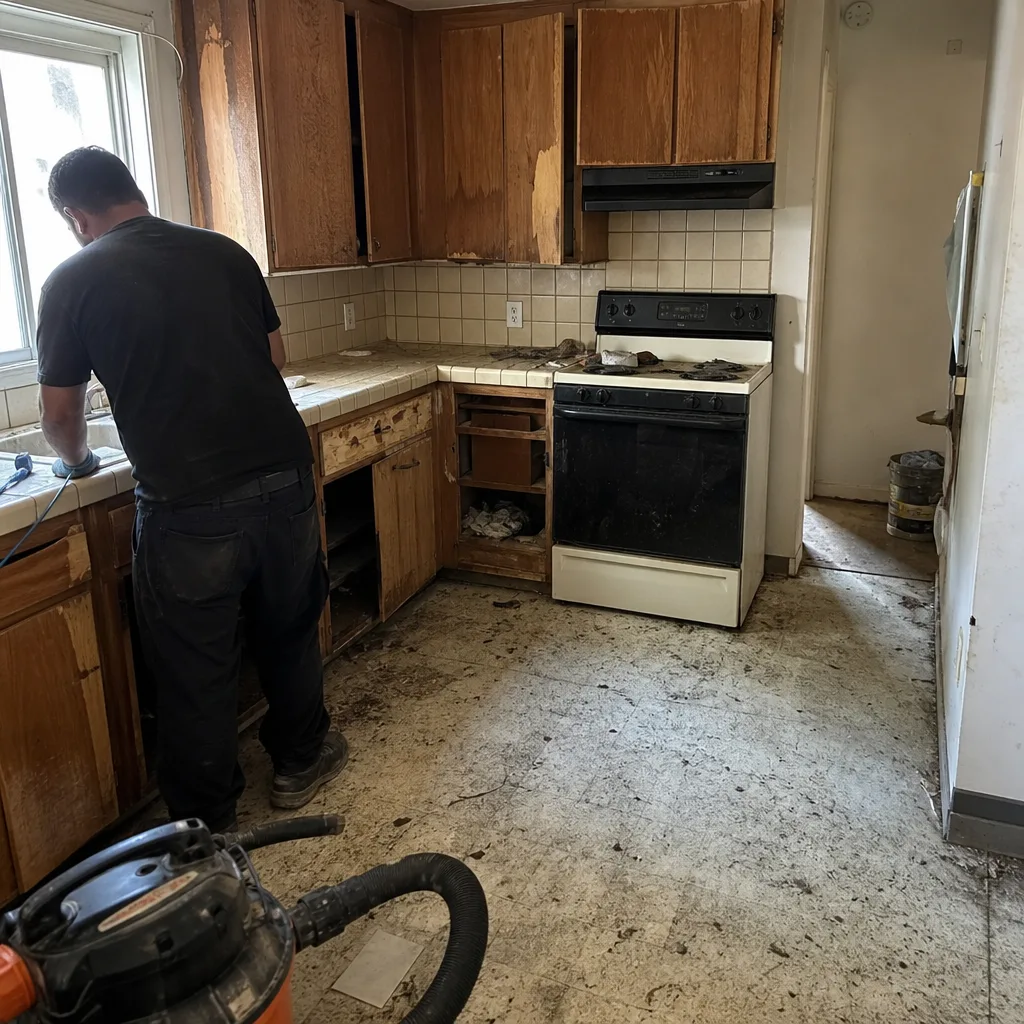 Before
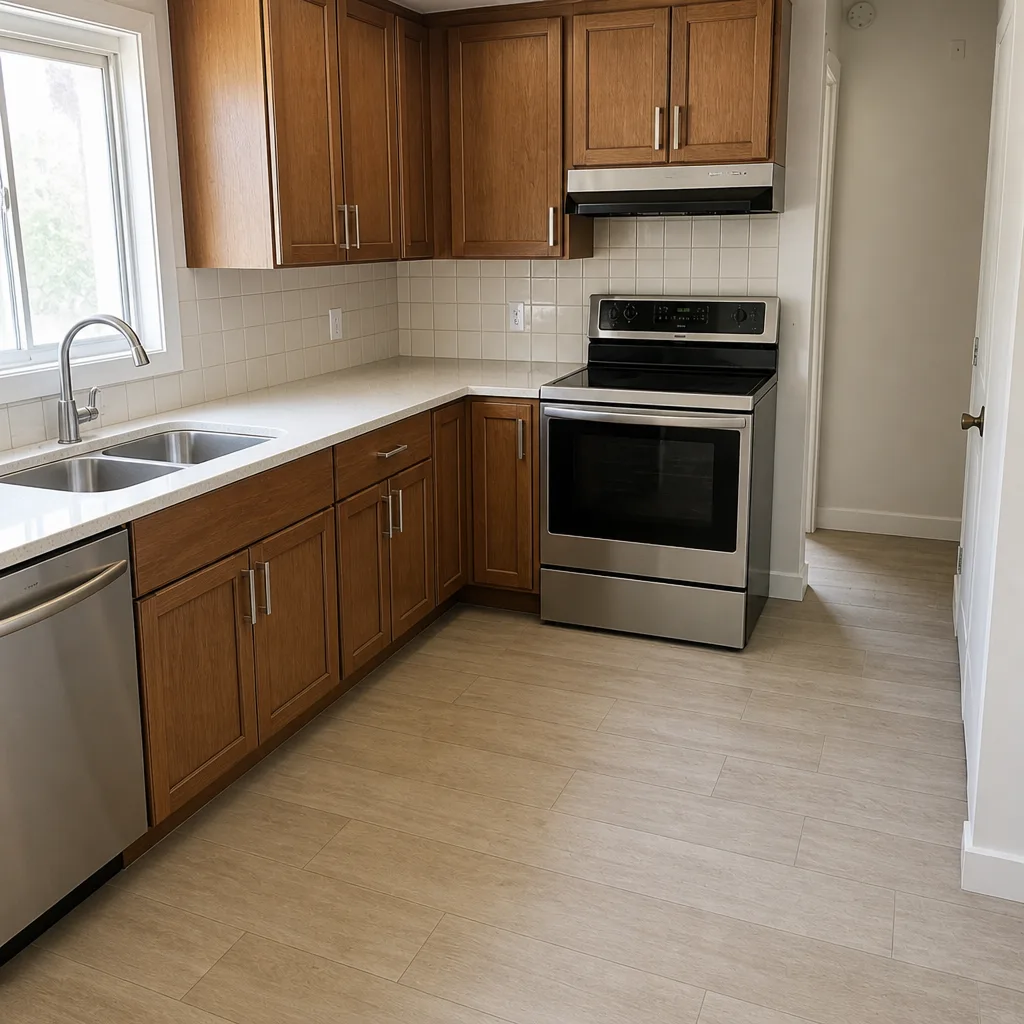 After
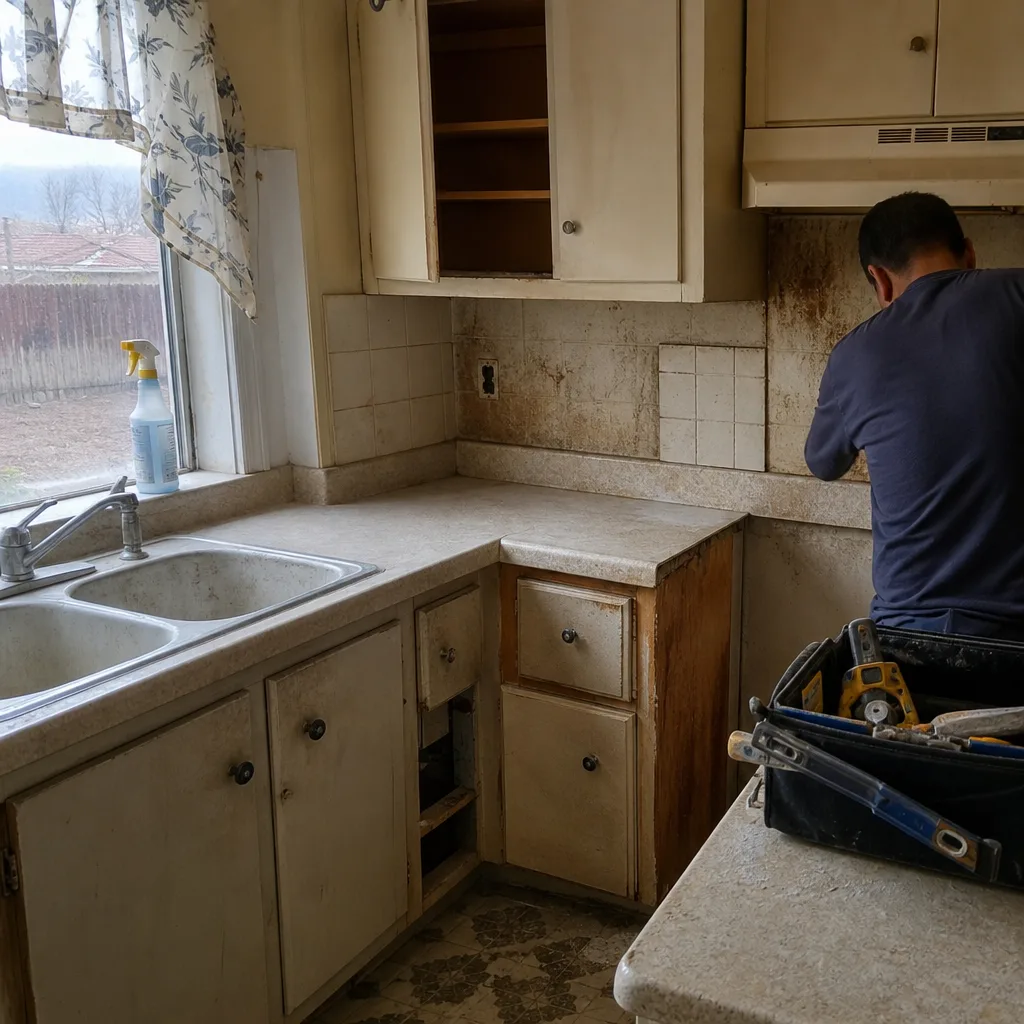 Before
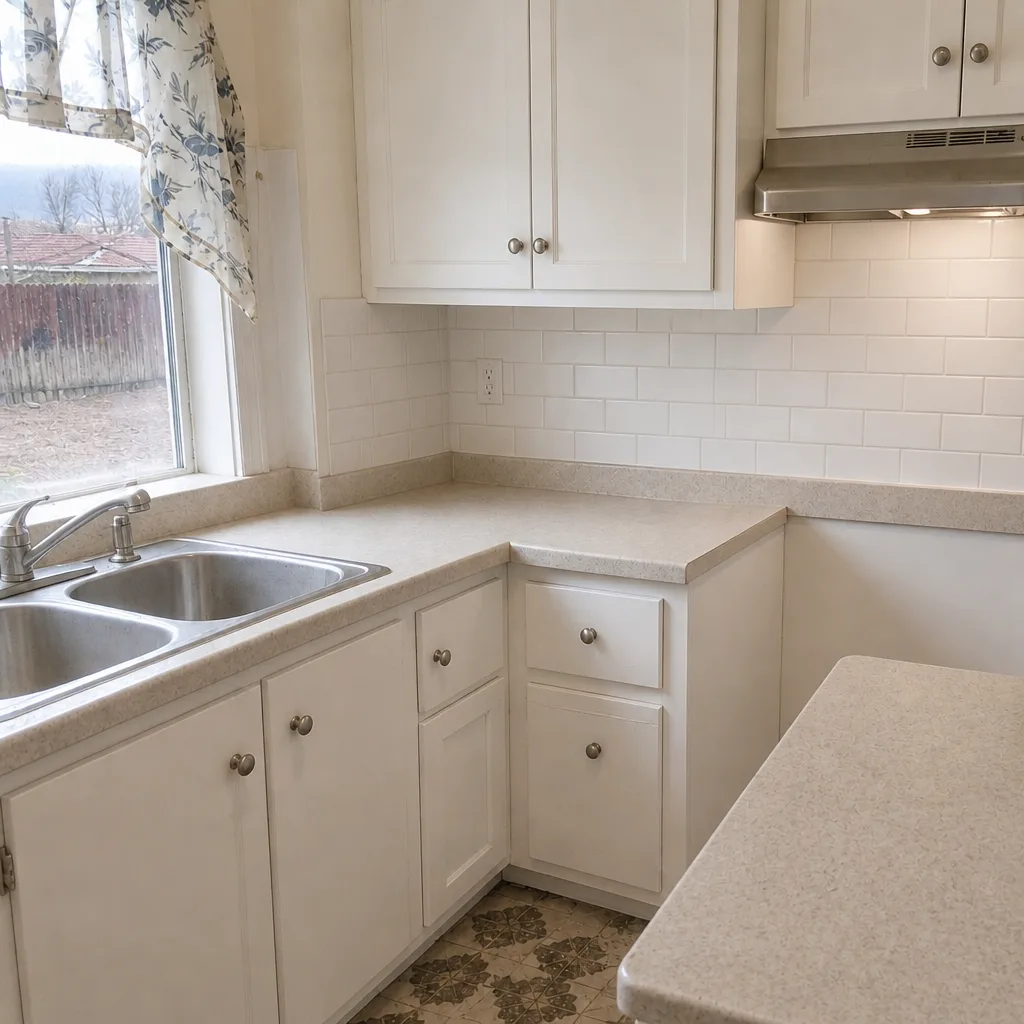 After
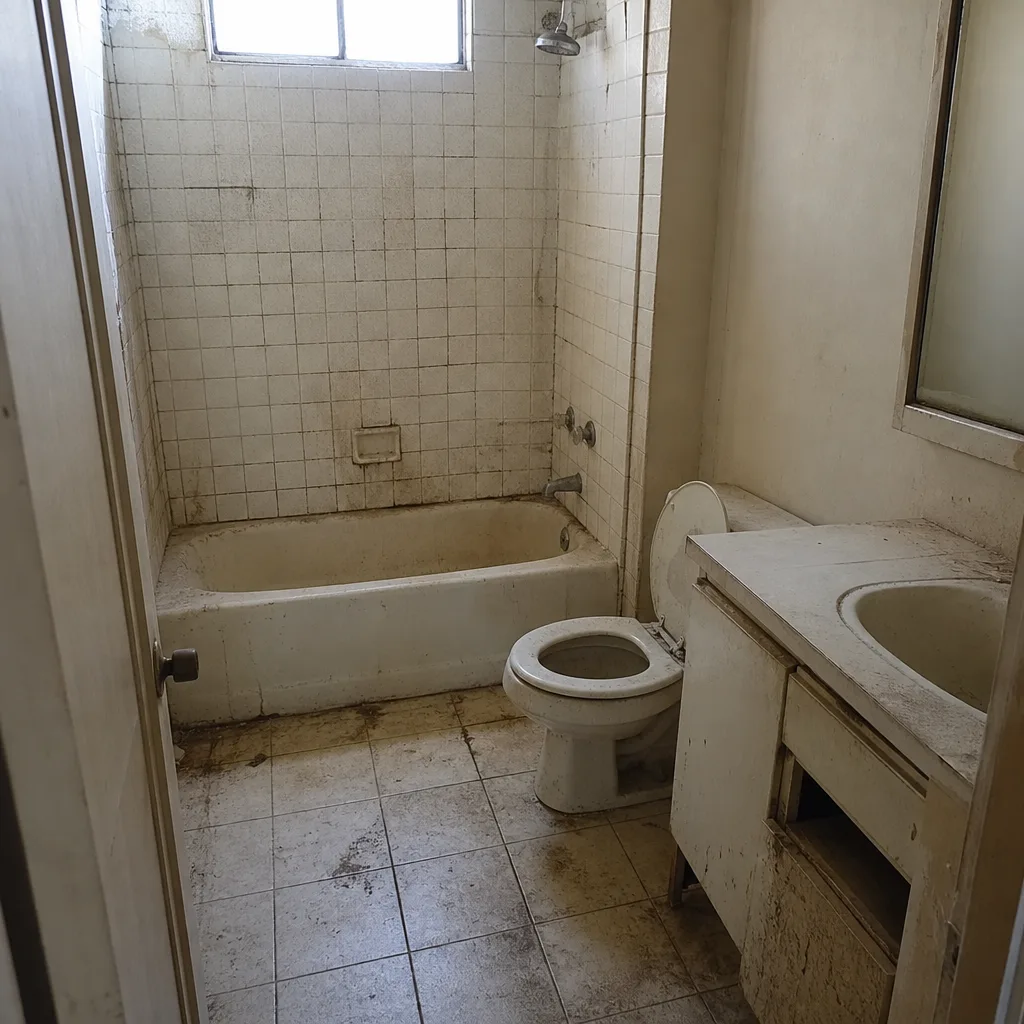 Before
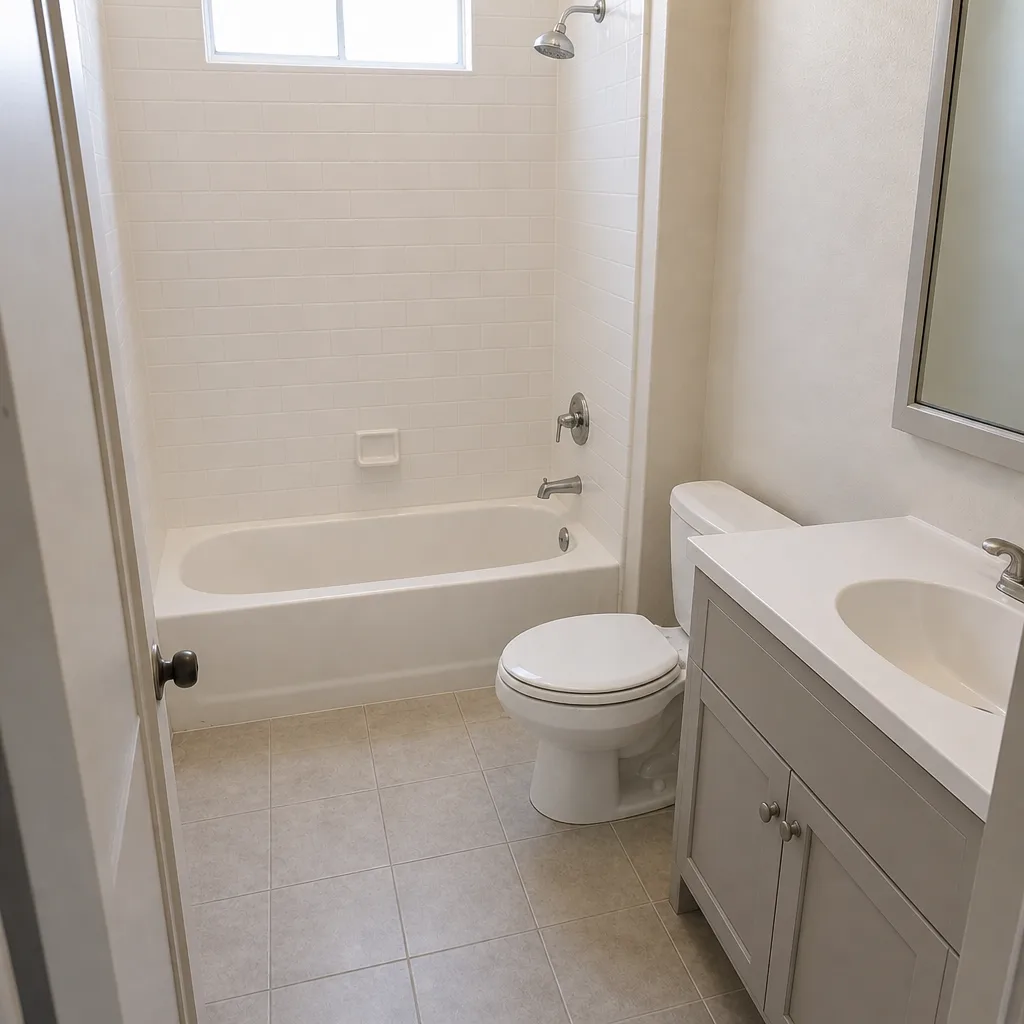 After
When to Call a Professional
Call a pro when your rebar probe hits caliche within post-depth range, when your lot runs non-square and the fence line needs to be pulled from diagonals, or when you need a gate that will stay true past one season. Call a pro when the permit process involves a jurisdiction you haven’t dealt with, or when a failed inspection would cost more in time than the labor you’d save. And call a pro if the fence runs along a pool, a retaining wall, or a property line dispute – those need documentation more than muscle. Rowan Construction Group Palmdale offers free estimates in Palmdale – call (844) 320-8244. Every quote is a written flat price with a written scope before any work starts, and we’ll review any written estimate you’ve already received line by line at no charge.
Frequently Asked Questions
Yes, on soil you’ve verified is diggable. Test with a rebar probe to 24 to 30 inches; if it sinks with moderate resistance, the post work is achievable with rented tools. If it stops at caliche, the excavation phase is better hired. Panel installation, gates, caps, and staining are reliable DIY work on either lot once the posts are set.
Full professional installation of a 6-foot cedar privacy fence in Palmdale typically runs $3,800 to $5,500 per 100 linear feet, depending on post count, gate configuration, and caliche severity. Materials alone run $2,400 to $3,200. On caliche lots, DIY often ends near those professional numbers once rentals and re-dos are counted. Call (844) 320-8244 for a written line-item quote on your specific lot – estimates are free.
Usually yes, if the fence is over 3.5 feet in the front yard or over 6 feet elsewhere, and always along sight-distance triangles at corners and driveways. Confirm whether Palmdale city or LA County jurisdiction applies to your address. The inspection checks height, setback, footing depth before backfill, and sight clearance. A written scope from a contractor should name the permit as part of the job.
The hybrid route is usually cheapest on caliche: hire a contractor for excavation and post-setting only, then complete panels, gates, and stain yourself. That post phase runs $450 to $750 for a 50-foot run at 8-foot spacing, versus $500 to $800 in rock-bar rentals alone for full DIY – and the posts will be plumb and warrantied. Call (844) 320-8244 to price that phase on its own.
Not on a project priced the way ours is. Every project gets a flat written price and written scope before work begins, and no change proceeds without your signed change order. If the crew finds heavier caliche than the probe showed, that change is quoted and signed before anyone picks up a tool. That discipline is why our projects finish within a few percent of the agreed cost. Call (844) 320-8244 to schedule your free estimate.
A professional crew runs 100 linear feet of 6-foot privacy fence in one to three days on a caliche lot, depending on rock severity and whether the panels are pre-assembled. Full DIY on the same lot takes two to three weekends for an experienced homeowner, often longer with cure time between post-setting and panel-hanging. Call (844) 320-8244 for a written timeline on your property – estimates are free.
The Bottom Line
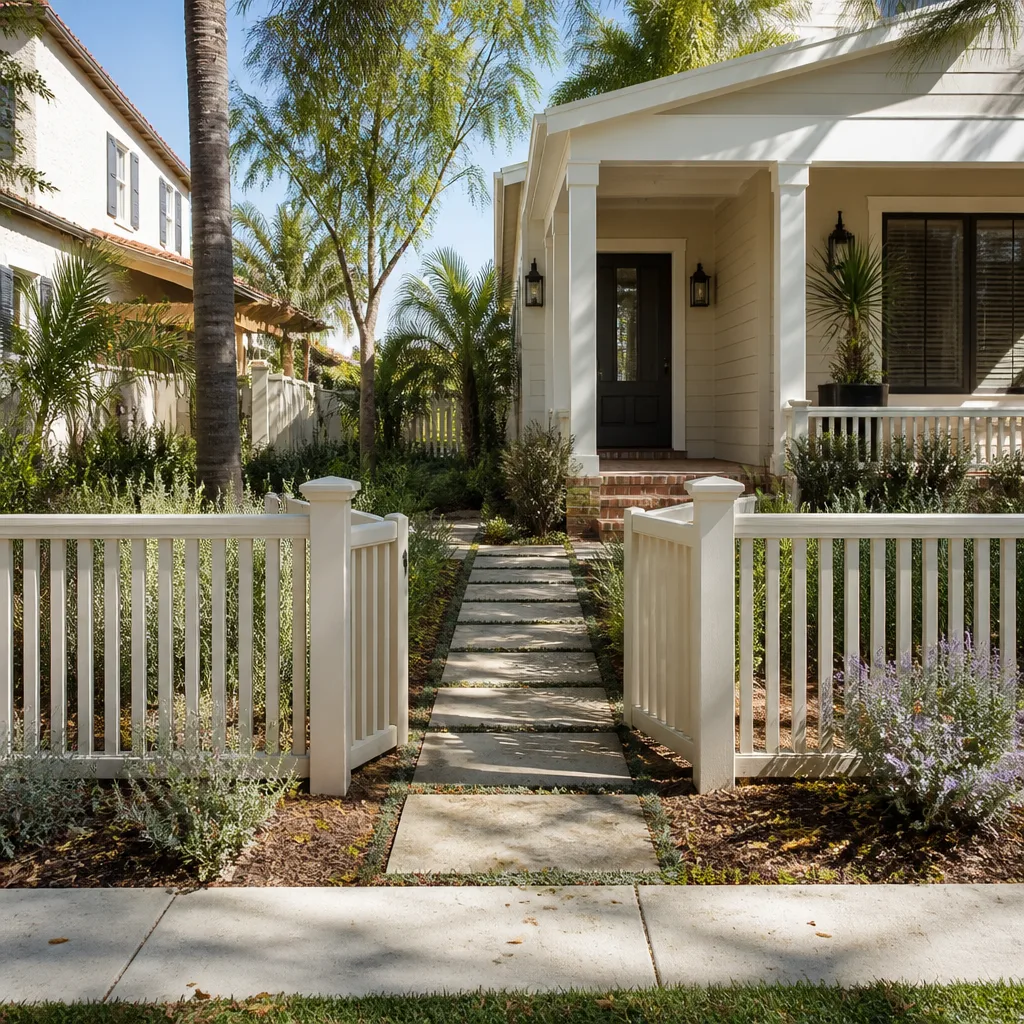
The DIY viability of fence installation in Palmdale splits on one thing: what your rebar probe finds. Diggable soil makes panel work, gates, caps, and stain a real homeowner project with a real savings margin. Caliche collapses that margin once you factor in rock-bar rentals, failed footings, and inspection risk. Test first, then decide whether to build the whole fence yourself or hire just the post phase and finish the rest. Either way, get a written scope and footing depth before a shingle of it goes in – the details you document up front are what keep the fence standing through a Palmdale wind season.
To schedule your free estimate, call Rowan Construction Group Palmdale at (844) 320-8244. We’ll bring a written price before any work starts, a documented photo record of the site, and a free second-opinion review of any written estimate you’ve already received.
Written by the team at Rowan Construction Group Palmdale.