Last updated November 18, 2026
Free written scope consultation - allowances, timeline, and change-order rules on paper before a single trade is scheduled
DIY vs Professional Home Additions & ADU: What’s Safe to Do Yourself
Here’s the clause most Palmdale homeowners never read before they pick up a hammer: under California’s owner-builder rules, you can pull your own permit for work on your primary residence, but an ADU built under that owner-builder permit cannot be rented for five years. That single line in the statute eliminates the financial case for DIY on nearly every income-producing ADU project. What’s left is a narrower question: which tasks actually save money without creating permit liability, inspection risk, or an insurance gap. This guide draws that line by task, not by ambition. We’ll cover what California law allows you to do yourself in Palmdale, what requires a licensed trade contractor, what an inspector can legally make you tear open, and where real labor savings live.
Quick Answer
In California, you can legally do finish carpentry, painting, landscaping, and some flooring yourself on an owner-permitted project. Electrical panel work, gas line work, and HVAC refrigerant handling require a licensed trade contractor by state law. The bigger risk isn’t skill, it’s liability: a DIY structural or MEP error discovered during inspection can trigger destructive investigation, demolition, an insurance claim denial, and on an ADU, a five-year rental prohibition under the owner-builder affidavit.
Styles & brands we work with
- Kitchen remodeling
- Bathroom remodeling
- Home additions & ADU
- Roofing
- Windows & doors
- Driveway & pavers
- Fence
Table of Contents
- The California Owner-Builder Affidavit: What It Actually Says
- What’s Legally DIY-Eligible in Palmdale
- Work That Requires a Licensed Trade Contractor in California
- The Inspection Consequence: Destructive Investigation
- Where DIY Actually Saves Money Without Legal Risk
- The Insurance Gap Most Homeowners Miss
- Palmdale Climate and Why It Changes the DIY Calculus
- A Decision Framework: Task-by-Task
The California Owner-Builder Affidavit: What It Actually Says
California Business and Professions Code Section 7044 governs owner-builder permits, and the affidavit you sign to get one is not a formality. It carries two restrictions that matter for an ADU specifically. First, the structure must be for your own use and occupancy. Second, and this is the one that catches people, the property cannot be offered for sale for one year and an ADU built under the owner-builder exemption cannot be rented for five years from the date of completion.
Why does that matter financially? Because the standard justification for building an ADU in Palmdale is rental income. A detached ADU in the Antelope Valley typically pencils out on a rental basis over 8 to 12 years, and many homeowners plan to use that rent to offset construction financing. The five-year rental prohibition breaks that math. You still owe the construction loan, you still pay the property tax reassessment, but you cannot collect a dollar of rent for five years if you built it under your own owner-builder permit.
Compare that to a permitted project built by a licensed general contractor. The five-year prohibition doesn’t apply, the rental income starts on day one of occupancy, and the property can be sold without the owner-builder disclosure. For most Palmdale ADU projects, the rental income differential over five years exceeds any labor savings a homeowner could realistically capture by self-performing. That’s the whole argument in one paragraph. If you want to read how a properly permitted project is scoped, Home Additions & ADU in Palmdale walks through the process.
What’s Legally DIY-Eligible in Palmdale
If you’re building an addition or ADU, “DIY-eligible” means a task you can legally perform yourself under a permit without holding a contractor license. It does not mean the task is easy, and it does not mean the work proceeds without inspection. It means the state does not require a licensed trade contractor to perform or supervise the work, provided the inspection passes. In Palmdale, the following tasks fall into that category:
- Finish carpentry. Baseboards, casing, door hanging, trim, and cabinet installation are all legally DIY-eligible. The inspection checks installation and code compliance, not who swung the hammer.
- Painting. Interior and exterior painting of a permitted addition requires no licensed trade involvement.
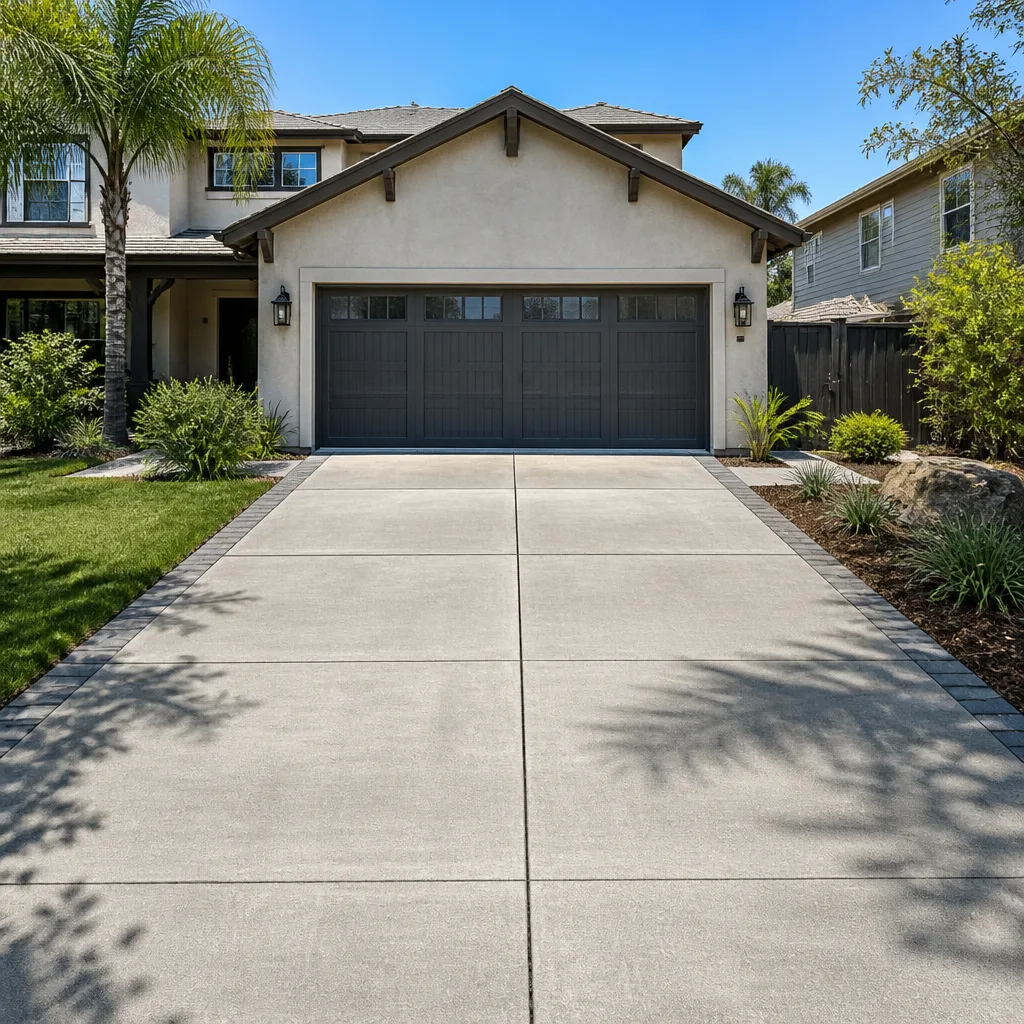
- Landscaping and hardscape. Grading, planting, drip irrigation, and non-structural paver areas (patios, walkways) are homeowner-legal, though structural retaining walls over 4 feet require engineering. Driveway & Pavers in Palmdale covers where the structural line sits.
- Some flooring. Carpet, laminate, engineered hardwood over a proper subfloor, and tile in non-wet areas can be self-installed. Wet-area tile (showers, tub surrounds) is a different question because waterproofing membrane failures show up years later.
- Insulation batts. Fiberglass and mineral wool batts are homeowner-legal. Spray foam installation involves equipment and chemical handling and is best left to a licensed installer in practice, even where the code is silent.
- Fencing below the structural threshold. Fence Installation in Palmdale explains where the wind-load engineering requirement begins, which is lower in the Antelope Valley than most homeowners expect.
Note the pattern: task-level legality depends on whether California assigns the work to a licensed trade, not on whether you feel confident. Confidence doesn’t change the code line.
Work That Requires a Licensed Trade Contractor in California
Three categories of work on a permitted addition or ADU require a licensed trade contractor in California: electrical work, gas line work, and HVAC refrigerant handling. This isn’t a matter of insurance requirements your city adds on top; it’s state law, and the permit inspection will require the licensed contractor’s signature on the applicable line.
The three restricted categories break down like this:
- Electrical panel work and new circuits. Any work on the service panel, subpanel, new branch circuits, or the electrical sign-off on a permitted addition requires a licensed electrician. Adding a 240V circuit for an ADU’s heat pump, running new branch circuits for outlets, or upgrading the main panel to handle the additional load is not a homeowner-permitted task in California. This includes the rough wiring before drywall and the finish trim-out after.
- Gas line work. Running gas to a new ADU kitchen, extending a line to a tankless water heater, or connecting a new gas range requires a licensed plumber holding the appropriate gas certification. Gas leaks don’t fail slowly enough for inspection to catch them, which is why the state doesn’t allow homeowner self-installation.
- HVAC refrigerant handling. Any work involving refrigerant lines, charging, recovery, or connection of a split-system condenser requires EPA Section 608 certification plus a contractor license. Ductwork installation is a gray area and depends on the local AHJ, but refrigerant work is unambiguous.
If you attempt any of these three yourself, the AHJ will fail the inspection and the fix is not a conversation – it’s a licensed contractor opening what you closed. On every Palmdale project we’re involved with, the trade sign-offs are coordinated before the framing inspection because the electrical and plumbing rough-in has to be inspected in sequence, not after.
The Inspection Consequence: Destructive Investigation
Here’s the part homeowners underestimate most: when an inspector on a permitted addition discovers unpermitted work adjacent to the permitted scope, they have the authority to require destructive investigation to verify code compliance. That means opening walls, exposing framing, cutting into foundation, or pulling up floor covering to see what’s underneath.
In practice this shows up most often in Palmdale on additions to older homes, where a previous owner did unpermitted remodel work, and the current homeowner is pulling a permit for a new addition that ties into the same structure. The inspector walks the existing structure because the addition’s load path runs through it. If they see a header that doesn’t match the door width, they can require the drywall to come off so they can verify the framing and engineering. If they see a foundation wall with a suspicious crack, they can require a structural engineer’s letter and the excavation to support it.
The cost of a stop-work order on an active addition runs $3,000 to $8,000 per week in held subcontractors, equipment rental, and extended financing. Demo and re-inspection adds $4,000 to $15,000 depending on the scope of the investigation. This cost isn’t paid by the previous owner who did the unpermitted work. It’s paid by whoever holds title when the inspector knocks, and that’s usually the current homeowner.
The pre-emptive fix is a records pull before you submit the new permit: check what permits were pulled on the property since the last sale, order any closed permit files, and walk the structure with an inspector or a licensed contractor who can flag concerns before they become a stop-work. We’ve found that a $400 records review has saved Palmdale homeowners five figures more times than we can count.
Where DIY Actually Saves Money Without Legal Risk
Now the useful part. There is real money in the tasks that stay legal, but the savings are smaller than homeowners usually estimate because the trades bill most of their time to setup, scheduling, and cleanup, not the labor itself. Here’s what actually pencils out in Palmdale on a 2026 project:
- Cabinet installation. A five-cabinet kitchen run, correctly leveled and shimmed, runs $800 to $2,400 in labor for a licensed installer. A careful homeowner with help can install a comparable set over two weekends and save the labor, minus $200 to $400 in shims, fasteners, and a helper’s time. The catch: cabinet warranty terms often require professional installation, so read the fine print before you DIY. Brands like KraftMaid and Wellborn publish their installation thresholds.
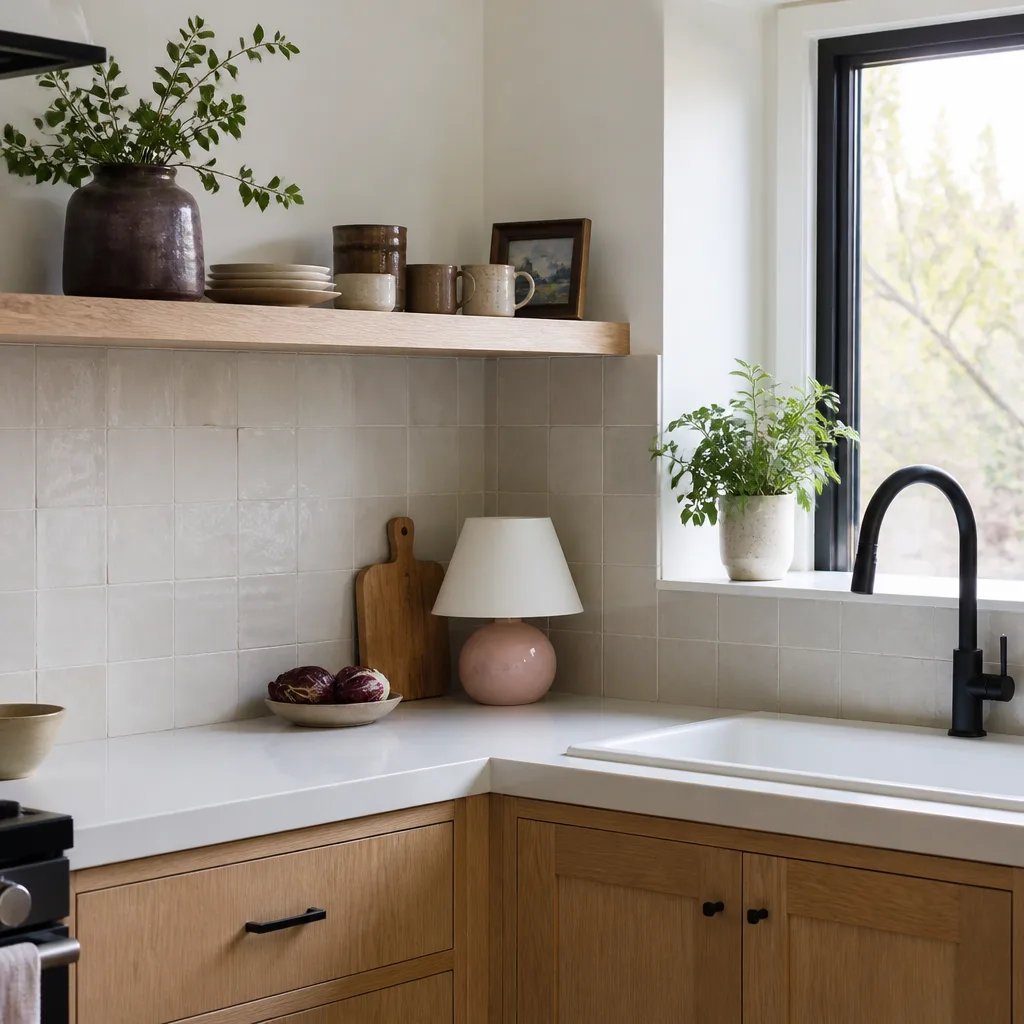
- Non-wet-area tile. Backsplashes, fireplace surrounds, and a hallway floor. A small backsplash runs $400 to $900 in labor. Materials don’t change, but tile saw rental, thinset, spacers, and a learning curve mean the net savings are closer to $250 to $600.
- Insulation batts (not spray foam). A 600-square-foot ADU addition needs roughly $1,200 to $1,800 of batts, and installation labor runs $900 to $1,500. This is genuinely worth doing yourself if you can work at attic height safely and read the R-value requirements for Palmdale’s climate zone (which is Zone 14, requiring R-38 attic insulation for a conditioned addition).
- Exterior painting. A 400-square-foot stucco addition runs $1,500 to $3,000 in professional labor. DIY with a proper primer-sealer and elastomeric topcoat can cap the labor cost, but Antelope Valley UV degrades cheap paint within three years, so don’t economize on product.
- Interior painting. $1,200 to $2,800 in labor for a medium addition. This is the highest-confidence DIY savings on the list if you’re willing to prep correctly.
Add those up and a highly motivated, careful homeowner can realistically self-perform $3,000 to $6,000 of the total labor on a mid-size addition. What they will not save is the $18,000 to $45,000 of MEP labor on the same project, because that work is legally off-limits. The math is clear on the page: DIY saves you a small slice of the total, not the big number.
The Insurance Gap Most Homeowners Miss
This is the part that gets quiet in most DIY guides. Your homeowner’s insurance policy typically excludes coverage for construction defects, whether those defects were created by you or by a contractor. But there’s a difference in how the exclusion lands. When a licensed contractor’s defect causes a claim, the contractor’s liability policy is in the chain, and the state licensing board offers a remedy path. When a homeowner’s own DIY defect causes the claim – a self-installed shower pan that leaks and rots the subfloor, or a self-framed wall that racks and cracks the drywall above a header – the claim is likely to be denied, and the insurer may cancel the policy after paying the original claim on a related loss.
A claim denial followed by a cancellation is the worst insurance outcome because it flags on your CLUE report (the loss-history database insurers check) for five to seven years. In the dense Southern California market, a cancellation on file can push future premiums up 30 to 60 percent, or push an insurer to decline entirely. On a structural error specifically, the fix typically runs $15,000 to $50,000 out of pocket before you’ve dealt with the coverage aftermath.
None of this is meant to scare you off the legal DIY tasks. Painting and cabinet installation don’t create insurance exposure. It’s meant as a hard stop on the DIY tasks that touch structure, waterproofing, or life-safety systems. If you can’t describe in writing how the work will not fail, and hold a policy in hand that would cover it, price the trade contractor’s bid first before you decide.
Palmdale Climate and Why It Changes the DIY Calculus
Palmdale is zone 14 in California’s climate framework, which means 30 to 40°F winter lows and 100°F-plus summer highs, plus the Antelope Valley wind load that pushes 70 to 90 mph gust velocities through most of the city’s residential zones. Those conditions tighten the DIY equation on three fronts.
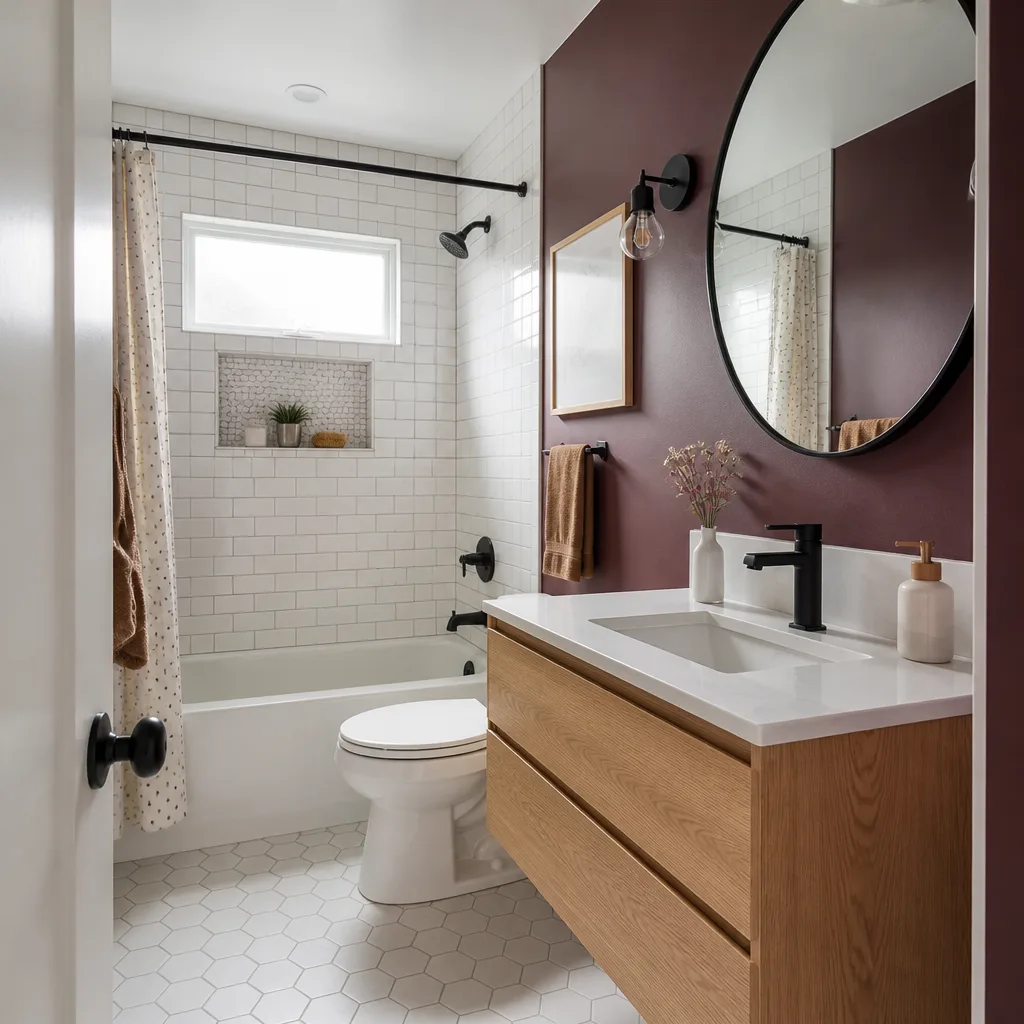
Wet-area tile. A shower pan installed with shoddy slope or inadequate waterproofing membrane fails five to seven years later, when the Palmdale dry season has hidden the leak and the subfloor has already rotted. The dry climate hides slow failures, which makes wet-area tile the single most expensive “looks fine” DIY task in the region. Leave it to a licensed tile setter who will warrant the waterproofing.
Insulation and HVAC sizing. Because Palmdale summers peak hot and dry, an under-insulated addition drives up the HVAC load. A DIY attic insulation job that skips air sealing (the loose foam or caulk in penetrations) defeats half the R-value purpose. If you insulate yourself, air-seal first, then insulate to the full R-38. Sizing the HVAC for the addition is a trade call.
Wind load and fencing. Palmdale’s wind exposure means a fence installation done without proper post depth and footing sizing will not survive two seasons. This is one of the tasks where DIY saves less than the eventual repair costs. See Fence Installation in Palmdale for the wind-load specifics.
What Palmdale hands you for free is exterior painting weather. Low humidity, mild spring and fall temperatures, and long dry spells make exterior paint work genuinely doable. The stucco needs a proper primer and an elastomeric topcoat, but the conditions cooperate.
A Decision Framework: Task-by-Task
Here’s the framework we hand to Palmdale homeowners with a permit and a decision in front of them. Score each task against these four questions and only DIY the tasks that pass all four:
- Does California law allow a homeowner to perform this task? If it’s electrical, gas, or HVAC refrigerant, the answer is no and the question is closed. If it’s finish carpentry, paint, landscaping, batts, or non-wet-area tile, keep going.
- Will a failure of this task cause damage that exceeds the labor savings? A $600 backsplash labor savings looks fine until a badly set tile cracks and the re-tile costs $1,400. Wet-area tile fails this test. So does any waterproofing, any structural fastener pattern, and any roof tie-in.
- Does the product warranty survive self-installation? Cabinets, windows, and some flooring brands void or limit warranty coverage if installed outside their specification. Read the fine print. Brands like Cambria and Silestone countertops require fabrication and installation by certified fabricators, which is a separate but similar gate.
- Would the homeowner’s insurance cover a claim on this task? Painting, landscaping, and finish carpentry – yes by default. Waterproofing, structural, and any task that touches the building envelope – no by default. Call your agent before you decide.
Score each task on your punch list against those four. Whatever passes, live with the labor savings. Whatever fails any one, price a licensed contractor and move on. The framework takes twenty minutes and prevents the mistakes that cost tens of thousands.
Common Mistakes to Avoid
- Pulling an owner-builder permit for an ADU you intend to rent. This is the single biggest financial mistake we see in Palmdale. The five-year rental prohibition eats any labor savings from DIY in the first year of foregone rent.
- Assuming a permit is only required for “structural” work. A permit is required for electrical, plumbing, gas, HVAC, any new addition or ADU, any panel change, and any fence over the wind-load threshold. Unpermitted work triggers the destructive investigation problem the moment it’s adjacent to permitted work.
- DIY-ing a tile shower to save $700 in labor. A failed pan costs $4,000 to $9,000 to repair plus the water damage to subfloor and adjacent drywall. This one loses money at every scale.
- Skipping the air seal before installing attic insulation. Antelope Valley attic temperatures make the air seal matter more than the R-value. Insulation without the seal is half the job.
- Installing cabinets before the walls are painted and the floor is set. The sequence matters. Cabinets go in after paint and finished floor, or you throw away 15 percent of both.
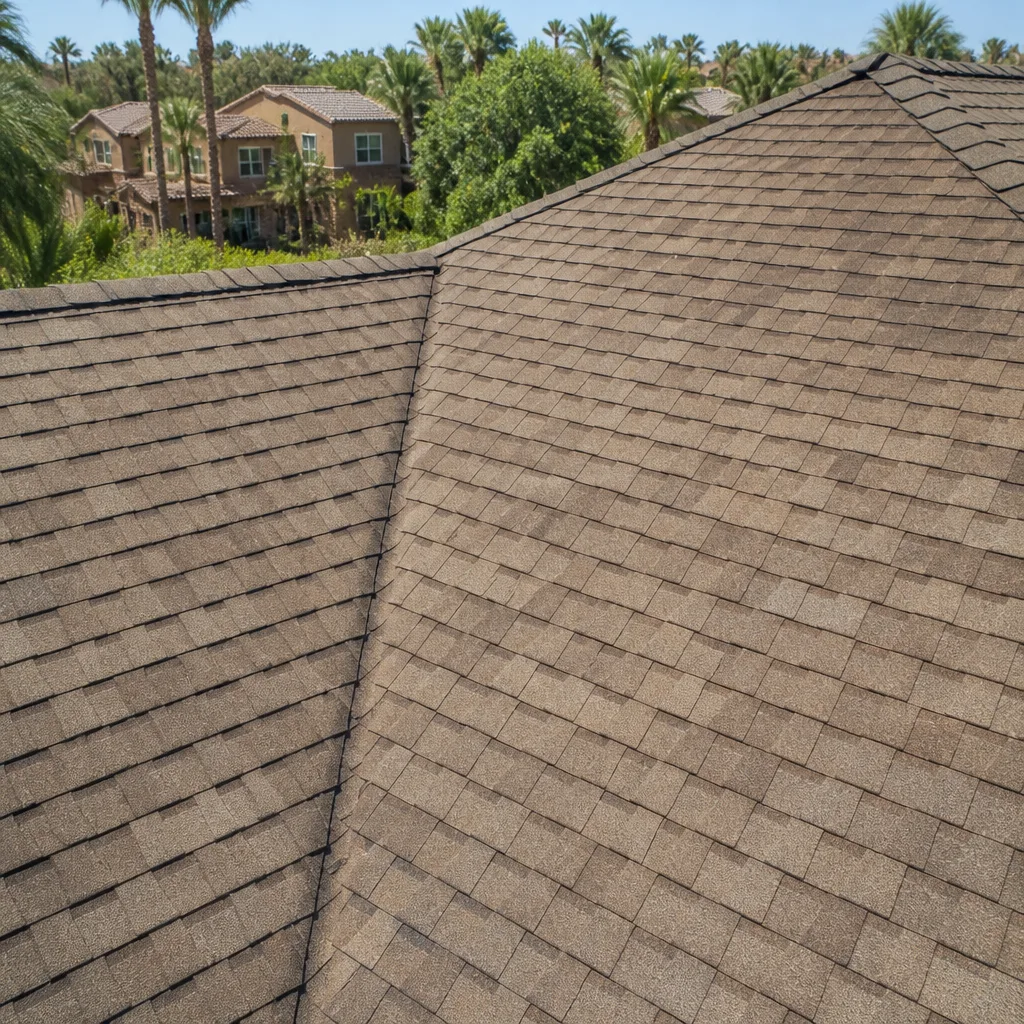
- Using 3-tab shingles on a low-slope addition section. The roof tie-in to the existing house on a Palmdale addition needs a matched shingle from the same manufacturer – GAF and Owens Corning both publish the tie-in specs and any warranty-voiding shortcuts.
- Hiring a licensed contractor without a written scope. The contractor the homeowner hires for the project can cancel out every DIY savings in a single change order if the scope wasn’t written down. Insist on a written scope and a written warranty before anyone starts.
See the difference
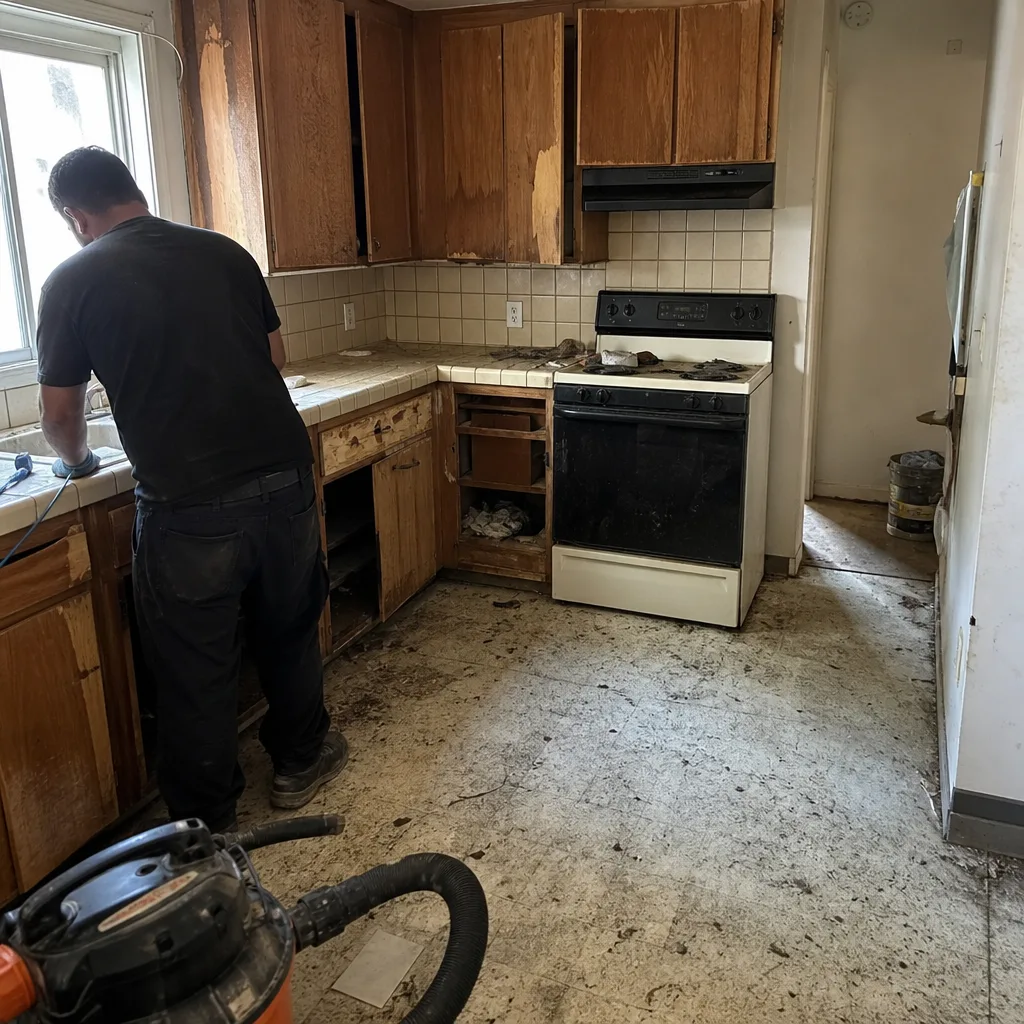 Before
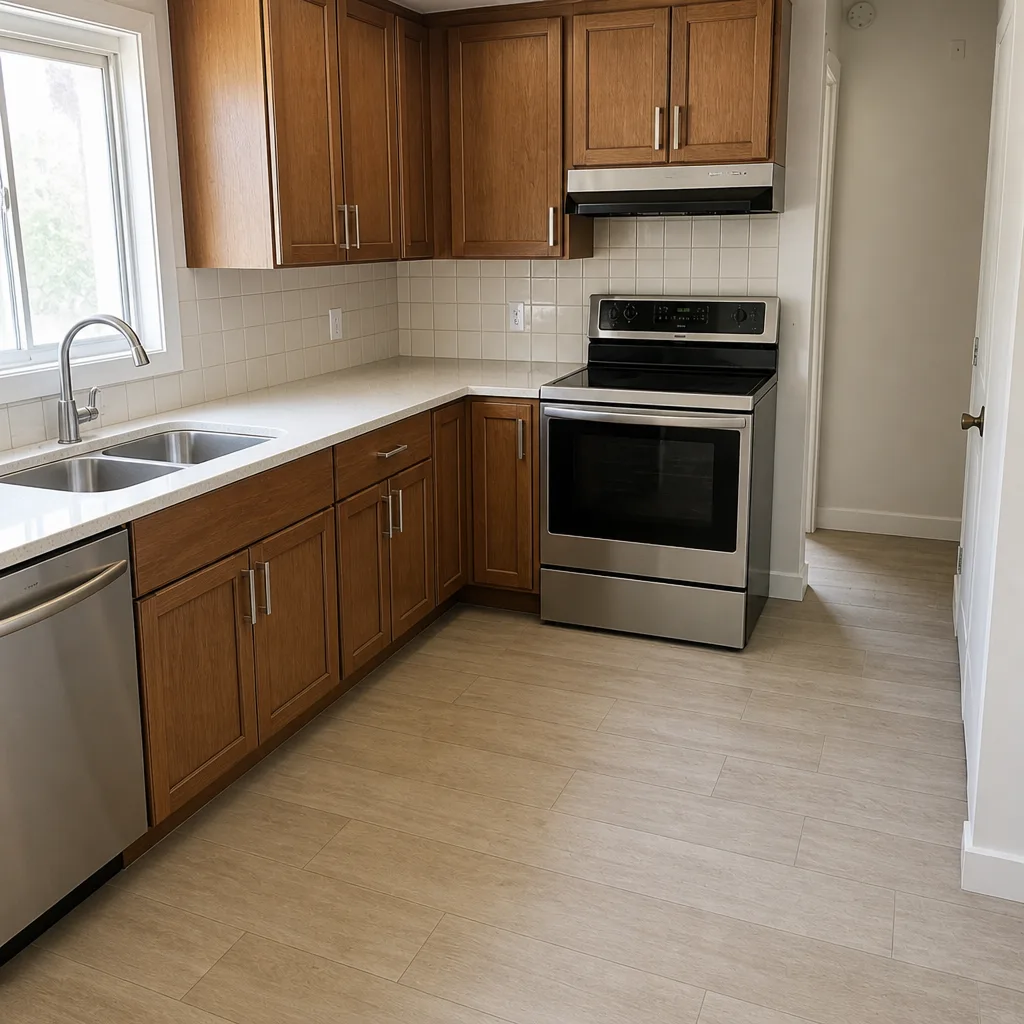 After
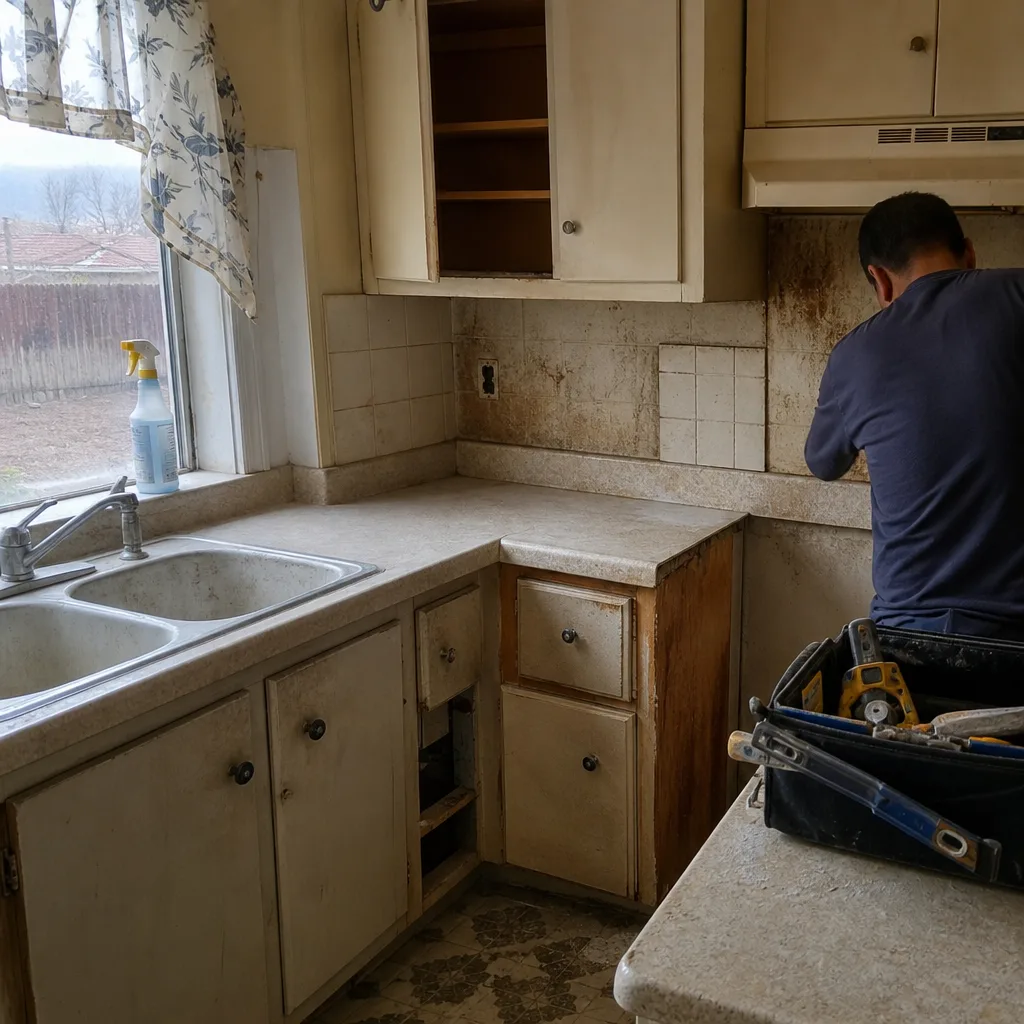 Before
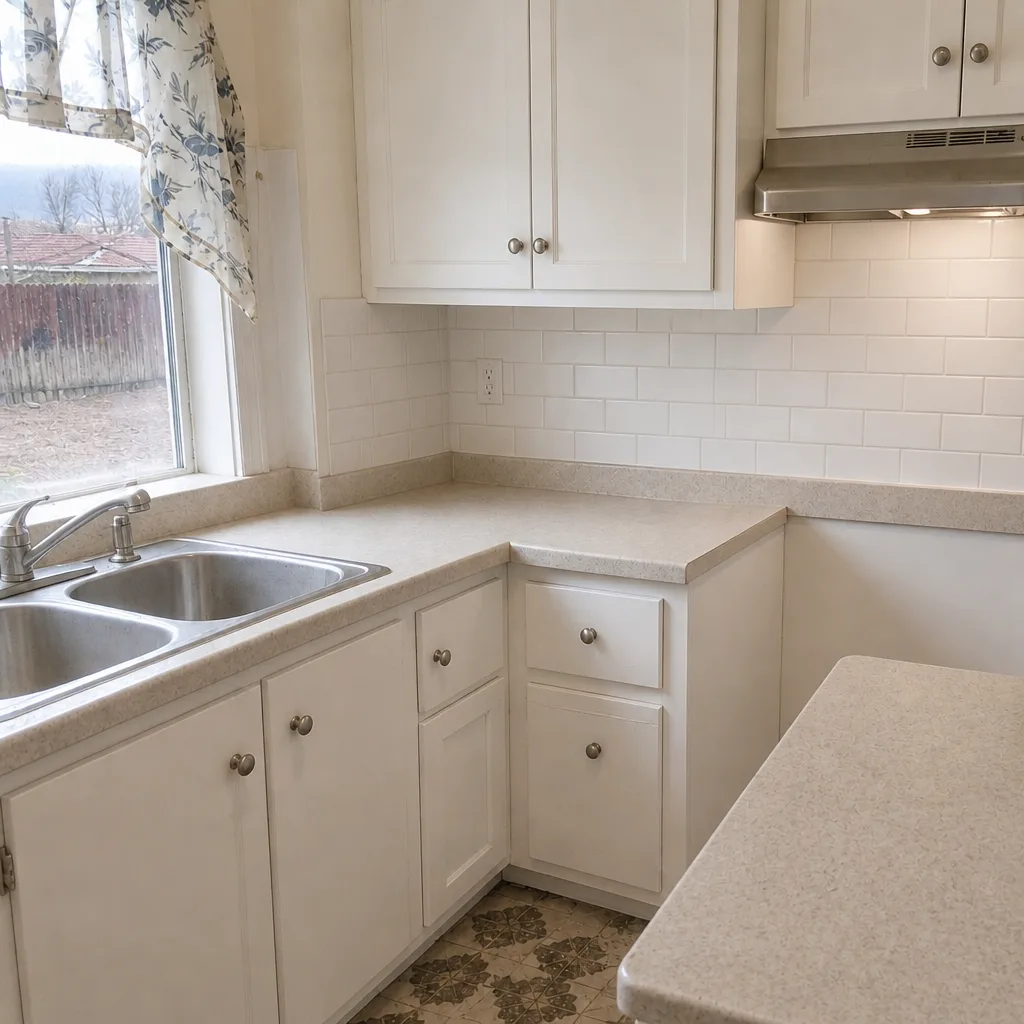 After
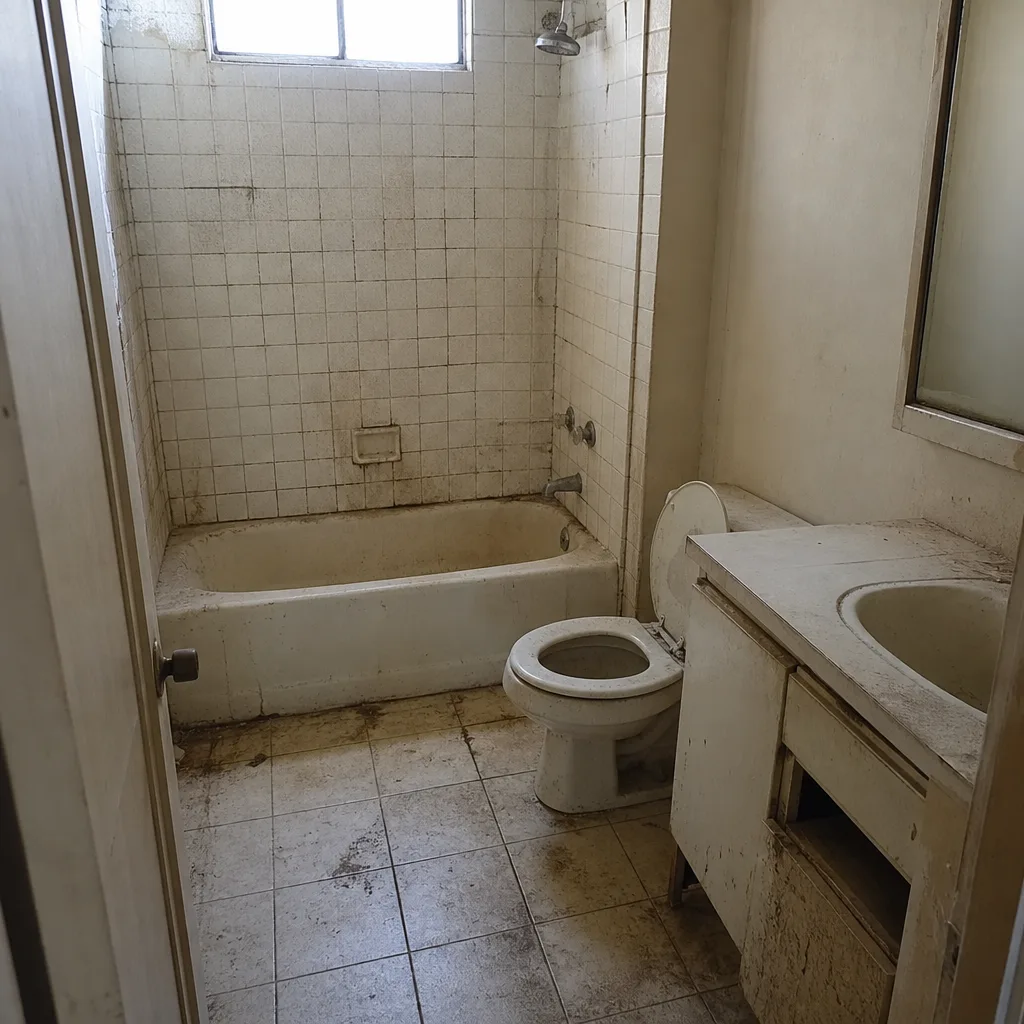 Before
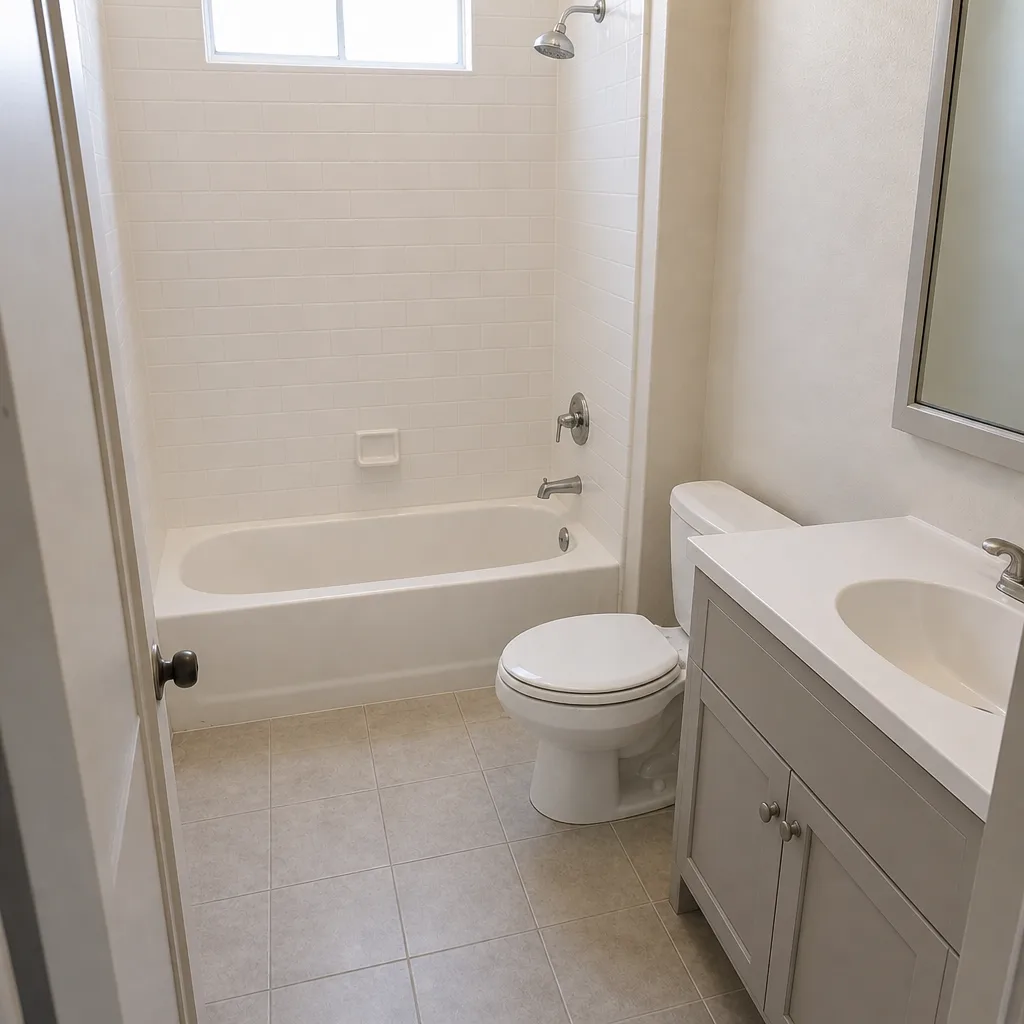 After
When to Call a Professional
Call a professional when the task hits any of these triggers: any electrical work past a switch or outlet in-kind swap, any new gas line, any HVAC change, any structural work, any waterproofing (shower pans, exterior deck ledger, roof tie-ins), any engineering letter requirement, or any work that requires a licensed trade signature on the permit. The four-task framework above gives you the screen. In Palmdale, three things push the trade call further: the wind-load requirements that make fencing and low-slope roofing more technically demanding than the national average, the climate zone 14 insulation and air-sealing details that affect long-term HVAC cost, and the inspection sequence on permitted additions that requires trade sign-offs to be scheduled before rough framing is inspected. Call a professional before you start demo, not after. Under the Haven Standard, Rowan Construction Group Palmdale delivers a written price before any work starts, a Free Second Opinion on any written estimate you already have, and free estimates on Palmdale projects – call (844) 320-8244.
Frequently Asked Questions
Yes, California allows an owner-builder permit on your primary residence. But under Business and Professions Code Section 7044, an ADU built under that permit cannot be rented for five years from completion and cannot be sold for one year. For most income-generating ADU projects in Palmdale, the five-year rental prohibition eliminates the financial case for self-performing. If you want to rent the ADU, the project needs a licensed contractor. Call (844) 320-8244 for a free estimate.
Finish carpentry, painting, landscaping, some flooring (non-wet areas), insulation batts, and cabinets are legally DIY-eligible under a homeowner permit. Electrical, gas, and HVAC refrigerant work require a licensed trade contractor under state law. The legal test is whether California assigns the task to a licensed trade, not whether you feel confident in your skill. Call (844) 320-8244 to confirm whether a specific task on your punch list is homeowner-legal.
Yes, an inspector on a permitted addition has authority to require destructive investigation to verify code compliance on adjacent unpermitted work. In practice this means opening drywall, exposing framing, or excavating foundation, and the cost runs $4,000 to $15,000 plus one to two weeks of stop-work on the active project. A pre-permit records review is the only reliable way to catch this before you submit. Call (844) 320-8244 – free estimates include a permit history walk-through.
A careful Palmdale homeowner can realistically save $3,000 to $6,000 on labor across cabinets, non-wet-area tile, insulation batts, and exterior paint on a mid-size addition. That’s a small slice of the total project, not the big number. The $18,000 to $45,000 of electrical and plumbing labor on the same project is legally off-limits. Call (844) 320-8244 for a written, line-item estimate so you can see what the legal DIY slice is worth on your project.
No, in most cases. Homeowner policies exclude construction defects, and a DIY structural or waterproofing error that causes a later claim is likely to be denied. A denial followed by cancellation may also flag on your CLUE report and raise future premiums 30 to 60 percent. Painting and finish carpentry avoid this exposure; structural, waterproofing, and electrical work do not. Call (844) 320-8244 for a free second opinion on any written estimate before you commit.
Fencing under the height threshold in residential zones typically doesn’t require a permit, but the Antelope Valley wind load generally requires engineered post depth and footing size that most homeowners underestimate. Paver patios at grade are usually permit-exempt; structural retaining walls over 4 feet require engineering. Call (844) 320-8244 and we’ll walk through the permit boundary for your specific project. You can also see our paver guidance.
The Bottom Line
The DIY versus professional question on a Palmdale addition or ADU isn’t about skill – it’s about liability. The owner-builder affidavit’s five-year rental prohibition removes the financial case for DIY on income-generating ADUs almost entirely, and the inspection consequence of unpermitted adjacent work plus the insurance exclusion on construction defects turns most “looks easy” tasks into bad bets. What’s actually safe to do yourself in Palmdale: painting, finish carpentry, cabinet installation, non-wet-area tile, insulation batts, and landscaping. What isn’t: electrical, gas, HVAC, structural, waterproofing, and anything that requires a trade sign-off on the permit. The real savings live in a $3,000 to $6,000 slice, not the big number. It pays to have that slice priced in writing before you decide.
If you’re planning an addition or ADU in Palmdale and want a written line-item estimate with a scope and a warranty on every trade – including a Free Second Opinion on any estimate you already have – call Rowan Construction Group Palmdale at (844) 320-8244 for a free estimate. You can also start at Rowan Construction Group Palmdale home to see how The Haven Standard applies to every project.
Written by the team at Rowan Construction Group Palmdale.