Last updated November 18, 2026
Free written scope consultation - allowances, timeline, and change-order rules on paper before a single trade is scheduled
Windows & Doors Warning Signs Every Homeowner Should Know
Most window and door failures don’t start on installation day. They start three weeks earlier, on a piece of paper. We’ve reviewed hundreds of competitor estimates across Palmdale, and the pattern is remarkably consistent: the quotes that go wrong are the quotes that were never grounded in a real measurement of the opening. A window quoted without a site visit means the contractor hasn’t measured the rough opening, hasn’t confirmed the framing material (wood, steel, or block), and hasn’t checked the sill for existing moisture damage. Every one of those unknowns becomes a change order the moment the old unit comes out and the wall gets opened up. This guide covers what to look for before you sign.
Quick Answer
The biggest warning signs that a window or door project will go sideways are almost all found in the paperwork and pre-installation process: no site measurement of the rough opening, no Title 24 energy compliance method specified, no product model or series named, no flashing material or method described, and no stucco or siding repair scope included. A quote missing any of those five items can’t be compared fairly to one that has them, and the gap is where surprise costs breed. In Palmdale’s high-desert climate, where summer heat regularly pushes past 100°F and winter nights drop below freezing, getting the flashing and energy spec right isn’t a detail. It’s the whole job.
Styles & brands we work with
- Kitchen remodeling
- Bathroom remodeling
- Home additions & ADU
- Roofing
- Windows & doors
- Driveway & pavers
- Fence
Table of Contents
- Why a Window Quote Without a Site Visit Is a Red Flag
- The Five Omissions in a Window Contract That Predict Problems
- How to Verify Your Contractor’s License (and Why a Handyman License Won’t Do)
- The Rough Opening Inspection: What Should Be Photographed Before Product Is Ordered
- What “Builder Grade” Really Means and Why the Product Series Must Be Named
- Job-Site Behaviors That Signal a Future Water Problem
- Palmdale Climate and the Windows That Fail Here First
- What a Proper Written Quote Actually Looks Like
Why a Window Quote Without a Site Visit Is a Red Flag
A window that measures correctly on paper and incorrectly in the wall is the single most common source of cost overrun on replacement projects we’ve seen in Palmdale. The rough opening isn’t the same as the visible window. It’s the framed hole behind the trim and the siding, and its true dimensions, plumb, and square need to be measured by a person standing in front of it with a tape. When a contractor quotes from a photo, a homeowner’s rough measurement, or a prior permit drawing, they are guessing at three things at once: framing material, header clearance, and existing moisture at the sill.
Each of those three guesses has a dollar value attached to it. If the framing turns out to be steel rather than wood, the fastening method changes and the labor goes up. If the header is undersized, additional framing may be required to pass inspection. If the sill shows rot or old water intrusion, the flashing and repair scope expands. None of these are the contractor’s fault – but all of them should be anticipated by a proper site visit, priced into the written quote, and described in writing.
What a real site visit includes
- Exterior measurement of the rough opening at the stud, not the trim.
- Interior finish check to confirm drywall, plaster, or stucco wrap and how it will be restored.
- Framing material identification – wood, steel, or masonry block. Palmdale homes built in the 1980s and 1990s frequently use a mix.
- Moisture inspection at the sill, especially on south- and west-facing walls, which take the worst of Palmdale’s afternoon sun and monsoon-season rain.
- Photos of every opening, timestamped, matched to a room label.
If a contractor hands you a quote without any of that having happened, the quote is a placeholder. It’s the number they hope is right, not the number they know is right. For a broader look at how we approach written pricing on every trade, see the Rowan Construction Group Palmdale home.
The Five Omissions in a Window Contract That Predict Problems
We read competitor quotes line by line for customers as part of our Free Second Opinion, and the same five omissions show up again and again. Any one of them is a weak signal. Three or more is a strong one.
- No Title 24 compliance method specified. California requires replacement windows to meet energy performance standards, and the contractor must state how compliance will be shown – prescriptively (U-factor and SHGC within the allowed range) or through the performance method using approved software. A quote that stays silent on Title 24 hasn’t done the compliance review that determines which windows you can legally install.
- No rough opening condition assessment noted. The quote should say what was found at the sill, header, and framing, or state plainly that a site inspection was performed. Silence means it wasn’t.
- No flashing material or method described. Flashing is the metal or flexible membrane that sheds water out from behind the window unit. The quote should name the flashing material – typically a self-adhered membrane plus metal head flashing, or liquid-applied – and describe where it goes. Fabrication-phase items that don’t get named don’t get done right.
- No stucco or siding repair scope included. Removing a window almost always damages the exterior finish around it. In Palmdale, most homes are stucco. A quote that installs the window but doesn’t include the stucco patch, texture match, and paint is passing the repair cost to you after installation.
- No product model number or series named. “Vinyl double-hung” is a category, not a product. It tells you nothing about the glass package, the U-factor, the warranty, or the price tier. A quote that doesn’t name the series can’t be compared, period.
Any quote that contains all five of those items can be compared to another quote that contains all five. Everything else is comparing the price of one thing to the price of a different thing.
How to Verify Your Contractor’s License (and Why a Handyman License Won’t Do)
Window replacement that involves altering the framed opening or that requires a permit – which is most replacement work in California – must be performed by a contractor holding the appropriate license classification. For glazing and window installation specifically, the relevant classifications are C-17 (Glazing) and B (General Building). A handyman license or an unlicensed operator is not legally sufficient for permitted window replacement, regardless of how many jobs they can show you.
How to verify, in three steps
- Ask for the license number in writing before any site visit. The number should appear on the estimate itself, not be produced later on request.
- Look up the number with the Contractors State License Board (CSLB) and confirm the classification (C-17, B, or both) and that the status is active. Confirm the classification matches the scope of your job.
- Confirm the license name matches the business name on the quote. A license belonging to a different entity is a flag, not a formality.
The same standard applies to roofing, fencing, and additions. When you’re sourcing a fence installation in Palmdale, the fence contractor should be able to produce a C-13 (Fencing) or B license on request. It’s the same principle: the license classification tells you which scope of work the state believes the contractor is competent to perform.
The Rough Opening Inspection: What Should Be Photographed Before Product Is Ordered
Product can’t be ordered until the rough opening is documented. This step is where a well-run window contractor separates from a poorly-run one, and it’s also the step most homeowners never see. We photograph and record three things on every opening before a purchase order is placed.
- Sill condition. A photograph of the sill plate and the sub-sill area with the old unit removed or the interior trim pulled back. This shows whether there’s rot, prior water staining, or an existing pan flashing that needs replacement. A sill without a pan flashing – or with a failed one – is going to leak water into the wall, and no window warranty covers that.
- Header clearance. A photograph of the gap between the top of the frame and the header, with a tape measure in frame. Clearance tells you whether the new unit will fit without framing modification and whether the header is bearing properly.
- Existing flashing state. A photograph of the exterior perimeter showing the current flashing, building paper, or house wrap condition. In Palmdale, where stucco is the norm, this also documents the condition of the weep screed and whether the flashing is integrated with the wall’s weather-resistant barrier.
If a contractor skips this step, three things happen: they order product on guessed dimensions, they inherit hidden rot without warning you, and they install a new unit over failed flashing. Every one of those failures will eventually show up as a water stain on the interior jamb or a soft sill – usually eighteen to thirty-six months after the job is “finished.”
What “Builder Grade” Really Means and Why the Product Series Must Be Named
“Builder grade” is not a technical term. It’s trade shorthand for the entry tier of a manufacturer’s product line – the version a production homebuilder installs in a subdivision to hit a price point. It typically means thinner frames, a basic glass package, a shorter warranty, and hardware that you’ll be replacing before the windows themselves fail. It’s not a judgment on the installer. It’s a spec tier, and it changes the price by real dollars.
The spread between entry tier and mid tier on the same size window is $80 to $300 per unit, depending on glazing package (double-pane vs. low-E vs. argon-filled), hardware, and frame material. A 14-window replacement project quoted in Palmdale with no product series named could be $40,000 of premium units or $18,000 of entry-tier units, and you have no way to know which from the line item on the page.
Manufacturers worth naming in a quote
When we build a written quote for windows and doors, the product series is named. Milgard (the Tuscany and Trinsic lines), PlyGem (the Pro series and the 1700 series), and Simonton (Reflections and Impressions) are the most common series we specify for Palmdale homes because they’re available with the glass packages that meet Title 24 without going to the top price tier. James Hardie comes up on the siding and trim side of the same projects. The point isn’t which brand you pick – it’s that the brand and series are named, so the quote can be compared honestly to another quote with a different brand and series named.
Job-Site Behaviors That Signal a Future Water Problem
Water intrusion is the most expensive failure in window and door work, and it is almost always traceable to one of four installation shortcuts. You don’t need a license to notice them – you just need to know what to look for on installation day.
- No sill pan flashing before the unit is set. The sill pan is the metal or membrane trough that catches any water that gets behind the window and directs it out. If the window goes in without a pan, water is going straight into the framing. It should be in place before the unit is set, not added after.
- Exterior caulk applied to a wet or dusty surface. Caulk needs a dry, clean substrate to bond. On a hot afternoon in Palmdale, the stucco can be dusty between passes and the caulk will not stick to it. Applying caulk to a damp or dusty surface produces a bead that looks fine for a season and then opens up into a leak path.
- Weep holes covered by caulk. Every window frame has small weep holes at the sill that drain water from the frame track. If the installer caulks over them – a common shortcut when sealing the exterior – water pools in the frame and works its way inward. Weep holes should be visible and open after install.
- Flashing installed “wide side up” on a head flashing. Head flashing must overlap the building paper or house wrap like shingles, so water runs out. Installed in reverse, the flashing dams water against the wall.
None of these are aesthetic problems. Each one is a water path that shows up on a rain test or, more often, after the first winter. That’s why we photograph every installation step and include the photo record as a standard deliverable, not an upgrade.
Palmdale Climate and the Windows That Fail Here First
Palmdale’s climate is unusually punishing to glazing and seals compared to coastal Southern California. Summer highs in the Antelope Valley regularly reach the low 100s, winter nights drop well below freezing, and the spring winds that funnel through the valley carry enough fine dust to abrade sealant beads on west- and north-facing exposures. The result: window seals, caulk joints, and weather stripping on Palmdale homes fail faster than the same materials on homes in Santa Clarita or Burbank.
What that means in practice is that a window project here needs to be specified for the conditions, not for the manufacturer’s national default. That’s a Title 24 conversation, a glass-package conversation, and a flashing-material conversation all at once. Where a coastal contractor can get away with basic flashing and a builder-grade glazing package, a Palmdale job with west-facing exposures needs self-adhered membrane flashing and a low-E glass package with a solar heat gain coefficient appropriate to the climate zone. Not all estimates in Palmdale reflect that – the ones that don’t are the ones to walk from.
The climate story is the same one that drives failures on other exterior trades. It’s why a driveway and pavers project in Palmdale requires a properly compacted base to survive the same freeze and heat cycling. And it’s why additions here need weather detailing specified for the valley. If you’re planning something larger, the approach we take to home additions and ADU in Palmdale starts with the same weather documentation, because the wall system has to match the window system.
What a Proper Written Quote Actually Looks Like
A window or door quote you can act on has a predictable shape. Here’s the checklist we use on every job, and it’s the same checklist we recommend every Palmdale homeowner apply to any competitor estimate before signing it.
- Contractor name, license number, and classification (C-17 or B) on the quote itself.
- A named product line and series for every unit, with size, glazing package, and U-factor / SHGC stated.
- Title 24 compliance method stated – prescriptive or performance – and the compliance documentation attached.
- Rough opening condition noted, with measurements and photographs.
- Flashing material and method described, plus the exterior finish repair scope (stucco patch, texture match, caulking, paint).
- A flat price, a written scope, and a written warranty – all three, on the same document. No “call for a quote.” No “starting at.”
- A change order process in writing that states no additional work proceeds without a signed change order and an agreed price.
When those seven items are present, the pricing is comparable across bidders and the project is going to finish within a few percent of the number you agreed to. That’s not optimism – it’s what happens when unknowns are documented before product is ordered instead of discovered after demo.
Common Mistakes to Avoid
- Signing the lowest bid without checking what’s in it. In Palmdale, the two lowest bids on a window job are almost always the two that omit flashing scope and Title 24 documentation. The dollar gap between bids is usually explained entirely by what’s missing from the quote, not by what the contractor is charging.
- Accepting a “measurement only” visit from a salesperson. A production salesperson can measure but can’t inspect the rough opening for rot, tell you whether the header is properly bearing, or scope the stucco repair. Ask whether the person visiting is the installer or the person who’ll be on the job site.
- Letting product be ordered before the rough opening is photographed. This is the single most common cause of “the window doesn’t fit” change orders. If the contractor wants to order the product before taking a photograph of the opening, that’s the signal to pause.
- Skipping the Title 24 conversation. Title 24 compliance isn’t a suggestion in California; it’s a permit condition. A contractor who treats it as a formality to sort out later has put your inspection at risk.
- Paying a large deposit before a signed scope and warranty are in place. A proper written quote, signed and dated, comes before a deposit – not after.
- Hiring a handyman for a permitted window replacement. A handyman license does not cover permitted glazing work. If the job requires a permit – and most replacements do – the contractor needs a C-17 or B.
- Ignoring the sun-facing walls. West- and north-facing windows on Palmdale homes see the worst of the climate. Those openings need flashing and glazing specified for the exposure, not the default package used on shade-side windows.
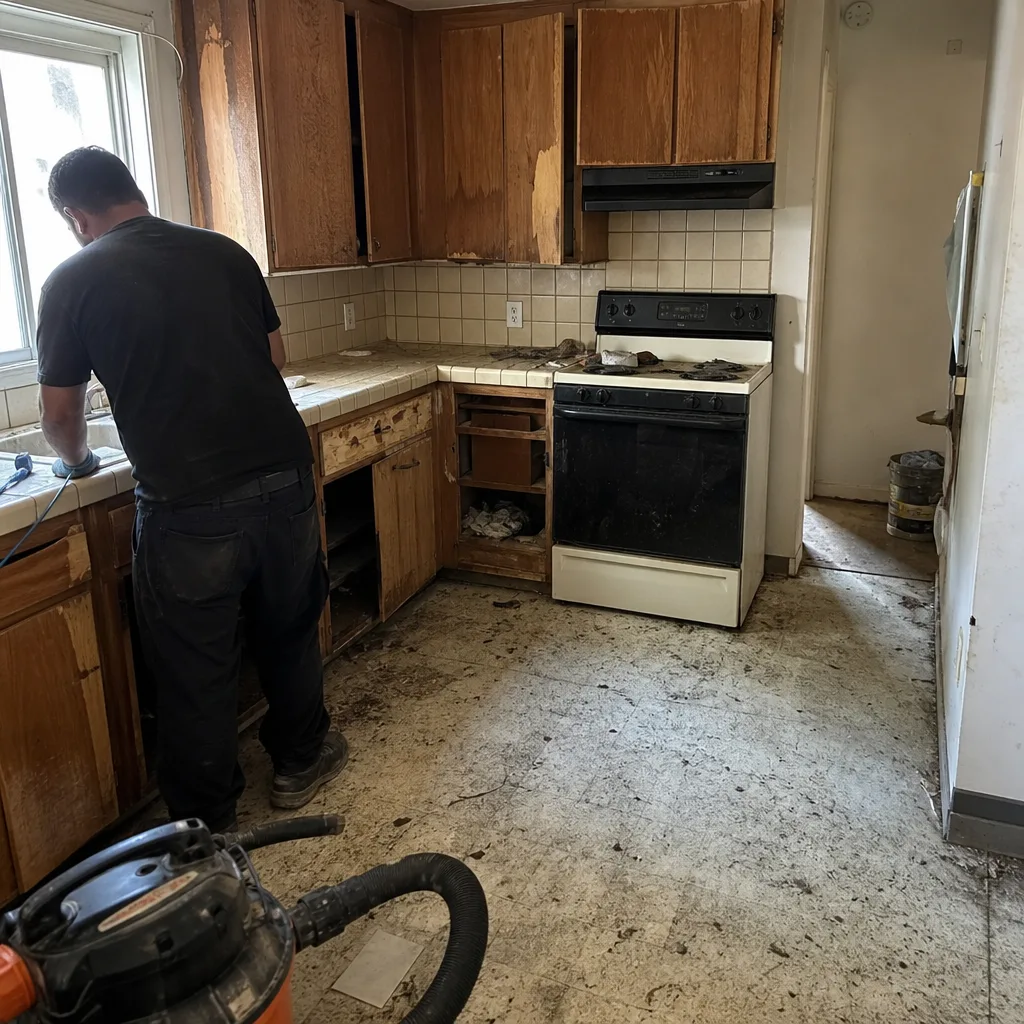
See the difference
 Before
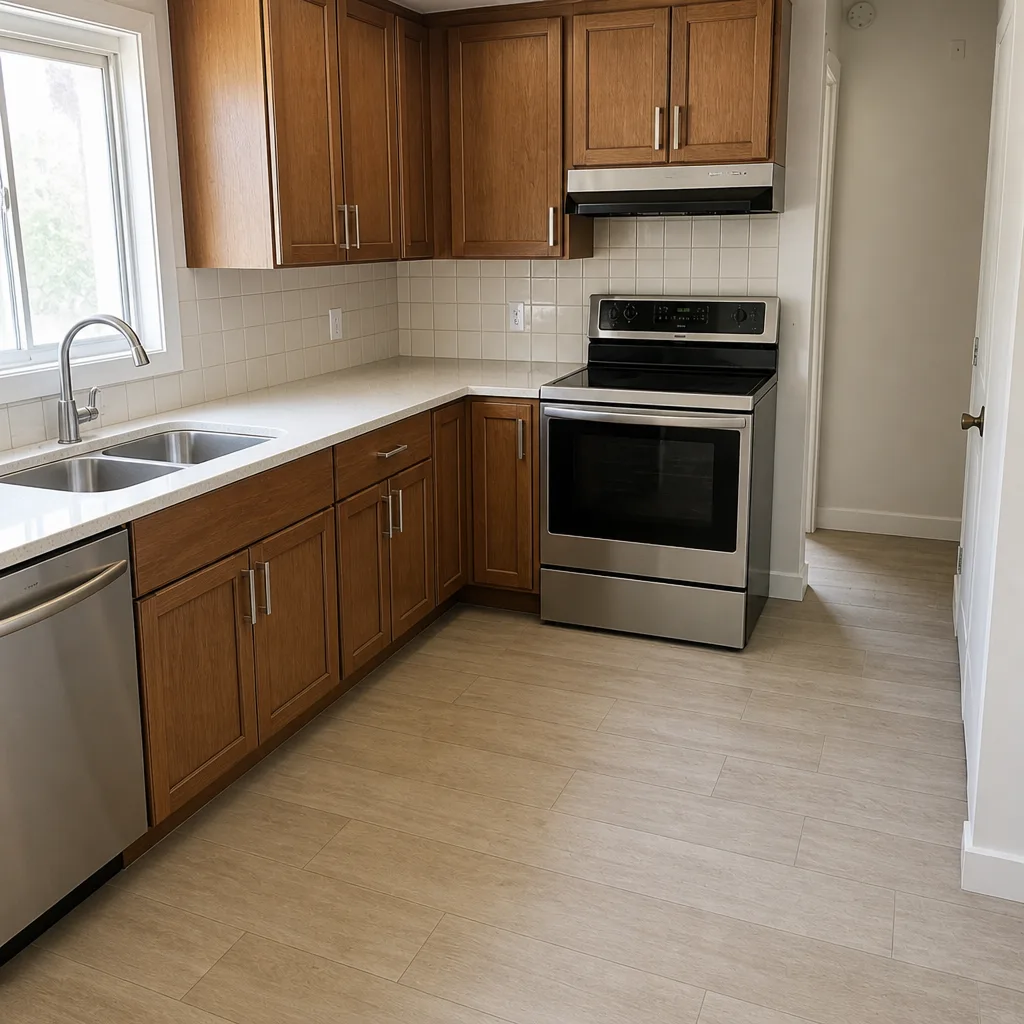 After
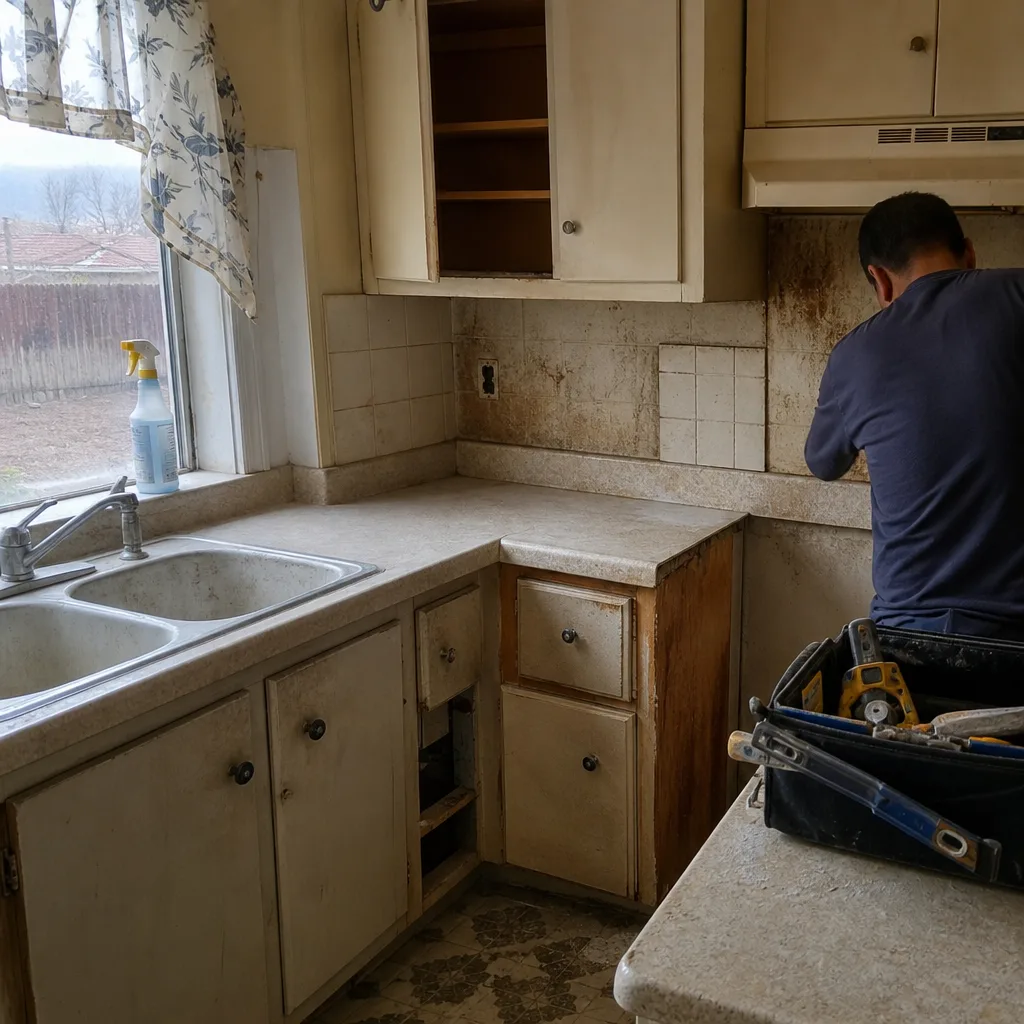 Before
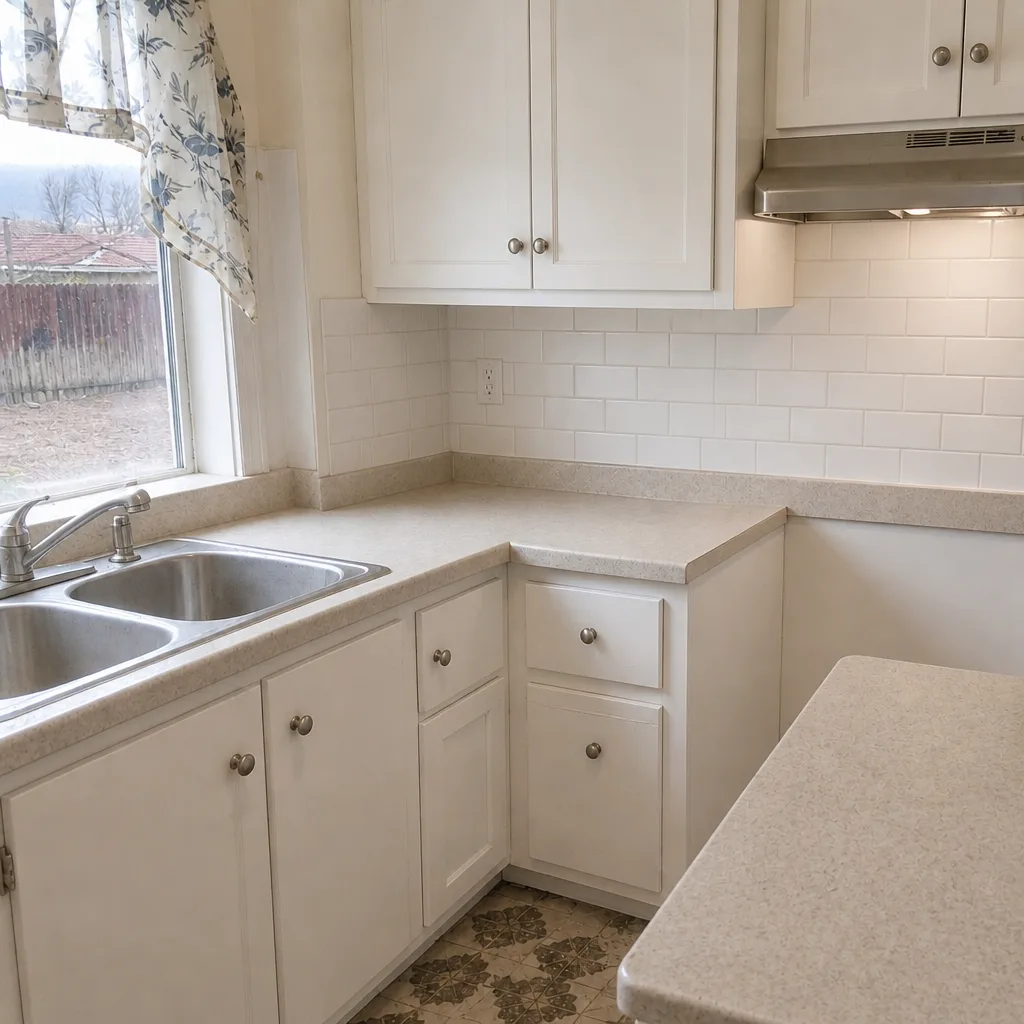 After
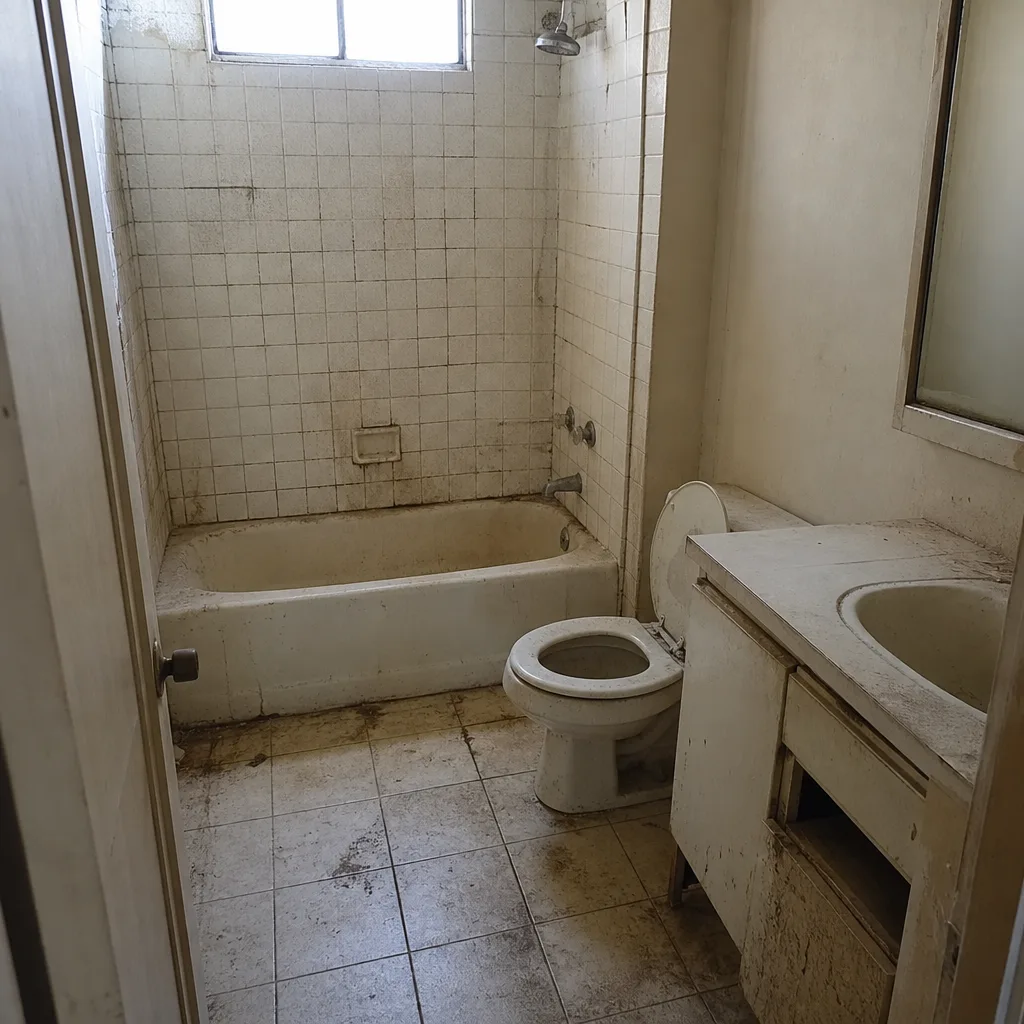 Before
 After
When to Call a Professional
Some window and door issues are worth a close look before calling anyone – a sticky latch, a warped screen, a bit of paint peeling. But certain symptoms point to conditions that will only get more expensive if you wait. If you see water stains at the interior jamb or soft wood around the sill, the flashing has already failed and the extent of the damage is unknown until the unit comes out. If the glass has fogged between the panes, the seal is gone and the unit needs replacement, not repair. If a door no longer closes squarely, the framing around it may have shifted. And if you’re planning a permitted window replacement – which is most of them – you need a C-17 or B licensed contractor, not a handyman. Rowan Construction Group Palmdale offers free estimates in Palmdale – call (844) 320-8244 to schedule a site visit.
Frequently Asked Questions
In most cases, yes. Window replacement in Palmdale and across Los Angeles County generally requires a building permit when the work involves the opening – which is most replacement work – and requires Title 24 energy compliance documentation with the permit application. Your contractor should pull the permit and manage the inspection; a quote that doesn’t mention permits on a replacement job is a quote that’s skipping a step.
For a typical vinyl replacement window on a Palmdale home, installed, expect roughly $650 to $1,200 per opening at the mid-tier product level, with the range driven by size, glazing package, and the exterior repair scope. Entry-tier product runs at the low end of that range; premium series with upgraded low-E glass run above it. The $80 – $300 per-unit spread between product tiers is where most of the pricing gap between estimates comes from, and it’s the reason a quote without a named product series can’t be compared. Call (844) 320-8244 for a written flat price on your specific openings – the estimate is free.
Ask for the license number in writing, then verify it with the Contractors State License Board (CSLB) and confirm both the classification (C-17 Glazing or B General Building) and that the status is active. Confirm the name on the license matches the name on the quote. A contractor who can’t produce the number on request, or whose classification doesn’t cover glazing work, is not qualified for a permitted replacement job.
Because a window quote without a product series is a category, not a product. “Vinyl double-hung” could be a 20-year-warranty entry-tier unit or a premium series with upgraded hardware and a better glass package – and the price difference between those two tiers is $80 to $300 per unit. Naming the series (Milgard Tuscany, PlyGem Pro, Simonton Reflections, and so on) is what makes it possible to compare one estimate to another honestly. A quote that won’t name the product is a quote you can’t price-check.
Setting the window unit without sill pan flashing first. The pan flashing catches water that gets behind the window and directs it out to the exterior; without it, water is going straight into the framing at the sill. It should be installed before the unit goes in, not added after – and it should be photographed as part of the installation record. If you can’t see whether it was installed, ask.
A single opening is a same-day job, weather permitting. A whole-house replacement of 12 to 18 windows typically runs two to four working days in Palmdale, with the stucco patch and texture match adding another day or two on the exterior after the units are set. If a contractor quotes a much faster timeline, ask whether the stucco repair scope is included in that window or whether it’s being scoped as a separate return visit.
The Bottom Line
The warning signs in a window or door project live almost entirely in the paperwork and the pre-installation measurement process, not in the installation itself. A quote that names the license classification, the product series, the Title 24 compliance method, the rough opening condition, the flashing material, and the stucco repair scope can be compared honestly to another quote that has the same items. A quote missing any of them can’t. In Palmdale’s climate, the stakes of getting the flashing and glazing spec right are real – the valley’s heat and wind will find every gap in a detail that was skipped. If a contractor hands you a number without a site visit, that number is a placeholder, not a price.
Ready for a written price before any work starts? Call (844) 320-8244 to schedule your free estimate. We’ll visit the site, measure every rough opening, photograph what we find, and hand you a flat written price with the product series named and the flashing and repair scope stated in writing. Under Clause 1 of The Haven Standard, the price is written before anyone picks up a tool – and no change proceeds without a signed change order. Estimates are free, and we’ll review any competitor’s quote with you line by line as a Free Second Opinion.
Written by the team at Rowan Construction Group Palmdale.