Last updated November 18, 2026



Free written scope consultation - allowances, timeline, and change-order rules on paper before a single trade is scheduled
Fence Installation Warning Signs Every Homeowner Should Know
A fence post set 18 inches deep in Palmdale clay will lean within two seasons. The International Residential Code minimum is one-third of the post height plus six inches of embedment below grade – a figure almost never mentioned in a low-bid quote, and the single most reliable tell that a contractor is guessing. Most fence fraud and premature failure isn’t visible until the first winter storm. The evidence is there before a single hole is dug, buried in the written quote, the mix design, and the post depth. This guide teaches you to audit the paperwork, not just the finished fence. You’ll learn to read an estimate like an inspector, spot the soil and permit red flags, and know exactly what to demand before anyone picks up a shovel in Palmdale.
Quick Answer
The biggest fence installation warning signs are a written quote that never specifies post depth, lists concrete “as needed” instead of bags per hole, and names no hardware or stain brand. Add a missing soil-condition discussion, a contractor who skips the permit question for parcels over 6 feet in LA County, and no lien waiver process, and you have a bid written to lose. A trustworthy quote is specific enough to sign and compare line by line.
Styles & brands we work with
- Kitchen remodeling
- Bathroom remodeling
- Home additions & ADU
- Roofing
- Windows & doors
- Driveway & pavers
- Fence
Table of Contents
- Audit the Written Quote Before You Sign
- Why Palmdale Soil Changes the Job
- Lien Waivers: The Document Low Bids Skip
- Three On-Site Warning Signs During Installation
- The Permit Warning Most Contractors Get Wrong
- Materials and Brands: What a Real Spec Looks Like
- Common Mistakes to Avoid
- Frequently Asked Questions
Audit the Written Quote Before You Sign
The written estimate is the best fraud detector you own. A legitimate fence quote reads like a build sheet: measurements, materials named by brand, concrete measured in bags per hole, and post depth stated in inches. A vague quote is not a courtesy – it’s a change-order waiting to happen. At Rowan Construction Group, the price is written before anyone starts, under Clause 1 of The Haven Standard. Here is how to apply that same discipline to any bid you receive in Palmdale.
When you read a fence estimate, look for these specifics. If a line is missing, ask for it in writing before you sign.
- Post depth in inches, not “code compliant.” A real spec reads “posts set 30 inches deep in 12-inch augered holes” – not “set to local code.” The IRC says one-third of post height plus six inches, which for a 6-foot fence means roughly 30 inches. “Code compliant” without a number is an escape hatch.
- Concrete by bags per hole. “Concrete as needed” is the tell of a quote that never got priced properly. A standard 12-inch-diameter, 30-inch-deep hole takes two 50-pound bags of fast-set mix. Have your contractor state the count per hole.
- Brand-named hardware and stain. Galvanized or stainless fasteners, a named hinge brand, and a stain product with a brand and SKU. Unnamed hardware is where rust starts in two California summers.
- Linear feet and post count. These should match your property line. Round numbers that don’t reconcile to a measurement are a red flag.
- A written scope and a written warranty. The scope says what gets built. The warranty says what happens if it fails. “Call for a quote” is not part of either.
Bring a competitor’s quote and we’ll review it line by line – the Free Second Opinion is standing, no charge. Call (844) 320-8244 to schedule it.
Why Palmdale Soil Changes the Job
A quote written without a site visit was written without knowing your soil. That matters more in Palmdale than in most cities. Much of the Antelope Valley sits on decomposed granite – loose, gritty, and prone to shifting when the winter rains come. Beneath that, many parcels hit a caliche layer: a cemented, calcium-carbonate crust that a hand auger will not touch. A crew that hasn’t seen your yard cannot know whether the holes will dig clean or need a machine auger to punch past the hardpan.
Here’s the practical test. When a contractor hands you a bid, ask two questions and listen for the answer:
- “Did you auger a test hole?” If the answer is no, they don’t know what’s under the surface and neither do you. Caliche can double the labor on a small run of fence.
- “What does the soil do to post depth?” A contractor who has worked decomposed granite knows posts need to go past the loose layer into stable material, not stop at the first hard scrape. They’ll say so unprompted.
In Palmdale, we regularly see spring failures on fences where posts were set shallow into decomposed granite and the winter moisture loosened the surrounding soil. The post doesn’t snap. It slowly leans, the gate drags, and by the second season the whole run is out of plumb. The fix costs more than doing it right the first time. Decomposed granite and caliche aren’t obstacles – they’re the reason the quote needs to mention them. A bid that doesn’t was written from a desk.
Lien Waivers: The Document Low Bids Skip
A supplier lien waiver is the document that proves your materials were paid for by the contractor, not charged to your property. California’s mechanics lien law lets a material supplier file a lien against your home if the contractor who ordered the lumber and hardware never paid them. You can do everything right and still get a lien on your property because the contractor pocketed the material money. At final payment, you should receive a lien waiver signed by the supplier and the subcontractor. A contractor who cannot produce one is a financial liability, not just an administrative annoyance.
A clean closeout looks like this:
- A signed conditional lien waiver at the start, releasing claims once you pay.
- A signed unconditional waiver from the supplier at final payment, confirming they’ve been paid in full.
- Written confirmation that no subcontractor or material supplier has an open claim against your address.
If a contractor gets defensive when you ask for a lien waiver, that’s the warning sign. A business that runs clean paperwork – like the documented change-order discipline that has kept Rowan’s projects within a few percent of the agreed cost across 4,000-plus jobs – will hand it over without being asked twice. The waiver is the proof. Ask for it in writing before the final check leaves your hand.
Three On-Site Warning Signs During Installation
Installation day is your best chance to catch a problem the quote hid. Walk out with a level and watch the first hour. Three signs tell you almost everything about whether the crew knows the trade.
- Panels hung before the concrete sets. Post concrete needs a curing window before the pickets load the frame. A crew that starts hanging panels the same afternoon as the pour is racing the clock, and the frame twists as the mix cures. Ask how long the posts cure before panels go up.
- Posts not checked plumb on two faces. A competent installer sets a level on the post in both directions – one face and the perpendicular. If the crew eyeballs plumb or checks only one face, the run will lean and the gate will drag. Watch the level. If they never touch it to the post, that’s the tell.
- No string line for alignment. A long fence run needs a string line stretched post to post, so each post sits on a straight plane. Without it, posts wander by fractions of an inch that compound over 80 feet into a visibly wavy fence.
These three checks take less than five minutes and expose the difference between a crew that has done this for years and one that learned on a weekend. Our technicians have up to 19 years of experience, and every visit includes a documented photo record – so you get the evidence of what was set and how deep, not a verbal promise. If you’re planning a fence through a general contractor, our Fence Installation in Palmdale page walks through the written scope we deliver.
The Permit Warning Most Contractors Get Wrong
“We don’t need a permit for fences.” That sentence, delivered without a look at your parcel, is a guess dressed as expertise. On LA County parcels – including unincorporated Palmdale – fences generally run to a 6-foot limit before a building permit is required, and the limit can drop to 3 feet or so in a front-yard set-back or corner-visibility zone. The exact rule depends on your parcel’s zoning and its position on a corner. A contractor who hasn’t checked those specifics is not telling you whether you need a permit. They’re telling you they didn’t check.
Ask the question this way: “Have you pulled the zoning for my parcel, and does this fence trigger a permit?” The correct answer is either a documented yes or a documented no – not a shrug. If a permit is required and skipped, the county can require you to remove the work, and the cost lands on you, not the contractor. In our experience across Palmdale, the honest answer is the one in writing. Our write-ups name the parcel conditions and pull the permit when the run crosses the line. That’s the difference between a quote and a guess.
Materials and Brands: What a Real Spec Looks Like
The materials section of a quote should read like a shopping list, not a wish. Brand names matter because they tell you what performance to expect, and because a contractor who names them has done this enough to have a preference. In our experience, sourcing depth across vetted brands is what lets us put honest numbers in a written quote rather than padded ones. Here is what a clean material spec includes.
- Post and picket species and grade. Named, not “wood.” A cedar run and a treated pine run behave very differently in Palmdale’s dry, hot summers.
- Fasteners and hardware by brand. Galvanized or stainless, named. Rust on unnamed hardware is the first thing a homeowner notices and the last thing a cheap quote addresses.
- Stain or sealant by product name. A UV-blocking finish matters here – the Antelope Valley sun bleaches unstained wood fast. Named product, not “stain included.”
- Gate hardware and hinges by brand. Gates are the first thing to fail. Named hinges and latches are not a luxury.
This is the same principle that runs through every trade we quote, from Driveway & Pavers in Palmdale to Home Additions & ADU in Palmdale: name the brand, cite the spec, describe the process step. A quote with real product names tells you the contractor priced the job. A quote without them tells you the labor number came first and the materials will get sorted out later.
Common Mistakes to Avoid
- Accepting a quote with no post depth. Without a number, the crew decides on site, and the cheapest decision is the shallow one. A 6-foot fence post should be embedded roughly 30 inches, and the quote should say so.
- Letting “concrete as needed” through. Two sentences later it becomes “we used what we had.” Ask for bags per hole before you sign, not after the fence leans.
- Signing a bid that never mentions your soil. In Palmdale, decomposed granite and caliche are the whole job. A quote written without a site visit was written blind.
- Skipping the lien waiver at final payment. No supplier waiver means the material bill can follow your property. Get it signed before the check leaves.
- Trusting “no permit needed” without a parcel check. In LA County, front-yard set-backs and corner lots can lower the 6-foot threshold. Make them pull your zoning in writing.
- Ignoring the string line and the level. Watch the first hour of the install. If posts aren’t plumb on two faces and lined to a string, the run will be visibly wavy within a season.
- Letting panels go up before concrete cures. A crew racing the clock will hang pickets the same day as the pour. Ask the cure window before they start.
See the difference
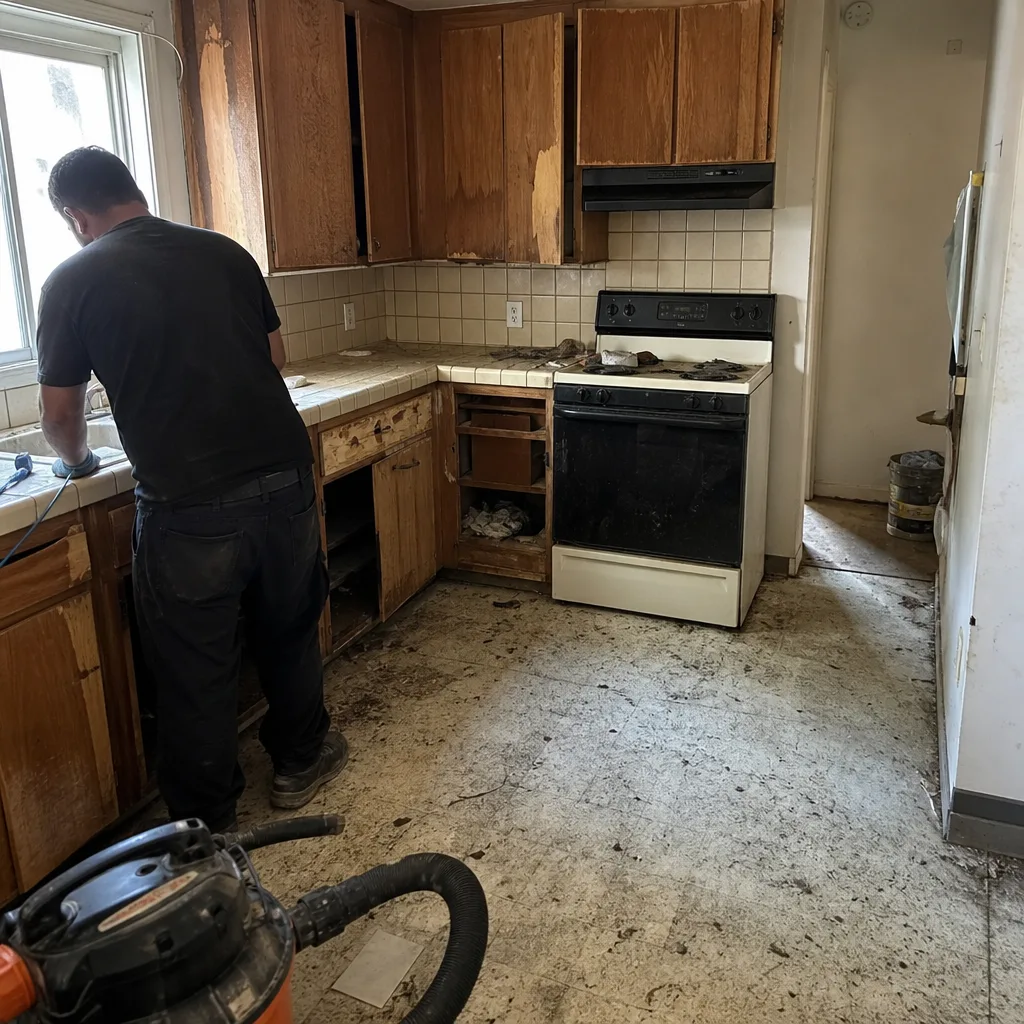 Before
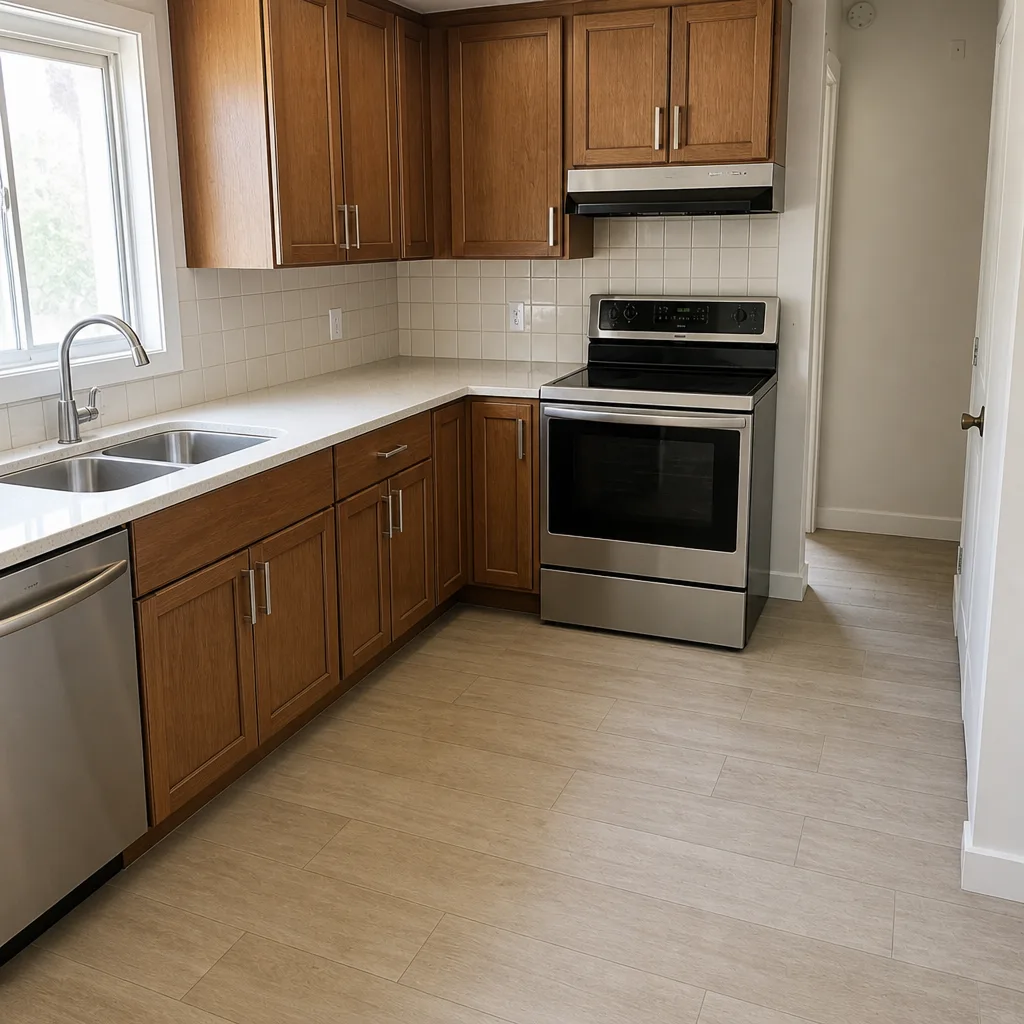 After
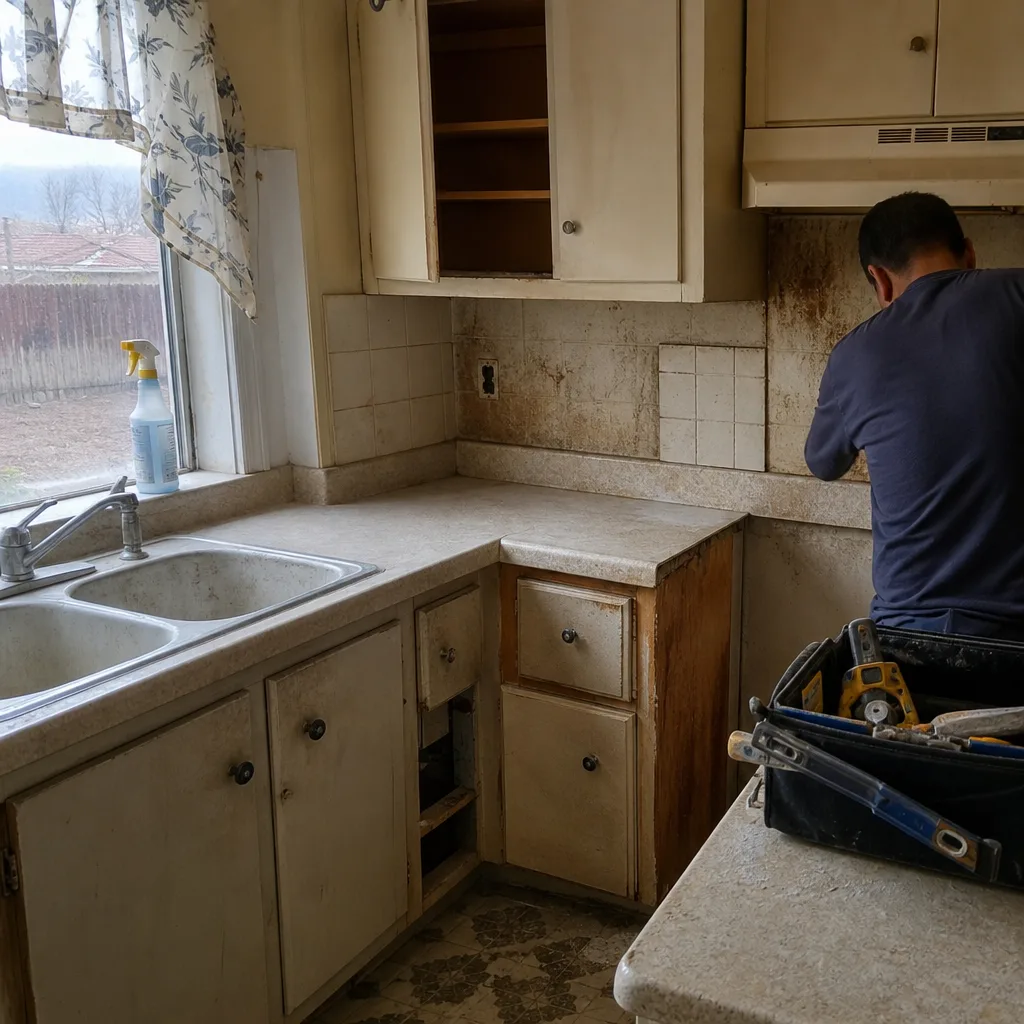 Before
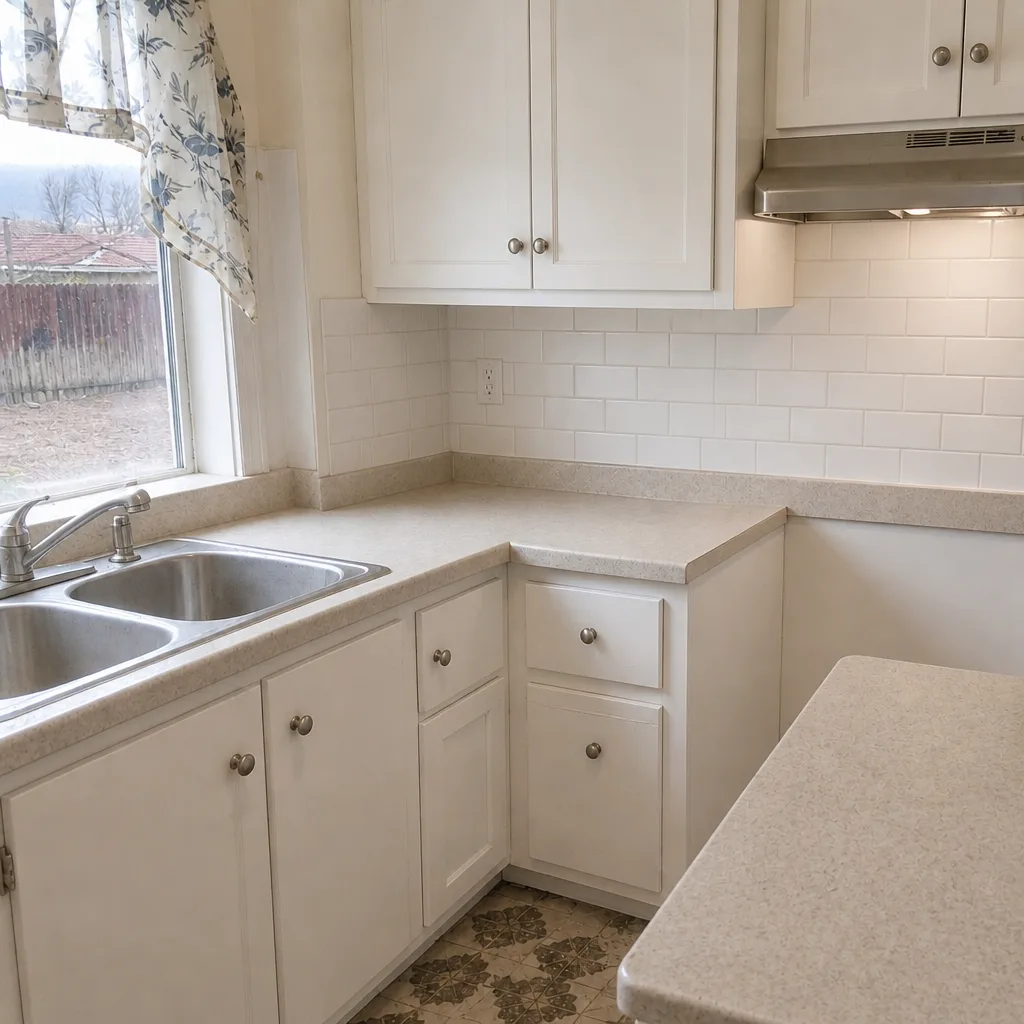 After
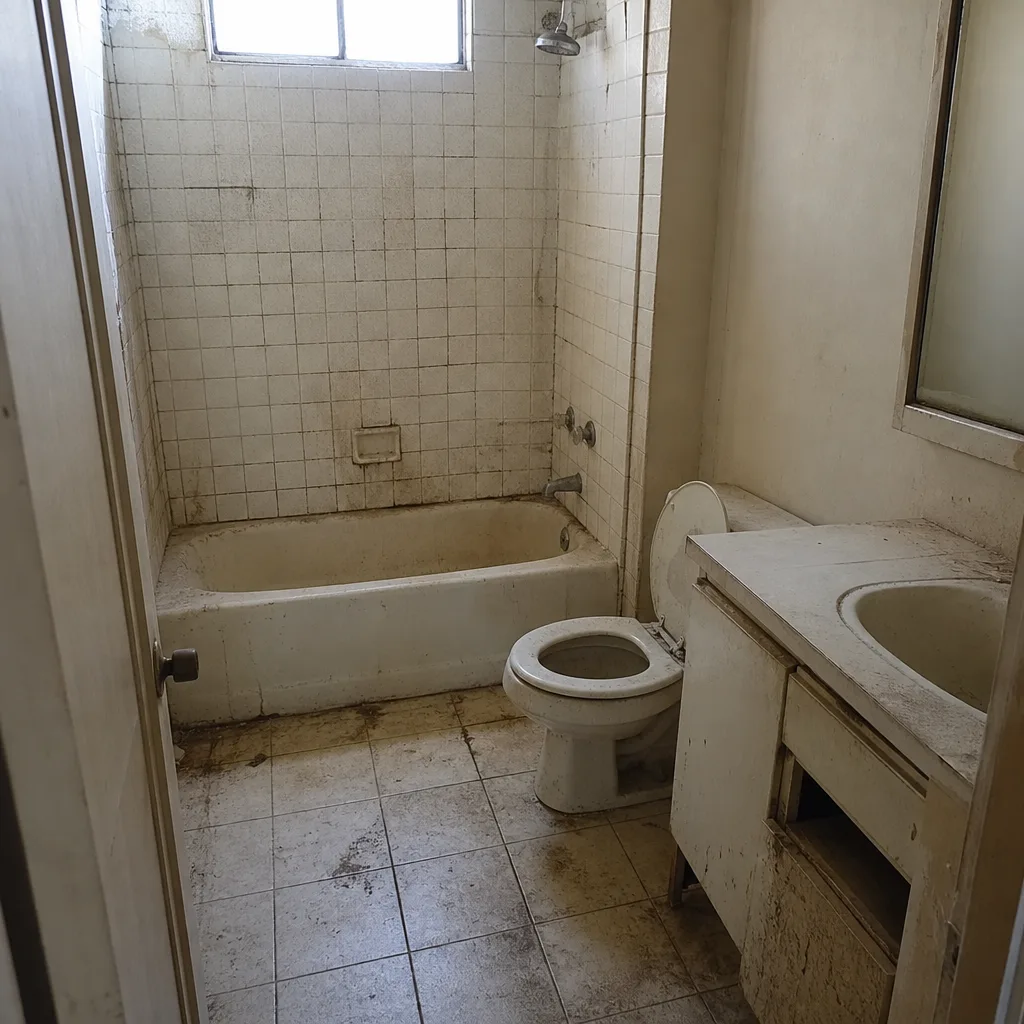 Before
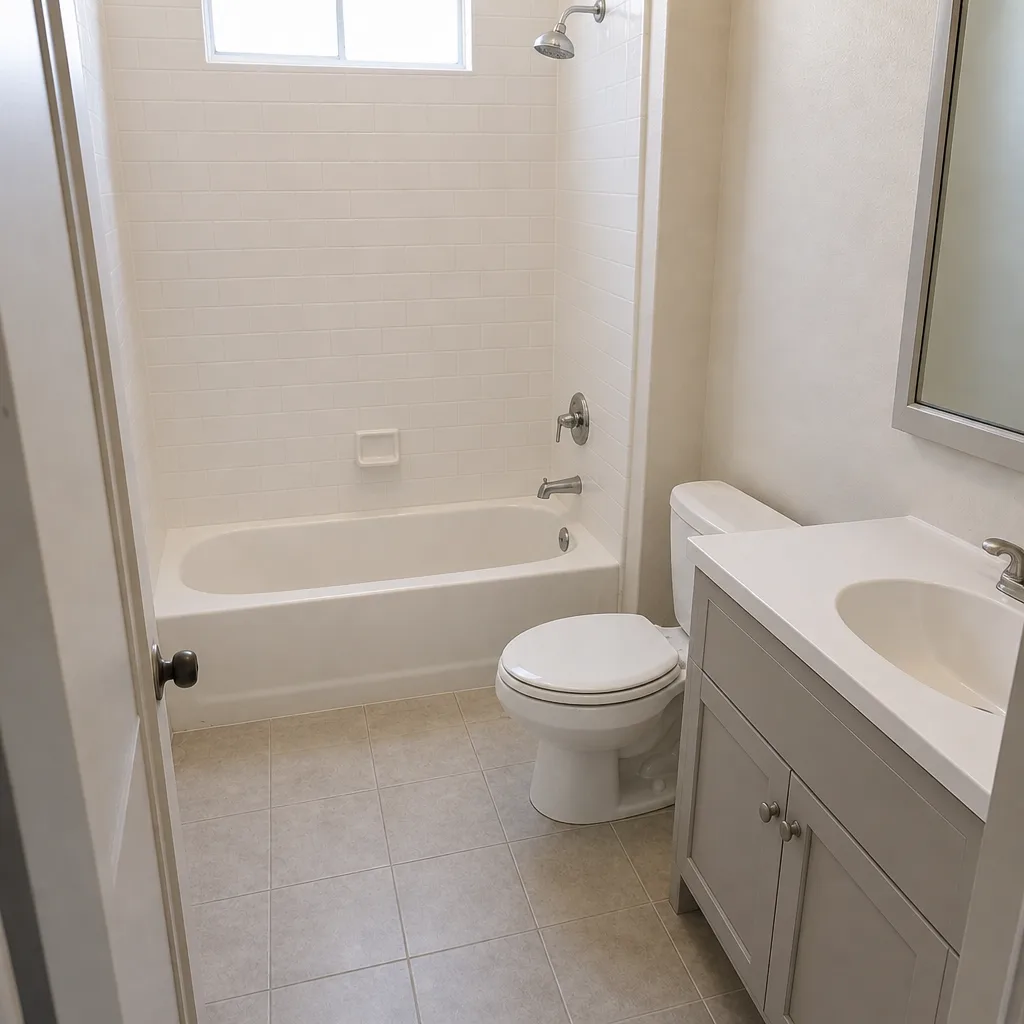 After
When to Call a Professional
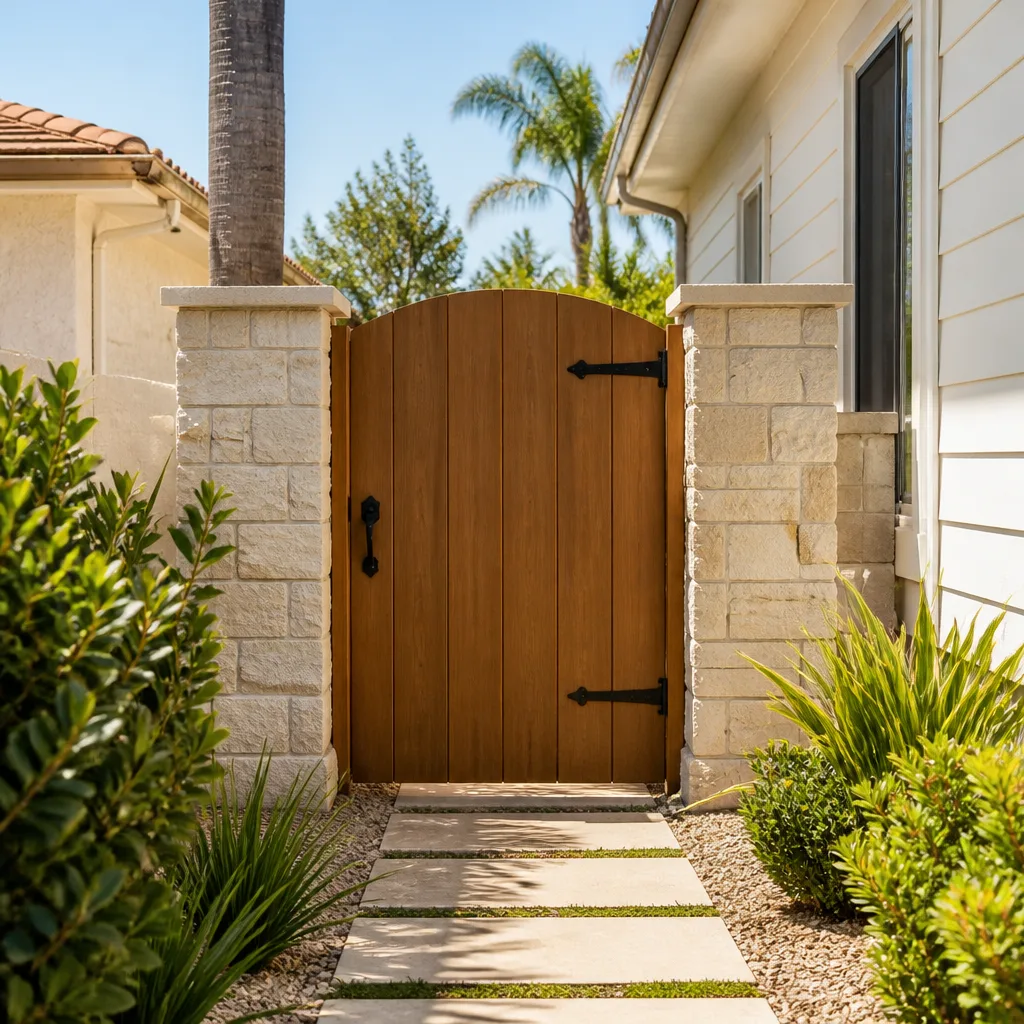
Call a professional when any part of the audit fails: no stated post depth, concrete “as needed,” no brand-named hardware, no soil discussion, no lien waiver, or an unverified permit question. Those are not minor omissions. Each one is a way the job fails quietly two seasons later, and each is cheap to fix in the paperwork. Fence installation is also genuinely physical work – machine augering past caliche, setting posts plumb on a string line across a long run, and building a gate that swings true. If your parcel hits hardpan or your run crosses a set-back line, the permit question alone is worth a call.
Rowan Construction Group Palmdale offers free estimates in Palmdale – call (844) 320-8244. We deliver a written flat price and written scope before any work starts, and no change proceeds without a signed change order.
Frequently Asked Questions
A bad fence quote omits specific numbers: no post depth in inches, concrete listed “as needed” instead of bags per hole, and no brand for hardware, fasteners, or stain. It also never mentions soil conditions. Any of these tells you the bid was written without a site visit or priced by guess. Call (844) 320-8244 for a free second opinion on any written estimate.
For a 6-foot fence, posts should be embedded roughly 30 inches, which reflects the IRC minimum of one-third post height plus six inches. In Palmdale’s decomposed granite, posts also need to go past the loose top layer into stable soil. A quote that states the depth in inches is the one you can trust.
It depends on your parcel. On LA County parcels, including unincorporated Palmdale, fences generally run to a 6-foot limit before a permit is required, and front-yard set-backs or corner lots can lower that threshold. A contractor who says “no permit needed” without checking your zoning is guessing. Have them pull your parcel’s zoning and answer in writing.
A lien waiver is a signed document confirming the contractor has paid the material supplier, so no supplier can file a lien against your property. California’s mechanics lien law allows suppliers to pursue you if the contractor didn’t pay. At final payment, ask for a signed unconditional waiver from the supplier and subcontractor. A contractor who can’t produce one is a financial risk.
It shouldn’t, if the quote is written properly. A flat written price with a written scope is the standard. If a bid comes in low and vague, the difference gets made up in change orders once caliche or a set-back issue turns up. At Rowan, no change proceeds without a signed change order – the discipline that keeps projects within a few percent of the agreed price. Call (844) 320-8244 for an exact quote.
Most residential fence runs take one to three days, depending on lineal feet, gate count, and how hard the caliche is to auger. Post curing adds time before panels go up, which is the step a rushed crew skips. The timeline should be in your written scope before work begins. Call (844) 320-8244 for an estimate.
The Bottom Line
Fence fraud and early failure are visible before the first hole is dug. The evidence lives in the written quote: post depth stated in inches, concrete measured in bags per hole, hardware and stain named by brand, a soil discussion that accounts for Palmdale’s decomposed granite and caliche, and a lien waiver you can collect at final payment. Watch the install for posts plumb on two faces, a string line down the run, and panels that wait for concrete to cure. Audit the paperwork, verify the permit against your parcel, and demand a written price before anyone starts. That is the whole guide, and it is enough to keep a fence standing through the winter. For a written fence estimate in Palmdale, start with our Fence Installation in Palmdale service page, then explore Driveway & Pavers in Palmdale and our Home Additions & ADU in Palmdale work, all from the Rowan Construction Group Palmdale home. Free estimates, written flat prices, no-hassle upfront pricing – call (844) 320-8244.
Written by the team at Rowan Construction Group Palmdale.