Last updated November 18, 2026
Free written scope consultation - allowances, timeline, and change-order rules on paper before a single trade is scheduled
Home Additions & ADU Maintenance Schedule: What to Do and When
Most homeowners in Palmdale do more preventive maintenance on their car than on the second structure sitting in their backyard. An accessory dwelling unit, or ADU, is a fully independent building with its own foundation, roof, plumbing, electrical panel, and weatherproofing. It needs its own maintenance calendar. Palmdale makes that calendar unusual: temperatures that run past 100°F in July and drop below freezing on winter nights push expansion and contraction through framing, stucco, and roof flashing at a rate that makes a coastal California schedule genuinely wrong. This guide lays out a month-by-month plan built for the Antelope Valley, plus the insurance and rental-legality items most owners overlook.
Quick Answer
An ADU in Palmdale needs four seasonal deep-checks a year – HVAC and roof before summer, stucco and drainage after the late-summer monsoon, plumbing insulation before the first freeze, and roof, fascia, and foundation-to-framing connections after Santa Ana wind events – plus monthly checks on smoke and CO detectors, GFCI outlets, and egress windows. Deferred maintenance on an ADU is not just cosmetic; it can void manufacturer warranties on roofing, windows, and HVAC equipment, and it can put your rental legality and insurance coverage at risk.
Styles & brands we work with
- Kitchen remodeling
- Bathroom remodeling
- Home additions & ADU
- Roofing
- Windows & doors
- Driveway & pavers
- Fence
Table of Contents
- Why Palmdale’s Climate Writes a Different Schedule
- The 12-Month ADU Maintenance Calendar
- What a Real Stucco Crack Inspection Involves
- The Foundation-to-Framing Check Almost Nobody Does
- Maintenance That Protects (or Voids) Your Warranties
- Insurance and Rental Legality Items
- Common Mistakes to Avoid
- When to Call a Professional
Why Palmdale’s Climate Writes a Different Schedule
Palmdale sits on the high desert floor, and that geography drives everything. A July afternoon at 104°F and a January night at 28°F is a swing of more than 75 degrees, and that swing repeats across the year. Every material in an ADU expands when it warms and shrinks when it cools. Framing moves. Stucco skin cracks. Roof flashing lifts a few thousandths of an inch at the edge, then settles back. Individually these movements are tiny. Cumulatively, across a decade, they are the reason a Palmdale ADU ages faster at its joints than one in Santa Monica.
Two more local factors matter. First, the dry-rot cycle: the Antelope Valley is dry most of the year, but the winter rain events and the occasional monsoon push moisture into wood that has been baked brittle by summer. Brittle wood takes on water faster and rots faster. Second, the seismic reality: Palmdale is close to the San Andreas fault, and small to moderate events move joints in the foundation and cripple walls that most homeowners never inspect. The schedule below treats those as standing items, not afterthoughts.
We’ve seen the result of a coastal schedule applied to a desert ADU. A homeowner in Quartz Hill followed an online checklist built for Orange County, which skips the pre-freeze plumbing step entirely. One cold snap later, a supply line to the ADU’s water heater split and the repair cost more than three years of routine maintenance combined. The good news is that the fix is a calendar, not a budget.
The 12-Month ADU Maintenance Calendar
Here is the schedule we recommend for a Palmdale ADU. Group the tasks by season so each one becomes a single weekend of work rather than a running to-do list.
Spring (March through May)
- HVAC filter and refrigerant check. Replace the filter before the first heat wave and have the system checked for refrigerant charge. A system running low on refrigerant in a 100°F+ summer works harder and can fail outright.
- Roof inspection before the dry season. Walk the perimeter with binoculars and check flashing at the walls and chimney. Any lifted edge is a leak waiting for the first winter rain.
- Clear the roof and gutters. In Palmdale, wind-blown dust and sand collect in gutters and on flat sections. That debris holds moisture against roofing material and shortens its life.
- Test smoke and CO detectors. Press the test button on every unit and replace the batteries. Do this on a fixed date every year so you don’t forget.
Summer (June through August)
- HVAC deep-check. Have a technician confirm the condenser coil is clean, the drain line is clear, and the system is holding its charge. Do this before July, not after the first failure.
- Inspect exterior caulking and window seals. Heat dries caulk and it pulls away from frames. Re-caulk while the weather is dry so the seal sets properly.
- Check the ADU’s exterior address number. Make sure it is visible from the street. This is an insurance and emergency-response item, not a cosmetic one.
Fall (September through November)
- Post-monsoon stucco inspection. After the late-summer rain events, walk every wall and mark any cracks with chalk. Then follow the crack-distinction method below before you patch anything.
- Pre-freeze plumbing check. Insulate any exposed pipe in the ADU’s crawl space or exterior wall, and make sure the water heater’s pressure-relief valve and drain pan are functioning. This is the single most important fall task in Palmdale.
- Clean the water heater. Drain sediment from a tank-style unit. Hard water in the Antelope Valley builds scale faster than most homeowners expect.
- Check weatherstripping on all doors. Worn seals let cold air in and drive up heating costs through the winter.
Winter (December through February)
- Post-Santa-Ana roof and fascia inspection. After any wind event, check the roof edge, the fascia boards, and any soffit vents. Wind lifts and loosens the very components that keep rain out.
- Inspect the foundation and crawl space. Look for new cracks or movement around the perimeter and, if accessible, check the anchor bolts and cripple wall bracing described below.
- Test every GFCI outlet and the egress window. These are rental-legality items and take ten minutes.
- Re-check drainage. Confirm that water from the roof and the surrounding grade moves away from the ADU’s foundation rather than pooling against it.
What a Real Stucco Crack Inspection Involves
Stucco cracking is normal in Palmdale, and most of it is harmless. The trick is telling a harmless crack from a structural one before you either panic or ignore a real problem. Here is the method a trained inspector uses, and the one we use on every ADU we evaluate.
- The 1/16-inch rule. Cracks narrower than 1/16 of an inch are almost always hairline shrinkage cracks caused by normal thermal cycling. They can be patched with exterior-grade caulk and repainted.
- Hairline vs. structural. A hairline crack runs in one direction, is stable from season to season, and shows no displacement on either side. A structural crack is wider, often stair-steps up a wall, and one side of the crack may sit higher than the other.
- Look at the pattern. Vertical cracks at corners and around window openings are common shrinkage. Diagonal cracks running from a corner of a door or window toward the ceiling deserve a closer look.
- Check the weep screed. The weep screed is the metal lip at the bottom of the stucco that lets moisture drain out. If it is blocked or buried by soil, water gets trapped behind the stucco and rots the sheathing.
- When an engineer is required. If a crack is wider than 1/16 inch, shows displacement, or appears suddenly after a tremor, don’t caulk it. A licensed engineer or a qualified contractor should evaluate it.
The decision rule is simple: if you can catch a fingernail in the crack, or if the two sides don’t line up, it needs a professional look. If it is a hairline, patch it and move on.
The Foundation-to-Framing Check Almost Nobody Does
Most Palmdale ADU owners never look below the floor line. That is a mistake. The connection between the foundation and the framing above it is what keeps a building standing during a seismic event, and it is also the area most likely to develop problems after years of thermal movement and settling.
Here is what a proper check involves. If your ADU has a raised floor or a crawl space, you can inspect from underneath. A slab-on-grade ADU has less to look at, but the perimeter still matters.
- Anchor bolts. These are the bolts that tie the wood sill plate of the framing to the concrete foundation. Look at each one and confirm it is tight, not rusted through, and still gripping.
- Cripple wall bracing. A cripple wall is the short wall between the foundation and the first floor. It needs plywood sheathing or metal bracing to resist lateral movement. If yours is unbraced and the ADU was built decades ago, that is a known seismic weakness.
- Sill plate condition. Check for rot or moisture damage at the sill plate, especially after a wet winter. A rotted sill plate means the framing is no longer securely tied to the foundation.
- Post-event inspection. After any earthquake you can feel, inspect these connections again before doing anything else. Small movement at the joints is the earliest sign of a problem.
This check is not a DIY fix. If you find an anchor bolt that is loose or a cripple wall that is unbraced, that is work for a contractor or engineer. But looking is something every owner can and should do on the winter calendar.
Maintenance That Protects (or Voids) Your Warranties
Manufacturer warranties are conditional documents. They assume a level of routine maintenance, and if you skip it, the warranty may not apply when a component fails. For a Palmdale ADU, the three warranty categories most likely to be affected are roofing, windows, and HVAC.
- Roofing (Owens Corning, GAF). Shingle warranties typically require that the roof be kept free of debris and that any damage from wind or impact be repaired promptly. In Palmdale, sand and dust accumulation is the most common cause of accelerated wear, and a manufacturer can point to it if you file a claim after years of no maintenance.
- Windows (Milgard, Andersen). Window warranties assume the perimeter seals and caulking are maintained. If water gets behind a window because the exterior caulk was never refreshed, that moisture damage is usually not covered.
- HVAC equipment (Carrier, Lennox). HVAC warranties almost always require documented annual maintenance. Missing filters and dirty coils both cause failures the manufacturer can classify as neglect rather than defect.
Keep your maintenance records. A dated record of filter changes, annual HVAC service, and roof cleaning is your evidence if a warranty claim ever comes up. If you’re planning a new addition or ADU and want a written scope that includes the maintenance schedule from day one, our Home Additions & ADU in Palmdale page explains how we build that documentation into the project.
Insurance and Rental Legality Items
An ADU that you rent out carries legal obligations that go beyond structure and safety. Four maintenance items directly affect your insurance coverage and your ability to rent legally in Palmdale. They take minutes each month and belong on the calendar.
- Working smoke and CO detectors. Test every unit monthly and replace batteries at least once a year. Both are required for rental legality, and a non-working detector can be grounds for an insurer to deny a claim.
- GFCI outlet function. Ground-fault circuit interrupters are required in kitchens, bathrooms, and other wet areas. Press the test button on each one monthly and confirm it trips. A failed GFCI is a code issue and a shock hazard.
- Egress window operation. Every sleeping room needs a window you can actually open from the inside to escape a fire. Open it and test the latch monthly. A window that is painted shut or stuck has failed as an egress.
- Exterior address number visibility. Emergency responders and insurers both care. The number should be visible from the street in daylight and ideally at night.
These four items are the ones we see most often deferred on rental ADUs. They’re not expensive to maintain, but each one can turn into a coverage dispute if it’s ignored.
Common Mistakes to Avoid
- Treating the ADU like an accessory. It has its own roof, plumbing, and electrical system. It needs a full building’s worth of maintenance, not a shed’s worth.
- Using a coastal maintenance schedule. Checklists built for moderate climates skip the pre-freeze pipe insulation and the post-wind roof check. In Palmdale, both are essential.
- Caulking a structural crack. Patching a wide or displaced crack hides the symptom while the underlying problem gets worse. Diagnose first, patch only hairline cracks.
- Ignoring the crawl space. Anchor bolts and cripple wall bracing go unchecked for years in most homes. A five-minute look each winter is worth it.
- Never refreshing exterior caulk. Summer heat pulls caulk away from windows and doors. Unmaintained seals are the most common warranty-voiding gap.
- Skipping HVAC filters in a hot climate. A dirty filter in a 105°F summer pushes the system hard enough to shorten its life and complicate a warranty claim.
- Letting the address number fade. It seems trivial until an emergency crew can’t find the unit. Keep it visible.
When to Call a Professional
Some of the calendar above is genuinely owner-level work: replacing HVAC filters, testing detectors, and clearing gutters. Other tasks are not. Call a professional when a stucco crack is wider than 1/16 inch or shows displacement, when an anchor bolt is loose or a cripple wall is unbraced, when the HVAC system won’t hold its refrigerant charge, or when you find active moisture or rot in a crawl space or sill plate. Roof work at height and anything involving the electrical panel are also jobs for a trained technician, not a ladder and a Saturday.
Rowan Construction Group Palmdale offers free estimates in Palmdale. Every project starts with a flat written price and a written scope before any work begins, a signed change order for any adjustment, and a documented photo record on every visit. Call (844) 320-8244 to schedule yours.
See the difference
 Before
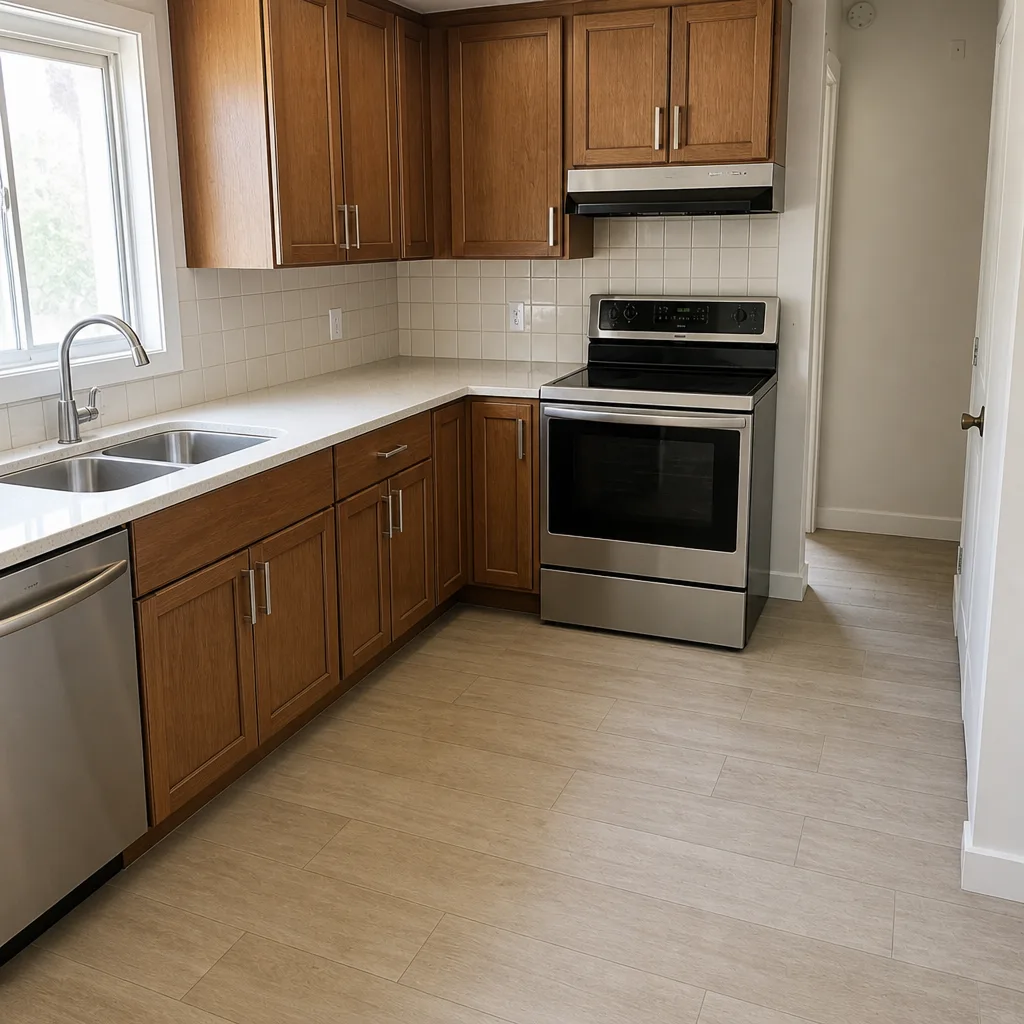 After
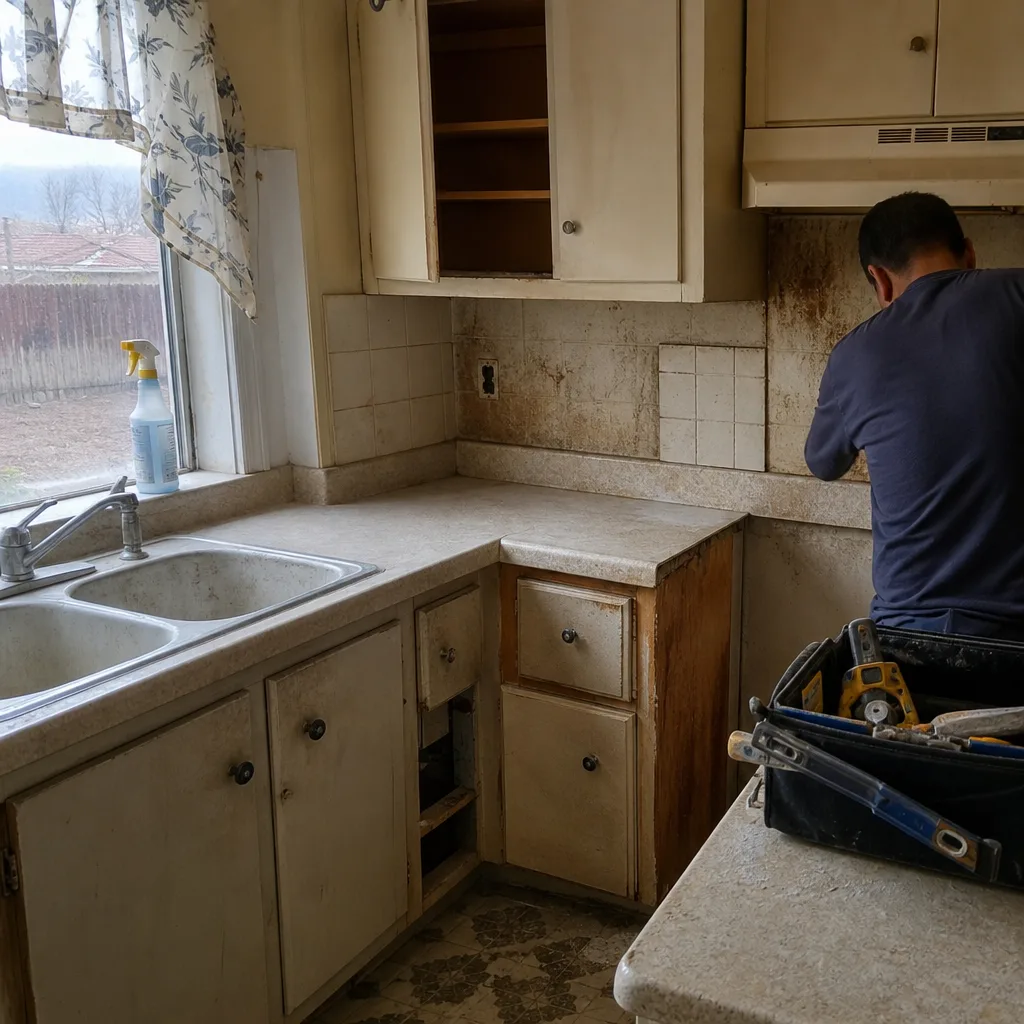 Before
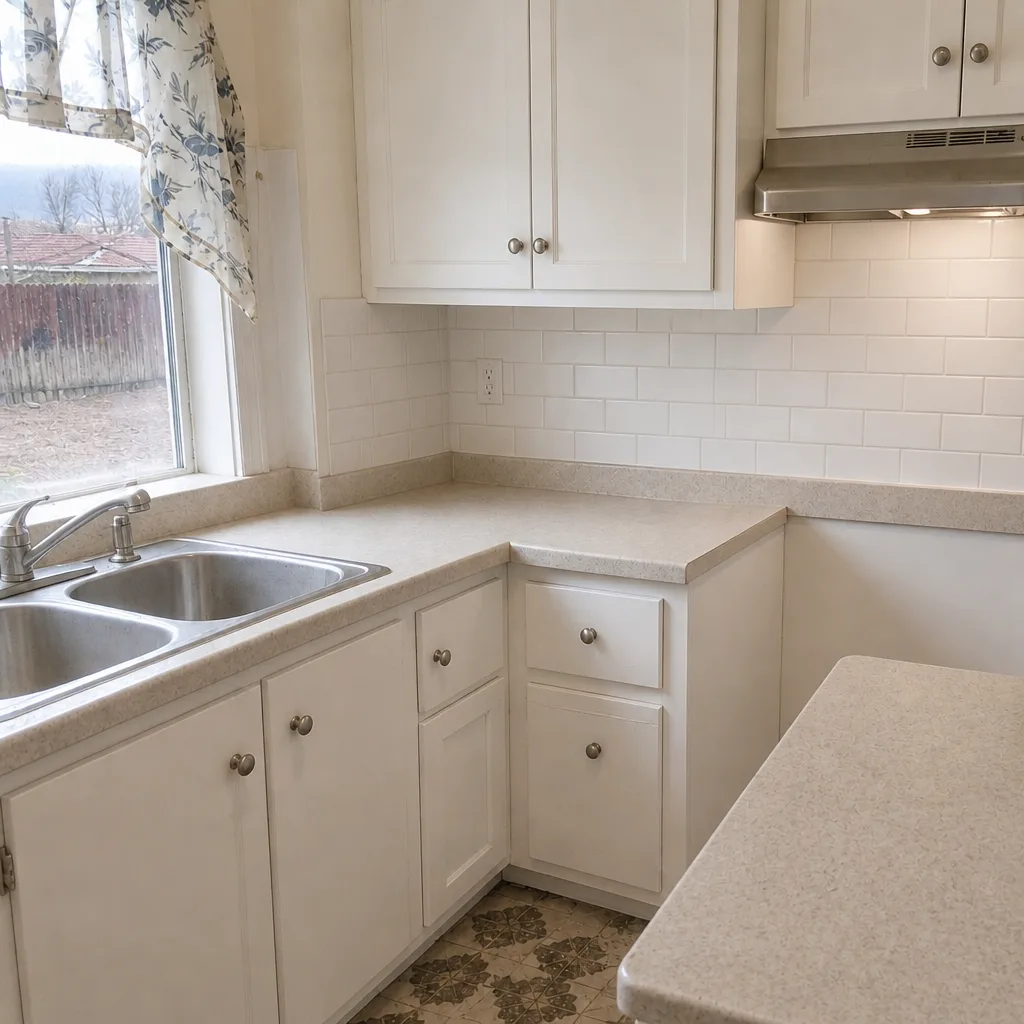 After
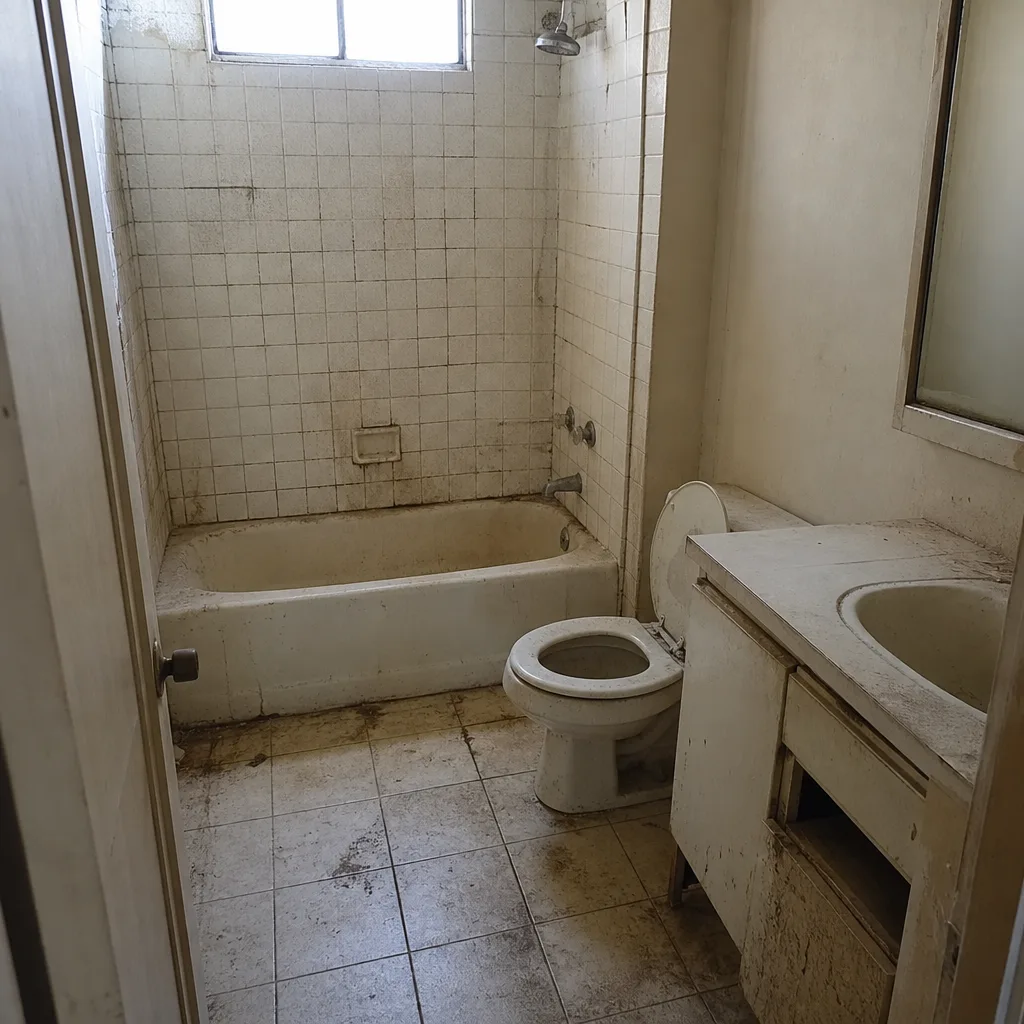 Before
 After
Frequently Asked Questions
Once a year in spring, before summer heat arrives, plus a filter change every one to three months depending on dust. Palmdale’s airborne dust and sand clog filters faster than in more humid climates, so a quarterly filter check is a reasonable baseline. Call (844) 320-8244 for a free estimate on service or system replacement.
Yes. Cracks narrower than 1/16 of an inch are normal shrinkage from the region’s large daily and seasonal temperature swings, and they can be patched with exterior-grade caulk. Cracks wider than that, or any crack where the two sides don’t line up, should be evaluated by a professional before you patch anything.
Working smoke and CO detectors, tested monthly; functioning GFCI outlets; an operable egress window in every sleeping room; and a visible exterior address number. These are the items insurers and rental regulations focus on, and skipping them can affect a claim or your legal ability to rent. Call (844) 320-8244 if you want a professional to check them alongside any other work.
Yes. Owens Corning and GAF shingle warranties, Milgard and Andersen window warranties, and Carrier and Lennox HVAC warranties all assume routine maintenance. Missing filters, dirty coils, and unmaintained window seals are the gaps manufacturers most often cite. Keep dated records of every service visit as evidence.
If your ADU has a crawl space, look at each anchor bolt for tightness and rust, and confirm the cripple wall – the short wall between foundation and first floor – is braced with plywood or metal. Check the sill plate for rot. If you find a loose bolt or unbraced wall, that’s work for a contractor or engineer, not a DIY fix.
Yes. Check the roof twice a year rather than once: in spring before the dry season and again after any Santa Ana wind event in winter. Wind lifts flashing and fascias, and dust accumulation accelerates wear. Roof work at height should be done by a trained professional.
The Bottom Line
An ADU is a building, and Palmdale’s heat, dry-rot cycle, wind events, and seismic activity make its maintenance schedule unlike one built for a coastal climate. The core of it is four seasonal deep-checks a year, monthly checks on the safety and rental-legality items, and an annual look at the foundation-to-framing connection most owners never inspect. Do those, keep dated records, and you protect your structure, your warranties, your insurance coverage, and your ability to rent the unit legally. Defer them, and the repair bill is always larger than the calendar. Your Palmdale home is the bigger system – see our Rowan Construction Group Palmdale home page for the rest of it, our Driveway & Pavers in Palmdale guide for the hardscape around both structures, and our Fence Installation in Palmdale page for the property line that frames it.
Ready for a documented check or a written scope for a new ADU? Call Rowan Construction Group Palmdale at (844) 320-8244 for a free estimate. We bring the written price, the signed change order discipline, and the photo record on every visit.
Written by the team at Rowan Construction Group Palmdale.