Last updated November 18, 2026
Free written scope consultation - allowances, timeline, and change-order rules on paper before a single trade is scheduled
The Complete Driveway & Pavers Guide for Palmdale Homeowners
Here’s the number most paver guides get wrong: in Palmdale you need 6 to 8 inches of compacted Class II base, not the 4 inches every coastal California guide recommends. The difference isn’t a marketing upsell. Palmdale sits at roughly 2,600 feet in the Antelope Valley, where expansive clay soils, hard freeze-thaw cycles, and July surface temperatures that push past 160°F rewrite the spec sheet. A driveway that performs in Santa Monica will shift and rut in Palmdale within two seasons. This guide covers base depth, polymeric sand that survives the heat, AV-20 wind restraint, current Palmdale costs by paver type, and the LA County versus City of Palmdale permit split most contractors gloss over.
Quick Answer
Driveway pavers in Palmdale typically run $14 to $28 per square foot installed, which puts a standard 500-square-foot two-car driveway at roughly $7,000 to $14,000 depending on material. That price reflects the deeper base required by Palmdale’s clay soils, not a coastal 4-inch spec, and proper edging restraint for high-desert wind. Permits come from LA County for unincorporated parcels and the City of Palmdale for parcels inside city limits.
Styles & brands we work with
- Kitchen remodeling
- Bathroom remodeling
- Home additions & ADU
- Roofing
- Windows & doors
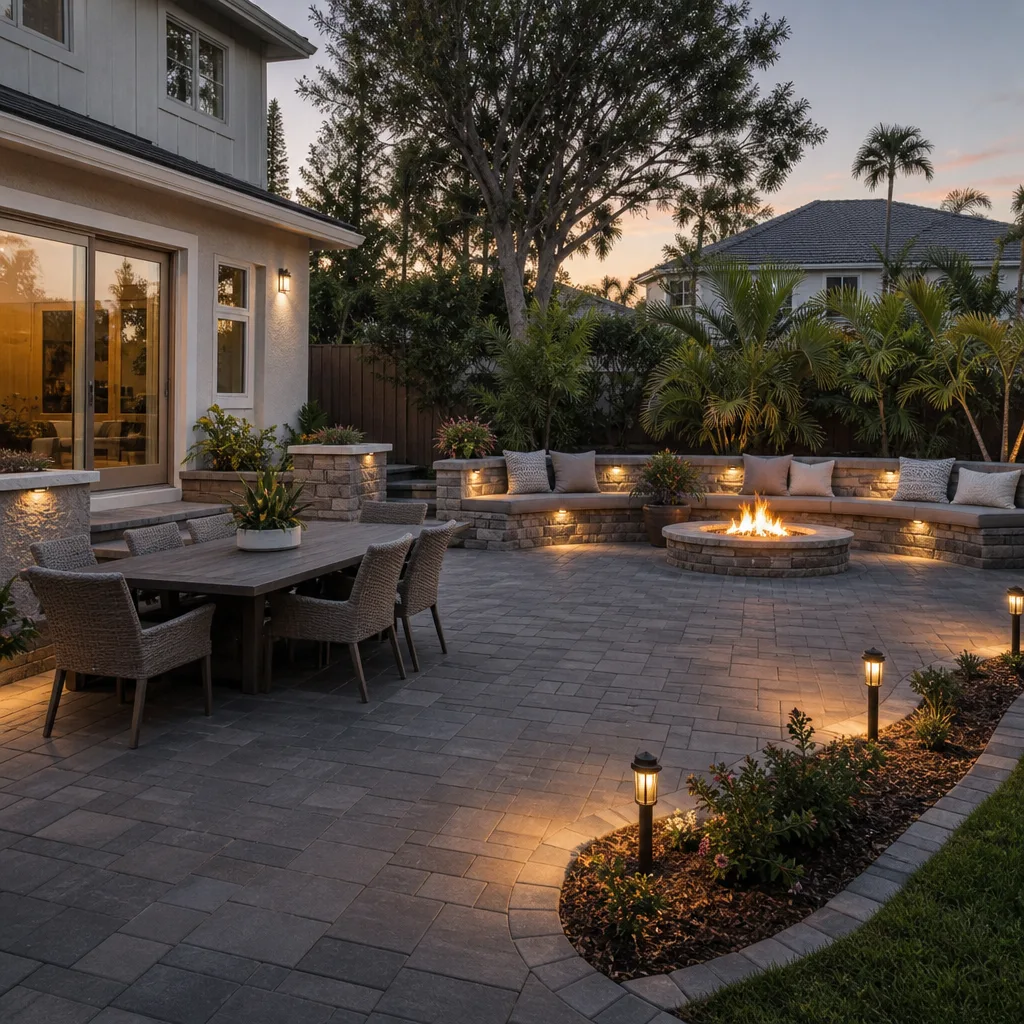
- Driveway & pavers
- Fence
Table of Contents
- Why Base Depth in Palmdale Starts at 6 Inches, Not 4
- How 150°F Surface Temps Change Polymeric Sand and Paver Choice
- AV-20 Wind Zones and Edging Restraint in the Antelope Valley
- What Pavers Cost in Palmdale, By Material
- LA County vs. City of Palmdale: Two Different Permit Paths
- Concrete, Travertine, or Permeable: Choosing for This Climate
- The Installation Sequence, Step by Step
- Maintaining a Palmdale Paver Driveway
Why Base Depth in Palmdale Starts at 6 Inches, Not 4
Base depth is the single spec that determines whether a paver driveway lasts fifteen years or two. The base is the compacted aggregate layer between your native soil and the pavers. It spread the load of vehicles, drains water, and keeps the pavers from rocking. In coastal soils with low clay content, 4 inches of compacted Class II aggregate is standard. In Palmdale’s expansive clay, 4 inches is a recipe for movement.
Expansive clay is soil that swells when it absorbs water and shrinks as it dries. Palmdale’s clay-heavy soils move with the seasonal swing between winter rains and summer drought, and that movement is transmitted upward into anything rigid sitting on top. Here’s what we’ve seen after enough Palmdale installs to recognize the pattern:
- 6 inches compacted minimum for pedestrian and light vehicle loads in Palmdale clay.
- 8 inches compacted where the driveway takes heavy trucks, RVs, or where the native clay is especially plastic.
- Geotextile separation fabric between native soil and aggregate in most Palmdale lots, to stop clay fines from pumping up into the base.
- Compaction in lifts of 2 to 3 inches, each one run with a plate compactor, never dumped and rolled once.
That deeper excavation is real cost: more aggregate, more haul-away of clay spoils, more compaction time. It’s also the difference between a driveway that stays flat and one that develops the ridge-and-rut pattern common on Palmdale streets built on shallow base. When we quote a Driveway & Pavers in Palmdale project, the base depth is written into the scope so you can see exactly what you’re paying for.
How 150°F Surface Temps Change Polymeric Sand and Paver Choice
Palmdale surface temperatures are the second variable most guides ignore. On a July afternoon, dark pavers in direct sun can read well above 150°F. That heat affects two things: the polymeric sand that locks the joints, and the pavers themselves.
Polymeric sand is the stabilized joint sand that hardens and keeps joints from washing out. Standard formulas cure too fast in Palmdale heat, curing unevenly and leaving soft spots that erode the following winter. Look for sand rated to ICPI specifications and labeled for high-temperature applications, and expect installation timing to matter as much as the product. Crews should place and cure polymeric sand in cooler morning hours in summer, and the joint should be watered in per the manufacturer’s spec, not over-wetted.
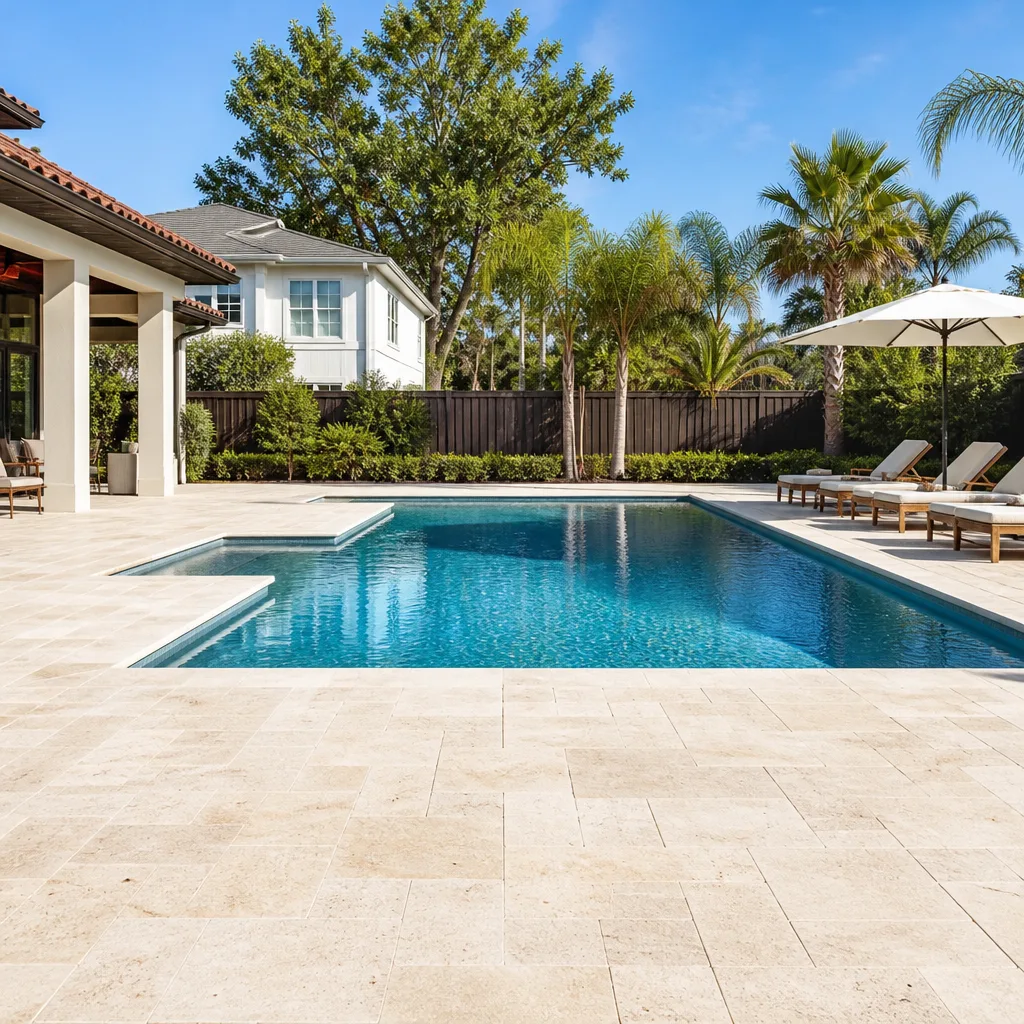
On the paver itself, lighter colors reflect heat and stay cooler underfoot. Travertine and light-toned concrete pavers run measurably cooler than charcoal or dark-red units. If your driveway faces south or west, that color choice affects barefoot comfort and the load the surface passes to the base.
AV-20 Wind Zones and Edging Restraint in the Antelope Valley
Palmdale’s wind is a structural factor, not a nuisance. Antelope Valley parcels commonly fall into high-wind exposure categories, and your paver edge is the most vulnerable part of the system. The edge restraint is the rigid border that holds the pavers against lateral movement. Underbuilt restraint lets the field spread, open joints, and pull away from the driveway edge.
What holds up in Palmdale:
- Spiked edge restraint anchored into the compacted base, not just into loose soil, with spike spacing tightened for wind exposure.
- Concrete curb restraint on driveways with long unsupported runs or heavy vehicle loads, poured against the base rather than set on top of it.
- Properly chained or bonded edge transitions where the driveway meets grading or walls, so wind-driven sand doesn’t scour the joint open.
What pulls out: plastic edge restraint spiked only into soil, edging set on a shallow base, and any restraint installed at coastal spike spacing. We’ve seen edges on Palmdale driveways lift within a single windy spring when the restraint was underbuilt. If you’re adding perimeter elements, this is also the point where a Fence Installation in Palmdale plan should coordinate post footings with the driveway edge so neither undermines the other.
What Pavers Cost in Palmdale, By Material
Palmdale costs reflect the labor, base depth, and material delivery into the Antelope Valley. Hauling aggregate and pavers up from the valley floor adds to the number compared to low-elevation projects. Here are realistic installed ranges, base and all, in current dollars:
- Standard concrete pavers: $14 to $19 per square foot installed. The workhorse option, widest color range, holds up well with the deeper base.
- Premium concrete pavers (Belgard, Techo-Bloc): $17 to $24 per square foot installed. Better dimensional consistency and color-thru faces.
- Travertine: $20 to $28 per square foot installed. Runs cooler underfoot, but the natural surface and freeze-thaw behavior need careful sealing and slope.
- Permeable pavers: $18 to $26 per square foot installed, plus base and drainage design. A stronger option on lots with drainage challenges or where runoff must be managed on-site.
A 500-square-foot two-car driveway lands roughly $7,000 to $14,000 installed depending on material and base conditions. A 1,000-square-foot driveway with an RV pad lands $14,000 to $28,000. Those are ranges, not quotes. Under Clause 1 of the Haven Standard, the actual price is written with a full scope before any work starts, so you can compare it line by line.
If you’re comparing a paver driveway against other exterior work on the same lot, or planning a garage conversion that changes how the driveway is used, the sequencing matters. Our Home Additions & ADU in Palmdale projects regularly rebuild driveways to match new access points, and pairing those scopes saves excavation.
LA County vs. City of Palmdale: Two Different Permit Paths
Permit jurisdiction in Palmdale depends on which side of the line your parcel sits on, and the two paths differ. Parcels inside City of Palmdale limits pull permits through the city’s building division. Parcels in unincorporated Palmdale pull through LA County’s building and safety department. Same street address format, different office, different submittal requirements.
Generally, you’ll need a permit when the project changes drainage, alters the grade, involves new hardscape that affects stormwater flow, or crosses a right-of-way. A straight replacement of like-for-like pavers on an existing footprint sometimes clears without one. A new driveway, widened driveway, grading change, or any work affecting a drainage course almost always needs a permit and inspection.
- Confirm your jurisdiction. Check the parcel against the City of Palmdale versus LA County boundary map before anything else.
- Ask about drainage and grading. Both jurisdictions care about where water goes after your site drains, and Palmdale has stormwater requirements tied to the desert watershed.
- Get the permit before demolition. Inspections cover the base before pavers go down, so the sequence is fixed.
- Keep the inspection record. It documents the job for future resale and any later grading questions.
Whether work permits or not, we write the determination into the written scope. If a permit is needed, the price includes it. That’s the discipline behind the Rowan Construction Group Palmdale home approach to every trade.
Concrete, Travertine, or Permeable: Choosing for This Climate
Material choice in Palmdale is a trade between heat performance, freeze-thaw behavior, maintenance, and budget.
Concrete pavers are the balanced default for most Palmdale driveways. They resist freeze-thaw well, come in the widest color and pattern range, and their dimensional consistency makes a tight, crisp install. Brands like Belgard and Techo-Bloc are the ones we spec for consistency from pallet to pallet.
Travertine runs cooler and looks warmer, but its natural surface needs attention. In Palmdale’s hard freeze-thaw it should be installed with the deeper base, careful slope, and a sealer suited to a natural stone face on a high-desert site. It’s the right pick for the cooler-feel requirement on a south-facing drive.
Permeable pavers are the drainage solution. If your lot pools water or you need to manage runoff on-site, permeable units let water pass through the joints and base into the ground. They carry a higher base and drainage design cost, but they solve a site problem a solid driveway can’t.
Whatever material you choose, the joint stabilization, base spec, and restraint matter more than the surface brand. A mid-tier concrete paver on an 8-inch compacted base beats a premium stone on 4 inches every time in Palmdale.
The Installation Sequence, Step by Step
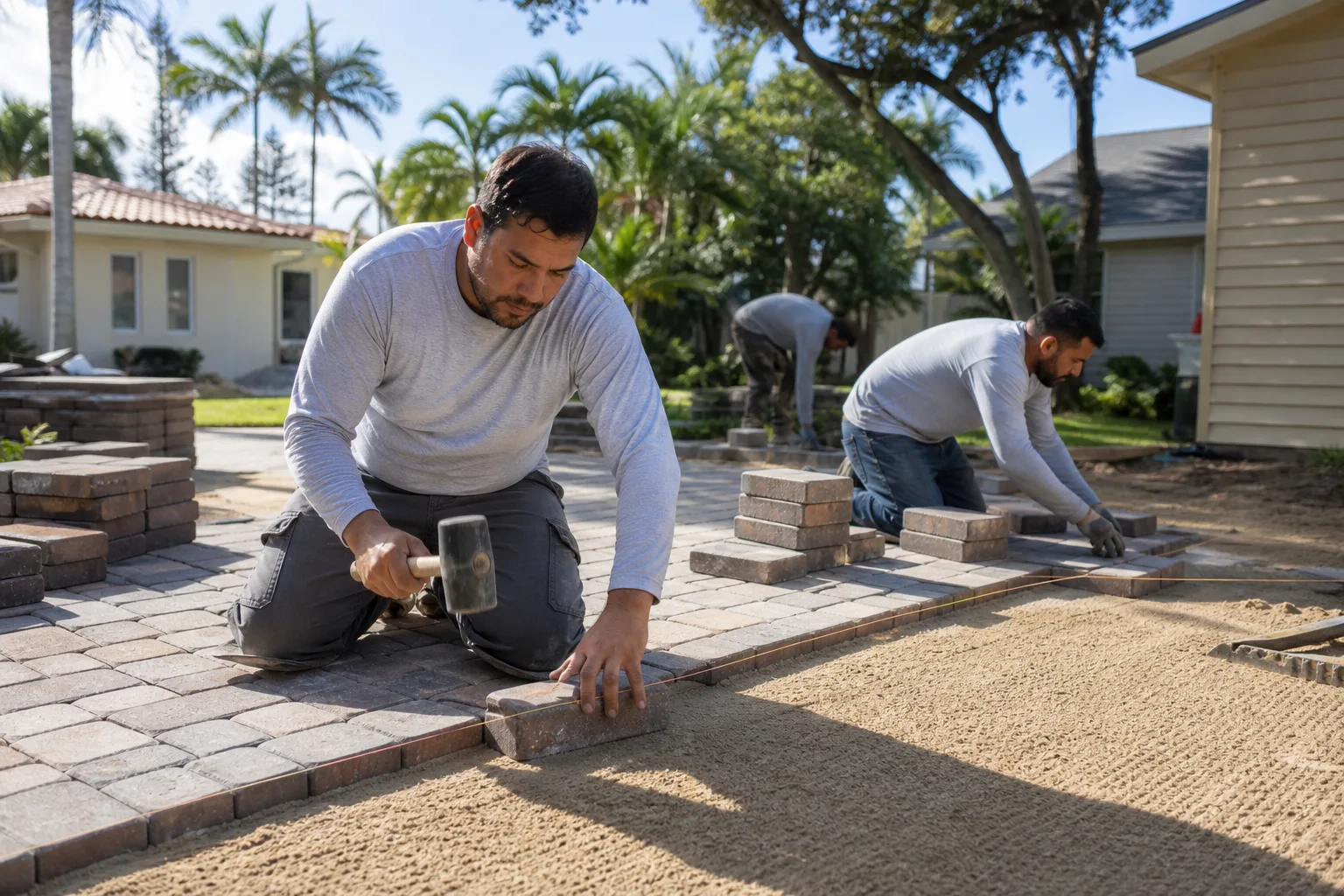
A paver driveway is built from the bottom up, and each step can’t be skipped. Here’s the sequence a Palmdale install should follow:
- Confirm jurisdiction and pull the permit (LA County or City of Palmdale), and confirm drainage and grading requirements.
- Excavate to depth. That’s paver thickness plus bedding sand plus 6 to 8 inches of compacted base below finished grade.
- Compact native subgrade and inspect for soft or expansive spots.
- Lay geotextile separation fabric to keep clay fines out of the base.
- Place Class II aggregate in 2 to 3 inch lifts, compacting each lift with a plate compactor. This is where most shortcuts happen and where the lasting difference is made.
- Install edge restraint spiked into the compacted base, tightened for wind exposure.
- Set 1 inch of bedding sand, screeded level and consistent; too thick and it settles unevenly.
- Lay pavers in the selected pattern, cut edges, and set the field tight.
- Compact the field, then sweep in ICPI-rated polymeric sand and water in per manufacturer spec, in cooler hours in summer.
- Final inspection with the documented photo record of base, restraint, and joint completion.
That record is a standard deliverable on every Rowan visit. You see the base before it’s covered, the restraint detail, and the finished joint. Photos, not a verbal assurance.
Maintaining a Palmdale Paver Driveway
A correctly built paver driveway in Palmdale is low maintenance, but low is not none. The heat, wind, and clay all keep working after install.
- Re-sweep joint sand each spring. Wind scour in the Antelope Valley can open joints over a season. Top off with the same ICPI-rated polymeric sand.
- Watch the edges. Any restraint lift or spreading field means the base or restraint is losing to the wind, and it’s cheaper to fix early.
- Seal only when needed. On travertine and natural stone, reseal per product spec, not yearly. On concrete pavers, a sealer is optional and depends on the finish you want.
- Keep drainage clear. In a desert watershed, a blocked swale or drain pushes water into the base, which is exactly what expansive clay doesn’t need.
- Address cracks and shifts early. A single settled paver is a joint issue; a row of settled pavers is a base issue.
Common Mistakes to Avoid
- Using a coastal 4-inch base. The single most common failure in Palmdale. Expansive clay will move the pavers within a couple of seasons without 6 to 8 inches of compacted base.
- Running standard polymeric sand. Extra-hot surface temps cure it unevenly, and the soft joints wash out the first winter. Use ICPI-rated high-temp formula.
- Spiking edge restraint into loose soil. In a wind exposure zone, the edge needs to anchor into compacted base. Loose-soil spikes pull out.
- Excavating without checking permit jurisdiction. A City of Palmdale parcel and an unincorporated LA County parcel take different paths, and getting it wrong mid-project costs time.
- Skipping the geotextile fabric. Without separation fabric, clay fines pump up into the base and the driveway stops draining.
- Compacting in one deep lift. Aggregate has to go in 2 to 3 inch lifts. Dumped and rolled once leaves soft spots that settle.
- Picking a dark surface on a south-facing drive. Surface temps over 150°F make dark pavers uncomfortably hot and stress the joint sand.
See the difference
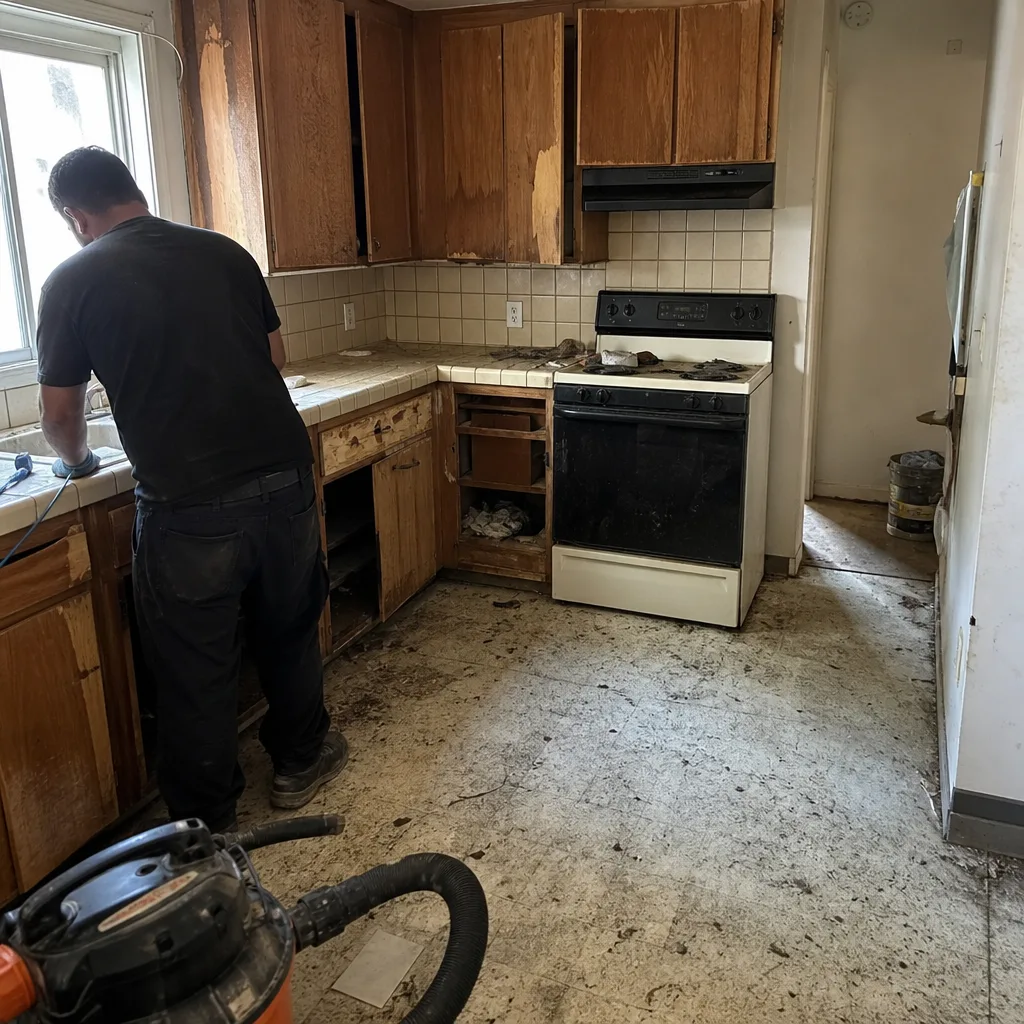 Before
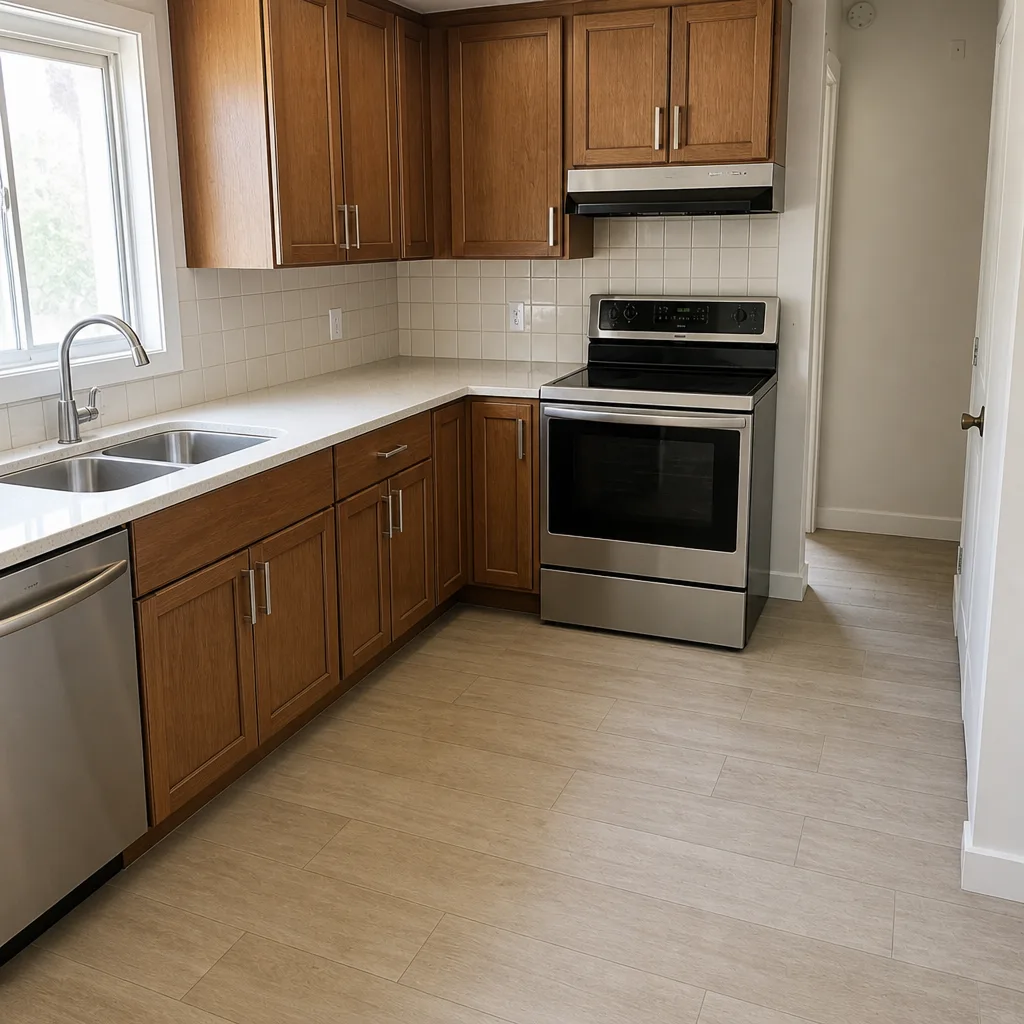 After
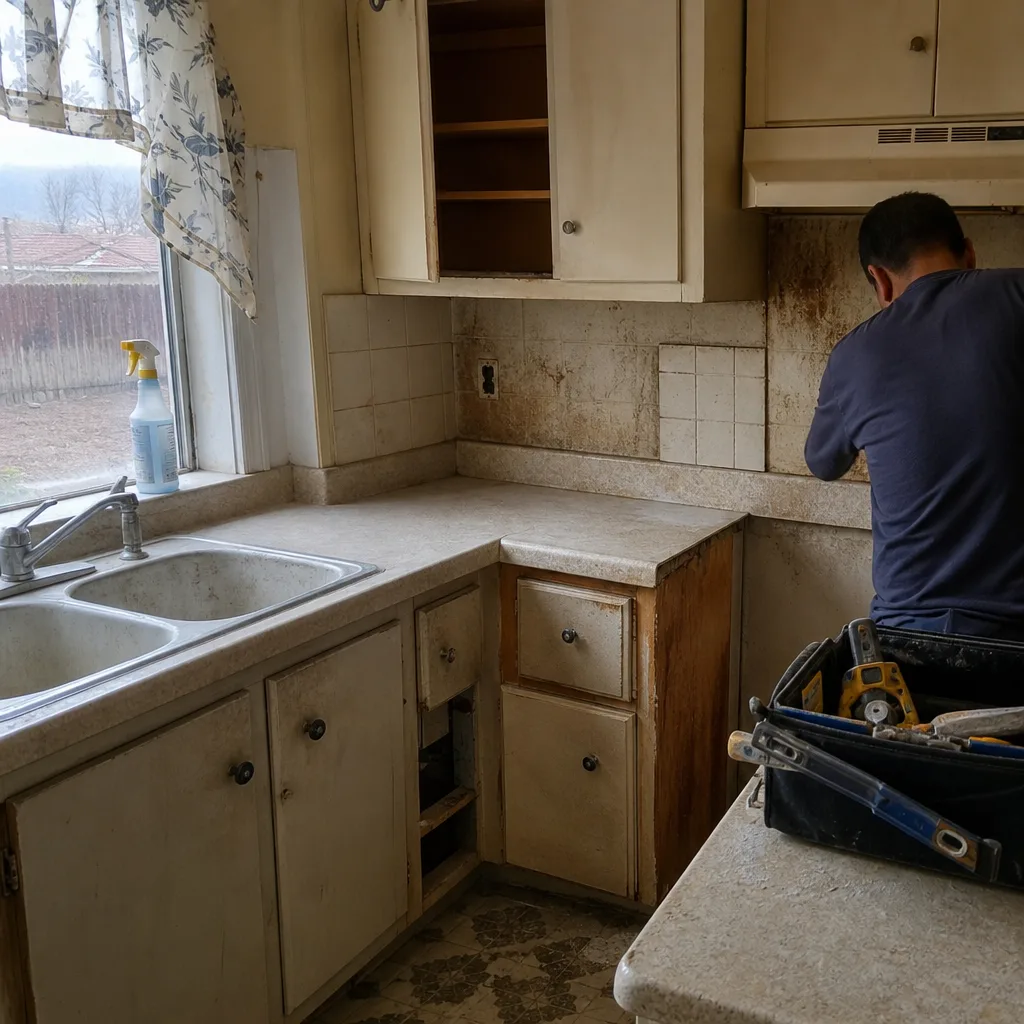 Before
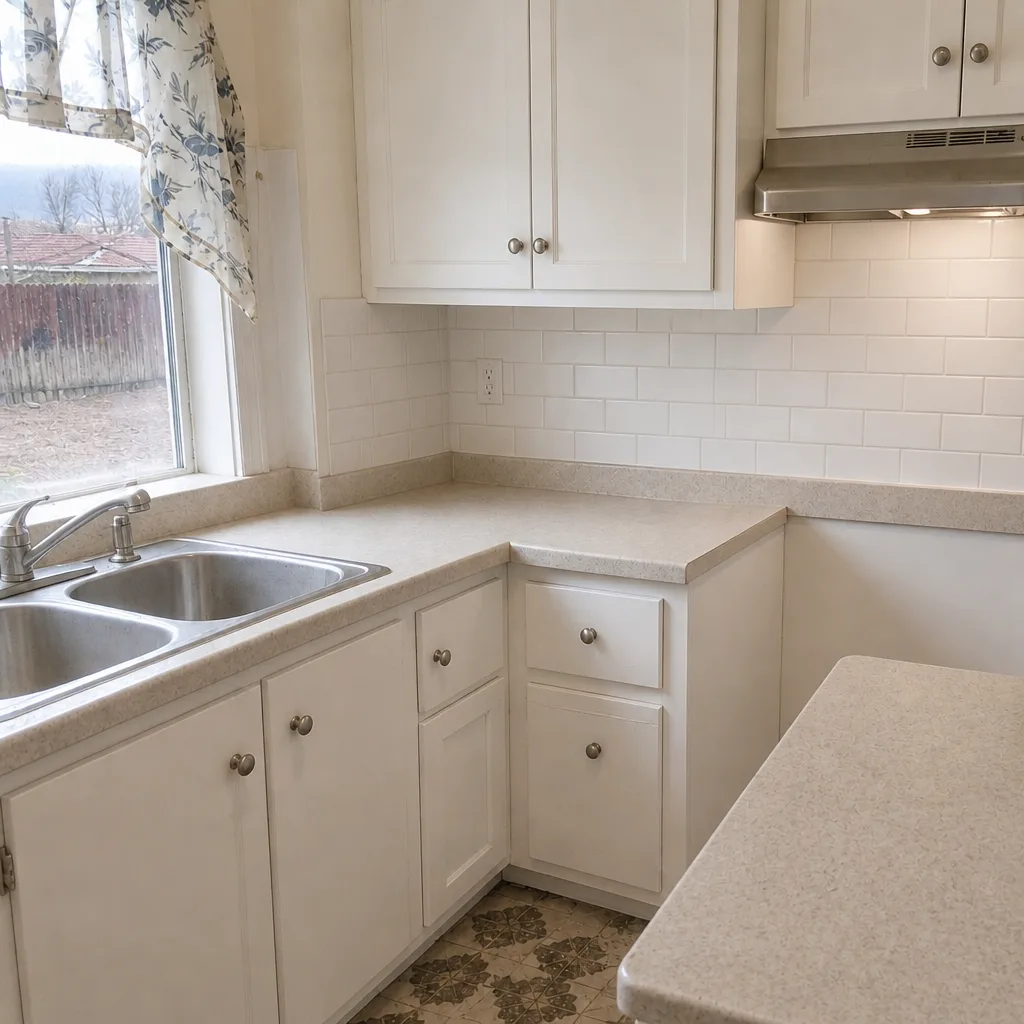 After
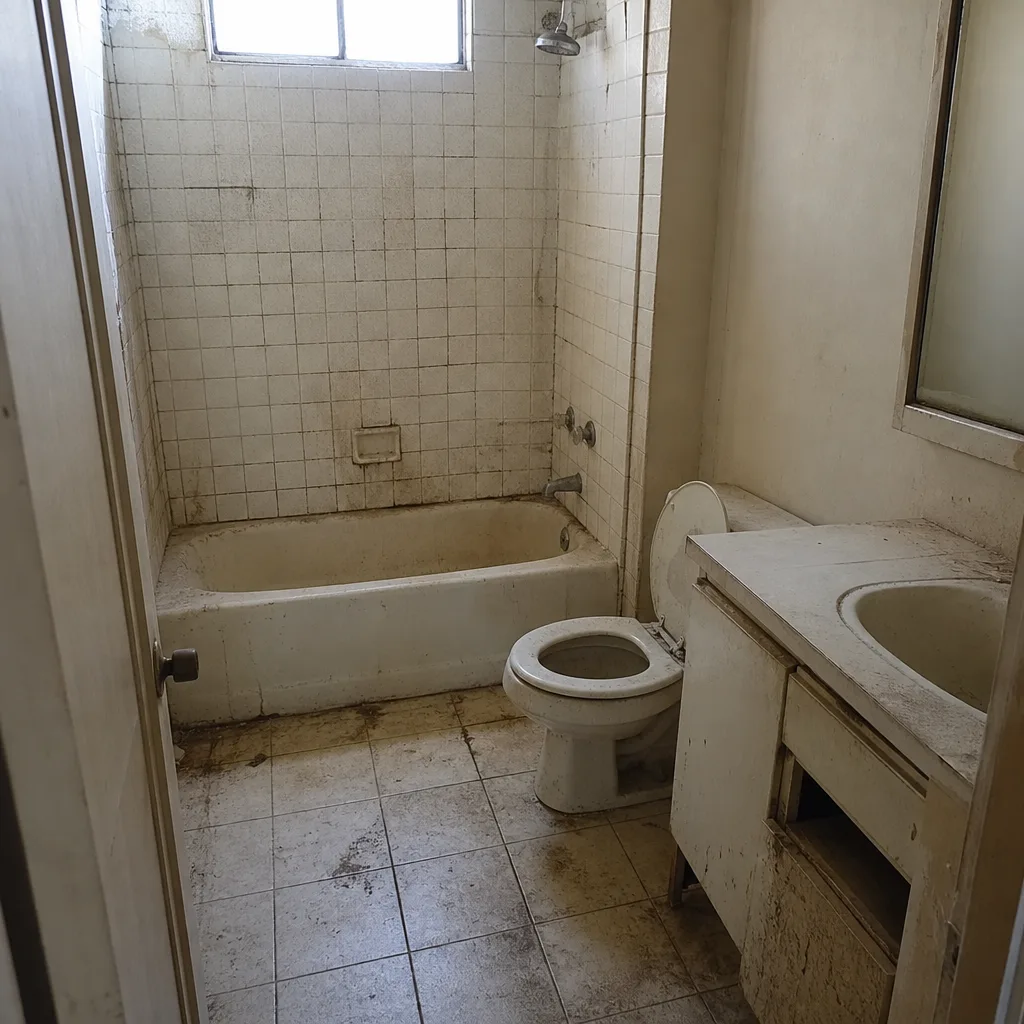 Before
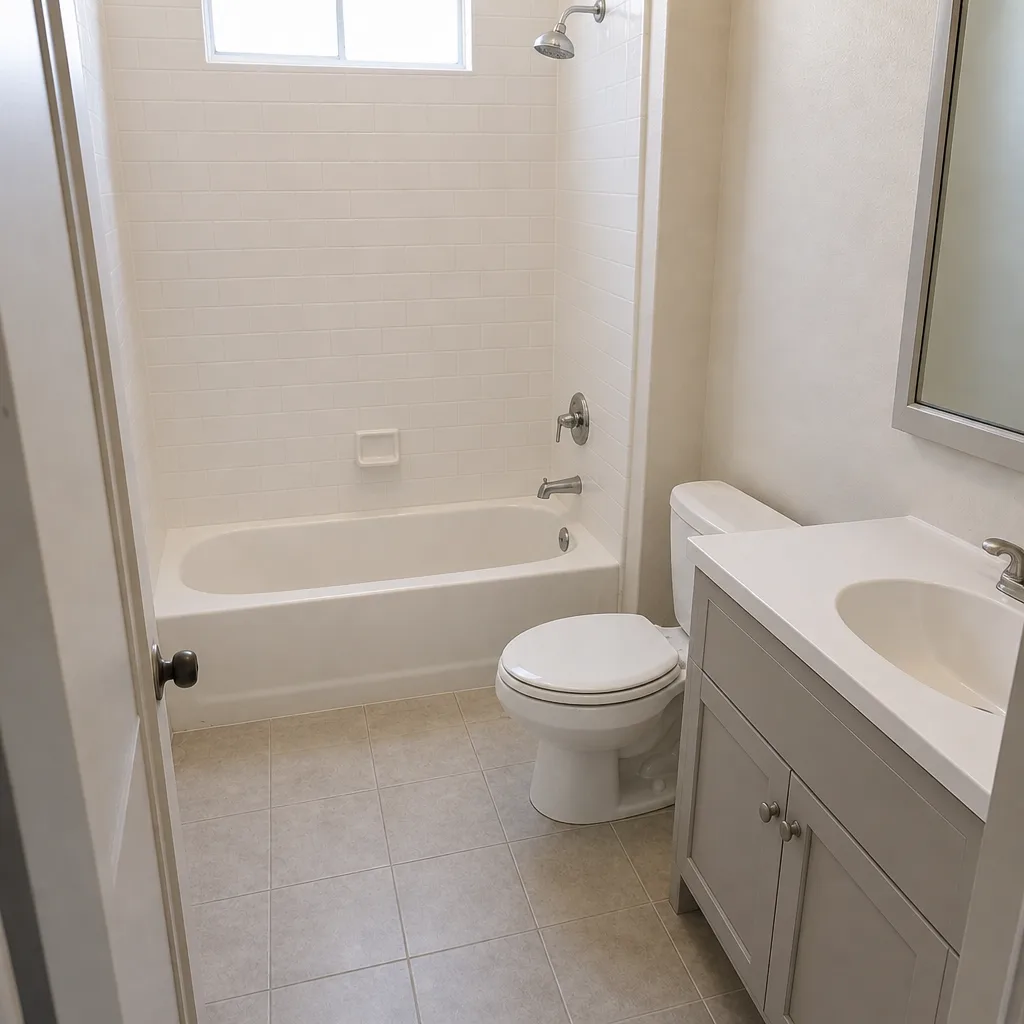 After
When to Call a Professional
If you’re replacing a couple of popped pavers or re-sweeping joint sand, that’s a homeowner task. But these situations call for a professional: any new driveway or widened footprint, any project on Palmdale’s expansive clay, any drainage or grading change, edge restraint that’s lifting, a field that’s spreading, and any work that touches a right-of-way or needs a permit. The base work is where the money and the risk sit, and an underbuilt base is far more expensive to fix than to do right. Rowan Construction Group Palmdale offers free estimates in Palmdale. Call (844) 320-8244 to schedule yours.
Frequently Asked Questions
A paver driveway in Palmdale runs roughly $14 to $28 per square foot installed, which puts a standard 500-square-foot two-car driveway at about $7,000 to $14,000. The range reflects the deeper base Palmdale’s clay soil requires. Call (844) 320-8244 for an exact written quote; estimates are free.
Palmdale’s expansive clay soil, higher elevation, and hard freeze-thaw cycles require 6 to 8 inches of compacted Class II base, versus the 4 inches used on the coast. The clay swells and shrinks with the seasons and will move shallower base. The deeper spec is what keeps a Palmdale driveway flat.
It depends on your parcel: City of Palmdale parcels permit through the city, and unincorporated parcels permit through LA County. Any work that changes drainage, grades, or the footprint generally needs a permit and inspection. We write that determination into the written scope before work begins.
Use ICPI-rated polymeric sand labeled for high-temperature applications, and install it in cooler morning hours in summer. Standard formulas cure too fast in Palmdale surface temps above 150°F and leave soft joints that wash out. The product and the timing both matter.
A standard 500-square-foot driveway typically takes several days, longer with the deeper excavation and compaction Palmdale requires, and longer still if a permit and inspection are involved. Call (844) 320-8244 and we’ll put the timeline in the written scope.
No. Under the Haven Standard, no work proceeds on a change until the change order is signed, which is the discipline that has kept our projects within a few percent of the agreed cost. The written price is what you pay. Call (844) 320-8244 for the written estimate.
The Bottom Line
Palmdale is not coastal California, and a paver driveway spec built for Santa Monica will fail here. The numbers that matter: 6 to 8 inches of compacted Class II base for expansive clay, ICPI-rated high-temp polymeric sand placed in cooler hours, edge restraint spiked into compacted base for AV-20 wind exposure, and the right permit path for your parcel, city or county. Costs run $14 to $28 per square foot installed by material. Get the base right and the rest holds. Get it wrong and no premium paver will save it. Our two technicians bring up to 19 years of experience to every install, and every visit comes with a documented photo record so you see what was built, not just what was promised.
Ready to price your Palmdale driveway? Rowan Construction Group Palmdale offers free estimates, a written price before any work starts, and a free second opinion on any competitor’s written quote. Call (844) 320-8244 to schedule your estimate today.
Written by the team at Rowan Construction Group Palmdale.