Last updated November 18, 2026



Free written scope consultation - allowances, timeline, and change-order rules on paper before a single trade is scheduled
Windows & Doors Maintenance Schedule: What to Do and When
Here’s the failure almost every Palmdale homeowner has made: silicone weatherstrip laid directly over old, compressed foam. It doesn’t bond to foam that’s already lost its memory. It seals for one season and then peels away, and the leak comes back worse than before. The correct first step in any door weatherstrip replacement is complete removal of the old substrate down to bare frame. That removal adds about 20 minutes of work and is almost always skipped. Window and door hardware fails on a predictable schedule. Build a maintenance calendar around those intervals and you’ll spend a fraction of what reactive replacement costs. This guide gives you that calendar.
Quick Answer
Clean window tracks every 60 to 90 days in Palmdale’s dust conditions, inspect weatherstrip and exterior caulk twice a year (spring and fall), lubricate hinges and lock hardware annually, and budget for full weatherstrip and glazing bead replacement every 5 to 7 years. Weatherstrip loses effective compression in 5 to 7 years; operator cranks and window hardware wear out in 10 to 15. The calendar that follows these intervals costs a Palmdale homeowner a few hundred dollars a decade instead of full window and door replacement.
Styles & brands we work with
- Kitchen remodeling
- Bathroom remodeling
- Home additions & ADU
- Roofing
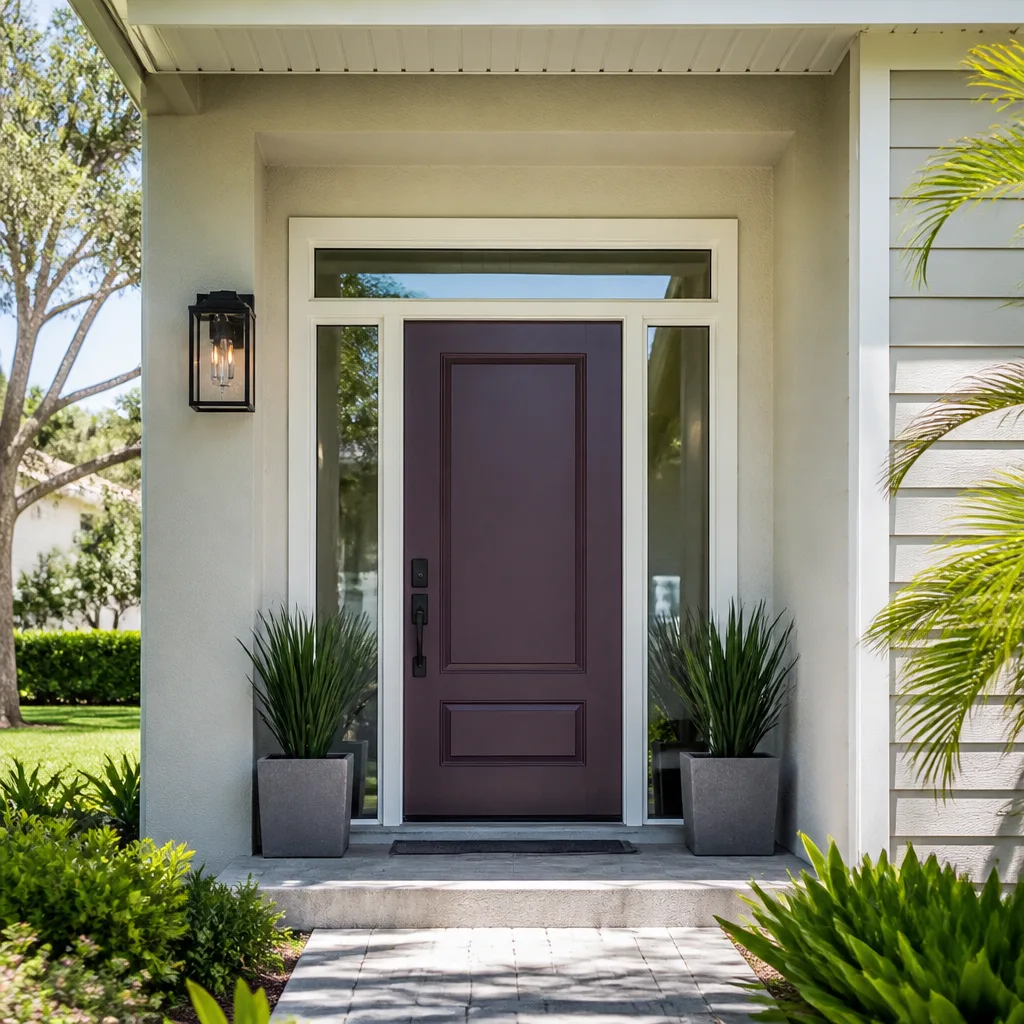
- Windows & doors
- Driveway & pavers
- Fence
Table of Contents
- Monthly Maintenance: Track Cleaning and Hardware Operation
- Biannual Inspection: Weatherstrip and Exterior Caulk
- Annual Lubrication: The Right Product for Each Component
- The Five-Year Replacement Cycle
- Palmdale Dust and Window Tracks: Why the Schedule Is Tighter Here
- The Dollar-Bill Weatherstrip Test
- Exterior Caulk Failure Modes and What They Mean
Monthly Maintenance: Track Cleaning and Hardware Operation
Window tracks in Palmdale collect dust faster than in almost any coastal California market. The Antelope Valley’s prevailing winds carry fine particulate from open desert and construction sites, and that material settles into slider tracks and behind storm window frames. In a coastal market like Ventura, tracks might need cleaning twice a year. In Palmdale, plan on every 60 to 90 days, and more often if you’re within a mile of active construction or open desert edge.
The cleaning method matters as much as the frequency. Most homeowners spray glass cleaner into the track and wipe. That pushes grit into the balance system (the spring-and-cord mechanism that keeps a double-hung sash from slamming down), and grit accelerated wear shortens the balance’s life. Here’s the method that works:
- Vacuum the track first with a crevice tool. Dry, before any liquid touches it.
- Wrap a flathead screwdriver in a thin cloth and run it along the track channel to lift compacted debris.
- Wipe with a damp cloth, not a soaking one. Water in the balance channel is a problem.
- Dry the track completely with a clean rag before closing the window.
- Once monthly, operate every window and exterior door through its full range. Locks, latches, cranks, and sliding panels. Anything that sticks during the operation check telegraphed itself early.
That operation check takes about 10 minutes for a whole house and catches 80 percent of hardware problems while they’re still $15 parts instead of $200 service calls. In Palmdale, we run this check on our own homes and we recommend it to every homeowner we do window work for.
Biannual Inspection: Weatherstrip and Exterior Caulk
Twice a year, spring and fall, walk every exterior door and window from the outside. This is the inspection that prevents water intrusion before it starts. The two items to look at most closely are weatherstrip condition and the caulk bead at the frame perimeter.
Weatherstrip inspection. Press on the weatherstrip with your thumb along the door or window perimeter. It should spring back. If it stays compressed, or crumbles, or has lost its shape, it’s done. Also check the bottom sweep on exterior doors. A door sweep that drags on the threshold will fail within a year. It needs adjustment, not replacement yet, so catch it early.
Caulk bead audit. Caulk at the exterior frame perimeter is the first defense against water intrusion. Look for three things: gaps or separations at the frame-to-siding joint, cracking, and chalking (the surface turning powdery and wiping off on your finger). Any of these on the most weather-exposed side of a Palmdale home, which is the west and south elevations given the sun exposure, needs attention in that same season.
Do this inspection after any significant wind event, too. Palmdale’s spring wind season loosens caulk faster than the calendar predicts, and a bead that was sound in March can be separated by May.
Annual Lubrication: The Right Product for Each Component
Most window and door hardware damage we see in Palmdale was caused by the wrong lubricant, not by wear. WD-40 is the wrong product for every single window and door application. It’s a solvent-based light lubricant that attracts dust, dissolves without lasting protection, and in a dusty environment like the Antelope Valley it can actually accelerate grit buildup in a track. Stop using it.
Match the lubricant to the component:
- Sliding window and door tracks: Dry PTFE (polytetrafluoroethylene) lubricant. Sold as a dry film spray. Dries tack-free, so it won’t hold dust. Apply annually after cleaning the track.
- Hinges (both door and casement): Lithium grease. Apply with a small brush or a pin applicator, not a spray can. A thin film on the hinge pin. Wipe off excess. Annually.
- Weatherstrip contact points: Silicone spray. A light spray on the weatherstrip itself helps maintain flexibility and reduces door operation resistance. Apply sparingly, twice a year.
- Lock cylinders and latches: Graphite powder or a dedicated lock lubricant. Never oil. Oil in a lock cylinder traps dust and eventually gums the pins.
- Window operator cranks (casement and awning): A small amount of white lithium on the crank arm track. Annually, after cleaning the arm track of dust.
Keep three cans in the garage: dry PTFE, lithium grease, silicone spray. That’s the whole kit. Roughly $30 to assemble and it covers every window and door lubrication service in a typical Palmdale home.
The Five-Year Replacement Cycle
Weatherstrip compresses to ineffective within 5 to 7 years in Palmdale’s temperature swing. Daytime summer highs over 100°F and cool desert nights stress the material on a daily cycle. By year five, most foam and bulb weatherstrip has lost enough compression that the door or window is leaking air even though it looks intact from three feet away. Full replacement at the five-year mark is the interval that works here.
Plan these replacements on a rolling five-year schedule:
- Full weatherstrip replacement on all exterior doors and operable windows. Includes removal of all old substrate before new material goes down. This is the 20-minute-per-opening step that most DIY jobs skip.
- Glazing bead replacement on windows where the bead (the trim retainer that holds the glass) has cracked, shrunk, or separated. Failing glazing bead is the entry point for water intrusion into the wall cavity on a Palmdale home.
- Exterior caulk replacement at the frame perimeter on all windows and doors. Re-caulk is not just topping up. Remove the old bead, clean the joint, apply a proper exterior sealant. Paintable latex, siliconized acrylic, and 100% silicone each have appropriate uses, and replacing with the wrong type for the joint is a common mistake.
Budget $400 to $900 for the full five-year cycle on a typical Palmdale home with 12 to 15 exterior openings, depending on weatherstrip quality and caulk extent. That’s the number to screenshot for comparison against replacing a single window (often $600 to $1,200 installed) or a sliding door.
Palmdale Dust and Window Tracks: Why the Schedule Is Tighter Here
The Antelope Valley dust profile is what makes a Palmdale maintenance calendar different from a coastal one. Fine particulate travels on prevailing southwest winds from open desert floor, undeveloped lots, and active construction across a market that’s grown steadily since 2015. That material doesn’t just sit on your furniture. It settles into window tracks, door sweep gaps, and the balance channel behind slider panels.
Two practical adjustments for Palmdale homes:
- Shorten the track-cleaning interval. Where a coastal homeowner can clean twice a year, plan every 60 to 90 days here. If you’re near the open desert edge (parts of the east side of town and the Quartz Hill corridor), go 45 to 60 days.
- Inspect the balance system annually. The balance system is what keeps a double-hung sash from dropping. Grit that reaches it wears the cords and springs. When a sash no longer stays where you leave it, the balance is either worn or the track is packed with debris. Cleaning the track may fix it. If it won’t hold at all, the balance needs replacement.
Palmdale homeowners also face more UV exposure than the coastal market. UV degrades weatherstrip, caulk, and vinyl door sweeps faster. A door sweep that lasts four years in Pasadena can fail in three in Palmdale. Under our 365-Day Done Right Promise, when we install a door sweep or weatherstrip and something fails in that window, we come back and make it right. That’s a Haven Standard obligation, not a courtesy.
The Dollar-Bill Weatherstrip Test
The clearest test for door weatherstrip condition costs one dollar and takes 30 seconds. Here’s how to do it:
- Close the door completely.
- Slide a dollar bill between the door edge and the frame, at the middle of the door on all four sides.
- Pull it out. If it slides out with almost no resistance, the weatherstrip has lost compression on that side.
- Repeat at three heights on each side. Doors that are square seal evenly; doors that have dropped on one hinge will show a clear difference top to bottom.
What the result means:
- Light resistance with a slight drag: Weatherstrip is functioning. Return to the calendar.
- Bill slides out with no drag: Weatherstrip has failed at that point. Replacement is due.
- Bill won’t slide in at all: Oversized weatherstrip or door out of square. It may be sealing too tightly and wearing itself down in a hurry. Needs adjustment, not replacement yet.
If three or four test points show no drag, replace the weatherstrip. If only one point does, and it’s near the latch, check the latch and strike plate alignment first. A weatherstrip that isn’t touching because the door is out of alignment is a different fix.
Exterior Caulk Failure Modes and What They Mean
Caulk at the exterior frame perimeter fails differently depending on which product is on the joint. We see all three of the common exterior types on Palmdale homes:
- Paintable latex. Most common on residential exteriors. Failure looks like craze cracking (fine surface cracks, like dry mud) and shrinkage gaps where the bead has pulled back from the frame. Highly UV-sensitive. Expect 3 to 5 years of service in Palmdale’s sun exposure. Craze cracking means water can reach the joint. Replace when you see it.
- Siliconized acrylic. Longer service life than latex, more UV tolerant, but loses adhesion at the frame-siding joint after wind flex. Failure looks like a clean separation at one edge, not cracking. That’s not a cosmetic issue: the opening admits water behind the siding at the frame. Re-caulk with a matching siliconized acrylic product, not pure silicone, so it can be painted.
- 100% silicone. Best UV resistance and the longest lifespan, often 10 to 15 years. Failure is rare and usually adhesion loss (peels off as a clean bead) rather than cracking. Once silicone fails you can’t recaulk directly over it. It must be removed fully because nothing sticks to cured silicone. If a West Palmdale home’s window frames are siliconed, a failed bead costs more to remedy than a latex bead does, because removal is the hardest part.
For all three, wet the joint, not the caulk. Water intrusion risk goes up the longer a failed bead sits. Any caulk failure found in spring inspection should be remedied before fall, not saved for next spring.
Common Mistakes to Avoid
- Applying new weatherstrip over old material. The silicone-over-foam mistake at the top of this guide. It saves 20 minutes and costs a season. Remove the old substrate first.
- Using WD-40 on window or door hardware. Wrong product for every application. Attracts dust, doesn’t last, and can accelerate track wear in Palmdale’s dusty environment.
- Skipping the annual hinge lubrication. Hinges are the cheapest win in the whole schedule. A sticking hinge eventually wears the screw holes and drops the door out of square.
- Pressure-washing window tracks. Pushes water into the balance channel and frame joints. Wet the joint, not the window.
- Caulking over a failed bead without removing it. Especially over 100% silicone. The new caulk will peel off in a season.
- Stretching the five-year replacement to eight because the weatherstrip still looks intact at a glance. At three feet it looks fine. At the dollar-bill test it’s failed. Trust the test.
- Ignoring glazing bead while replacing weatherstrip. They’re on the same five-year cycle. Water entering through a failed bead goes into the wall cavity, not the glass, so the damage isn’t visible from inside.
See the difference
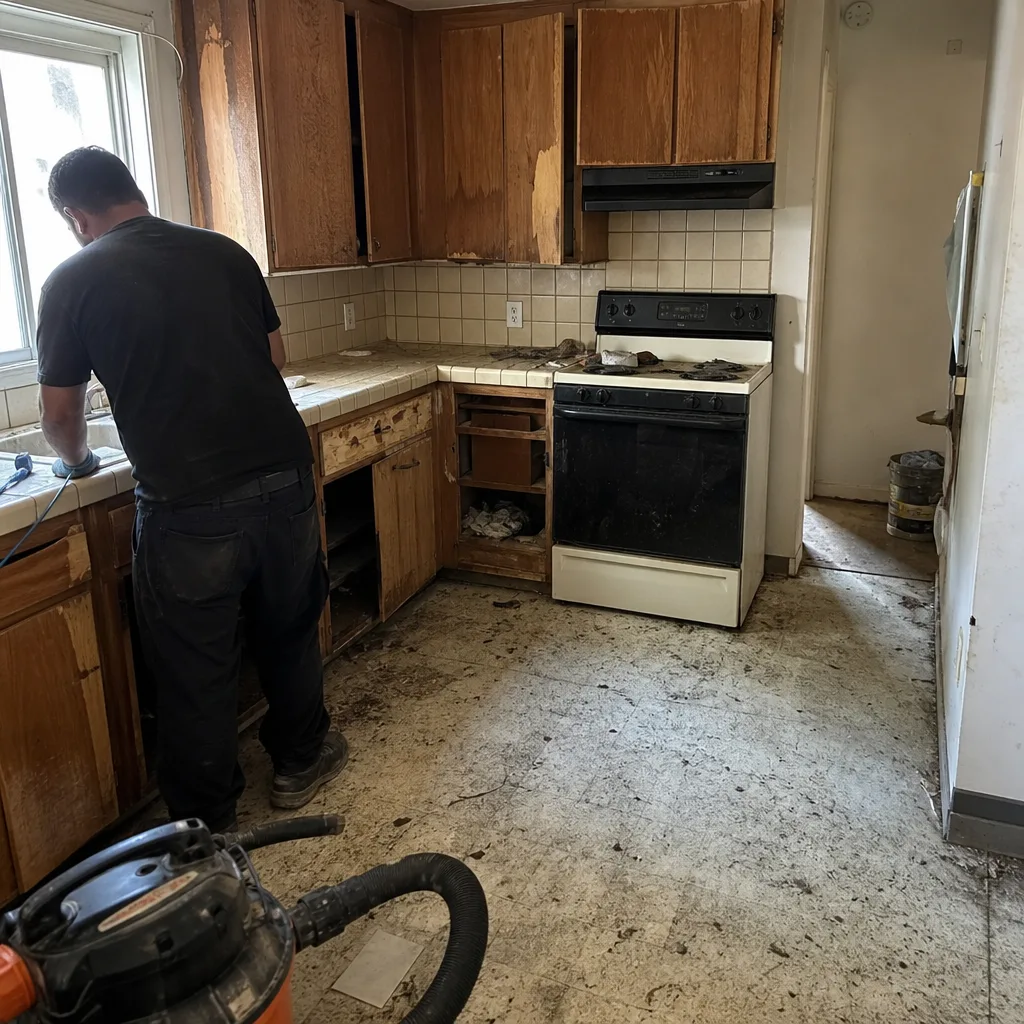 Before
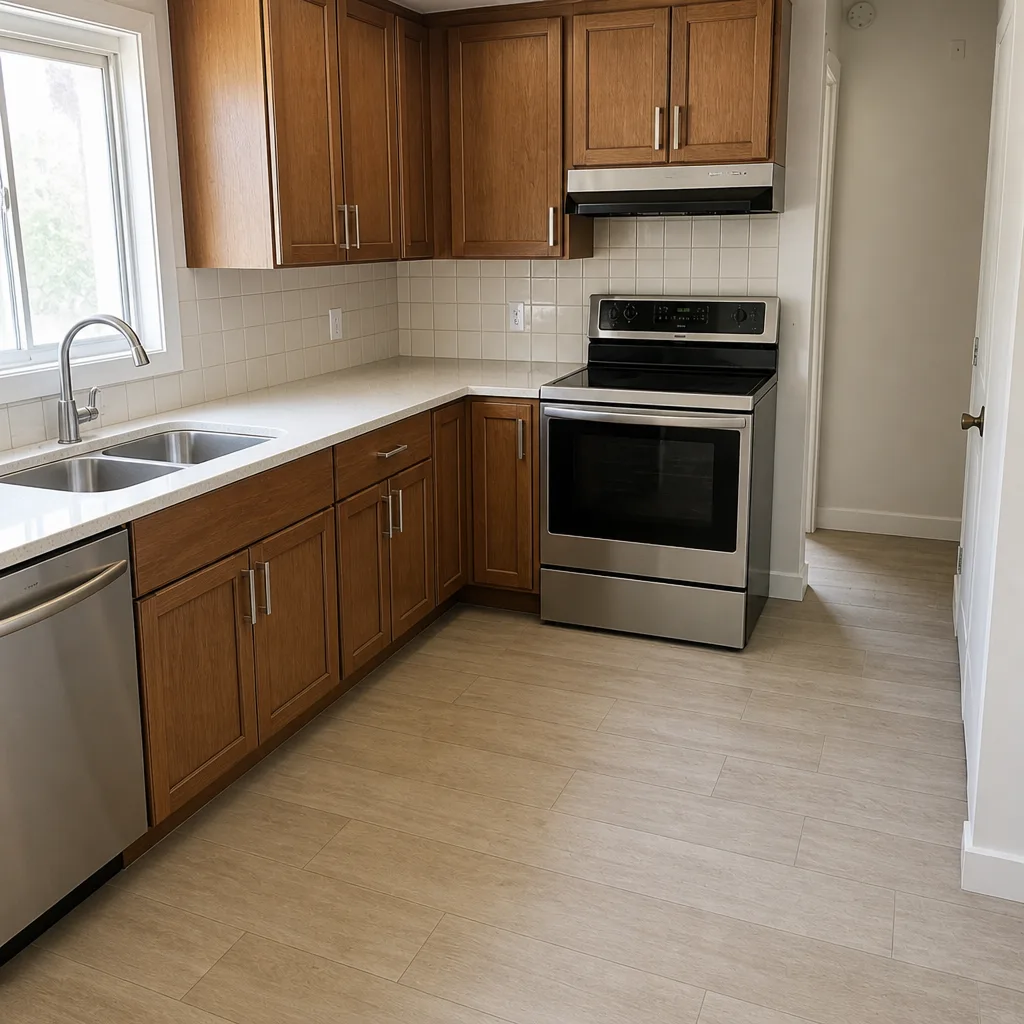 After
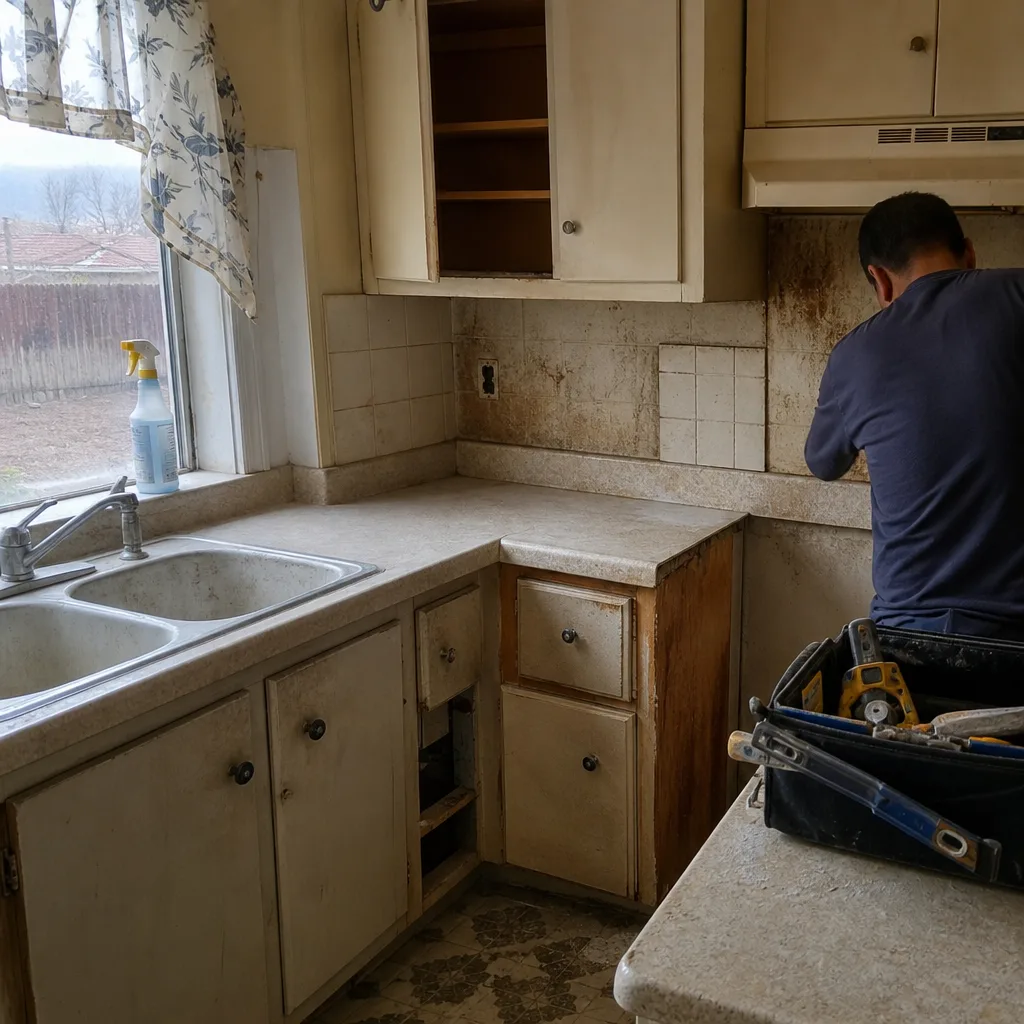 Before
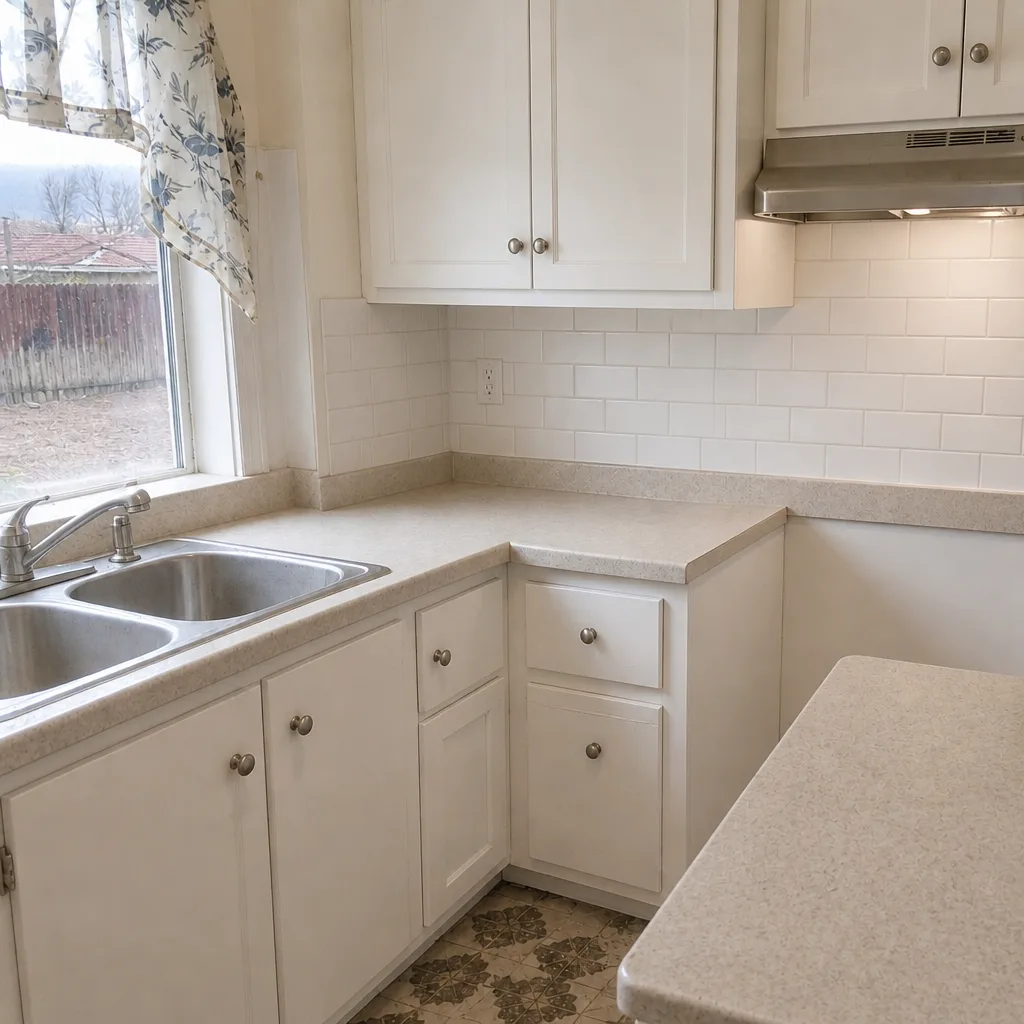 After
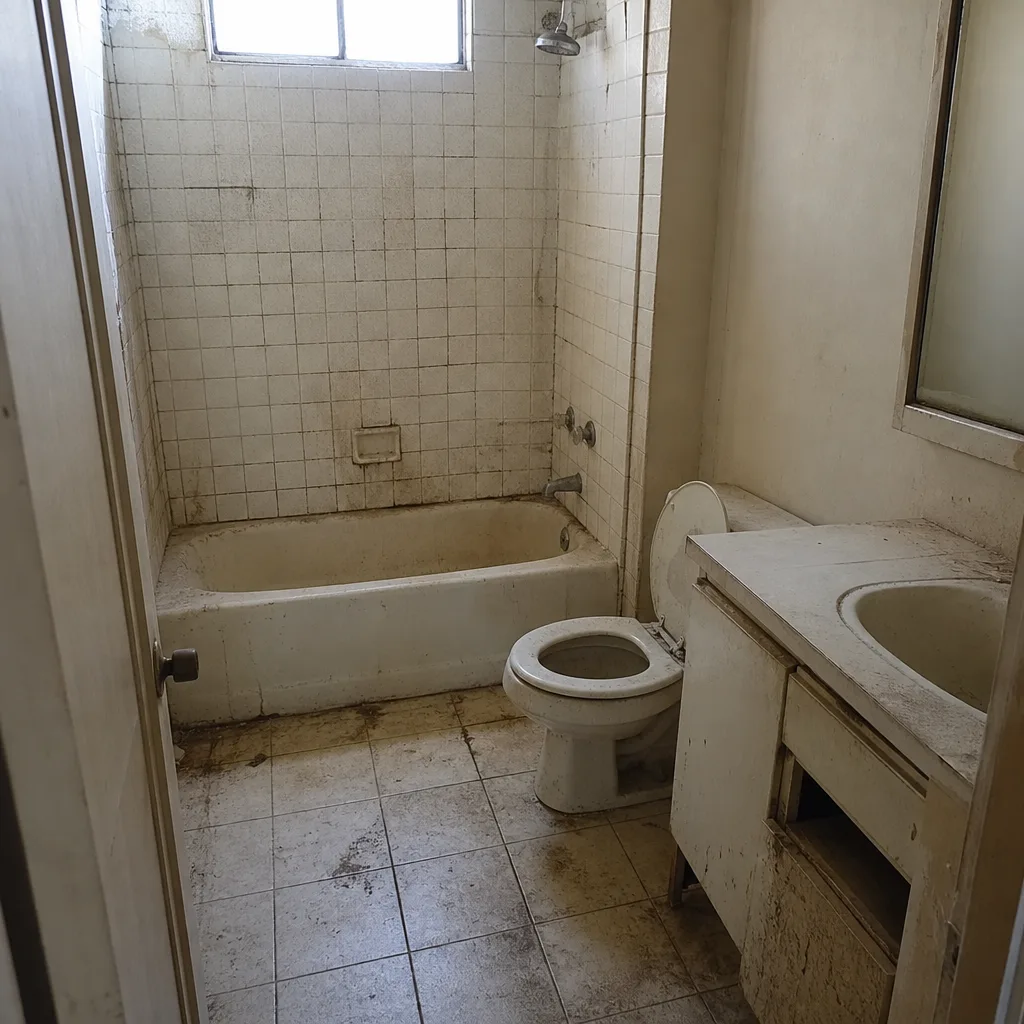 Before
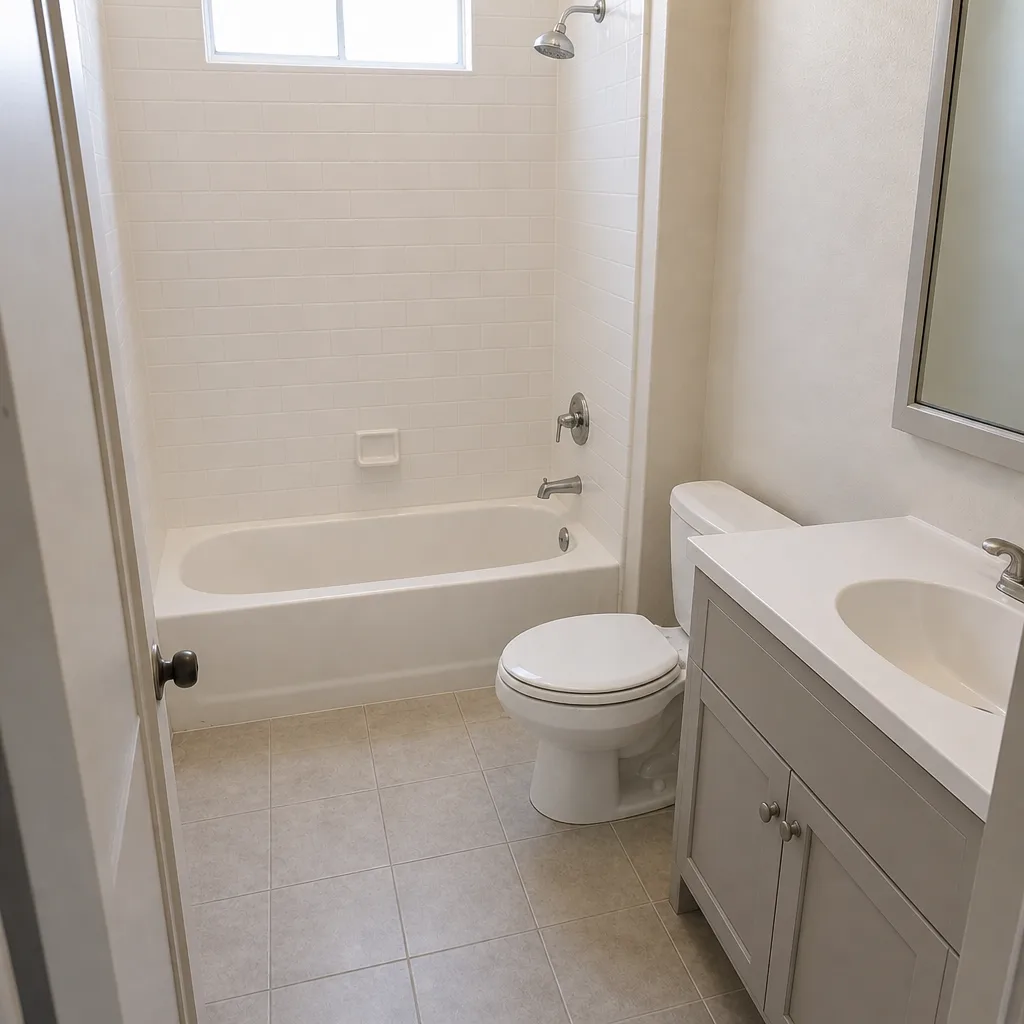 After
When to Call a Professional
Most of this schedule is genuinely doable by the homeowner. A few situations call for a professional:
- Any weatherstrip or glazing bead replacement on second-story windows. Working from a ladder at that height is a fall risk, plain and simple.
- Water staining or soft wood around any frame. That’s a sign water has already gotten past the caulk. The fix is more than re-caulking the surface.
- Fogged double-pane glass. That means the seal has failed and the insulated unit needs replacement, which is a glass-and-frame job, not a maintenance task.
- Door frames out of square. Shimming, strike plate adjustment, or frame realignment.
- Any window or door you operate once a year and can’t remember the last time it opened. Stuck hardware needs professional freeing, not home-forced operation.
Rowan Construction Group Palmdale offers free estimates in Palmdale, and we’ll review any written quote from a competitor line by line at no charge if you have one. Call (844) 320-8244 to schedule your free estimate. Our technicians have up to 19 years of experience, and every visit includes a documented photo record of what we found and what we did, as standard.
Frequently Asked Questions
Every 60 to 90 days. Palmdale’s desert dust accumulates in tracks faster than in coastal California, and if you’re within a mile of open desert or active construction, plan on 45 to 60 days. Vacuum dry first, then wipe with a damp cloth, then dry completely before closing the window.
Dry PTFE lubricant. It dries tack-free, so it won’t attract dust in a dusty environment like Palmdale. Use lithium grease on hinges, silicone spray on weatherstrip, and graphite in lock cylinders. Never use WD-40 on any window or door component. Call (844) 320-8244 for a free estimate if you’re not sure what’s already been applied.
Run the dollar-bill test. Slide a dollar bill between the door edge and the frame, close the door, and pull it out. If it slides out with almost no resistance at three or more test points, the weatherstrip has failed and needs replacement. In Palmdale, weatherstrip typically lasts 5 to 7 years given the temperature swings.
Paintable latex lasts 3 to 5 years in Palmdale’s sun, siliconized acrylic 5 to 8 years, and 100% silicone 10 to 15 years. Replacement timing depends on which product is on the joint and what the failure looks like. Craze cracking, shrinkage gaps, and clean separation at the frame edge all mean the bead needs to come off and a new one go on.
No, not properly. New caulk needs a clean surface to bond to, and cured 100% silicone rejects any new sealant applied over it. The old bead has to be removed fully. This roughly doubles the labor of a caulk job, but it’s the only way the new bead will last. Call (844) 320-8244 for a free estimate on the full job.
Figure on a range of a few hundred dollars for a seasonal inspection and touch-up, and $400 to $900 for the full five-year cycle on a typical Palmdale home with 12 to 15 exterior openings. The exact number depends on weatherstrip quality, how much caulk fails, and whether any glazing bead needs replacement. We put the written price in front of you before any work starts. Call (844) 320-8244 for an exact quote, and estimates are free.
The Bottom Line
Window and door hardware fails on a schedule. Weatherstrip goes in 5 to 7 years, crank operators in 10 to 15, and exterior caulk at intervals that depend on the product type. Build a maintenance calendar around those numbers and Palmdale homeowners pay a few hundred dollars a decade. Skip the calendar and you’ll pay for full window and door replacement. The dollar-bill test, the right lubricant for each component, and the five-year replacement cycle are the three moves that carry most of the outcome. And when the job runs past what you want to take on, we’re a phone call away.
If you’re ready to bring in help, Rowan Construction Group connects you with independent local professionals in Palmdale who handle window and door work across the Antelope Valley. Our technicians have up to 19 years of experience, and every visit includes a documented photo record. We deliver a written price before any work starts, every time, on every trade. There’s no change without a signed change order, which is why projects come in within a few percent of the agreed cost.
Explore more of our services: our Rowan Construction Group Palmdale home page, our Driveway & Pavers in Palmdale work, Fence Installation in Palmdale using materials such as Bufftech and ActiveYards, and Home Additions & ADU in Palmdale when the job runs past maintenance into construction.
Stay ahead of the schedule. Call (844) 320-8244 for a free estimate on any window or door service, today. A live person answers and texts a confirmation back.
Written by the team at Rowan Construction Group Palmdale.