Last updated November 18, 2026
Free written scope consultation - allowances, timeline, and change-order rules on paper before a single trade is scheduled
Home Additions & ADU Warning Signs Every Homeowner Should Know
A bid that doesn’t include a soils report allowance, a permit fee line item, or a utility connection cost hasn’t been built from the ground up. It’s been built from a template, and the missing items will reappear later as change orders, priced at whatever the contractor decides once your foundation is already torn open. In our experience reviewing written estimates for homeowners across Palmdale, this is the single most reliable predictor of a project that finishes over budget. Not the contractor’s reviews. Not the renderings. The line items that aren’t there. This guide teaches you to read the contract and ask five specific questions before a permit application is ever filed.
Quick Answer
The clearest warning signs of a home addition or ADU gone wrong appear before construction starts: a bid with no permit fee line item, no soils assumption, and no utility connection cost; a contract with no payment schedule tied to inspection milestones and no written change-order clause; and a contractor who can’t produce a CSLB license lookup result, a certificate of liability insurance, and a workers’ compensation certificate within 24 hours. If you can’t get clean answers to those items in writing, the problem isn’t the build. It’s the paperwork, and the paperwork always wins.
Styles & brands we work with
- Kitchen remodeling
- Bathroom remodeling
- Home additions & ADU
- Roofing
- Windows & doors
- Driveway & pavers
- Fence
Table of Contents
- The Five Questions That Separate Prepared Contractors from Template Bidders
- What a Contract That Doesn’t Protect You Looks Like
- The 90-Second License Check Every Homeowner Should Run
- The ADU Design-Build Warning Sign Nobody Talks About
- Insurance Documentation: The 24-Hour Test
- Palmdale-Specific Red Flags: Soil, Wind, and Utility Capacity
- How to Read the Change-Order History of Any Contractor
- What a Payment Schedule Tied to Inspections Actually Looks Like
The Five Questions That Separate Prepared Contractors from Template Bidders
Ask these on the second call, not the fifth. A contractor who has actually built in the Antelope Valley will answer each one without guessing, and will put the answers in writing if you ask. A contractor working from a template will hesitate, generalize, or pivot to talking about finishes. The hesitation is the tell.
- “What is the specific permit fee for this scope?” Not a range. Not “it depends on the city.” Los Angeles County and the City of Palmdale publish their fee schedules, and a contractor who has pulled a permit in Palmdale in the last year knows roughly what a 600-square-foot detached ADU will cost in plan-check and permit fees. A bid with a blank permit line or a flat “$3,000 allowance” hasn’t done the math.
- “Have you pulled a permit in Palmdale in the last 12 months?” This is the single most useful question you can ask. Permit processes change. A contractor whose last Palmdale permit was in 2019 is learning on your project.
- “What is your soils assumption, and what happens if we hit hardpan?” Antelope Valley soil varies block to block. Caliche layers and hardpan show up in parts of Palmdale and Quartz Hill, and foundation engineering for those conditions costs more than a standard spread footing. A bid that assumes good soil without a soils report is a bid with a hidden contingency.
- “Who coordinates the utility connections?” Water, sewer, gas, and electrical tie-ins are the single most common source of schedule delay on ADUs and additions. If the contractor’s answer is “the plumber handles it,” you’ve just learned that no one is coordinating the sequence.
- “Show me your last three signed change orders.” This one separates professionals from talkers. A contractor with a real change-order discipline can produce signed documents showing what changed, why, and what it cost. If they can’t show you three, they either don’t document changes or they don’t ask for signatures. Both are bad for you.
Under Clause 1 of The Haven Standard, the price is written before anyone starts. That’s not a slogan; it’s why we ask for the same five answers on every Palmdale bid we review, whether or not the homeowner hires us.
What a Contract That Doesn’t Protect You Looks Like
You don’t need a construction attorney to spot a weak contract. Three clauses do most of the protective work, and their absence is a warning sign that a homeowner can read in ten minutes. If your proposed contract is missing any of them, ask for them in writing before you sign anything.
- No payment schedule tied to inspection milestones. A healthy schedule prices work to phases that a city inspector signs off on: foundation, framing, rough mechanical/electrical/plumbing, insulation, final. A contract that asks for 50% down and the rest on completion has transferred all the risk to you.
- No change-order clause requiring written authorization. Oral changes are how a $280,000 addition becomes a $340,000 addition. The clause should say, in plain language, that no change proceeds until a written change order is signed by both parties, and it should state how the change is priced.
- No lien release requirement at final payment. Mechanics liens are a real risk in California. Before you make the final payment, you should receive conditional lien releases from the general contractor and each significant subcontractor and supplier. If the contract doesn’t require them, you may end up paying twice for the same work.
There’s a fourth item worth checking: a written warranty, in the contract, describing what’s covered and for how long. Rowan’s Home Additions & ADU in Palmdale projects carry the 365-Day Done Right Promise in writing: if it isn’t done right, we make it right, backed by a terms page rather than an asterisk.
The 90-Second License Check Every Homeowner Should Run
The Contractors State License Board keeps a free public lookup at cslb.ca.gov, and it will tell you in about 90 seconds whether the contractor you’re considering is licensed, bonded, and licensed for the specific classification of work you’re hiring them for. Many homeowners skip this step because the contractor already showed them a license number on a business card. A number is not a verification.
Here’s what the lookup actually shows and why each field matters:
- License status. Active, expired, suspended, or revoked. Revoked for cause is not the same as revoked for non-payment of fees.
- Bond status. California requires a contractor’s bond. If it’s not current, the state’s consumer protection doesn’t apply the way you think it does.
- Classification. A B-General Building license covers most additions and ADUs. But if the contract splits work out to a C-39 roofing sub or a C-36 plumbing sub, verify those licenses too. An unlicensed sub can stop a project cold when an inspector asks for the license on file.
- Complaints and disciplinary actions. The lookup shows disclosed actions, not all complaints. A clean record is worth something; a clean record with a long tail of disclosed actions is worth reading.
Also check the workers’ compensation coverage tab. If the lookup shows no workers’ comp on file, and the contractor has employees, you have an exposure problem that no amount of good finish carpentry compensates for.
The ADU Design-Build Warning Sign Nobody Talks About
The first drawing is where most ADU projects go sideways, and the failure is quiet. A designer who starts sketching floor plans before discussing setbacks, lot coverage, and existing utility capacity is designing for the average parcel, not yours. In Palmdale, average doesn’t exist. Lot sizes, existing sewer lateral placement, and available electrical service capacity vary significantly from neighborhood to neighborhood.
The questions that should come before any drawing:
- Setbacks. What’s the required rear and side setback for a detached unit on this parcel, and does the proposed footprint clear it with the roof overhang factored in?
- Floor area ratio and lot coverage. Palmdale has coverage limits, and a two-story ADU can blow through them faster than a single-story.
- Utility capacity. Does the existing electrical panel have capacity for the ADU’s load, and where does the sewer lateral actually run? If the panel needs an upgrade to 200-amp service, that line item belongs in the budget before design starts, not after framing.
- Access. Fire department access, driveway width, and turnaround requirements are real and are checked at plan check.
Prefab options like Abodu, Cover, and Mighty Buildings can work well when the site is straightforward, but the factory doesn’t solve the utility tie-in or the foundation. Those are still site-specific, and the contractor coordinating them needs to have walked the parcel. If the design conversation jumped straight to finishes and didn’t cover any of the four items above, ask why before signing.
Insurance Documentation: The 24-Hour Test
Any contractor who cannot produce a current certificate of liability insurance and a workers’ compensation certificate within 24 hours of your request is operating at your financial risk. There is no softer way to say it. The certificate of liability insurance should list the general contractor as the insured, with policy limits that match or exceed the value of your project. A $250,000 per-occurrence policy on a $400,000 addition is a gap you’d be covering.
The workers’ compensation certificate is the one homeowners skip. If a crew member is injured on your property and the general contractor doesn’t have workers’ comp coverage, there’s a real chance your homeowner’s policy becomes the fallback. Ask for the certificate, and check the policy expiration date. A certificate that expires the month after the project breaks ground is not sufficient.
Also confirm subcontractor coverage. The general contractor’s insurance does not automatically extend to the framing sub, the roofer, or the electrician. Require certificates from each sub, in writing, before they mobilize. If the contractor pushes back on that request, that answer tells you a lot about how the rest of the project will go.
Palmdale-Specific Red Flags: Soil, Wind, and Utility Capacity
Palmdale projects run into three site conditions that generic bids don’t price, and each of them shows up as a change order if it wasn’t in the original number. An Antelope Valley contractor who has actually built here will price all three up front.
- Caliche and hardpan. Certain Palmdale parcels have a dense, calcium-carbonate-cemented layer that has to be over-excavated before a footing can be poured. That over-excavation, plus the engineered fill, is a real cost. A bid with no soils report allowance and no note about hardpan is a bid that will change the day the excavator hits it.
- High desert wind exposure. Palmdale sits in a wind corridor. Roof assemblies on additions and ADUs need the uplift and shear detailing that local wind exposure demands. A contractor who hasn’t asked about exposure category hasn’t thought hard enough about the roof.
- Utility capacity and lateral location. Electrical panel capacity on older Palmdale homes is frequently below what a new ADU needs, and sewer lateral runs don’t always match the plat. Potholing or camera work before design is a legitimate line item, not a money grab.
We’ve seen all three appear in bids we review for homeowners in Palmdale. Seeing them absent is the first clue we look for when a homeowner asks us for a Rowan Construction Group Palmdale home second opinion on a competitor’s written estimate.
How to Read the Change-Order History of Any Contractor
Signed change orders are the paper trail of a contractor’s actual discipline, and the good ones will show you theirs. When you ask for the last three, you’re looking for four things: a written reason for the change, a written price, a signature from the homeowner, and a signature or acknowledgment from the contractor.
What the documents should show you:
- A reason connected to a site condition or a client decision. “Discovered void in footing excavation, engineer required over-excavation” is a legitimate change. “Additional labor” with no explanation is not.
- A price with a breakdown, not a lump. Materials, labor, and any engineering or inspection cost. A lump sum on a change order invites negotiation later.
- A signature, and a date, and a reference to the original contract. No signature means it’s a verbal agreement wearing a document’s clothes.
- Consistency across all three. A contractor who produced three signed change orders the same week is either experienced or lucky; a contractor who produced three from three different projects over 18 months is disciplined. Ask which is which.
Across 4,000-plus projects, every Rowan ADU and addition has a written price before work starts, and no change proceeds without a signed change order. That discipline is why projects finish within a few percent of the number the homeowner agreed to. If a Palmdale contractor can’t show you the same evidence, the price you’re comparing isn’t the price you’ll pay.
What a Payment Schedule Tied to Inspections Actually Looks Like
A payment schedule is not a formality. It’s a risk-sharing document, and its structure tells you whose money is at risk during which phase of the build. Healthy schedules price work to inspection milestones so that no payment runs ahead of verified work.
A reasonable schedule on a Palmdale addition or ADU breaks roughly into five to six payments: deposit at contract signing, then payments at foundation inspection, framing inspection, rough mechanical/electrical/plumbing inspection, insulation or drywall readiness, and final. Each payment corresponds to a passed inspection, which is your independent verification that the work is actually there.
Avoid any schedule with a deposit over 10% of the contract total, and any schedule with a large “mobilization” payment that isn’t tied to anything a city inspector can verify. Palmdale code enforcement and county inspectors are the verification the homeowner doesn’t have to provide. Use them.
For related improvements that often run alongside an addition – new hardscape out front, fencing around the new yard – our Driveway & Pavers in Palmdale and Fence Installation in Palmdale pages describe what a written scope and a documented install look like on those trades.
Common Mistakes to Avoid
- Accepting a lump-sum bid with no line-item breakdown. A single number looks tidy and hides everything that matters. Ask for the breakdown, and if it doesn’t come, you’ve learned enough to walk.
- Skipping the CSLB lookup because the contractor showed you a license number. A number on a card is not a verified license. The state’s lookup takes 90 seconds and shows status, bond, and classification.
- Letting design start before setbacks and utility capacity are discussed. A drawing done for the average parcel becomes an expensive revision on a real one, especially on Palmdale lots that range widely in size and layout.
- Not requiring lien releases at final payment. Mechanics liens in California can attach to your property even when you’ve paid the general contractor. Require conditional releases from every sub and supplier.
- Treating a workers’ comp certificate as optional. If a crew member is hurt on your property and the contractor’s coverage is missing, the risk shifts to you. Ask for the certificate, in writing, every time.
- Approving a verbal change to save a phone call. Oral changes are the number one cause of budget creep on additions. Insist on a signed change order before work continues, even on a $400 decision.
- Assuming the permit fee was included when it wasn’t itemized. Permit fees run into the thousands on ADUs. A bid without that line has just moved the money to a later invoice.
See the difference
 Before
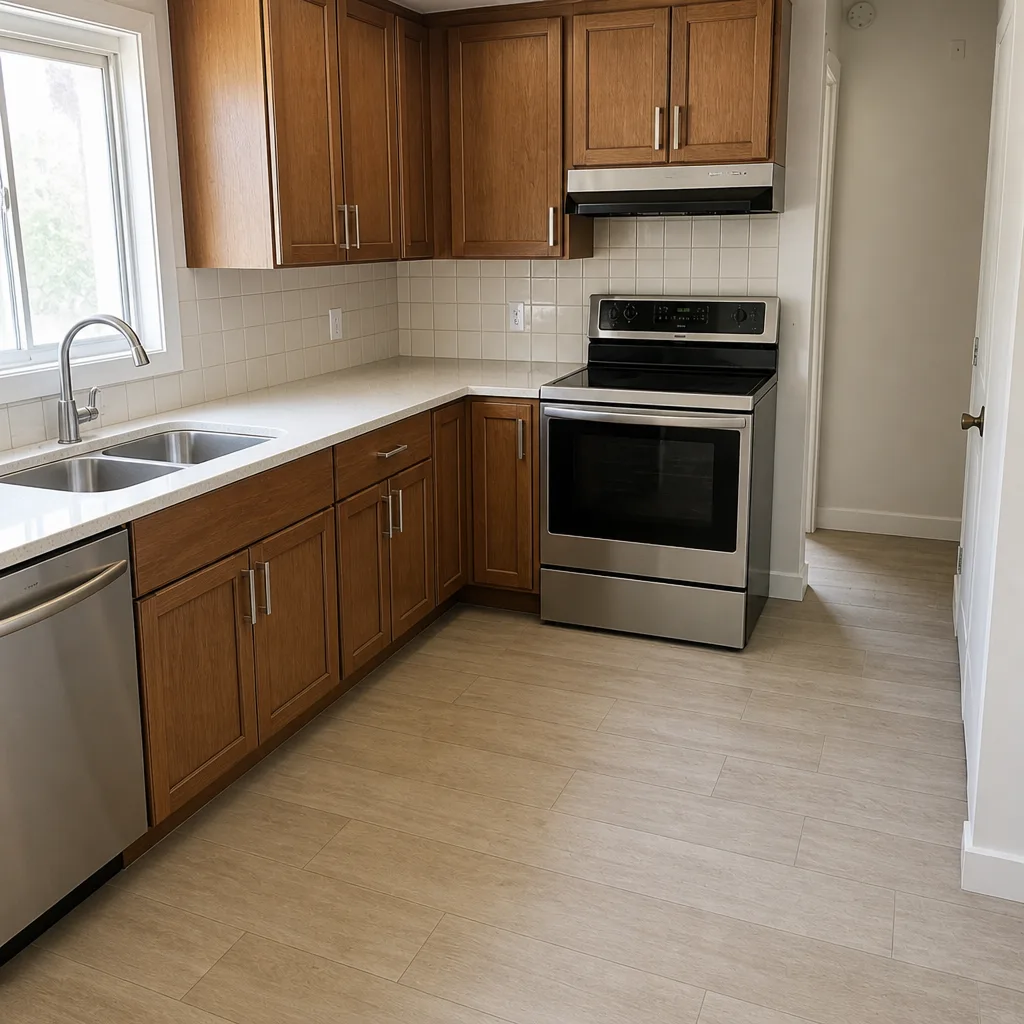 After
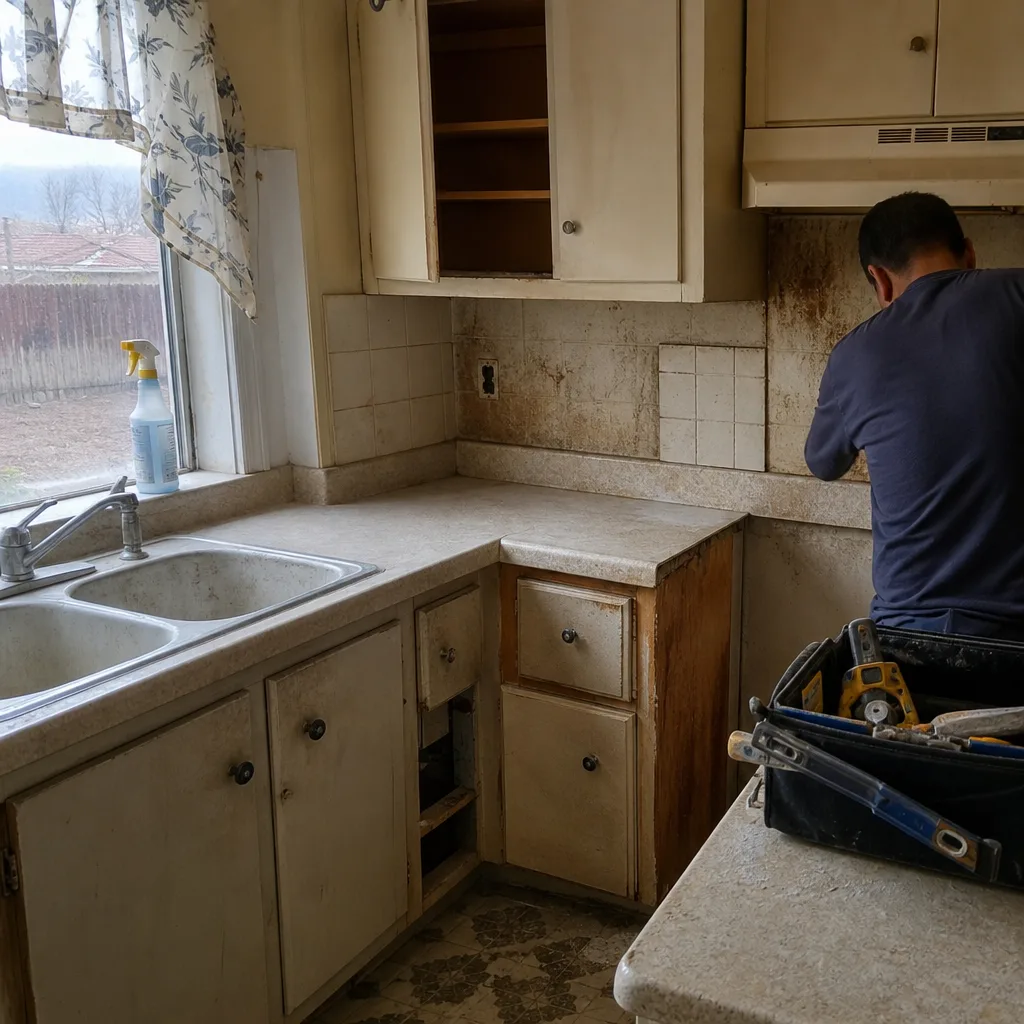 Before
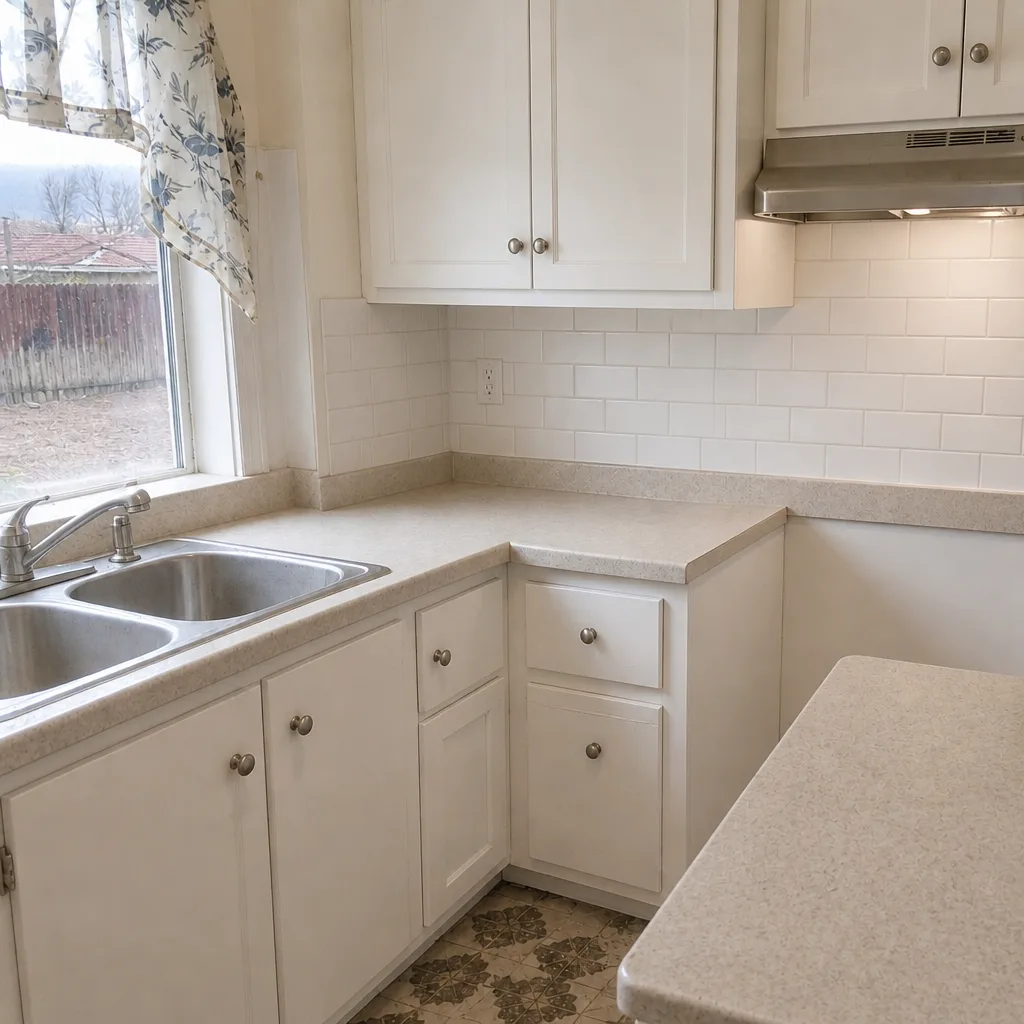 After
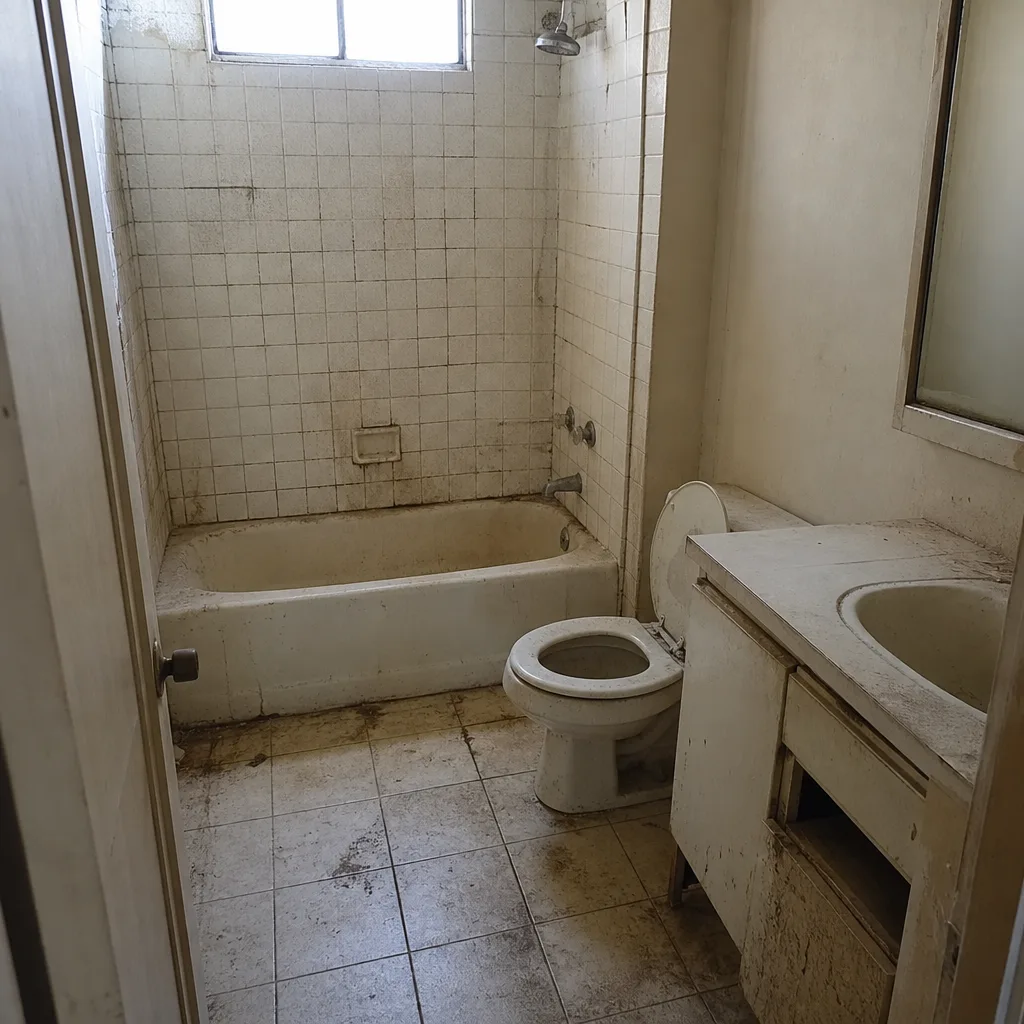 Before
 After
When to Call a Professional
Call a professional before you sign anything. If you’ve received three bids and can’t find the same line items on any two of them, an experienced contractor can review them side by side and point to what’s missing. If you’re considering a prefab unit from a manufacturer like Dvele or Abodu, the factory price is only half the budget; the site work, foundation, and utility tie-ins still need a coordinated contractor. If a bid has come in well under the others, get a second opinion in writing before you commit, because the gap is almost always the items that weren’t in the scope. Rowan Construction Group Palmdale offers free estimates in Palmdale – call (844) 320-8244. We’ll review any competitor’s written estimate line by line at no charge, and we’ll tell you honestly what we’d add before we’d build it.
Frequently Asked Questions
A detached ADU in Palmdale typically lands in the $180,000 to $320,000 range for a full build, depending on size, foundation conditions, and utility work. The single biggest swing factor is site-specific: soils, panel capacity, and sewer lateral location. Call (844) 320-8244 for a written range built on your parcel, not a citywide average – estimates are free.
Missing line items: no permit fee, no soils allowance, no utility connection cost, and no design or engineering line. A bid built from a template omits the site work that every real project requires, and the missing items arrive later as change orders. If it’s missing two or more of those four, treat the price as fiction.
Look them up at cslb.ca.gov. The lookup shows whether the license is active, whether the bond is current, the classification for the work being performed, and any disclosed disciplinary actions. It takes about 90 seconds and it’s free. Run the search on the general contractor and on any subcontractor mobilizing on your site.
Often, yes. Antelope Valley parcels can have caliche layers and hardpan that require over-excavation before footings are poured, and structural engineers typically want a report to sign off on the foundation design. A contractor who doesn’t ask whether you’ve had one, and doesn’t carry an allowance for it, is skipping a step that Palmdale projects routinely need.
Only when site conditions differ from the engineer’s assumptions or the homeowner changes scope – and under a properly written contract, neither happens without a signed change order. Ask any contractor you’re considering to show you their last three signed change orders. The written price should hold to within a few percent of the final number, and any honest contractor can tell you what moved and why.
Plan check with the City of Palmdale or LA County typically runs several months, then construction on a detached unit runs four to seven months depending on size and utility work. Prefab units from manufacturers like Cover or Mighty Buildings compress the construction phase but don’t shorten plan check or site work. A contractor who quotes you a total timeline without separating permitting from construction is guessing.
The Bottom Line
The signs of a home addition or ADU that will go over budget are almost always visible before a shovel touches the ground. Ask the five questions. Verify the license at cslb.ca.gov. Require the liability and workers’ comp certificates in writing. Look for the three contract clauses – inspection-based payment, signed change orders, lien releases at final. And ask for the last three signed change orders, because that’s the one document that shows whether a contractor’s discipline is real or rehearsed. In Palmdale, where soil conditions, wind exposure, and utility capacity carry real cost, these checks matter more than anywhere else.
If you’re comparing bids and want a second set of eyes, call Rowan Construction Group Palmdale at (844) 320-8244 for a free estimate and a free second opinion on any written estimate you’ve already received. We’ll put our number in writing before anyone picks up a tool.
Written by the team at Rowan Construction Group Palmdale.