Last updated November 18, 2026
Free written scope consultation - allowances, timeline, and change-order rules on paper before a single trade is scheduled
Driveway & Pavers Maintenance Schedule: What to Do and When
Applying polymeric sand activator in July in Palmdale, when the surface of a paver can read 155°F in the early afternoon, flash-cures the product before it ever reaches the joints. The sand skins over, the water evaporates mid-bond, and the joint you thought you sealed is empty by the first week of September. That’s why driveways that were “just redone” in summer grow weeds again before fall. The fix isn’t more sand. It’s a calendar built around Palmdale’s actual months, not the generic spring-summer-fall-winter labels on a bag. This guide lays out that calendar task by task, with the products, timings, and inspection habits that hold a paver driveway together in the Antelope Valley.
Quick Answer
A paver driveway in Palmdale needs sealing in October, not spring, joint inspection in November before the first freeze, pre-emergent weed treatment in February as soil temps climb, and pressure washing limited by paver material (no more than 1,500 psi on concrete pavers, lower on stone and porcelain). Edge restraint checks belong on the same October visit as the seal. The single most important shift is moving every heat-sensitive task out of summer.
Styles & brands we work with
- Kitchen remodeling
- Bathroom remodeling
- Home additions & ADU
- Roofing
- Windows & doors
- Driveway & pavers
- Fence
Table of Contents
- Why Palmdale’s Climate Breaks a Generic Maintenance Schedule
- The Month-by-Month Paver Calendar for Palmdale
- When to Seal – and Which Sealers Survive Palmdale’s UV Load
- How to Inspect Edge Restraints (and What Movement Means)
- Pressure Washing Limits by Paver Material
- Weed Pressure and Joint Sand Refills
- The Photo-and-Note Log That Pays for Itself
- Common Mistakes to Avoid
Why Palmdale’s Climate Breaks a Generic Maintenance Schedule
Most paver maintenance advice is written for a climate that has four roughly equal seasons. Palmdale doesn’t. The high desert floor sits around 2,600 feet, which means winter nights drop below freezing in December and January with real regularity, then swing back into the 60s by afternoon. That daily freeze-thaw cycling is harder on joints and edge restraints than a sustained cold would be, because water gets into a hairline gap, freezes overnight, expands, and pushes the paver a fraction off its bedding. Do that forty times in a winter and a joint that looked fine in October is a quarter-inch wide by March.
Summer runs the opposite problem. Sustained UV above 1,000 hours annually is the threshold that separates a sealer rated for desert exposure from one that isn’t, and Palmdale clears that bar with room to spare. A product that performs fine in a coastal climate can chalk, yellow, or lose its film here in a single season. Add the wind, which carries fine grit off the surrounding desert and sandblasts exposed surfaces, and the wear profile on a Palmdale driveway doesn’t match a Fresno or Phoenix driveway even at similar temperatures.
Fresno gets more winter fog and heavier soil moisture. Phoenix runs hotter for longer but with less freeze cycling. Palmdale sits in the middle – enough freeze to open joints, enough UV to degrade sealers, enough wind to abrade. That combination is what shapes the calendar below. When we quote a Driveway & Pavers in Palmdale project, the maintenance schedule we hand over is timed to these months, not to a generic spring checklist.
The Month-by-Month Paver Calendar for Palmdale
Here is the working calendar we use. Dates are approximate – a warm October pushes the seal window later, an early cold snap pulls the November inspection forward – but the sequence holds.
- February – pre-emergent weed treatment. Soil temperatures in Palmdale start climbing in late February. Apply a pre-emergent to the joints before weed seeds germinate, not after you see green. This is the single highest-value task on the calendar, and it’s the one most homeowners skip.
- March through May – joint sand top-off. Winter freeze-thaw has opened joints. Refill with the correct joint sand and compact. Do this before summer heat sets the pavers hard against each other and before the first pressure wash, so you’re washing a full joint, not emptying an already-thin one.
- June through September – inspection only. No sealing, no activator, no joint sand work in the heat of the day. Walk the driveway in the morning, note any rocking pavers or sand loss, log it. Heat-sensitive products applied now flash-cure or fail to bond.
- October – seal and re-spike. Surface temps drop into a range where sealer cures properly. This is the month for the annual seal, the edge restraint inspection, and any re-spiking. Doing this in October gives the sealer a full curing window before the first freeze.
- November – pre-freeze joint and restraint check. Walk the perimeter. Look for open joints, settled corners, and any paver that has shifted against its neighbor. Anything you fix in November won’t be a repair in March.
- December through January – hands off. Don’t pressure wash, don’t seal, don’t drive spikes. Freeze conditions make the bedding sand brittle and the work unreliable.
The takeaway for Palmdale homeowners: the season for doing work ends in early November and doesn’t start again until February. Summer is for looking, not for applying.
When to Seal – and Which Sealers Survive Palmdale’s UV Load
Seal in October, not spring. Spring sealing in Palmdale is a trap because the first warm week can push surface temps into the range where the product skins over before it penetrates, and the second trap is that summer UV then hits a sealer that never fully cured. October gives the product a curing window with daytime highs in the 70s and 80s, then a full cool season before the sun returns.
Which product matters as much as which month. Palmdale’s annual UV exposure clears 1,000 hours, so a sealer needs an explicit UV rating for sustained desert exposure. The categories below are what we specify:
- Solvent-based acrylic sealers rated for high-UV environments – typically 2 to 3-year reapplication intervals in Palmdale. They penetrate and form a light film. Confirm the product’s UV rating on the technical data sheet, not the marketing copy.
- Water-based acrylic sealers with UV inhibitors – 1 to 2-year reapplication intervals here. Lower VOC, better for interior-adjacent applications, but they break down faster under Antelope Valley sun.
- Polyurethane sealers – 3 to 5-year intervals, more durable but more expensive, and they can darken the paver more than expected. Best on natural stone where the color shift is acceptable.
- Penetrating siloxane sealers – 3 to 5-year intervals, no film, no color change, but they don’t protect against stains the way a film-forming product does. Good for clay brick where you want to preserve the original look.
Skip any sealer that doesn’t publish a UV rating. “Long-lasting” without a data sheet means nothing. The two product lines we tend to specify, when the customer’s paver manufacturer allows them, are Techniseal’s high-UV acrylics and SRW Products’ line – both publish the specs you need to confirm compatibility before purchase. Read the compatibility note: some manufacturers void the paver warranty if you seal with the wrong chemistry. That note is worth finding before you buy five gallons.
How to Inspect Edge Restraints (and What Movement Means)
Edge restraint is the hidden spiked or glued border that keeps the outside row of pavers from spreading. When it fails, the whole field drifts – you see a widening joint at the perimeter, then a dip, then a paver that rocks when you walk on it. Annual inspection in October catches it before the drift starts.
What to check, in order:
- Walk the full perimeter. Press down on each edge restraint with your foot. A firm edge restraint doesn’t move. A quarter-inch of flex is acceptable on a long run; more than that means the spikes are pulling.
- Look at the gap between the last paver and the restraint. If daylight shows through, or the joint has widened past about 3/8 inch, the restraint is losing its grip and needs re-spiking.
- Check the spike heads. Spikes should sit flush or slightly below the restraint. A proud spike head means it’s backing out – pull it and reset.
- Re-spike correctly. Use a flat pry bar and a deadblow mallet to lift the restraint just enough to drive a new spike without disturbing the adjacent pavers. Twelve-inch spikes are the usual length for a residential driveway; longer in sandy soil. Drive at the recommended angle, alternating sides as you go down the run, so you don’t create a bow.
- Re-check every six months on a newly installed driveway for the first two years, since settling is normal during that window.
What signals imminent failure: an edge that’s pushed out more than an inch, visible soil migration under the restraint, or a paver adjacent to the edge that rocks by more than 1/8 inch. Any of those means the underlying base has shifted, not just the spike – that’s a call-a-professional moment, not a re-spike.
Pressure Washing Limits by Paver Material
Pressure washing is the most misused tool in paver maintenance. Too much PSI and the nozzle angle undercuts the bedding sand, leaving pavers sitting on nothing but their own weight. The right pressure and angle depend on the material, and they’re not interchangeable.
- Concrete pavers: keep pressure at or below 1,500 psi, with a 25-degree fan nozzle held about 12 inches off the surface. Move in smooth, overlapping passes. No dwell on a single spot.
- Natural stone (travertine, limestone, sandstone): 800 to 1,200 psi, wider fan (25 to 40 degree), and a test pass on an inconspicuous corner first. Limestone etches; sandstone softens.
- Porcelain pavers: 800 to 1,000 psi, wide fan, and skip the turbo nozzle entirely. Porcelain chips at edges where the joint sand is thin.
- Clay brick: 1,000 to 1,500 psi, but re-sand the joints immediately after washing – clay brick loses joint sand faster than concrete.
The nozzle angle rule is the same across all materials: never hold the wand perpendicular. A 45-degree angle to the surface lifts dirt without driving water down into the joint. Never use a zero-degree or turbo tip on a paver driveway – those are for stripping paint off concrete, not for maintenance. And never wash in December or January in Palmdale, when freezing nights can leave water sitting in joints overnight.
Weed Pressure and Joint Sand Refills
Weed germination in Palmdale is a February problem more than a summer problem. The pre-emergent window opens when soil temps hit about 55°F, which generally happens in late February on the Palmdale floor and a couple of weeks later in the higher pockets around Pearblossom and Littlerock. Miss that window and you’re pulling weeds by April.
What works:
- Apply a granular pre-emergent to the joints in late February, watered in lightly. Repeat in September if your driveway historically shows heavy spring germination.
- Refill joint sand in March, after the pre-emergent has watered in and before summer heat sets the pavers. Use the joint sand the paver manufacturer specifies – polymeric for driveways with vehicle traffic, regular kiln-dried sand for foot-traffic areas.
- Do not use polymeric sand activator in summer. That’s the opening problem restated: the activator flash-cures above roughly 90°F surface temperature, and a Palmdale paver in July reads well above that by 10 a.m.
- Pull weeds by hand when they first appear. A weed that’s been growing for two weeks has already opened the joint further than a refill will close.
If you see weeds returning within a few weeks of a joint sand job, the sand wasn’t compacted properly. That’s a re-do, not a re-application.
The Photo-and-Note Log That Pays for Itself
A simple log – one photo per zone, one line of notes, dated – is the cheapest maintenance tool you can keep and the one most homeowners never start. Here’s how to run it:
- Divide the driveway into zones. Four zones for a typical two-car driveway: apron, main field, edge along the house, edge along the street.
- Photograph each zone from the same spot each time. Same angle, same height, same light if you can manage it. A phone camera and a piece of painter’s tape on the ground as a marker is all it takes.
- Write one line per zone. “Zone 2: joint at grid 3-4 widened, approx 1/4 inch, sand low.” Date it.
- Keep the log with the original install paperwork. Warranty claims against a paver manufacturer or an installer almost always ask what maintenance was done and when. A dated log answers that in a minute.
The secondary value is diagnostic. When a contractor comes out to quote a repair, a log shortens the inspection. That’s less time on site and, in our experience, a lower diagnostic cost for the homeowner – the contractor can go straight to the problem rather than walking the whole driveway twice. It also means the free second opinion we offer on any written estimate can be a genuinely line-by-line review, not a guess. Holding that record is the same discipline behind the Rowan Construction Group Palmdale home approach to documentation on every job – the photo record isn’t a nicety, it’s what lets someone else pick up the problem later.
Year-One vs. Year-Five: How the Calendar Shifts
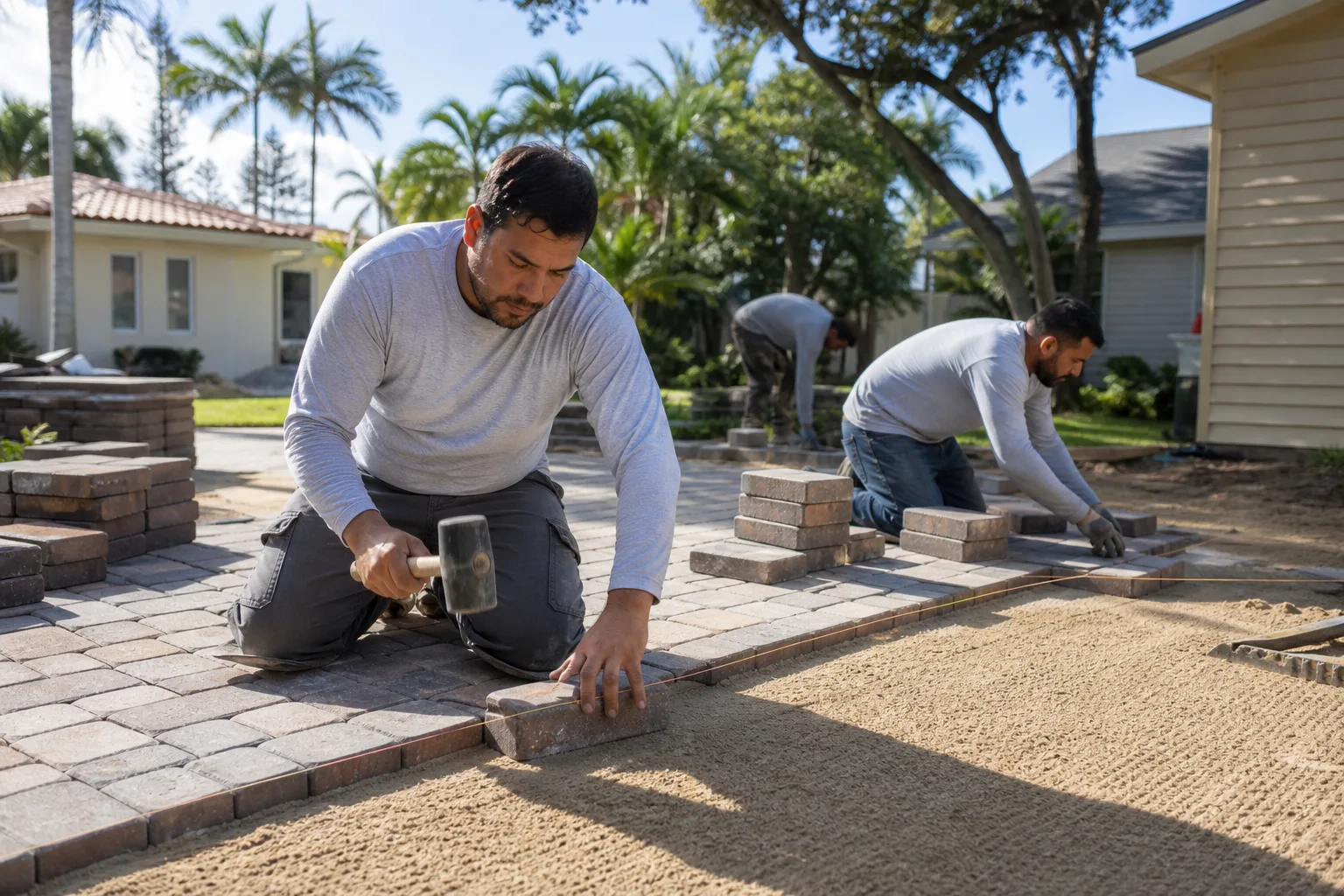
A new paver driveway and a five-year-old one don’t follow the same calendar, even on the same street. In year one, settling is normal and expected – the base is still finding its equilibrium, and the first wet season is when small dips appear. Check the log monthly and don’t panic over a 1/8-inch dip in the first spring. Year two, the settling has mostly finished and the calendar settles into the pattern above. Year five, the sealer reapplication interval is the main variable – if you used a 2-year product you’re due, if you used a 5-year product you may not be. Year ten, edge restraints typically need their first full re-spike, and any paver that has cracked under vehicle load is worth replacing rather than patching.
Palmdale’s climate speeds up the wear profile compared to coastal Southern California. What takes eight years to show at sea level shows at six here, mostly because the UV degrades sealers faster and the freeze-thaw cycling works the joints harder. That’s the honest timeline in the Antelope Valley, and it’s why the calendar above isn’t optional.
See the difference
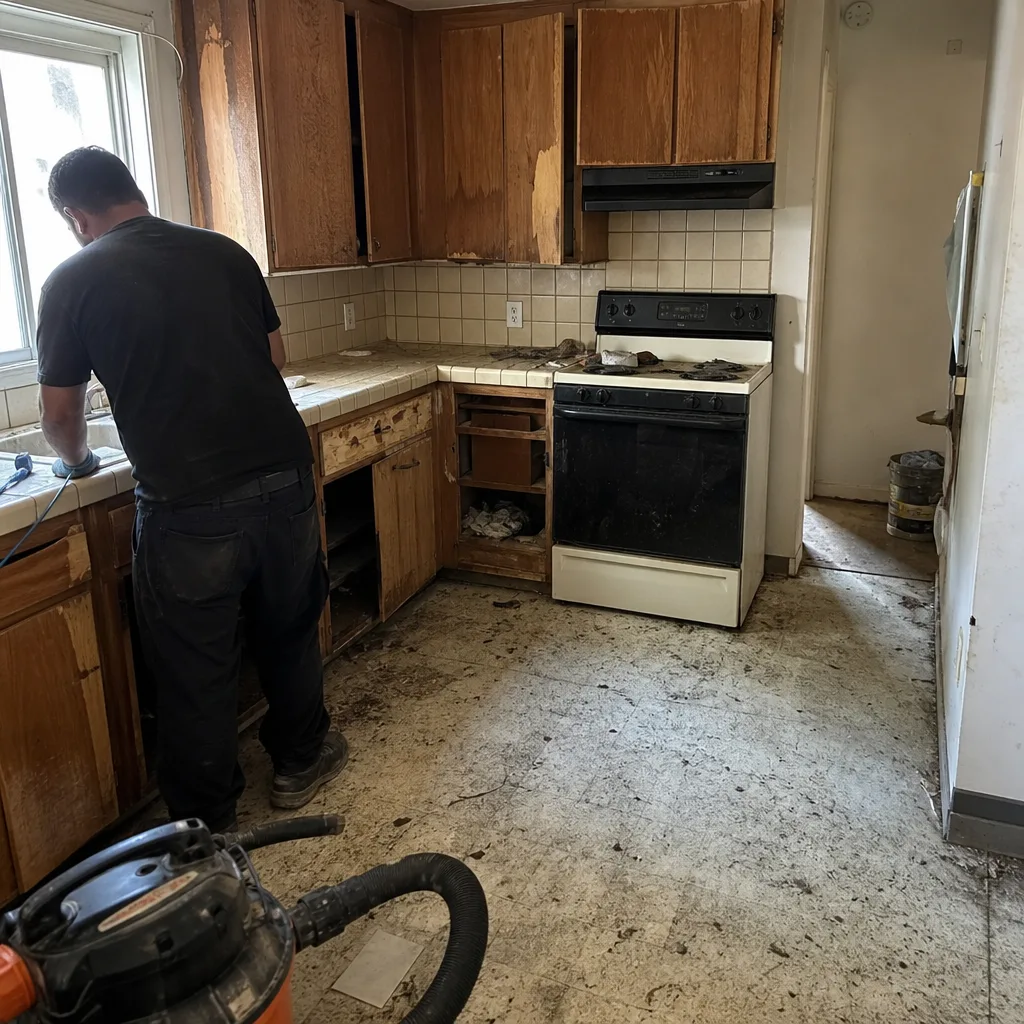 Before
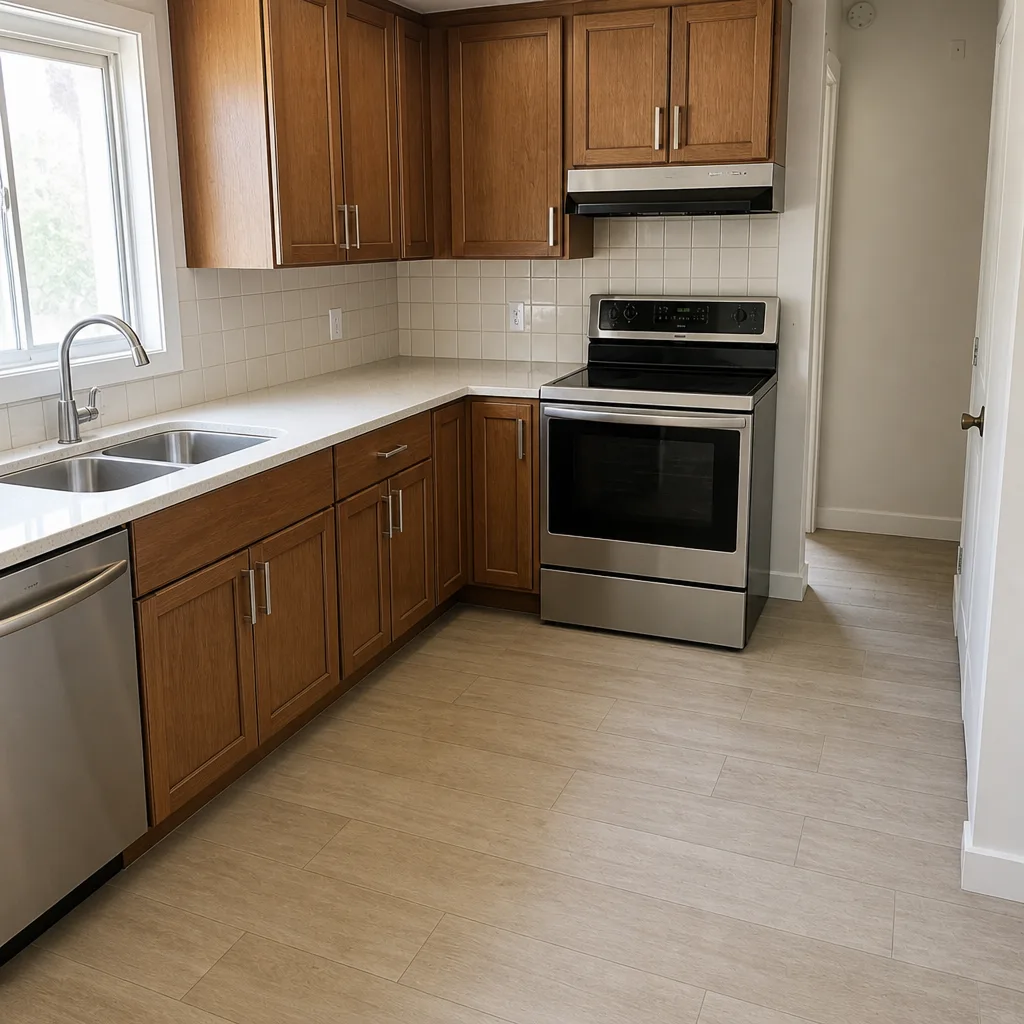 After
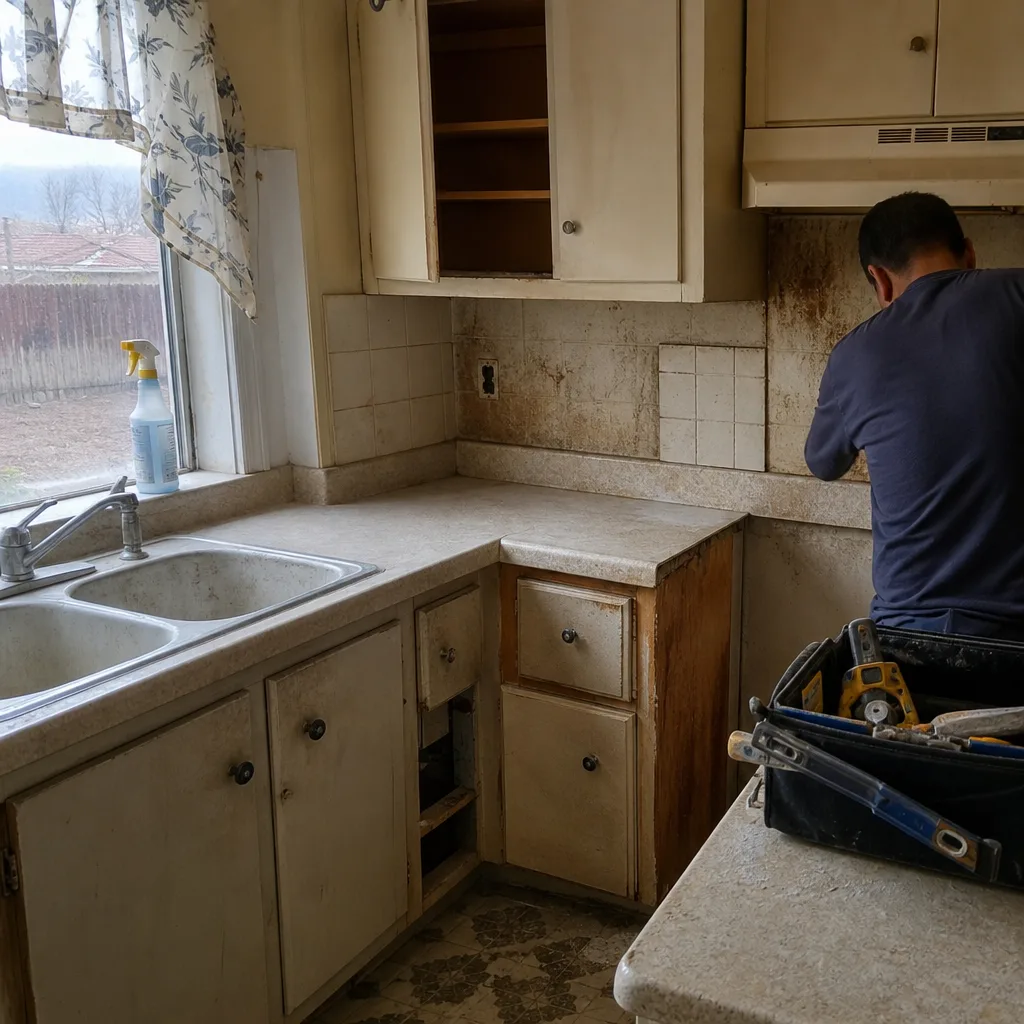 Before
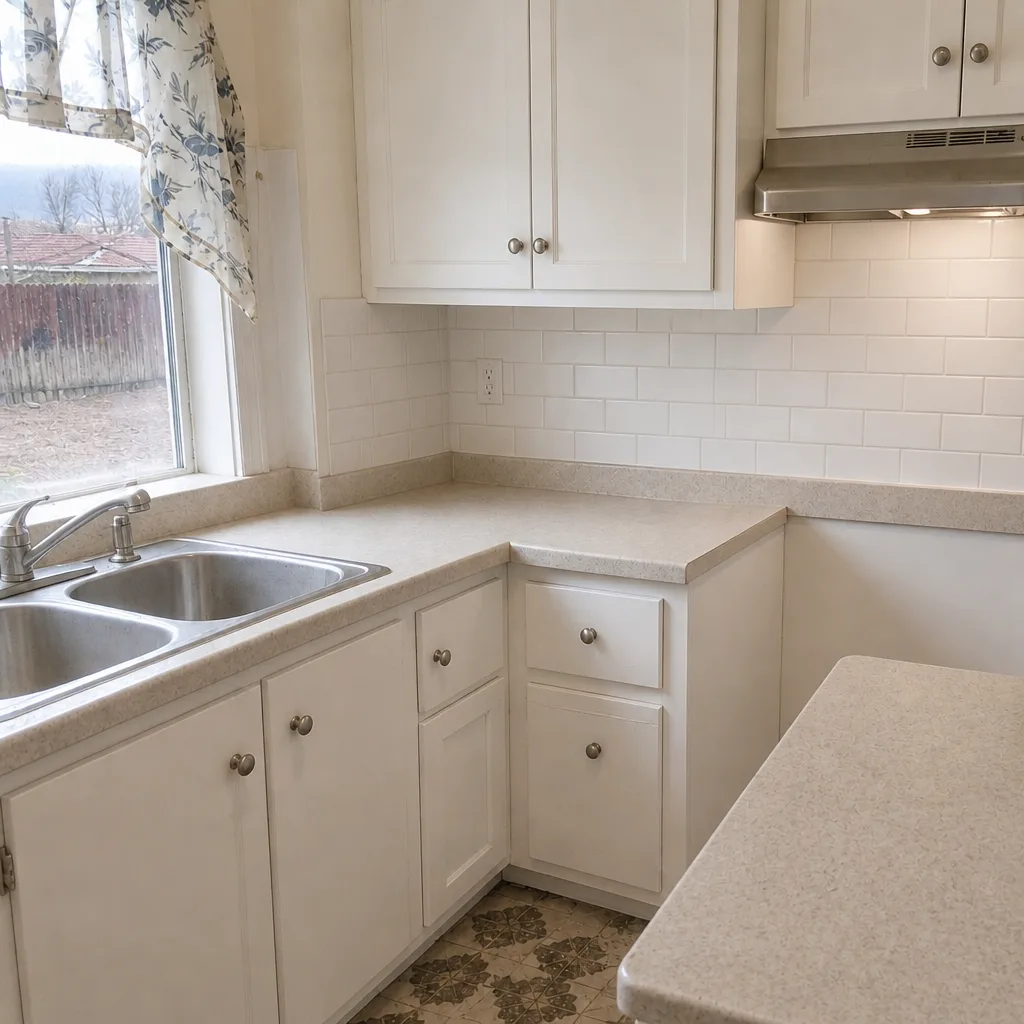 After
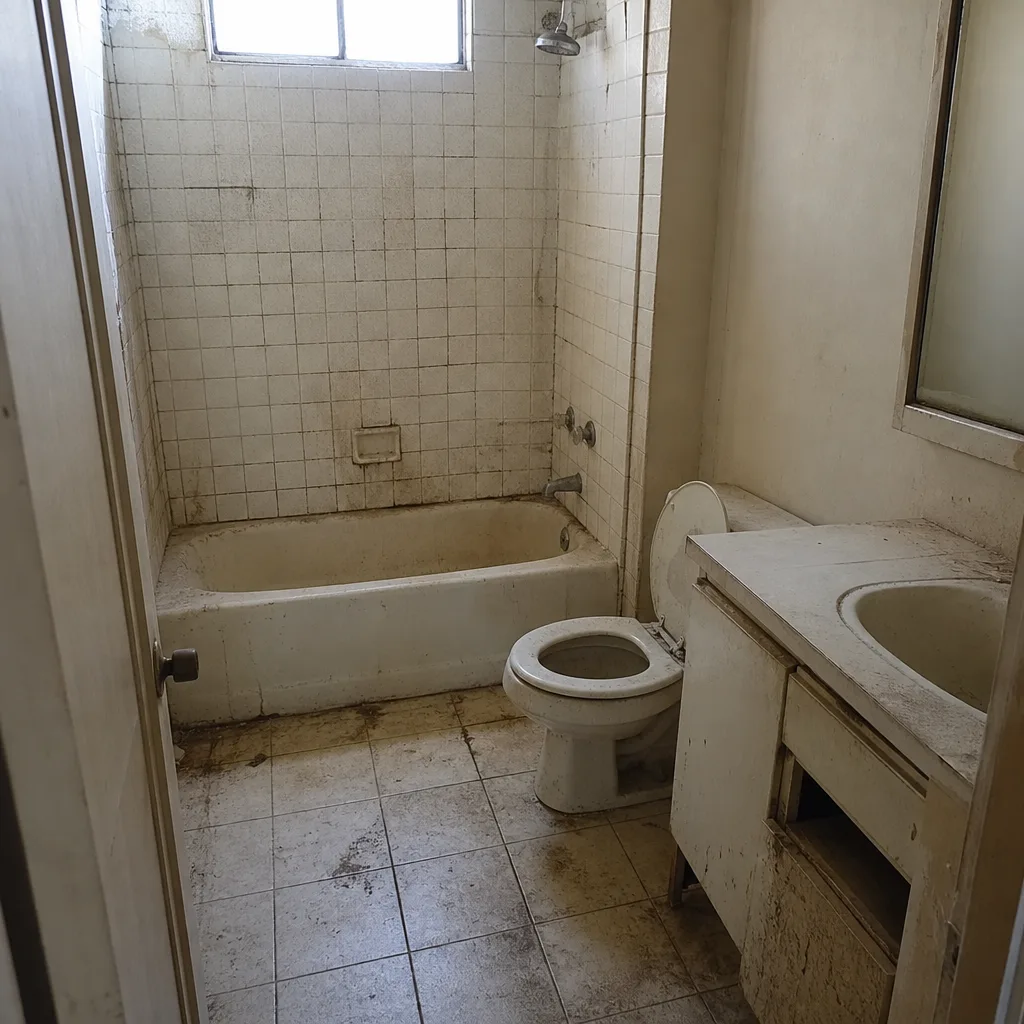 Before
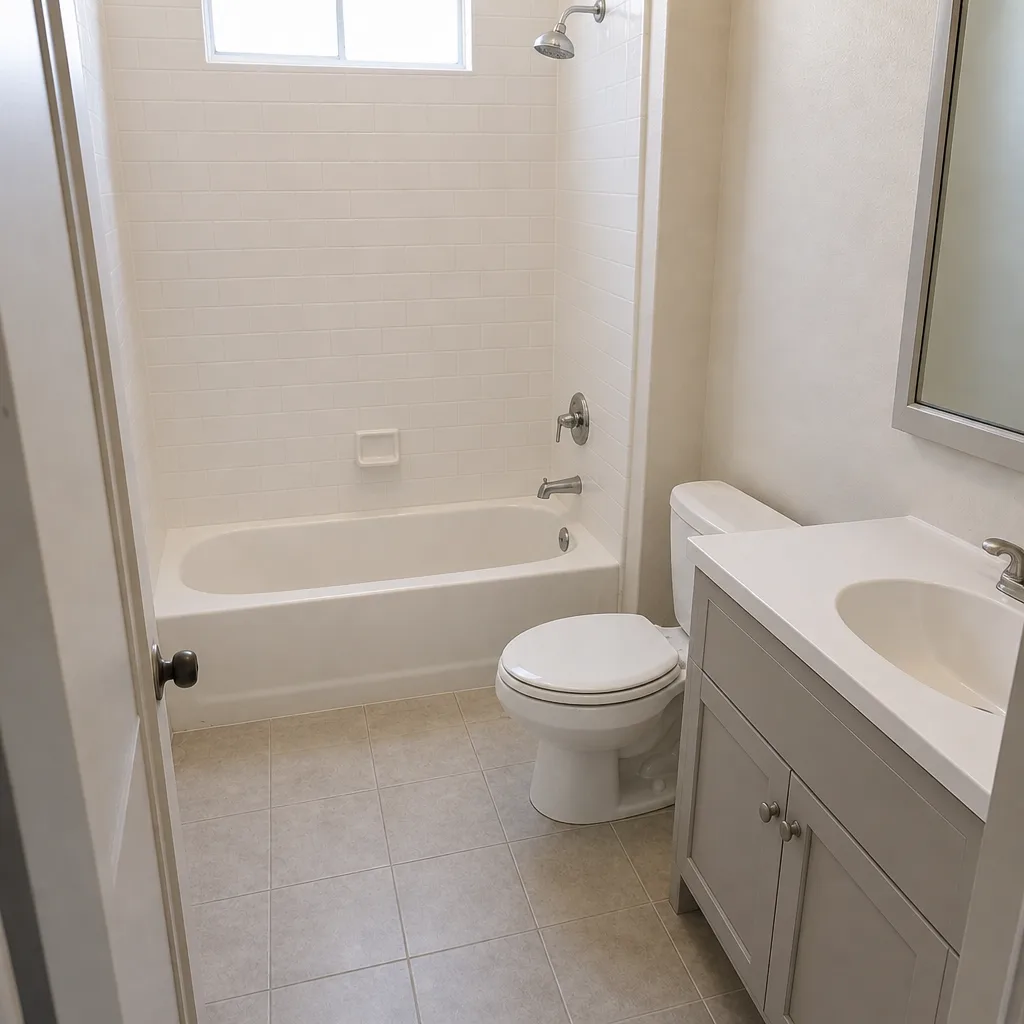 After
What About a Full Replacement vs. Maintenance?
Maintenance keeps an existing paver driveway going for decades. It cannot fix a failed base. Signs the base has failed: pavers that rock across a wide area, standing water that doesn’t drain within a couple of hours after rain, and visible heaving in winter that doesn’t relax in spring. Any of those means the calciche or class II base underneath has shifted, and the fix is lifting the pavers, re-grading the base, and re-laying. That’s not a maintenance task – it’s a re-install. When we walk a driveway and find base failure, we say so plainly and quote the re-install as a re-install, not as a “maintenance plus” upsell. If you’re also considering a full re-do, this is usually the moment to ask about a matching Fence Installation in Palmdale or a Home Additions & ADU in Palmdale so the whole hardscape is planned together rather than patched in phases.
One more note on materials: when customers ask about new driveway base prep, the brands we spec most in Palmdale are Belgard and Techo-Bloc for the pavers and SRW for the joint sand. The modern prefab construction names that come up in ADU conversations – Dvele, Mighty Buildings, Plant Prefab – are worth knowing if a driveway is part of a larger ADU access project, since those builds often have specific slab and approach requirements the driveway needs to meet.
Common Mistakes to Avoid
- Sealing in spring. The first warm week after a spring rain sends surface temps above the safe curing range, and the sealer skins over before it penetrates. Wait for October.
- Applying polymeric activator in summer. This is the mistake that starts September weed pressure. If a contractor wants to activate a polymeric joint in July in Palmdale, ask them to come back in October.
- Pressure washing at full blast. A turbo tip on a paver driveway undercuts the bedding sand and leaves pavers floating. 1,500 psi and a 25-degree fan is the ceiling for concrete pavers.
- Skipping the November inspection. The pre-freeze walk is the highest-value 20 minutes of the year. Every joint you close in November is a joint you don’t re-sand in March.
- Re-spiking without a deadblow and pry bar. Hammering a spike in with a sledge disturbs the adjacent pavers and creates the bow you were trying to fix.
- Using a sealer with no published UV rating. In a market with over 1,000 sun hours, an unrated sealer is a one-season product at best.
- Ignoring a log. Warranty claims fail for lack of documentation more often than for legitimate defects. The log is the evidence.
When to Call a Professional
Most of the calendar above is genuinely DIY. Some of it isn’t. Call a professional when: the edge restraint has pushed out more than an inch, when pavers rock across a wide area (a sign of base failure rather than a simple re-spike), when water is pooling and not draining after rain, when the paver manufacturer’s warranty is in question and you need a documented inspection, or when the job involves lifting and re-laying more than a small field. On a Palmdale driveway, the standard is a written quote before any work starts – that’s the front-loaded price that lets you compare apples to apples. Rowan Construction Group Palmdale offers free estimates in Palmdale – call (844) 320-8244.
Frequently Asked Questions
Every 2 to 3 years with a high-UV acrylic sealer, every 3 to 5 years with a polyurethane or penetrating siloxane. Palmdale’s annual UV load exceeds 1,000 hours, which is why a product rated for sustained desert exposure is the deciding factor – not the price. Re-apply in October. Call (844) 320-8244 for an exact quote; estimates are free.
October. Surface temps are in the 70s and 80s with cool nights ahead, which gives a full curing window before the first freeze. Spring sealing is a mistake in Palmdale because a single warm week can flash-cure the sealer before it bonds.
Yes, if you stay within the material’s PSI limit – 1,500 psi on concrete pavers, 800 to 1,200 on natural stone and porcelain – and hold the wand at a 45-degree angle with a 25-degree fan tip. Never use a turbo or zero-degree tip. If you’re unsure of the material, call (844) 320-8244 and we’ll tell you what the safe limit is for your specific paver.
Pre-emergent in late February, before germination, then a proper joint sand refill in March with the manufacturer’s specified sand. The pre-emergent blocks germination; the sand refill closes the joint that gave weeds their opening. Pulling weeds after they sprout is the least effective approach.
It can, if the surface is above the sealer’s rated application temperature. In July in Palmdale, the paver surface routinely exceeds the safe range by 10 a.m. and stays there for hours. The sealer will skin over before it penetrates, leaving a haze or an uneven film that requires chemical stripping to remove.
Yes, most paver and installation warranties ask for a maintenance record. A dated photo-and-note log kept with the original paperwork answers that verification in minutes. If you’re preparing to file, call (844) 320-8244 and we’ll walk you through what a documented inspection should include.
The Bottom Line

A paver driveway in Palmdale survives on a calendar that respects the climate, not a generic seasonal checklist. Seal in October. Inspect the edge restraints in the same visit. Pre-emergent in late February, joint sand refill in March, no heat-sensitive product work from June through September. Keep a photo-and-note log so warranty claims and repair diagnoses have evidence. Stay within the PSI limit for your paver material. The rest is patience – and knowing when a re-spike is a re-spike and when it’s a sign the base has failed. The yearly cost of following this calendar is small. The cost of ignoring it is a driveway that surprises you in a March cold snap, when there’s nothing to do about it until spring.
Rowan Construction Group has been building and maintaining Palmdale-area driveways and hardscape as part of its seven-trade residential practice, with a written flat price and a written scope before any work starts, a signed change order before any change proceeds, and a documented photo record on every visit as a standard deliverable. If you’d like a written quote on a paver repair, a re-seal, or a full driveway replacement, call (844) 320-8244 for a free estimate. We’ll walk the driveway, note what we find, and put the number in writing before anyone picks up a tool.
Written by the team at Rowan Construction Group Palmdale.