Last updated November 18, 2026
Free written scope consultation - allowances, timeline, and change-order rules on paper before a single trade is scheduled
DIY vs Professional Construction: The Palmdale Homeowner’s Decision Guide
In California, doing $500 or more of combined labor and materials on a project that legally requires a contractor’s license, without holding that license, is a misdemeanor. That single fact reframes every DIY conversation. Most homeowners weighing whether to tackle a kitchen or a roof themselves assume the question is about skill or budget. In Palmdale, the question is often about statute first, insurance second, and cost third. This guide walks through the California legal framework, which Palmdale projects genuinely sit within homeowner scope, how to build an honest DIY cost number, and what really happens to your insurance and resale disclosure when you do the work yourself.
Quick Answer
Most structural, electrical, plumbing, and roofing work in Palmdale requires a licensed contractor under California law, and the $500 combined labor-and-materials threshold in Business and Professions Code Section 7048 means even modest jobs can cross that line. The homeowner “owner-builder” exemption exists, but it commits you to a one-year disclosure obligation after sale and puts warranty and insurance risk squarely on you. DIY is genuinely within scope for painting, minor carpentry, and non-structural landscaping; anything that touches permits, the building envelope, or utility systems is the wrong side of the line.
Styles & brands we work with
- Kitchen remodeling
- Bathroom remodeling
- Home additions & ADU
- Roofing
- Windows & doors
- Driveway & pavers
- Fence
Table of Contents
- The California Legal Framework: What Requires a License
- The Palmdale Project Matrix: What’s Actually DIY-Scope
- Owner-Builder Status: What It Permits and What It Prohibits
- The True Cost Comparison: How to Price DIY Honestly
- Insurance, Warranty, and Resale Disclosure
- Palmdale Climate and the DIY Failure Modes We See
- When the Licensed Path Is the Only Path
- A Numbered Decision Process for Palmdale Homeowners
The California Legal Framework: What Requires a License
California’s Contractors State License Board (CSLB) draws a bright line. Any project where the combined cost of labor and materials reaches $500 or more, and where the work is a “contractor” activity, requires a licensed contractor. That threshold is cumulative, not per-task. A homeowner who budgets $300 in materials and $400 in labor for a single job is over the line at $700, regardless of how the work is split.
The trades that fall on the licensed side of that line, without qualification:
- Structural carpentry and framing – load-bearing walls, headers, beams, anything that carries or redistributes load.
- Electrical work beyond minor fixture swaps – panel work, new circuits, outlet relocation, anything that requires a permit and inspection under the California Electrical Code.
- Plumbing beyond fixture replacement – water heater swaps, drain re-routing, gas line work (gas is its own tier and always requires licensed work).
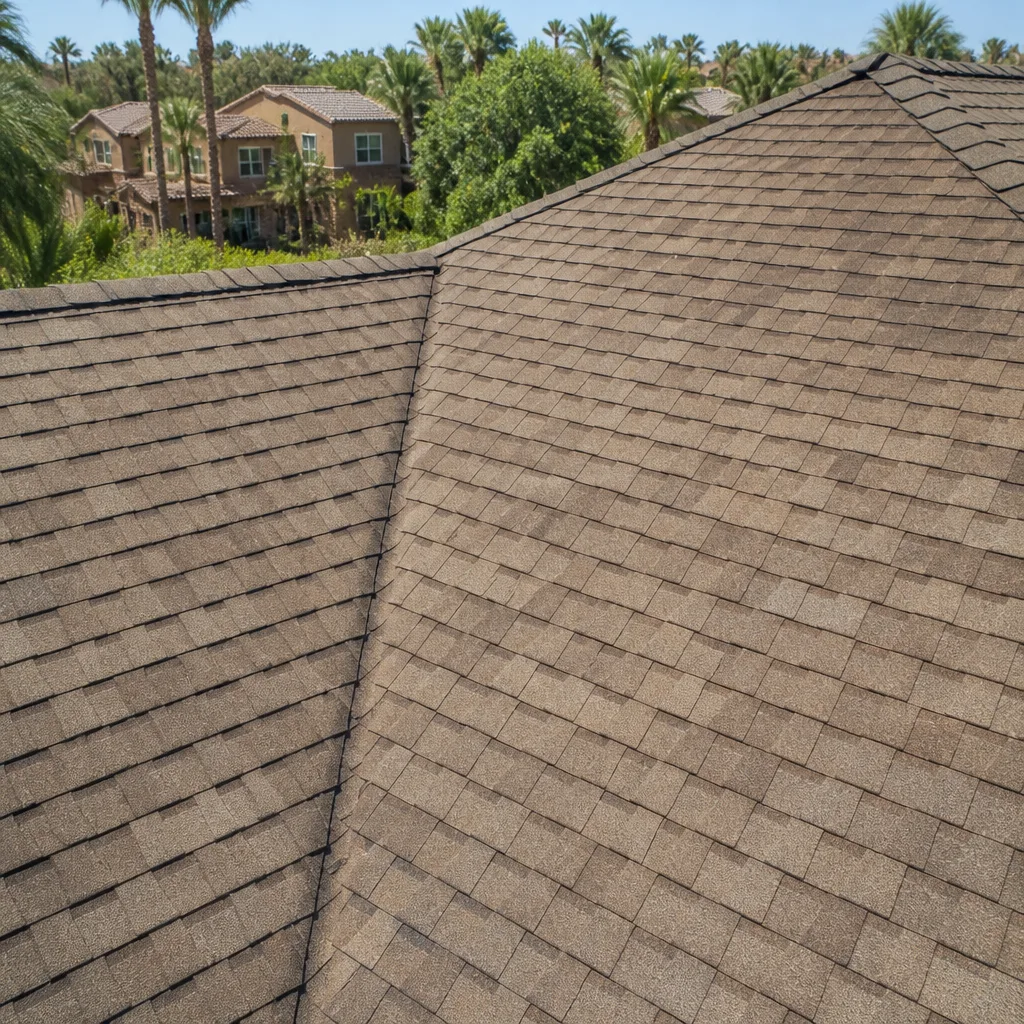
- Roofing – tear-off, underlayment, flashing, and any repair where the substrate is exposed.
- HVAC – refrigerant, ductwork, and any equipment tied to the Title 24 energy code.
- Concrete, masonry, and paver installation when a permit is triggered (driveways, retaining walls over 4 feet, structural hardscape).
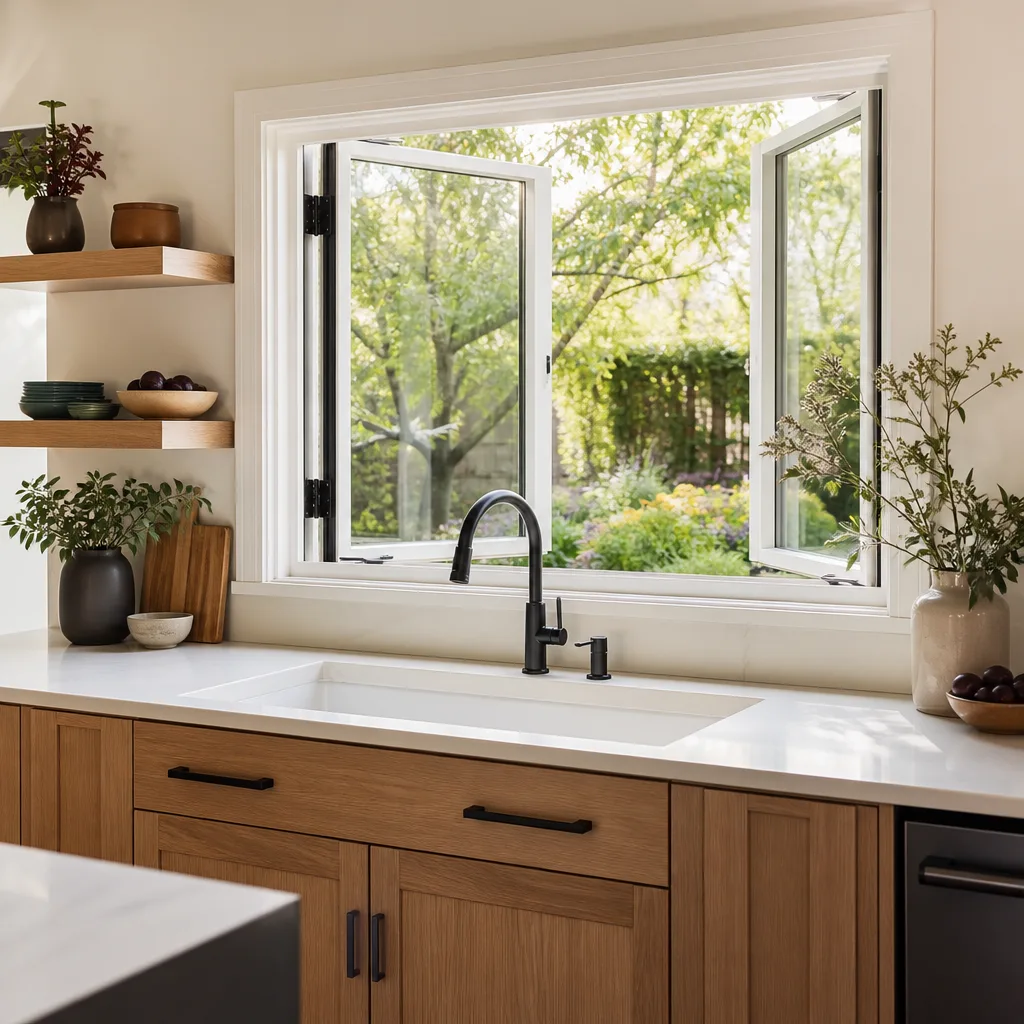
- Windows and doors that alter the building envelope – egress, tempered-glass requirements, and structural openings.
The trades that generally do not require a license when performed by the owner on their own primary residence: interior and exterior painting, minor non-structural carpentry (shelving, trim, cabinets on existing walls), landscaping that doesn’t touch drainage or retaining structures, and floor covering over an existing subfloor.
What matters for Palmdale specifically is that the city’s permit office treats any envelope-altering work as a triggered permit under the 2022 California Building Standards Code. Once a permit exists, the licensed-contractor question usually follows.
The Palmdale Project Matrix: What’s Actually DIY-Scope
Here’s how the projects Palmdale homeowners most often ask about sort out. This is the matrix we use on our own free estimate calls, because it stops the conversation at the right place before anyone buys materials.
Genuinely DIY-Scope (no permit, no license, no structural risk)
- Interior painting (rooms, ceilings, trim)
- Exterior painting – the sun exposure here is the only gotcha, more on that below
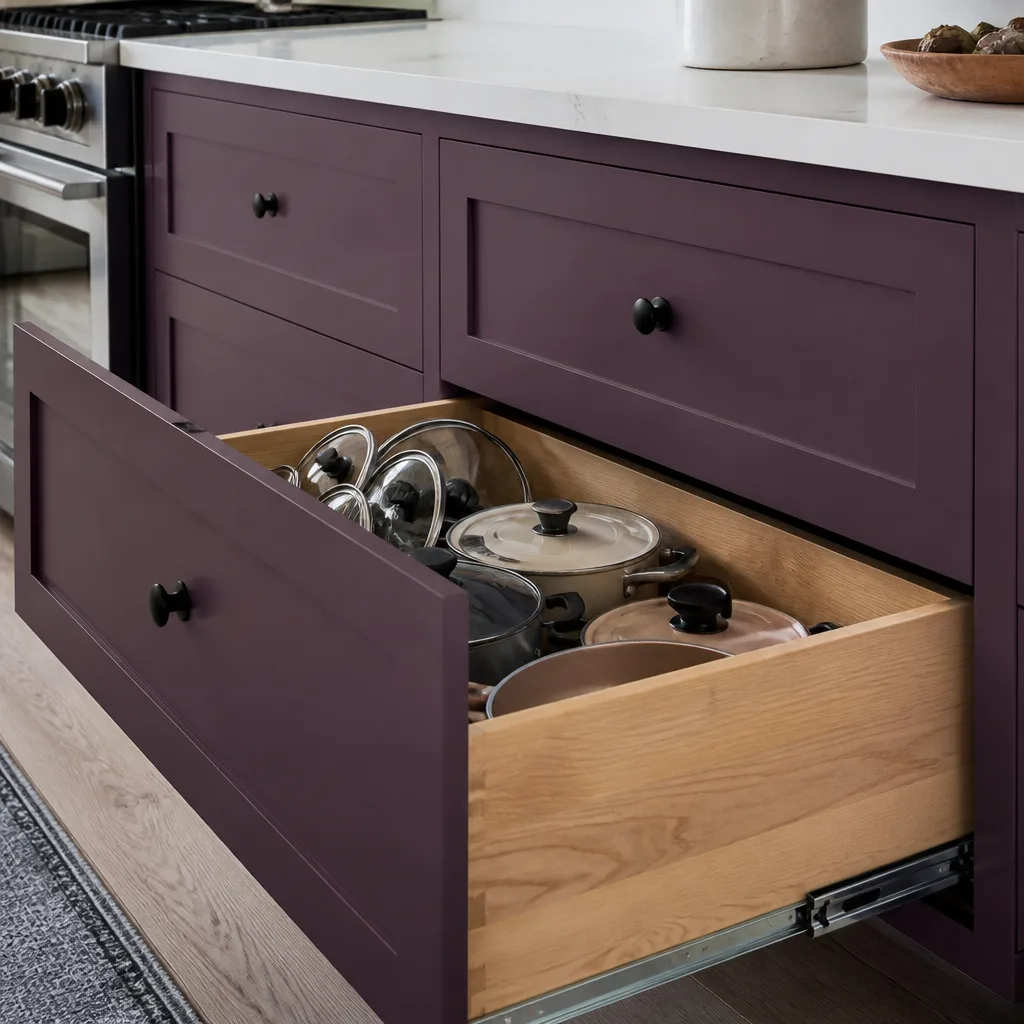
- Minor carpentry: shelving, closet systems, baseboard replacement, cabinet refacing on existing boxes
- Landscaping: planting, drip irrigation tie-ins, mulch beds, non-structural hardscape under 200 sq ft
- Flooring over concrete or existing subfloor (LVP, tile over slab, carpet)
- Swap-in fixture replacement: faucets, toilets, light fixtures on existing wiring
Permit Required, License Required
- Any wall removal or relocation
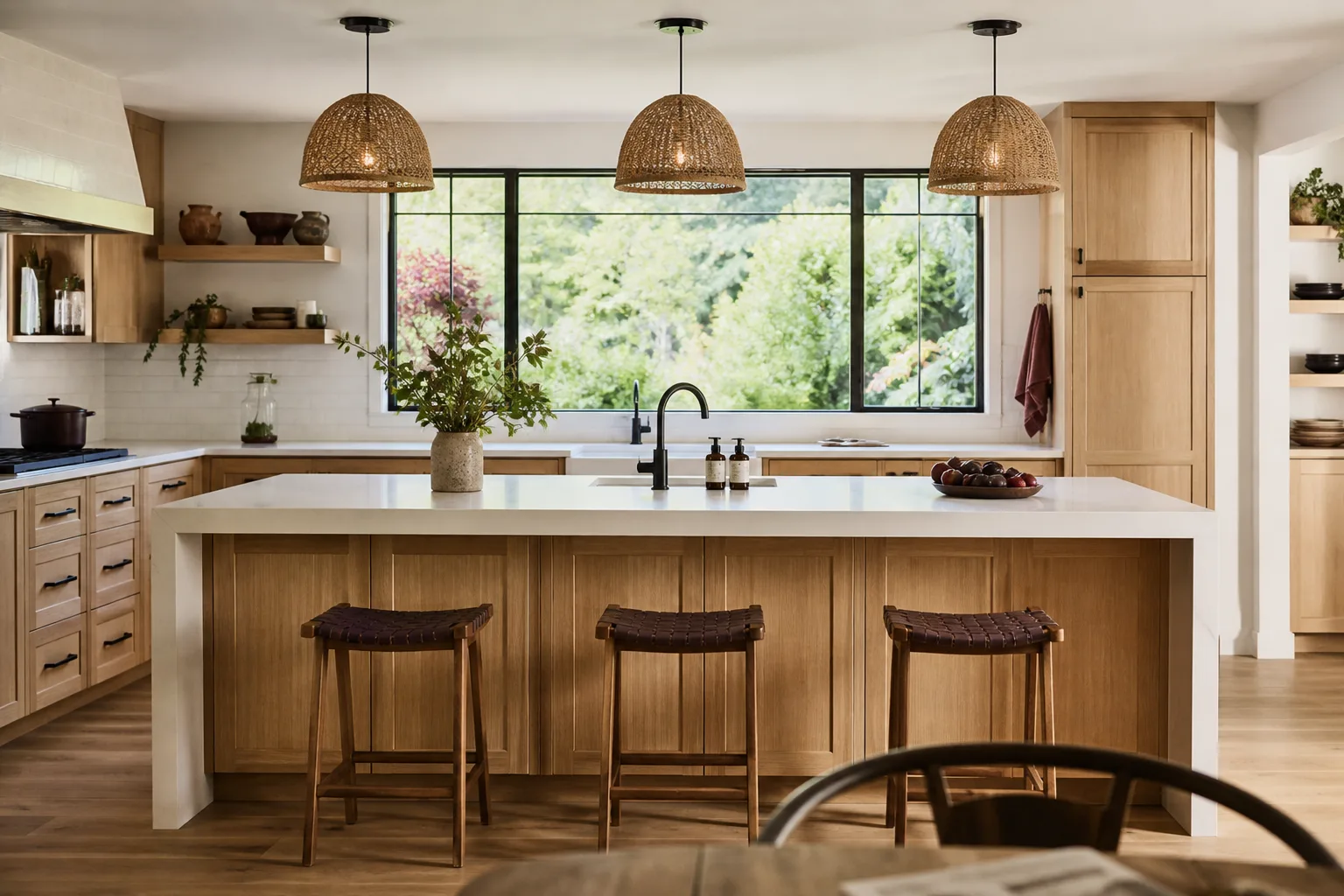
- Kitchen remodels that move plumbing or electrical
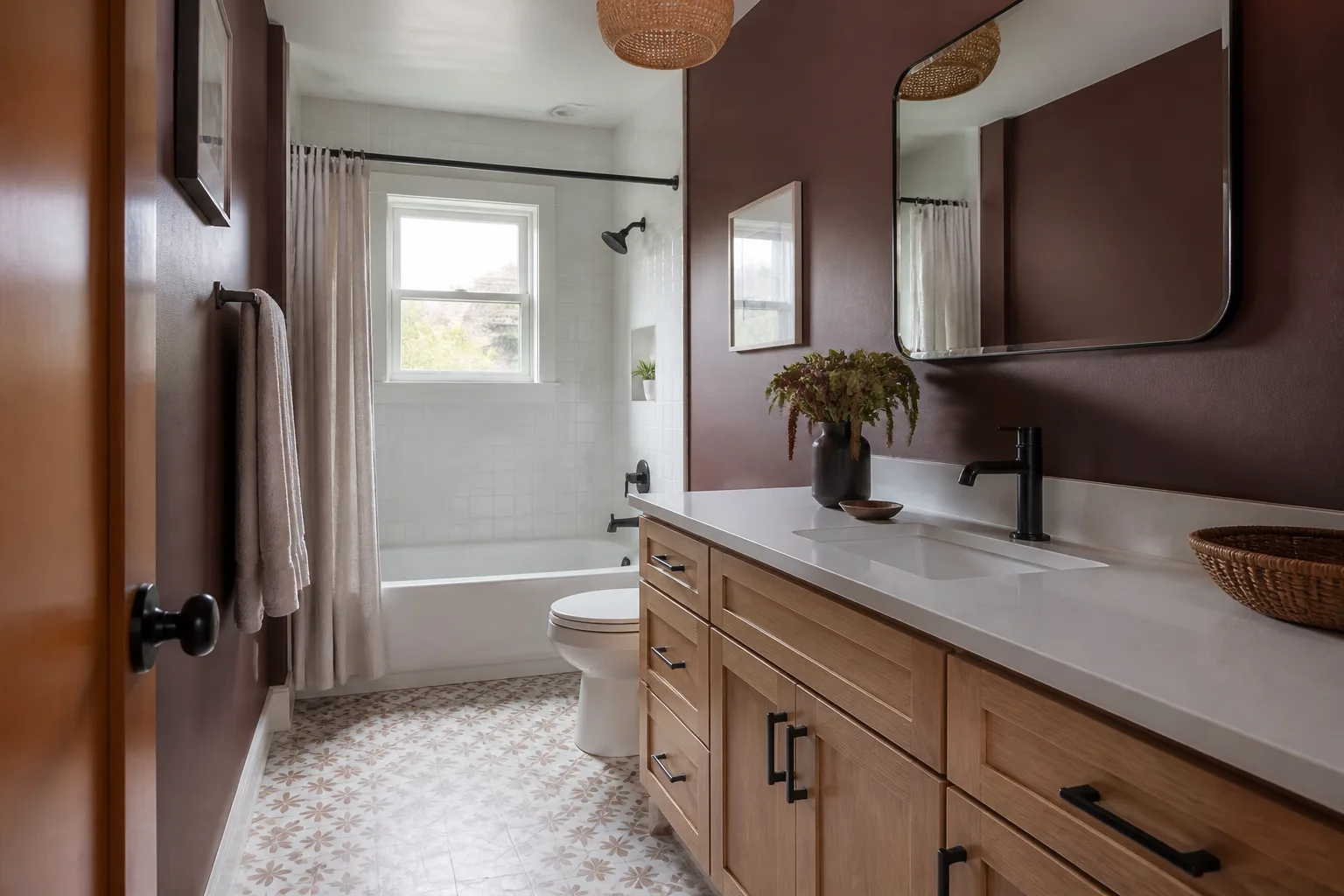
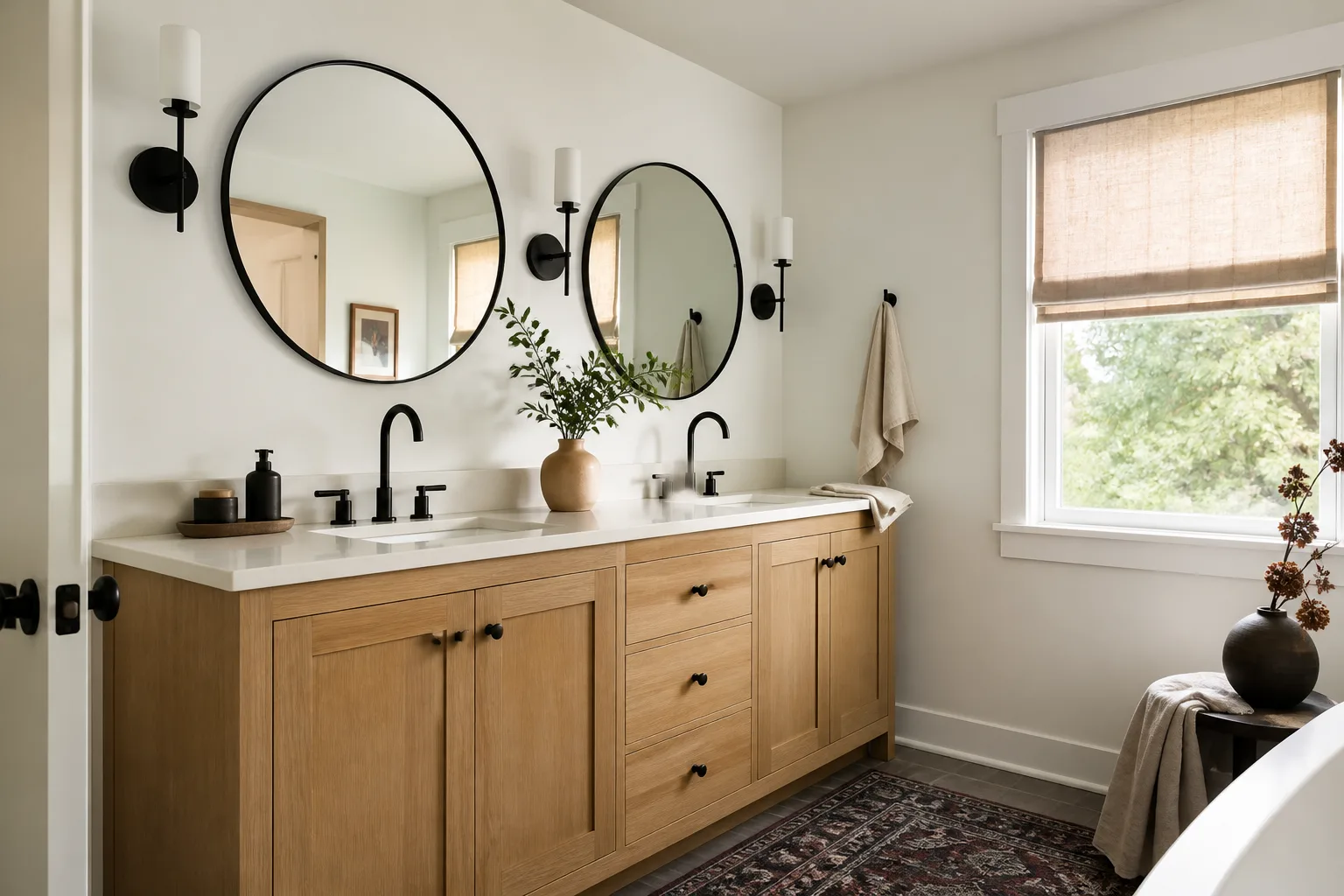
- Bathroom remodels beyond cosmetic finishes
- Roof replacement or repair of any size
- Window and sliding-door replacement (egress and energy-code compliance)
- Driveway, patio, and paver installation
- Fence installation over 6 feet, or any fence on a property line (more on that below)
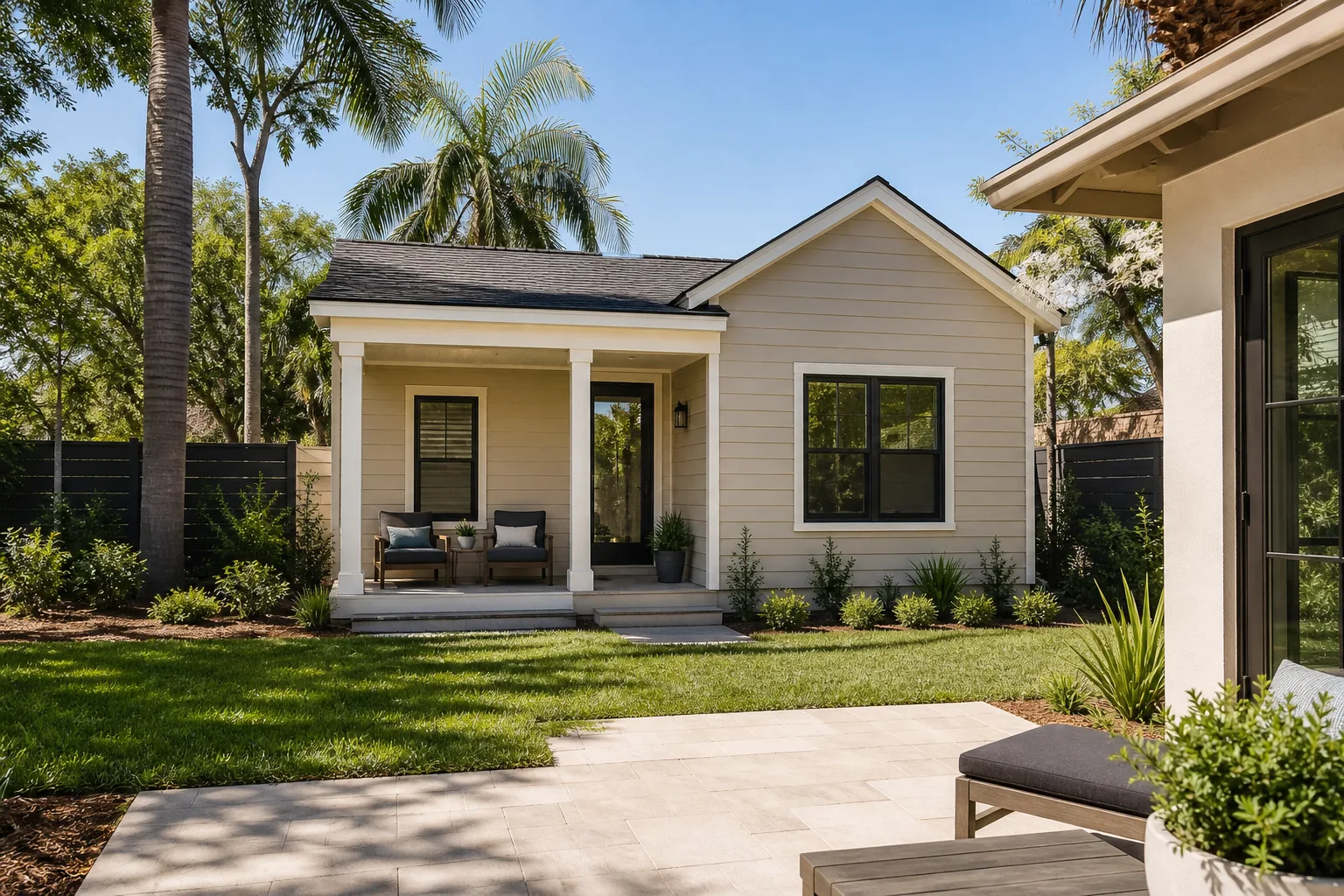
- Home additions, including ADUs and detached garages
- Electrical panel changes and HVAC replacement
For the projects on the second list, we’ve built our Palmdale service pages around the exact permit path: you can see what we do for Driveway & Pavers in Palmdale and how the fence permit and property-line survey work on Fence Installation in Palmdale, both of which touch the permit process on the first line.
Owner-Builder Status: What It Permits and What It Prohibits
The owner-builder exemption is the most misunderstood piece of California construction law, and the one Palmdale homeowners get burned by most often. Here’s exactly what it does.
What it permits: a homeowner may pull a permit and perform work on their own primary residence, or act as their own general contractor (subcontracting to licensed subs) on that residence. You don’t need a contractor’s license to build your own house.
What it prohibits: you cannot sell, lease, or rent the structure for one year after the work is completed if you used the owner-builder exemption. You cannot use it on a rental property or a flip. You cannot hire unlicensed subs and call them “helpers.” And you cannot claim the exemption to build for a family member or a business entity.
What it commits you to: under California Civil Code, owner-builders who sell a property within one year of completing permitted work must disclose the work in writing to the buyer, and that disclosure carries real teeth. If the buyer has a defect claim after the sale, your one-year window between completion and sale is the liability landscape you’re standing in.
When the Owner-Builder Path is Legitimate
It’s a reasonable strategy when the project is small, the homeowner has genuine trade skill or a licensed sub in hand, and the property will be held for the long term. It’s a bad strategy when the project involves the building envelope, structural work, or anything that could produce a defect claim at resale.
The True Cost Comparison: How to Price DIY Honestly
Most DIY cost estimates are wrong because they compare a contractor’s all-in bid to a materials-only receipt. That’s not a comparison. Here’s how to build the honest number.
- Materials at waste factor. Industry standard waste factor for an experienced tradesperson is 10 percent. For an inexperienced buyer on a first attempt, it climbs to 15 to 20 percent, especially on tile, siding, flooring, and roofing. That $3,200 tile order is a $3,680 tile order before you’ve bought a single tool.
- Tool purchase or rental. A tile saw, a framing nailer, a wet saw for pavers, a demo hammer, a 6-foot level – the small-project tool stack realistically runs $600 to $1,800 to buy, or $150 to $400 to rent for a week. Palmdale rental yards price around the Antelope Valley average.
- Permit self-filing time. Between plan check, corrections, and inspection scheduling, a homeowner filing their own permit in Palmdale should budget 15 to 25 hours of their own time across the project, often during weekday business hours.
- Rework probability. The number that kills most DIY budgets. On permitted work, an inspection failure typically means rework plus re-inspection fee plus a schedule slip of one to three weeks. Budget 15 to 30 percent of the project cost for rework on any first-time trade attempt.
- Opportunity cost of your own labor. If your time is worth $40 per hour and the project is 80 hours, the labor line is $3,200 before the first mistake.
The honest comparison is DIY materials-at-waste plus tools plus permit time plus rework probability plus your labor, against a contractor’s flat written bid that already includes materials, labor, permit, disposal, and warranty. Used well, the two numbers are often closer than homeowners expect. The gap narrows further when we can review a competing quote line by line through our Rowan Construction Group Palmdale home free second-opinion offer.
Insurance, Warranty, and Resale Disclosure
This is where DIY decisions follow a homeowner for years. Three things change the moment a homeowner performs licensed-scope work on their own residence.
Homeowner’s insurance. A standard HO-3 policy does not typically exclude owner-performed work, but it does allow the insurer to deny a claim if the damage traces to non-permitted or improperly installed work. In Palmdale, where wind-driven rain and summer monsoon storms are the main loss drivers, a DIY roofing repair that fails at the flashing is exactly the kind of claim an adjuster will trace back to the installation.
Workmanship warranty. When a licensed contractor installs a GAF or Owens Corning roofing system, the manufacturer’s warranty is tied to a certified installer. No certification, no warranty. That’s not our rule – it’s the manufacturer’s, and no contractor can override it for a homeowner who installs the product themselves.
Resale disclosure. California requires sellers to disclose known material defects and any permitted work done in the past year under the owner-builder path. Buyers increasingly ask for the permit history, and a Palmdale home with unpermitted improvements is a negotiating chip for the buyer at the worst possible time – after you’ve accepted an offer.
Palmdale Climate and the DIY Failure Modes We See
Palmdale’s climate creates specific DIY failure modes that don’t appear in generic national guides. The Antelope Valley sits above 2,500 feet, with 300-plus days of sun, summer highs that cross 105°F with regularity, and wind gusts that routinely hit 40 to 60 mph from the west and northwest. Everything below is what we’ve actually seen on inspection calls.
- Exterior paint failure in 18 months. A homeowner-applied exterior coat on a stucco wall in Palmdale without the correct elastomeric base prep fails at the weep screed first, because the UV load destroys the film. We see it on the west and south elevations of homes across the Antelope Valley.
- Roofing at the ridge and the valley. Wind-driven rain finds every gap in a DIY-shingled ridge or valley. The GAF and Owens Corning warranties require a certified installer precisely because those two areas are the failure zones.
- Paver base failure on the driveway. A paver driveway installed without a properly compacted Class II base and a moisture barrier lifts and heaves within two summers. The Belgard and Techo-Bloc installation specs are specific, and they’re the first thing we check when a homeowner calls us to redo the job.
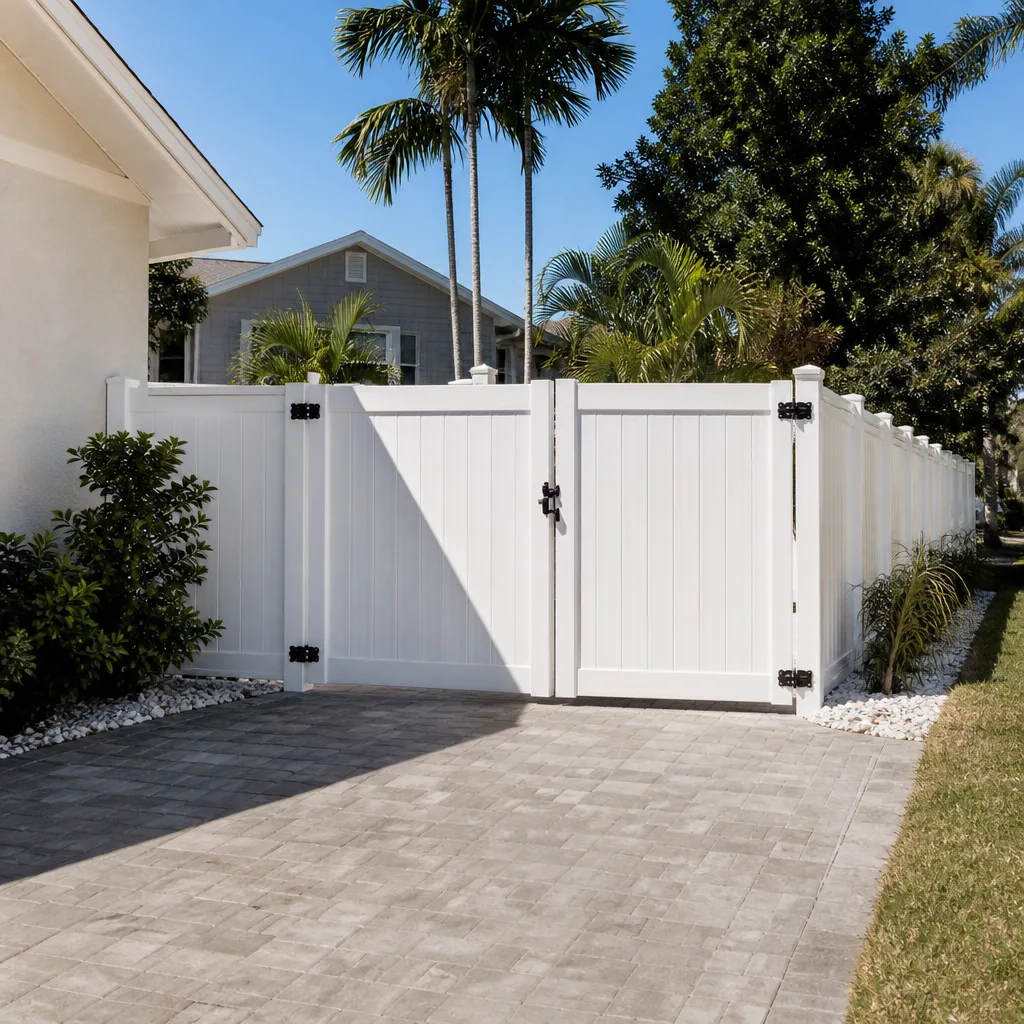
- Fence post uplift on a wind-loaded run. The Palmdale wind load means a 6-foot privacy fence needs deeper post embedment and thicker concrete than the national spec. We’ve seen more DIY fence posts lean in the first Santa Ana wind event than in the first five years.
If you’re plotting a fence or driveway project and weighing DIY, this is the reason we ask about wind exposure and slope before we quote. The Fence Installation in Palmdale and Driveway & Pavers in Palmdale pages walk through the wind and base specifics in detail.
When the Licensed Path Is the Only Path
The licensed path isn’t a preference for larger jobs. It’s a legal requirement for specific categories, and the categories are not ambiguous.
- Any project that requires a permit under the Palmdale Municipal Code.
- Any work on the building envelope: roofing, windows, doors, siding, stucco, and any flashing or weather barrier.
- Any work on electrical, plumbing, gas, or HVAC systems beyond fixture swap.
- Any structural work, including load-bearing wall changes, additions, and detached structures.
- Any work on a property that is not the owner’s primary residence.
- Any project where the homeowner is preparing the property for sale within one year.
If the work falls into one of those categories, the option is not DIY versus professional. It’s licensed professional, or the owner-builder exemption with the disclosure and warranty liability it carries.
A Numbered Decision Process for Palmdale Homeowners
Here’s the sequence we walk through with a homeowner on the estimate call. It takes about ten minutes and it settles the DIY-versus-professional question before anyone buys materials.
- Does the project require a permit? Check the city’s permit matrix or call the Palmdale permit counter. If yes, you’re in licensed-contractor or owner-builder territory.
- Does the project touch the building envelope or the utility systems? If yes, the licensed path is the only path for a homeowner who isn’t holding a CSLB license.
- Is the property your primary residence, and will you hold it for at least a year after completion? If no to either, the owner-builder exemption is not available.
- Have you done this specific trade before, on a project where a failure means a real cost? First-timer on tile, roofing, or pavers is where the rework probability lives.
- Price the DIY path with waste factor, tools, permit time, and rework probability. Compare that number to a flat written bid, not a materials receipt.
- Ask for a free second opinion on any written bid you receive. This is where we’ve saved homeowners more money than any other single call, because a line-item review catches scope gaps before they become change orders.
- Get the price in writing before work starts either way. The one thing that never changes: a written price and a written scope are the only insurance against a project that grows.
Common Mistakes to Avoid
- Filing the owner-builder permit for a rental property. The exemption is primary-residence-only, and using it on a rental is the fastest way to trigger a CSLB complaint.
- Buying materials before the permit is issued. Palmdale plan check often requires minor revisions that change the material spec – the tile, the glass rating, or the roof underlayment.
- Hiring an unlicensed “helper” for licensed-scope work. The owner-builder exemption does not allow you to hire unlicensed labor on a permitted project. That’s the exemption’s biggest trap.
- Assuming the manufacturer warranty survives a DIY install. GAF, Owens Corning, and the major window manufacturers tie their warranties to certified installers. Your receipt from the supply house is not a warranty.
- Skipping the pre-project insurance call. One ten-minute call to your carrier before a DIY project on the envelope tells you whether the value of the work is covered if it fails.
- Comparing a contractor’s bid to a materials-only quote. The bid includes permit, disposal, labor, warranty, and schedule. Comparing to a $2,400 supply-house receipt is not a comparison.
- Forgetting the wind load on a Palmdale fence or paver project. A national-spec install fails in the Antelope Valley in one summer. That’s the local fact that most national guides miss.
See the difference
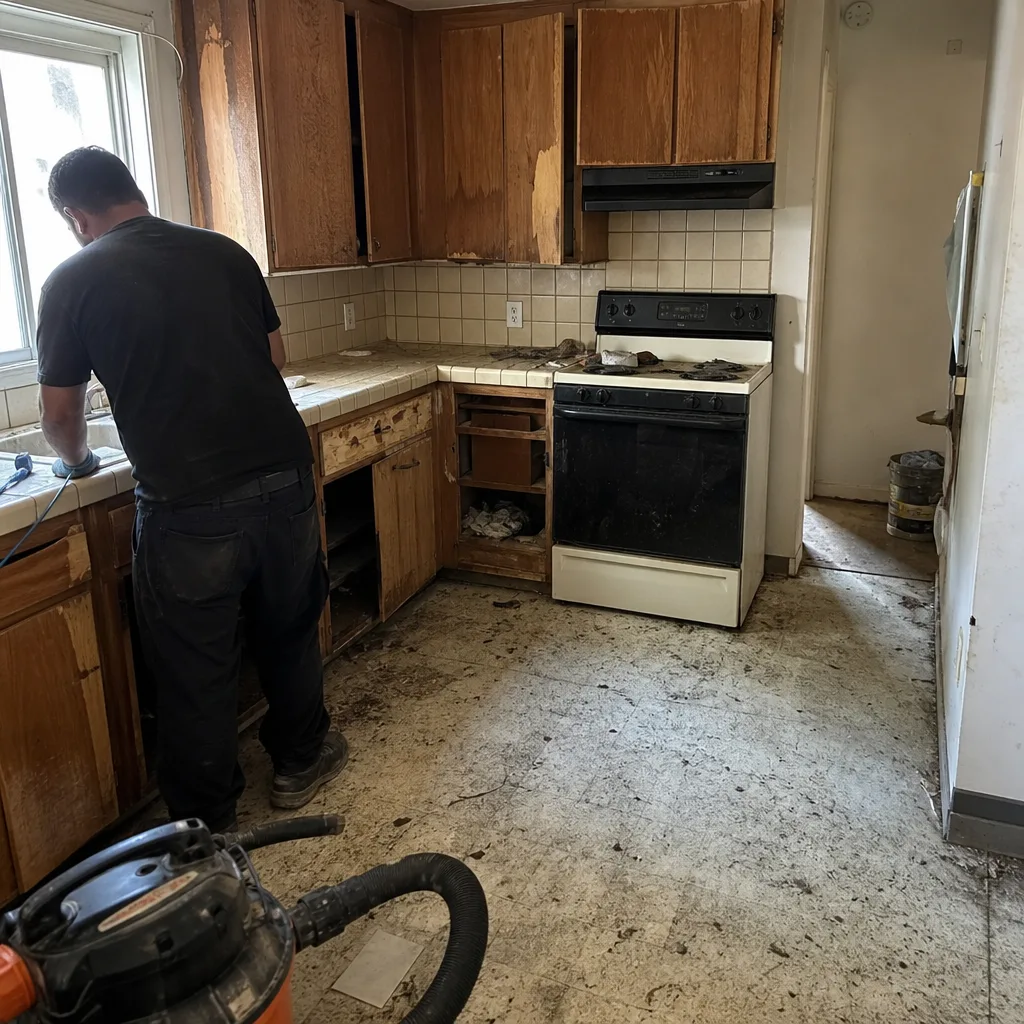 Before
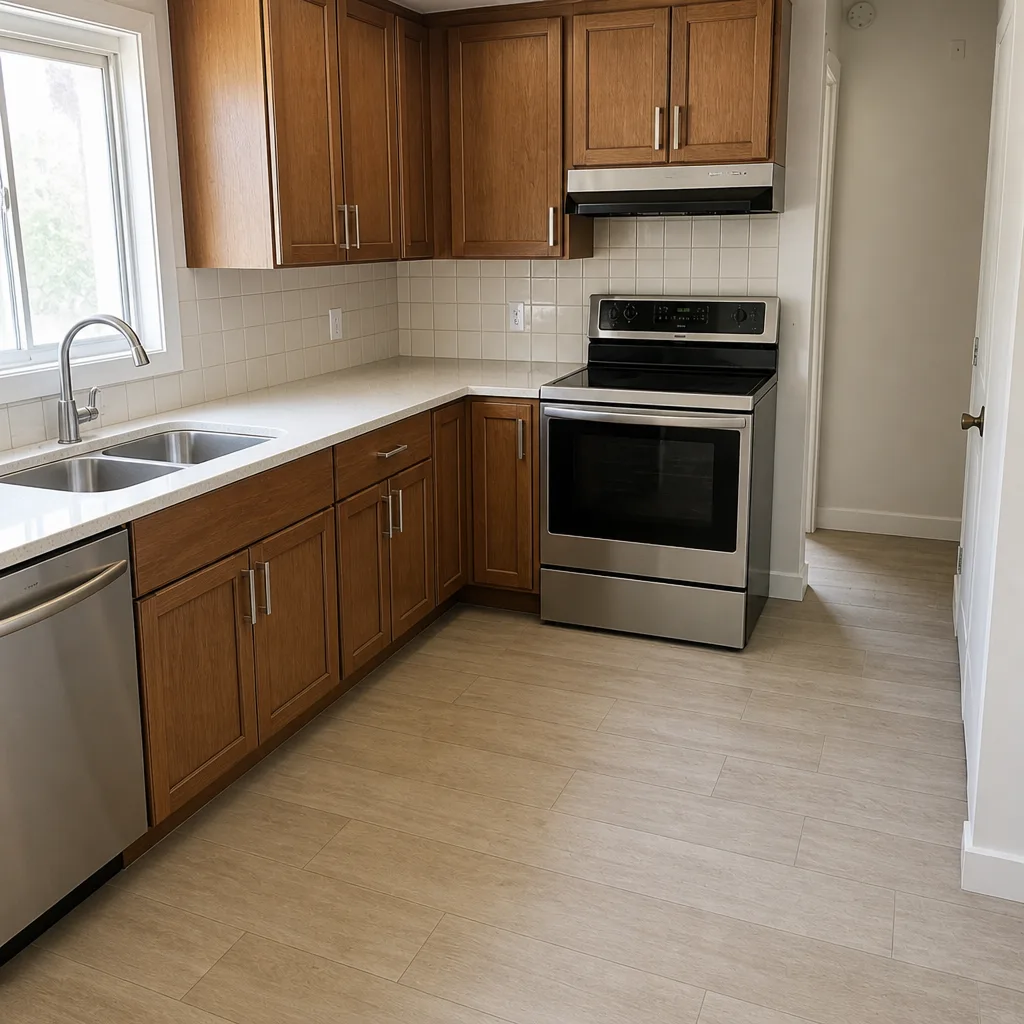 After
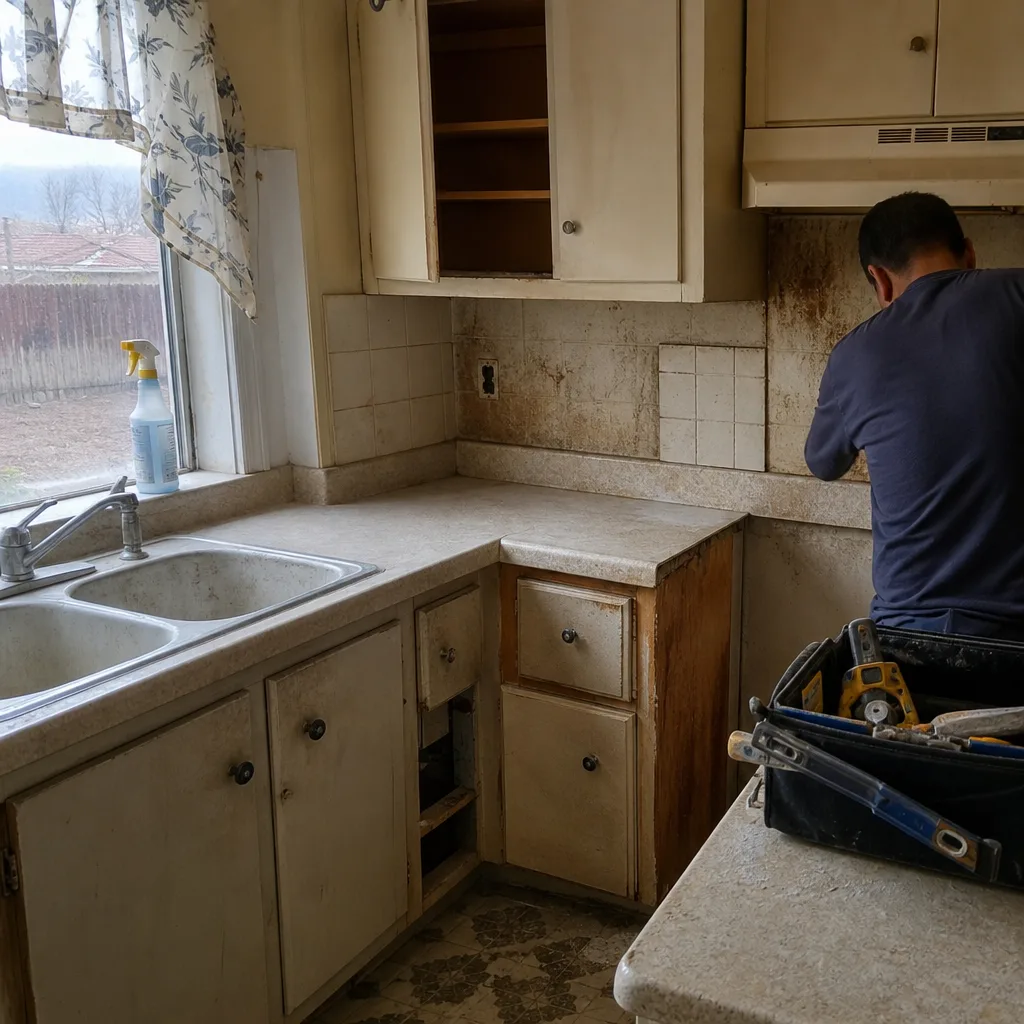 Before
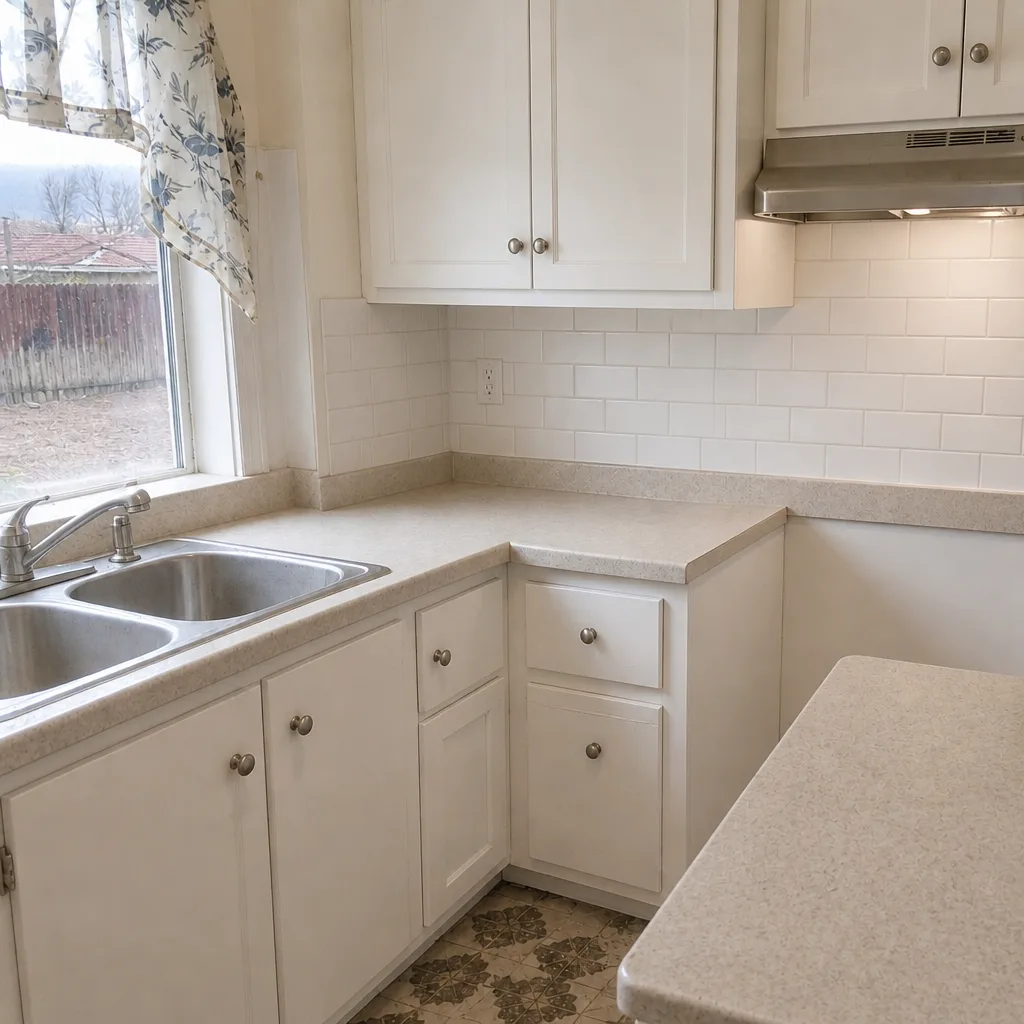 After
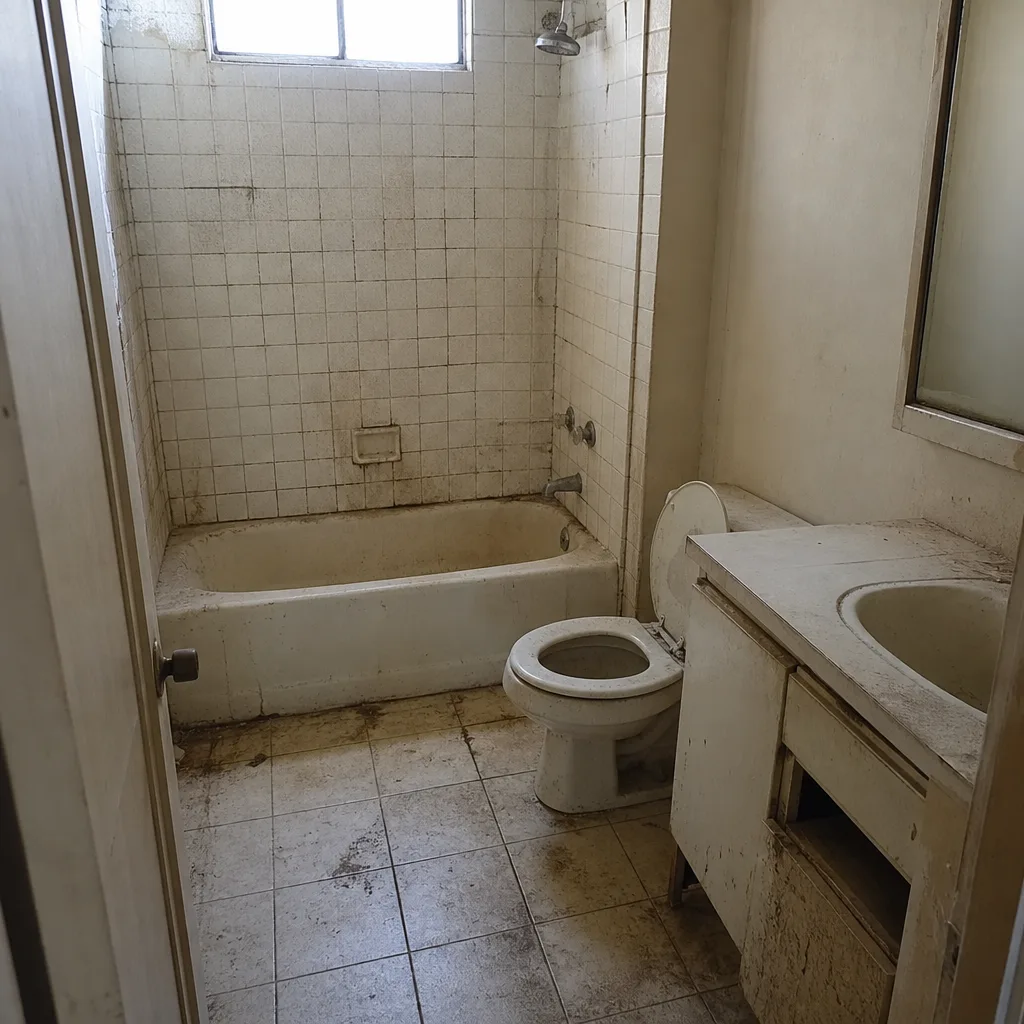 Before
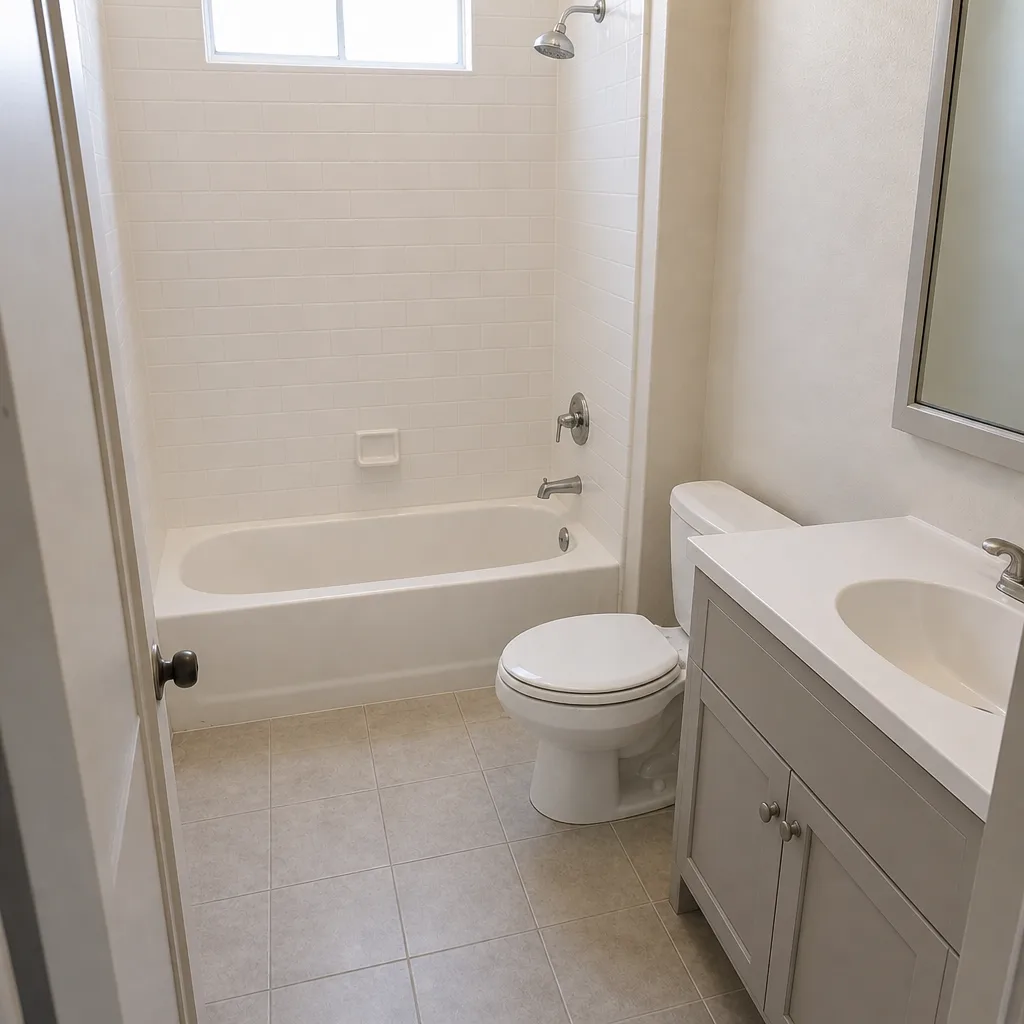 After
When to Call a Professional
Call a licensed professional for any project that requires a permit, touches the building envelope, moves an electrical or plumbing system, sits on a property that isn’t your primary residence, or will finish within one year of a sale. Call one for anything where the risk of an inspection failure, a warranty void, or a defect claim at resale outweighs the materials savings. Call one for a Palmdale roof, fence, or driveway, because the wind and sun load here punishes national-spec installs. And call one when you’re comparing bids and want a line-item second opinion before you sign. Rowan Construction Group Palmdale offers free estimates in Palmdale – call (844) 320-8244. For a full ADU or addition, start with Home Additions & ADU in Palmdale, where we walk through the permit path and the modular options from builders like Dvele and Mighty Buildings.
Frequently Asked Questions
The threshold is $500 in combined labor and materials for a project that requires a contractor’s license under the CSLB rules. Once combined cost crosses $500, the work must be performed by a licensed contractor, or by the owner under the owner-builder exemption. Call (844) 320-8244 for a free estimate on any project near that line, and we’ll tell you straight whether it’s a DIY call or a licensed one.
Yes, as long as the property is your primary residence and you’re performing the work yourself or acting as your own general contractor with licensed subs. That’s the owner-builder path. It commits you to a one-year disclosure obligation at resale, so it’s the wrong path for a flip or a rental. Call (844) 320-8244 and we’ll walk through whether your project fits the exemption.
It can, particularly if the damage traces to non-permitted or improperly installed work. Insurers don’t exclude DIY outright, but a Palmdale monsoon-storm claim traced to a DIY roof flashing repair is the kind of claim an adjuster will deny. Call (844) 320-8244 to get a written bid before you make that decision.
An honest DIY kitchen cost in Palmdale runs 55 to 70 percent of a contractor’s bid once you add material waste, tool purchase, permit time, rework probability, and your own labor at a realistic hourly rate. The remaining gap is what you’re paying for the permit, the schedule, the warranty, and the liability transfer. Call (844) 320-8244 for a free line-item second opinion on any bid you have.
Painting, minor non-structural carpentry, floor covering over existing subfloor, landscaping that doesn’t touch drainage, and fixture replacement on existing services. That’s the whole list. Anything requiring a permit, touching the roof or the envelope, or moving electrical, plumbing, or gas is out of scope. Call (844) 320-8244 if you want a straight read on your project.
Technically yes, if it’s on your primary residence and you hold the property for at least one year after completion. Practically, the utility connections, the Title 24 energy compliance, and the inspection sequence make owner-builder ADUs the highest-risk category we see. Call (844) 320-8244 and we’ll walk through the modular and stick-built paths side by side.
The Bottom Line
In Palmdale, the DIY-versus-professional question isn’t a personality test. It’s a legal question with a dollar answer. Painting, minor carpentry, and floor covering sit within homeowner scope, full stop. Everything that requires a permit, touches the building envelope, moves a utility system, or sits on a property that isn’t your primary residence falls under the CSLB’s $500 threshold, and crossing that threshold without a license is a misdemeanor. Price the DIY path honestly – waste factor, tools, permit time, rework, your labor – and compare it to a flat written bid, not a materials receipt. The wind and sun in the Antelope Valley punish national-spec installs, which is why we name the products and the specs on every quote. Get the price in writing, get the second opinion, and keep the owner-builder path for the projects that genuinely fit it.
Rowan Construction Group Palmdale brings a flat written price before any work starts, a free line-item second opinion on any written bid, and background-checked, uniformed technicians with a documented photo record on every visit. If the decision has landed on the licensed side, call (844) 320-8244 for a free estimate.
Written by the team at Rowan Construction Group Palmdale.