Last updated November 18, 2026
Free written scope consultation - allowances, timeline, and change-order rules on paper before a single trade is scheduled
Choosing the Right Construction Brand: A Buyer’s Guide for Palmdale
A “lifetime warranty” on roofing shingles isn’t the same thing across manufacturers. Some warrant the product to the original owner only. Some require professional installation to activate. Some prorate coverage down to almost nothing by year 20. The word “lifetime” has no standardized legal definition in building materials, which means a contractor can say “30-year shingle” and a homeowner has no way to know what they’re actually getting unless someone explains the fine print. That’s the gap this guide fills. We’ll give you a framework for evaluating brand claims, reading warranties, verifying what actually gets installed, and understanding what the step-up in cost buys you in Palmdale’s climate.
Quick Answer
Choosing a construction brand in Palmdale comes down to three climate-specific performance ratings: UV resistance (Palmdale sits in a high-desert UV zone that degrades cheap materials fast), wind resistance (sustained high-wind events are common on the Antelope Valley floor), and freeze-thaw tolerance (desert nights drop below freezing even in mild months). A brand is only as good as its documented specs on those three axes, its warranty transferability, and whether your contractor will show you the delivery ticket proving it was installed. Price should track the specs, not the logo.
Styles & brands we work with
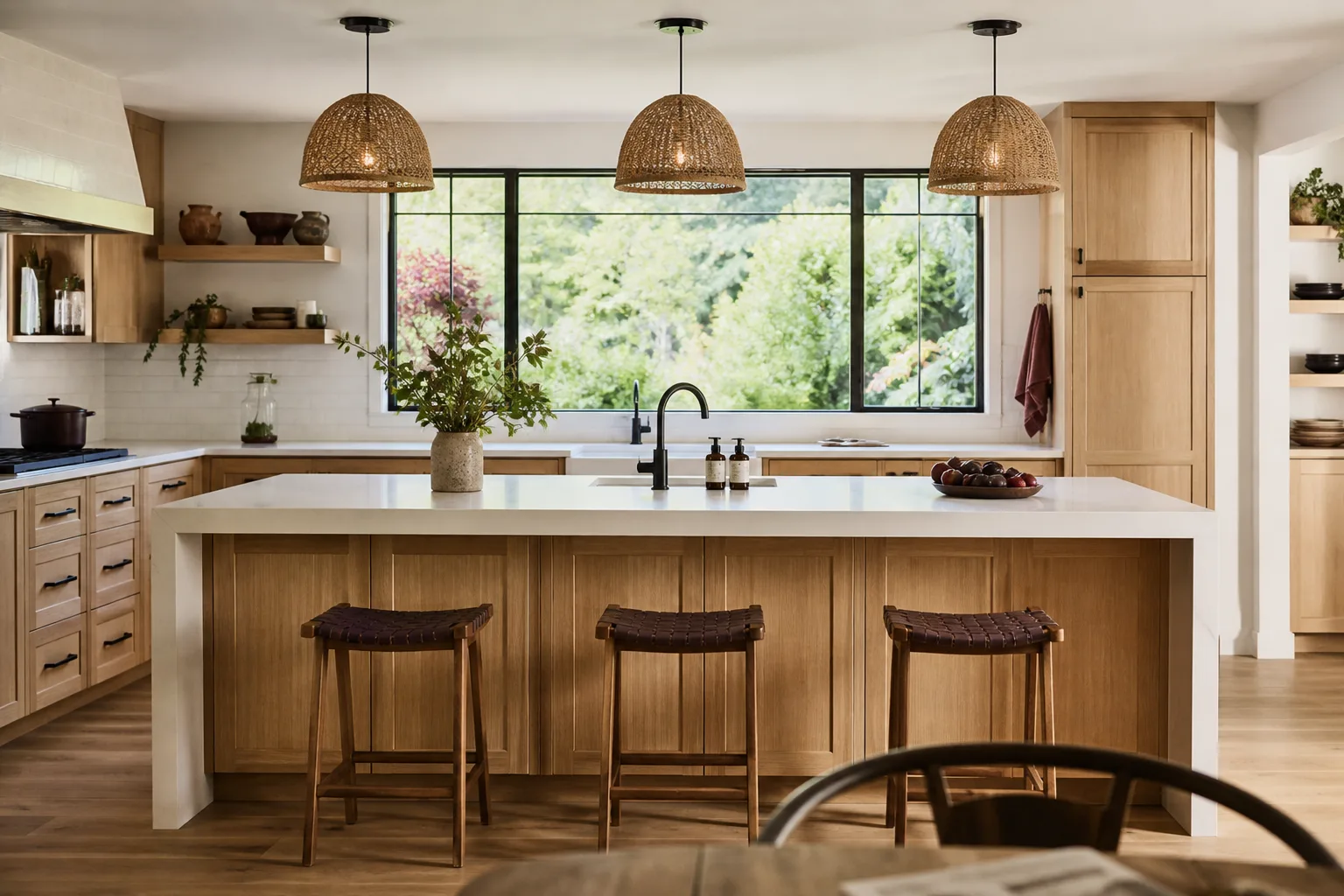
- Kitchen remodeling
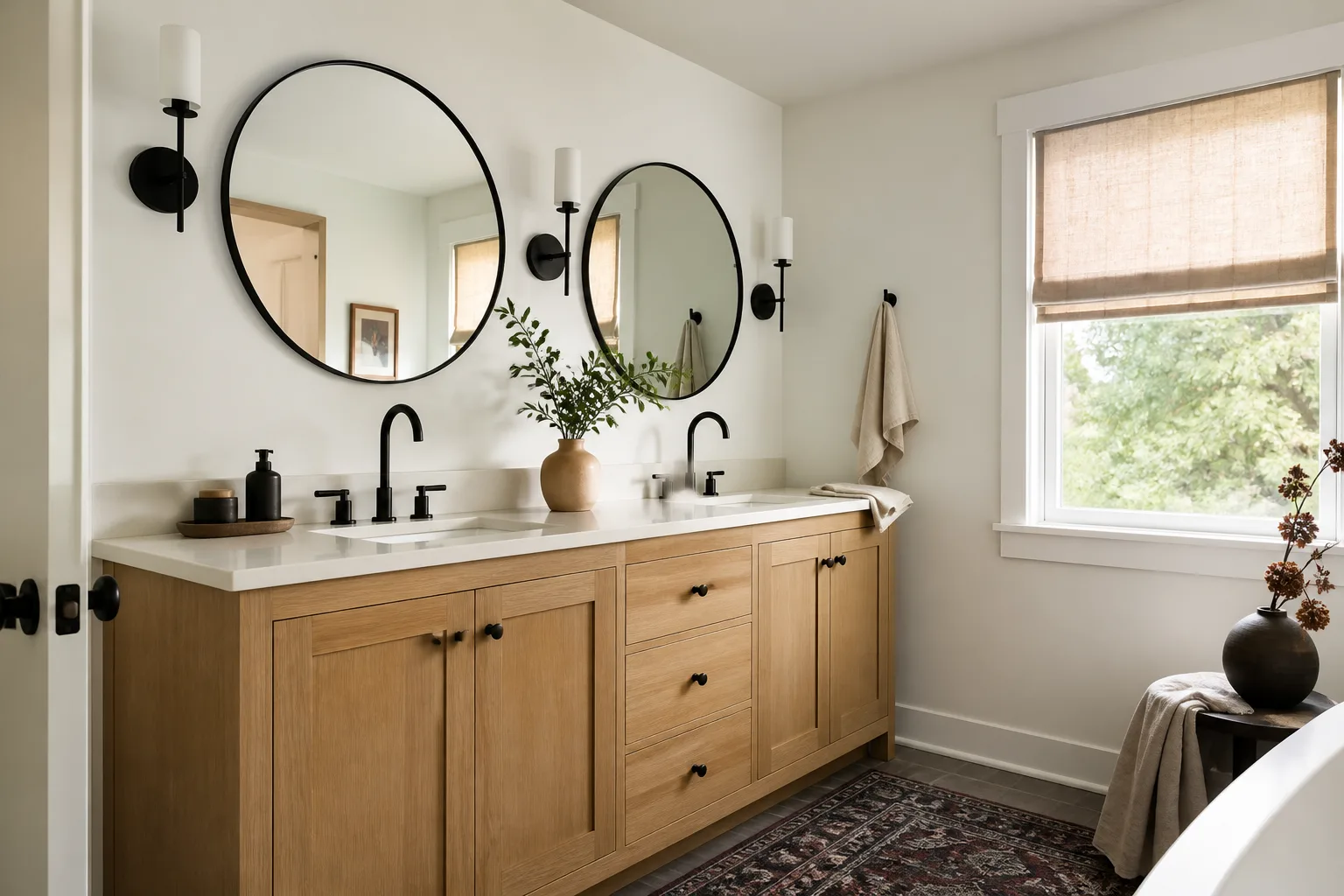
- Bathroom remodeling
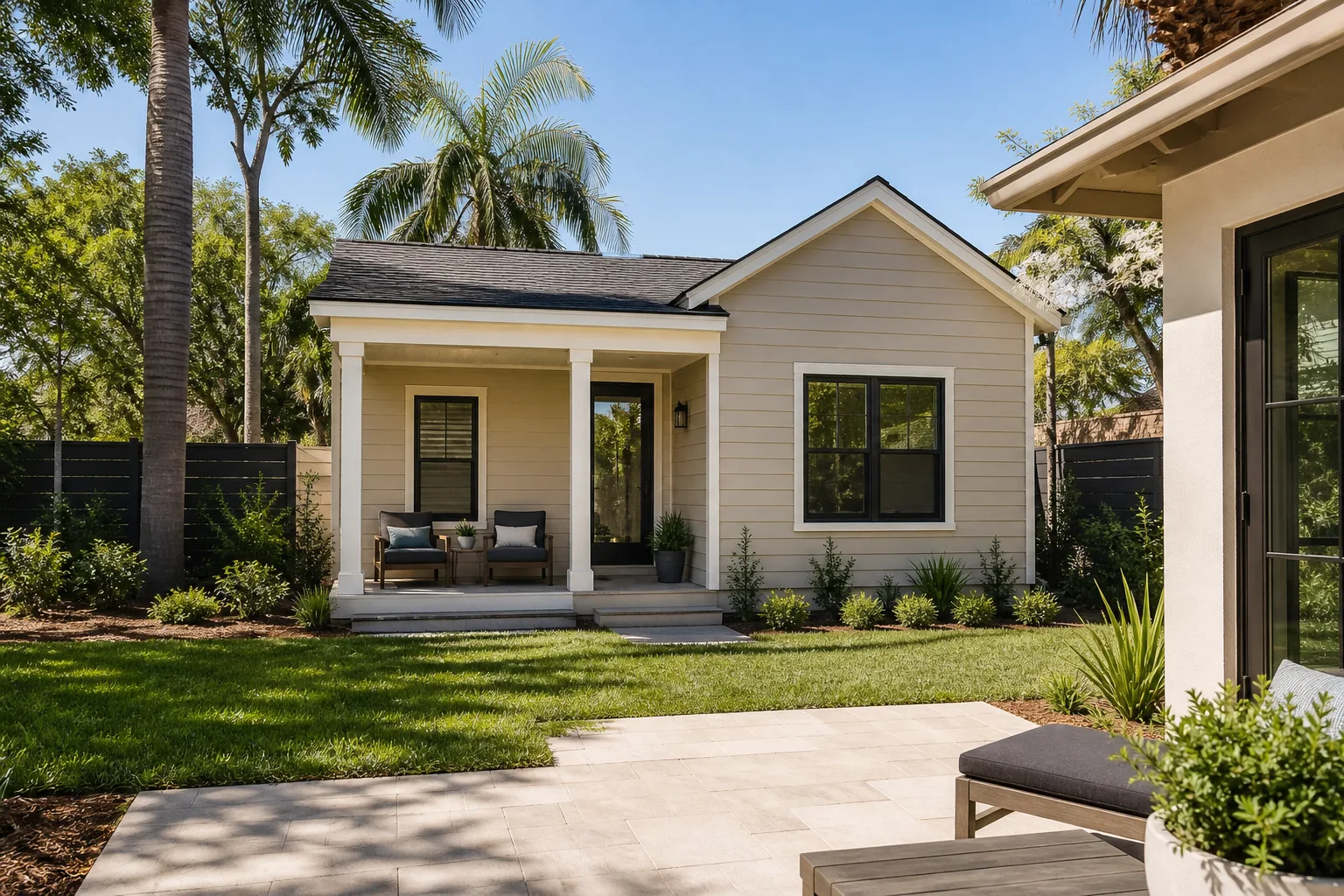
- Home additions & ADU
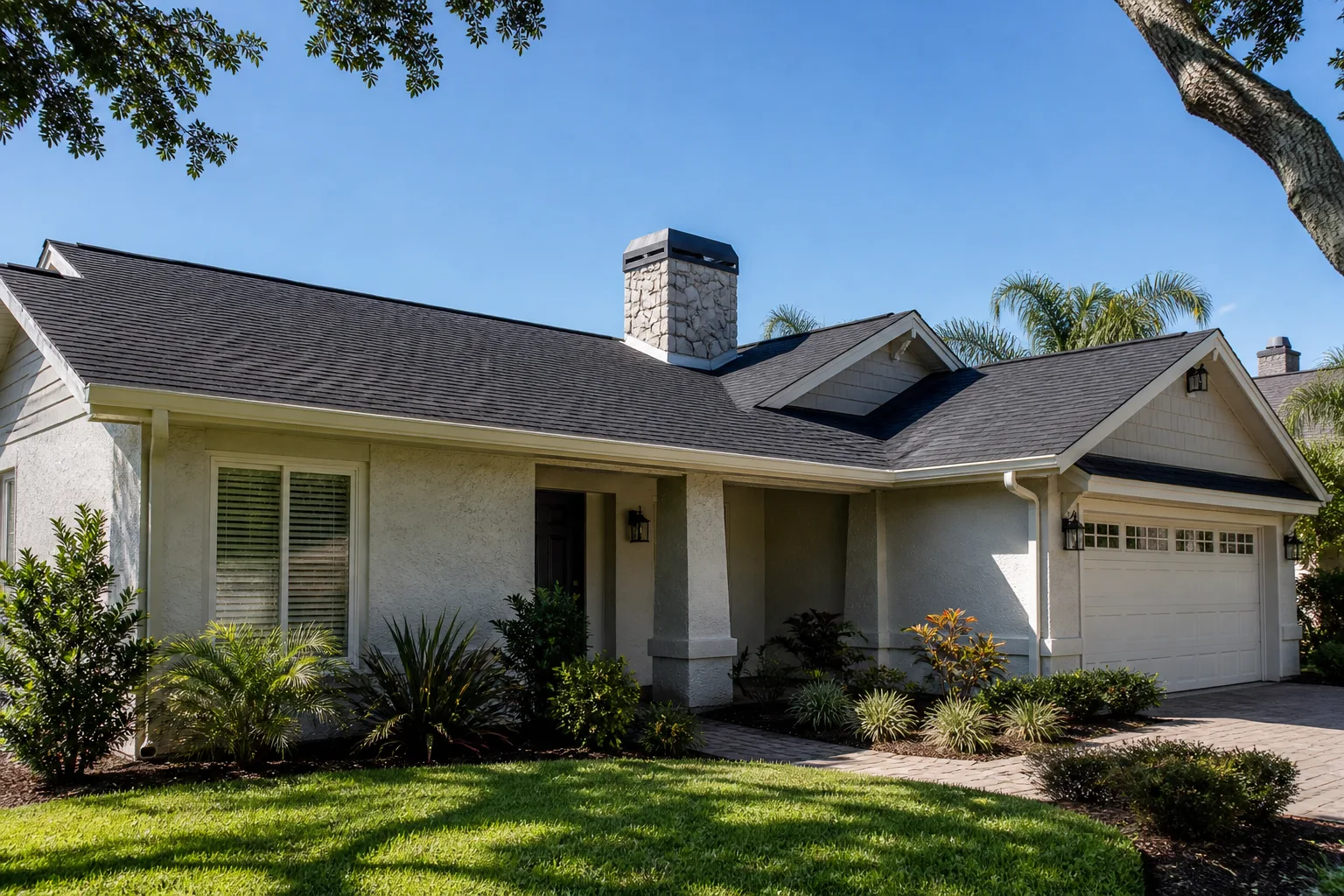
- Roofing
- Windows & doors
- Driveway & pavers
- Fence
Table of Contents
- A Specification Framework for Five Material Categories
- How to Read a Manufacturer’s Warranty Document
- Brand-Tier Transparency: What We Use and Why
- How to Verify a Contractor’s Claimed Brand Use
- The Cost Premium Analysis: Builder-Grade vs. Mid-Tier vs. Premium
- Why Palmdale’s Climate Changes the Calculation
- Common Mistakes to Avoid
- When to Call a Professional
A Specification Framework for Five Material Categories
Most homeowners approach brand selection the way they approach appliance shopping: read reviews, pick a recognizable name, hope for the best. That works for a refrigerator. It doesn’t work for a roof, because a roof is a 30-year decision made in an afternoon and the failure modes are invisible for the first five years. What you need instead is a consistent scoring rubric applied across categories.
The five categories that matter most in Palmdale construction are roofing, concrete pavers, exterior paint, insulation, and windows. For each one, score the brand on these four questions:
- UV resistance rating. Does the manufacturer publish a documented UV performance number? In Palmdale, where summer UV index routinely exceeds 11, materials that aren’t rated for sustained high-UV exposure chalk, fade, and crack years before their nominal lifespan.
- Wind resistance rating in mph. Antelope Valley wind gusts are a known quantity. A shingle or window rated to 110 mph is a different product than one rated to 130 mph, and the difference shows up on the third or fourth Santa Ana-adjacent event.
- Freeze-thaw cycle rating. Desert nights get cold. Pavers, concrete, and sealants that haven’t been tested through repeated freeze-thaw cycles crack from the inside. Ask for the ASTM freeze-thaw test reference if the manufacturer publishes one.
- Third-party test documentation. Miami-Dade NOA, ASTM standards, UL listings: a brand that can produce independent lab results is a brand that has been evaluated, not just marketed.
Apply the same four questions to every category and you’ll start to see which brands are actually engineered for the desert and which are coasting on name recognition.
How to Read a Manufacturer’s Warranty Document
Here’s the thing about warranties: the length of the term is the least important number on the page. A 50-year warranty that prorates to zero by year 15 is worth less than a 25-year warranty with full coverage for the first decade and a documented transfer clause. Five clauses determine whether a warranty has real value.
- Transferability. Can the warranty transfer to the next owner, and does it transfer once or repeatedly? A roof warranty that dies when you sell is a warranty that never helps you, because most roofs outlive their first owner.
- Proration schedule. This is the small print that tells you what percentage of the material cost is covered in each year. Some schedules stay at 100% for the first 10 or 15 years and then drop sharply. Others decay from day one.
- Installation requirements. Many warranties only activate if the product is installed by a manufacturer-certified or licensed contractor, using specified underlayment and fastener patterns. A perfect product installed slightly off-spec is an unwarantied product.
- Exclusions. Look for language about wind speeds above a certain threshold, hail, impact damage, and “acts of God.” In Palmdale, the exclusion that matters is wind, because a warranty that voids above 90 mph is a warranty that may not apply after the first big event.
- Claim process. Who do you call, what documentation is required, and how long is the response window? A warranty with an unclear claim process is a warranty you’ll never successfully collect on.
When a contractor hands you a spec sheet that says “lifetime warranty,” ask for the actual warranty document. If they can’t produce it, that’s information.
Brand-Tier Transparency: What We Use and Why
The phrase “we use the best” is not information. It’s a brand claim with no content behind it. What we try to do instead is name specific brands and explain the documented spec reason we chose them. Three examples across three categories.
Roofing: Owens Corning Duration
Owens Corning Duration shingles use a fastener reinforcement called SureNail, which is a woven strip on the nailing zone that resists tear-out under high wind. The listed wind rating on the Duration line is up to 130 mph, and the manufacturer’s Platinum Protection warranty is transferable once the installation meets the certified-contractor requirements. For a Palmdale roof that will see substantial wind load over its service life, that combination of wind rating and transferability is a meaningful step above generic three-tab.
Concrete Pavers: Belgard and Techo-Bloc
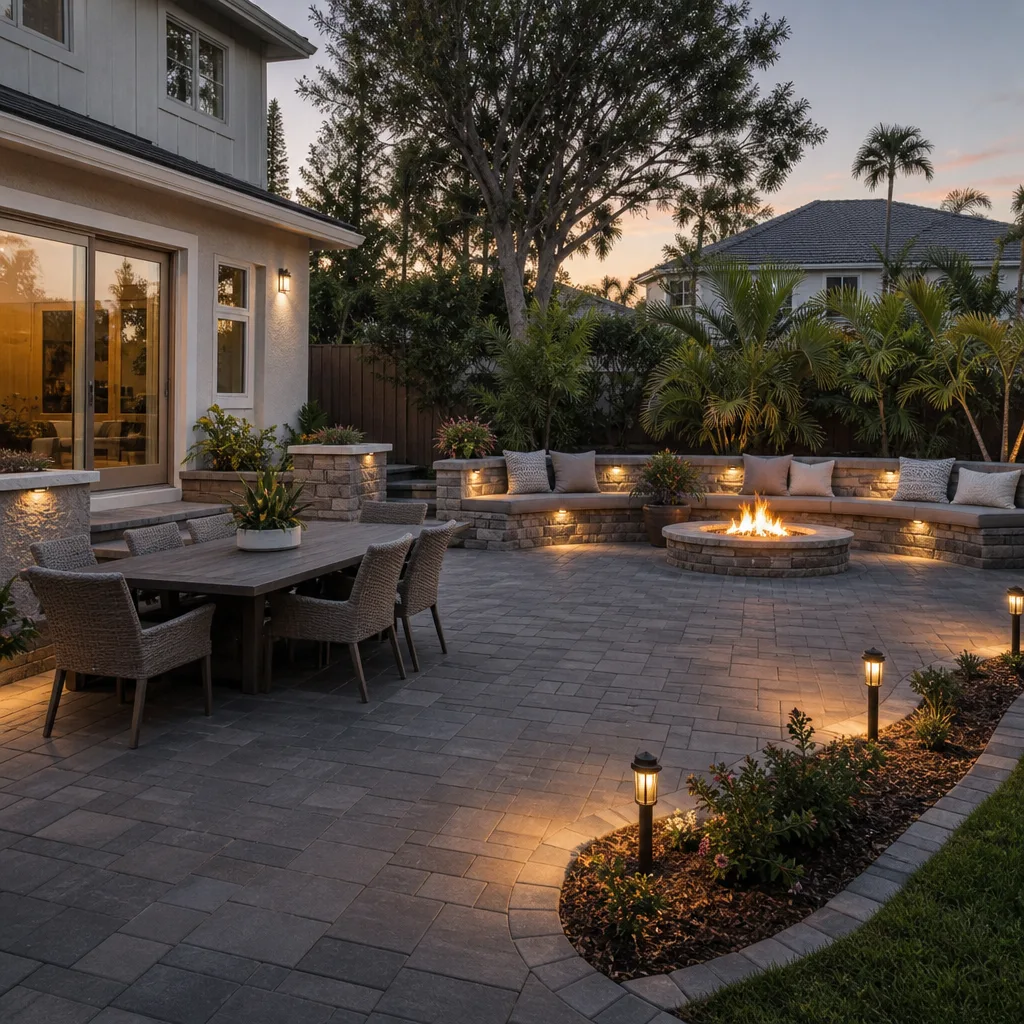
Both brands publish freeze-thaw performance standards and offer pavers with absorption rates low enough to survive repeated wetting and drying without spalling. In our experience, the difference between a $4-per-square-foot commodity paver and a $9-per-square-foot Belgard or Techo-Bloc unit shows up around year six, when the cheap pavers start to hairline-crack after a few winters of freeze-thaw. Our Driveway & Pavers in Palmdale work almost always uses one of these two lines for that reason.
Windows: manufacturer-branded insulated glazing
Window performance in Palmdale is mostly about the glass package, not the frame: low-E coating, argon fill, and a U-factor appropriate to the desert. Brands that document their U-factor and Solar Heat Gain Coefficient (SHGC) on the label are the ones worth comparing. If a window brand markets on beauty alone and won’t publish the ratings, move on.
We source across a range of vetted manufacturers because no single brand wins every category. The framework matters more than the name.
How to Verify a Contractor’s Claimed Brand Use
There’s a gap between “we use Owens Corning” as a sales line and Owens Corning actually arriving on the truck. Closing that gap comes down to documentation, and the good news is that the documents already exist on every legitimate job. You just have to ask for them.
- Request the material delivery ticket. Every supplier generates a ticket showing the product, the SKU, the quantity, and the delivery address. Match the SKU against the manufacturer’s spec sheet, not the sales brochure.
- Ask to see the product label at install. Shingle bundles, paver pallets, and window units all carry manufacturer labels with batch and product codes. A label check takes 30 seconds and confirms what actually arrived.
- Request the material receipt in the final project packet. This is the paper trail that matters for warranty registration. A warranty you can’t document the install of is a warranty you may not be able to claim on.
- Photograph the installed product at a few stages. A documented photo record of what was found and what was installed is the difference between a warranty claim and a warranty argument. We include photo documentation as a standard deliverable on every visit, not an upgrade.
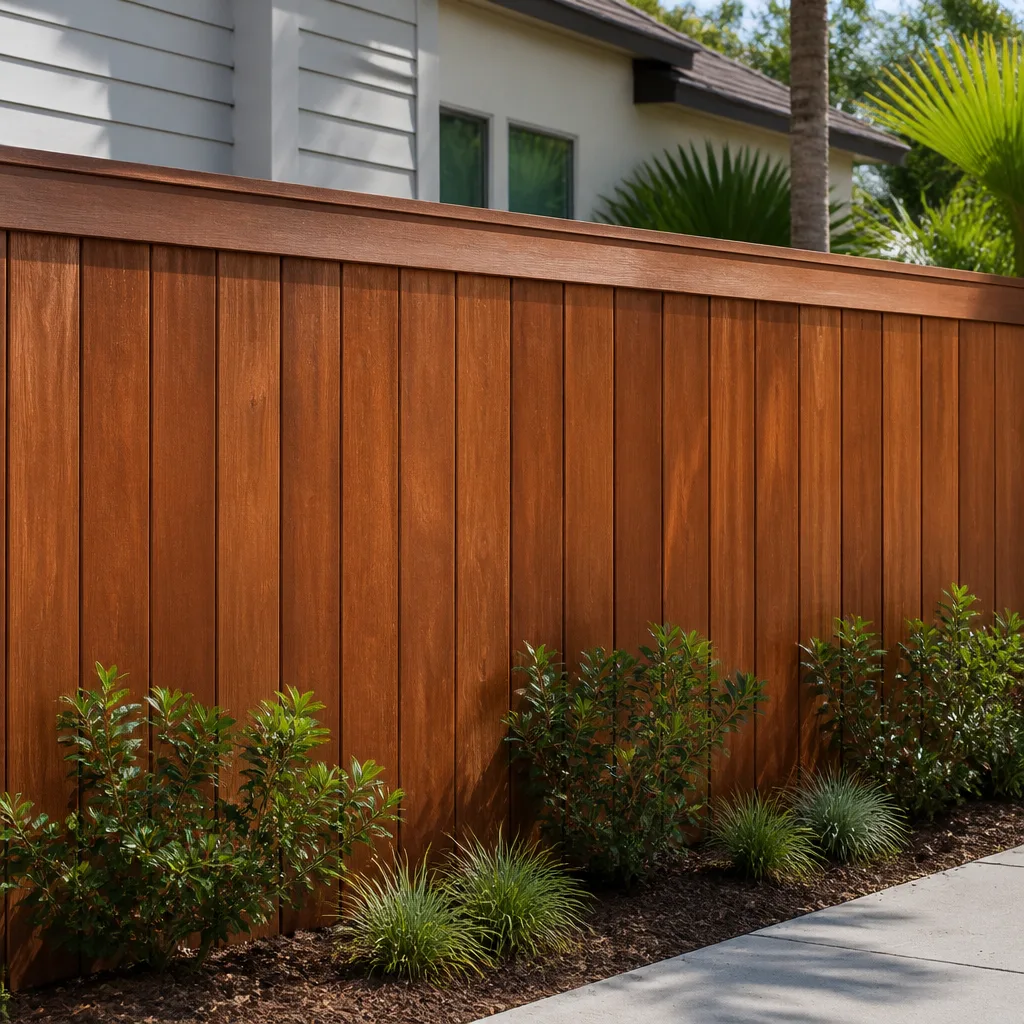
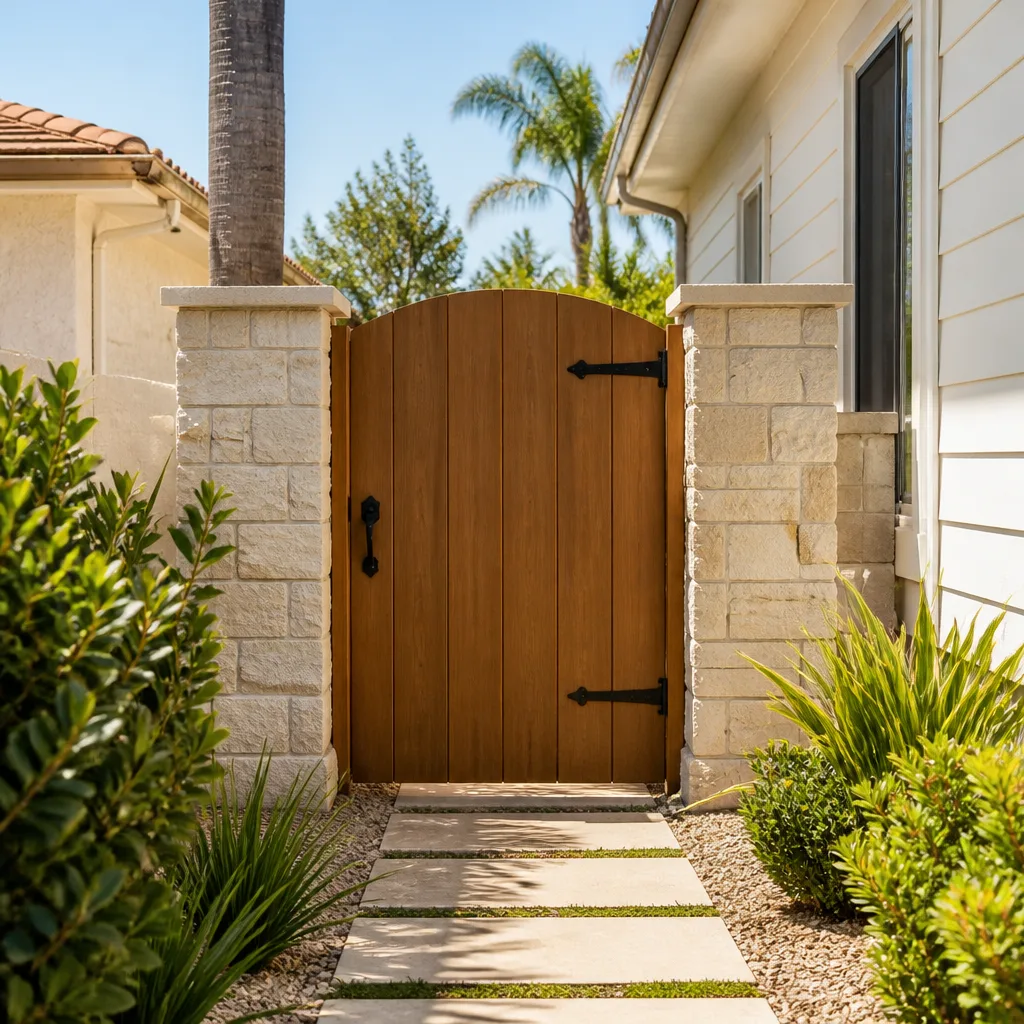
This is the same discipline we apply on any fence installation in Palmdale: name the brand, name the spec, and hand the customer the paper that proves it.
The Cost Premium Analysis
Here’s the question most homeowners actually want answered: what does the step-up cost, and what does it buy? Numbers below are typical Palmdale market ranges and will vary by home, scope, and access.
Roofing (asphalt shingle): Builder-grade three-tab runs roughly $2.50 to $3.50 per square foot installed. Mid-tier architectural (Owens Corning Duration, GAF Timberline HDZ) runs roughly $4.50 to $6.50 per square foot. Premium designer lines push past $8 per square foot. The step from builder-grade to mid-tier buys you a documented 130 mph wind rating and a transferable warranty, which is the difference that matters in Palmdale.
Concrete pavers: Commodity pavers run $4 to $6 per square foot installed. Belgard and Techo-Bloc lines run $8 to $12 per square foot. The step buys freeze-thaw performance and color-through body, which is what prevents the surface spalling that cheap pavers show by year five.
Exterior paint: Builder-grade acrylics run $30 to $40 per gallon; premium elastomeric or 100% acrylic lines run $55 to $80. The step buys documented UV stabilization and a longer recoat interval. In Palmdale, that’s a two-to-three-year difference on recoat cycles on south- and west-facing walls.
Insulation: Standard fiberglass batts are cheap; dense-pack cellulose and mineral wool run 40% to 70% more per square foot but perform better at high attic temps. Palmdale attics hit 140°F in July, and that’s where the cheap insulation loses its R-value.
Windows: Builder-grade dual-pane runs $450 to $650 per unit installed; premium low-E argon units run $800 to $1,200. The step buys a documented SHGC rating appropriate for desert sun, which cuts cooling load.
A written line-item quote should show you which tier each line is priced at. If it doesn’t, ask.
Why Palmdale’s Climate Changes the Calculation
Brand recommendations written for a mild coastal climate don’t transfer cleanly to Palmdale. Three local conditions shift the specs that matter.
UV load. Palmdale sits at roughly 2,600 feet on the Antelope Valley floor, and the combination of elevation and clear-sky days produces UV exposure that degrades exterior finishes measurably faster than the same finish in Bakersfield or the San Fernando Valley. That’s why we weight UV resistance above almost everything else when we spec paint and roofing for a Palmdale project.
Wind. The Antelope Valley wind corridor is a real thing. A shingle rated to 110 mph is a shingle rated below what this region regularly delivers. We spec roofing and window systems toward the higher wind-rating tier for that reason, and it’s a documented step, not a sales upgrade.
Freeze-thaw. Desert nights drop below freezing a few dozen times each winter. Materials that haven’t been tested through repeated freeze-thaw cycles develop hairline cracks that show up in year three. For pavers and concrete, that’s the test reference to ask for.
Our Home Additions & ADU in Palmdale work spec’d for this climate runs different materials than the same addition would in a coastal zone, and the difference is spec’d, not sales talk.
Common Mistakes to Avoid
- Trusting the “lifetime” label without reading the warranty. Two shingles can both be called lifetime and have completely different proration curves. Ask for the document, not the marketing language.
- Assuming a national brand name guarantees a specific product. Major manufacturers produce multiple tiers under the same parent brand. A “GAF roof” and a “GAF Timberline HDZ roof” are different products at different price points.
- Not asking for the delivery ticket. If you can’t verify what arrived on the job, you can’t verify what’s on the roof in five years. Ask early and ask plainly.
- Ignoring the wind rating on a Palmdale roof. Coastal roofing guides emphasize fire rating; Palmdale guides should emphasize wind. Both matter, but the wind rating is the one that fails first here.
- Choosing a paver on color alone. A beautiful paver that spalls after two freeze-thaw cycles is an expensive mistake. Compare the ASTM test reference, not the showroom sample.
- Accepting a verbal brand promise on a verbal quote. The brand claim should be in the written scope, next to the price, so you can compare it against a competitor’s line item. If it isn’t written, it isn’t quoted.
- Forgetting to register the warranty. Many manufacturer warranties require registration within a set window after install. Ask your contractor who handles the registration, and confirm it happened.
See the difference
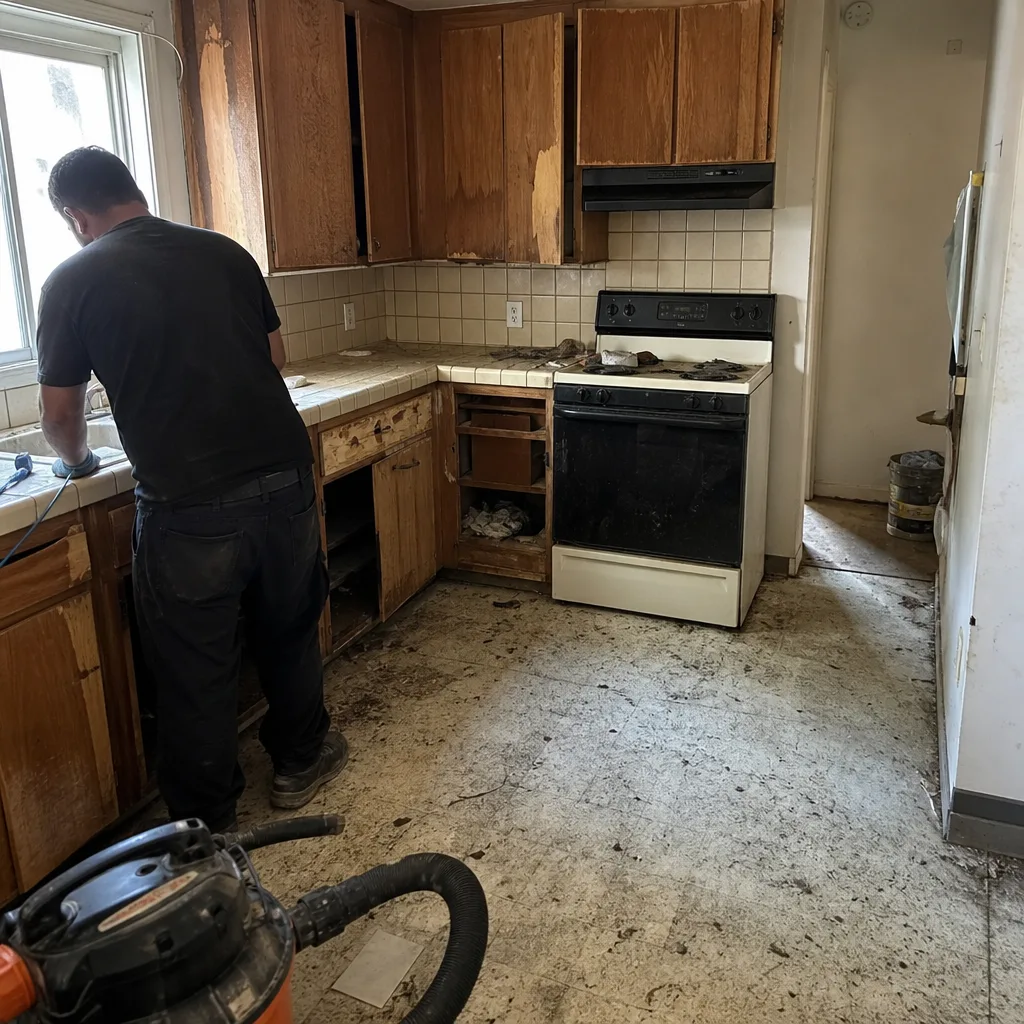 Before
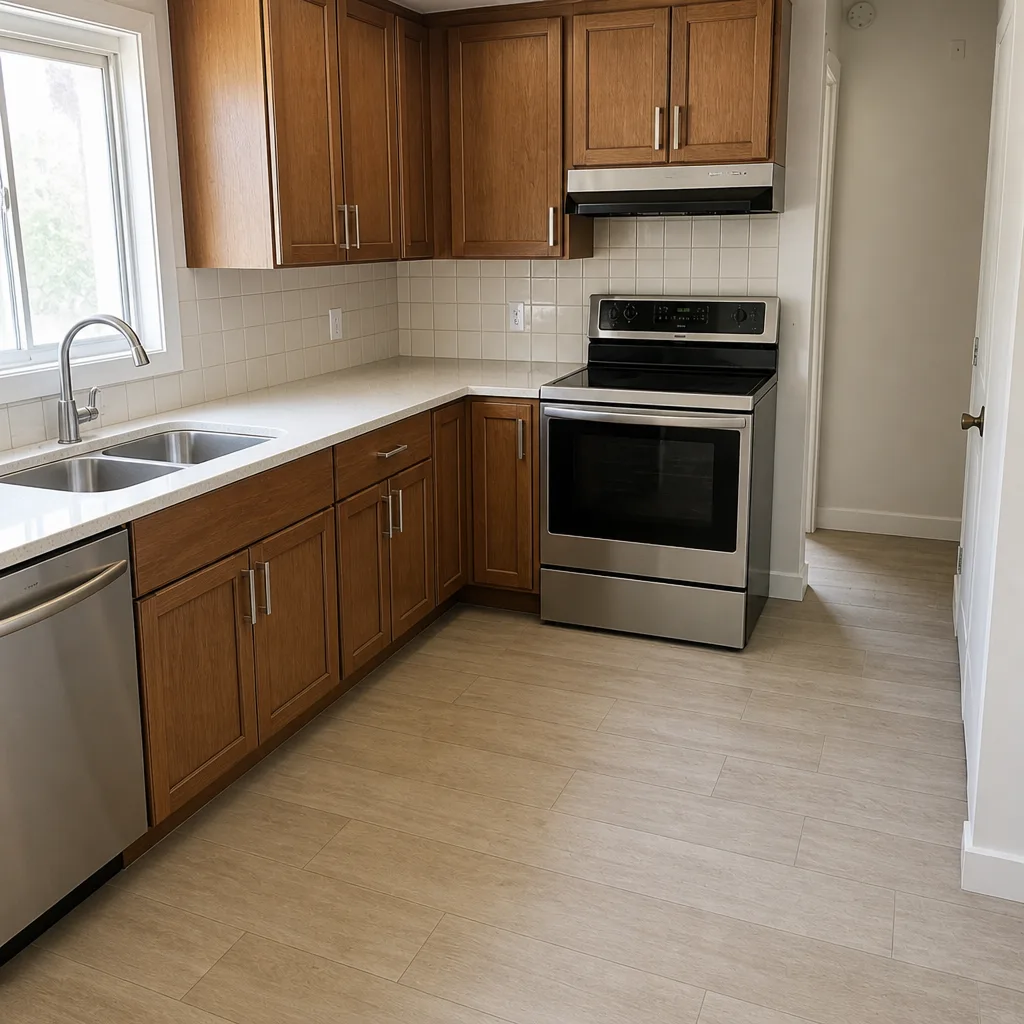 After
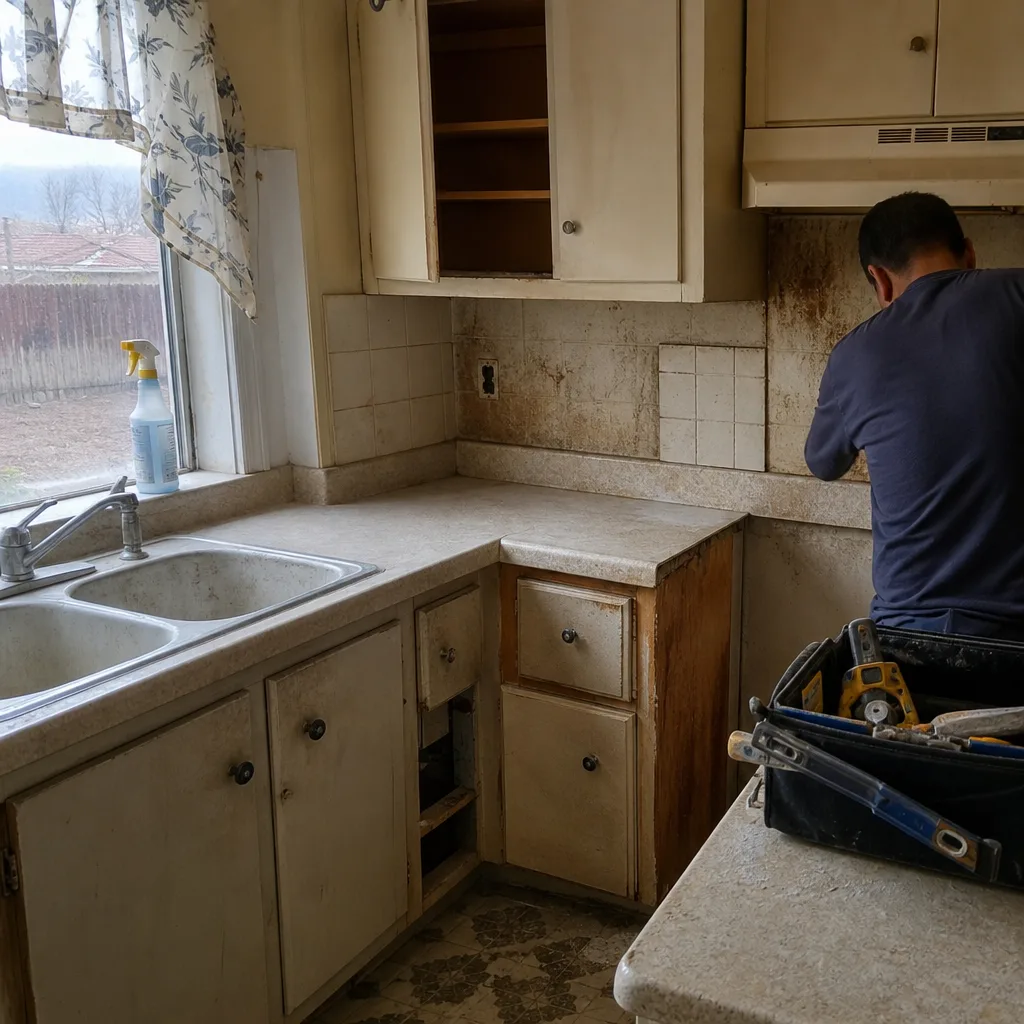 Before
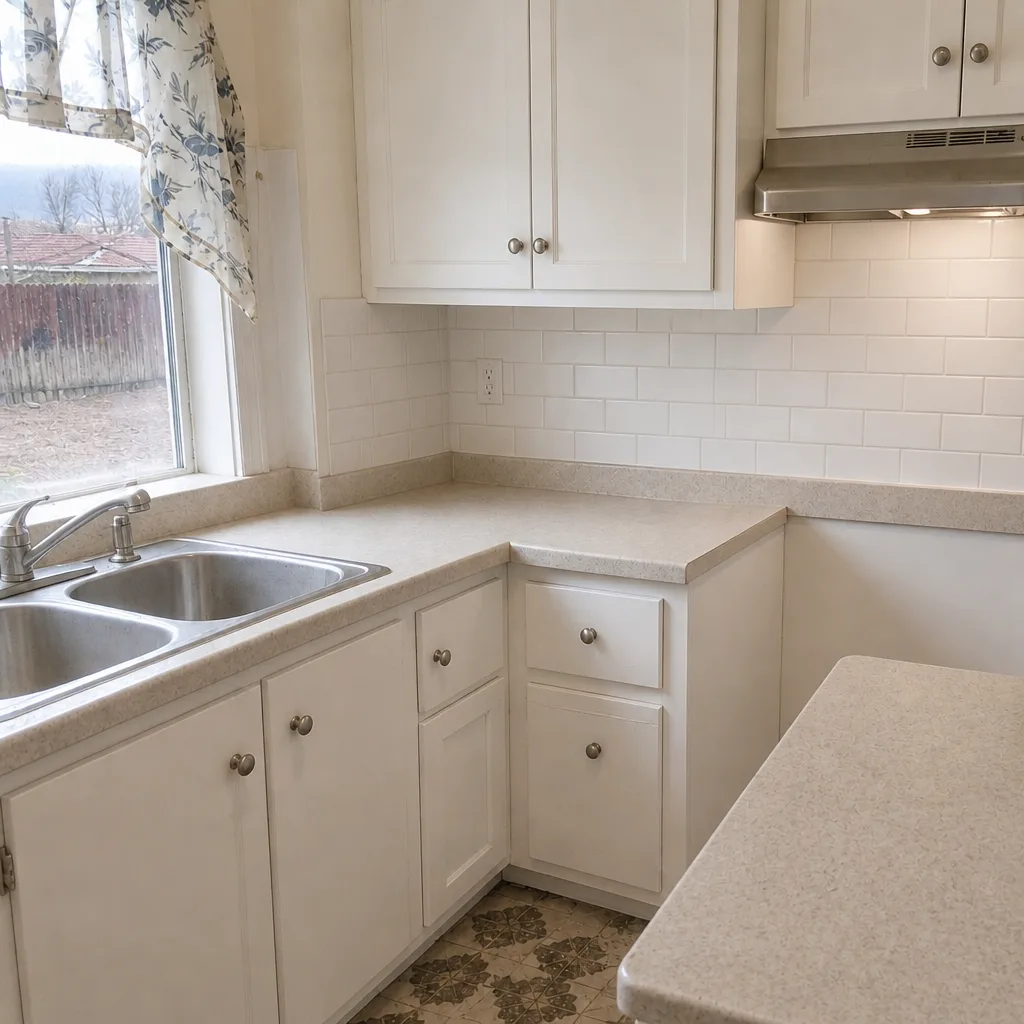 After
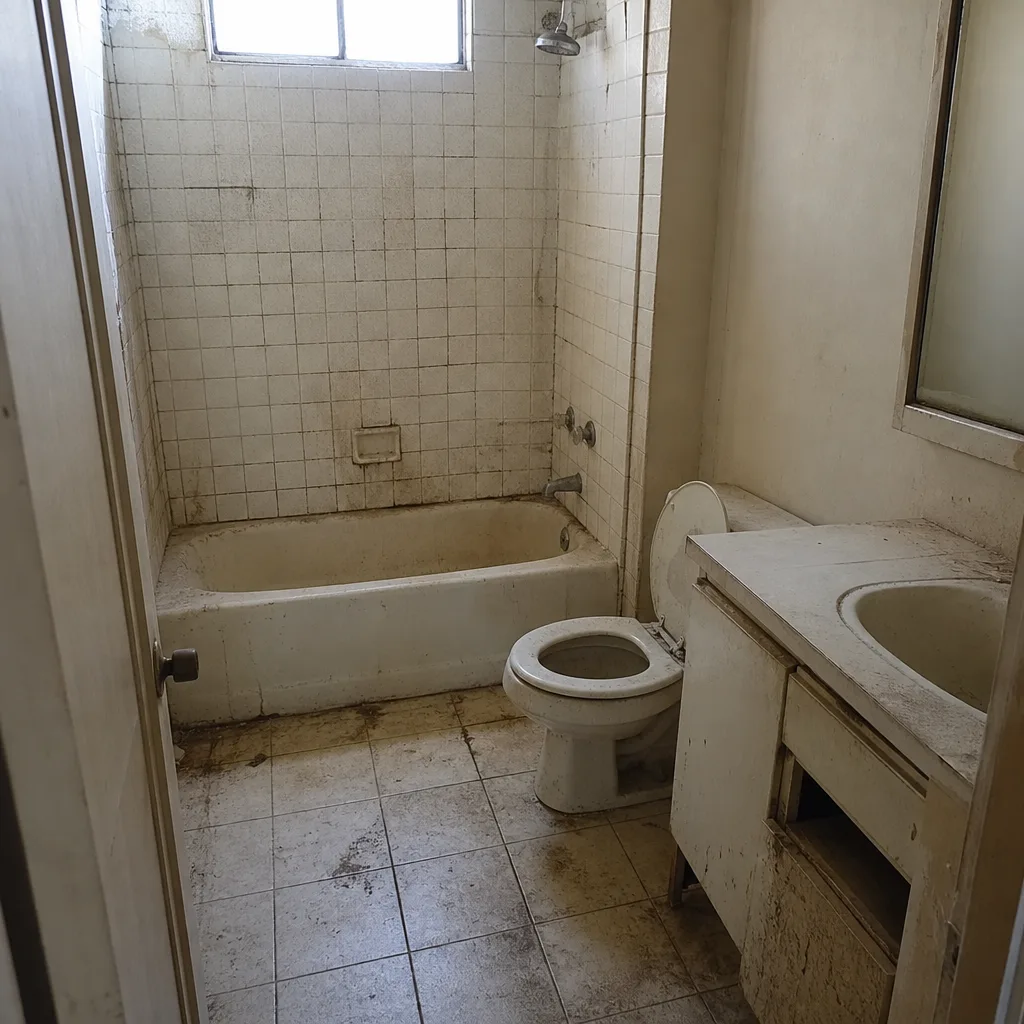 Before
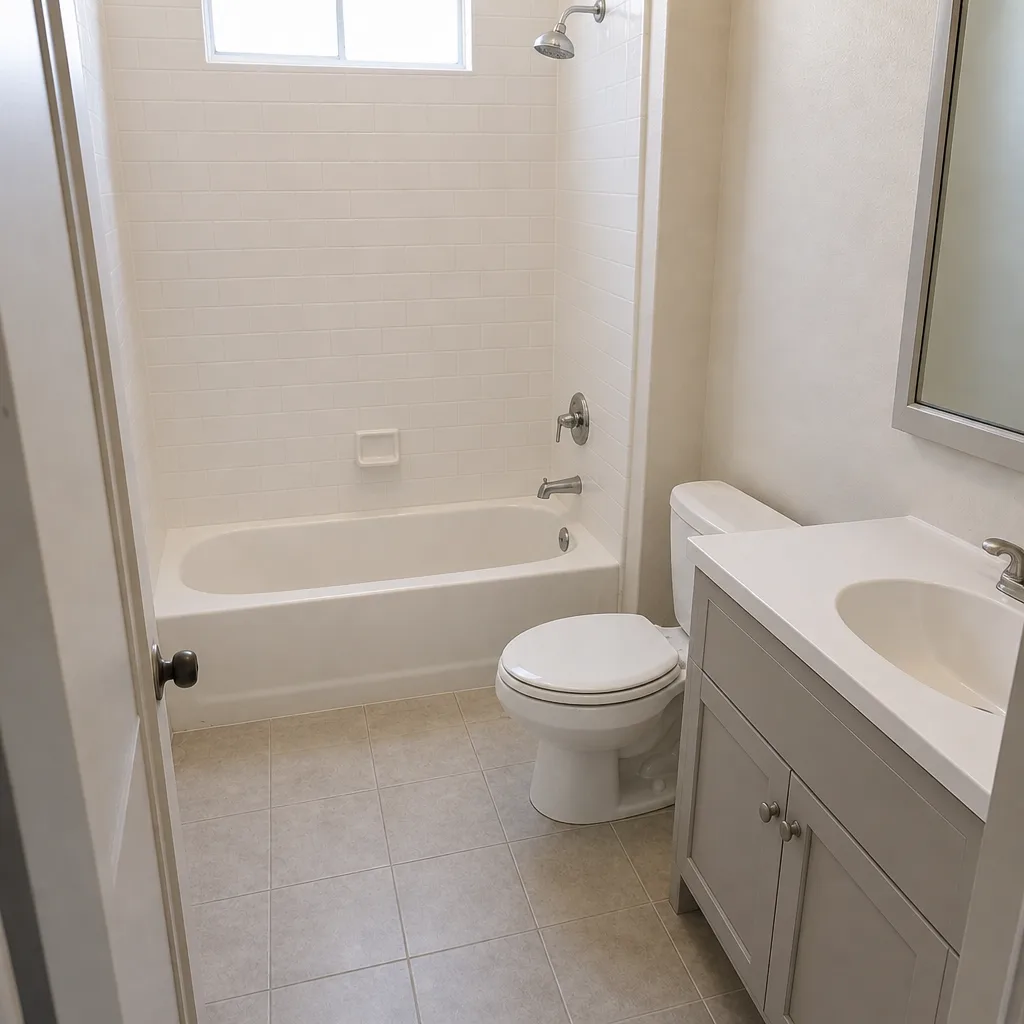 After
When to Call a Professional
Some brand decisions are simple. Replacing a light fixture? Check the label, buy the mid-tier, you’re done. Others aren’t. If you’re choosing materials for a roof, a paver installation, an exterior repaint, a full window replacement, or anything structural, the decision carries too much downstream cost to make from a showroom display. The wind loads, freeze-thaw exposure, and UV degradations we’ve described above are the kind of thing that needs a site-specific call, not a generic guide. Same logic applies on additions and ADUs, where material choices compound across multiple trades. We put the price in writing before any work starts, and we’ll review a competitor’s written quote line by line at no charge if you want a second opinion on the spec. Rowan Construction Group Palmdale offers free estimates in Palmdale – call (844) 320-8244.
Frequently Asked Questions
The best brands for Palmdale are the ones with documented UV, wind, and freeze-thaw ratings appropriate to the Antelope Valley climate. In our usage, that means Owens Corning Duration for roofing (130 mph wind rating, transferable warranty), Belgard and Techo-Bloc for pavers (freeze-thaw performance, color-through body), and window brands that publish U-factor and SHGC on the label. Brand identity matters less than the spec on the three climate axes. Call (844) 320-8244 for a free estimate on a specific project.
No, because “lifetime” has no standardized legal definition in building materials. What actually matters is the proration schedule (how much is covered in each year), whether the warranty transfers to the next owner, whether it requires certified installation to activate, and what’s excluded. A 25-year warranty with 100% coverage for 15 years and one transfer can be worth more than a 50-year warranty that prorates to zero by year 20. Ask for the actual warranty document, not the marketing language.
Request three documents: the material delivery ticket (shows product SKU and quantity), the product label check at install (takes 30 seconds), and the material receipt in the final project packet (needed for warranty registration). A contractor who can’t produce these is a contractor whose brand claim can’t be verified. We include a documented photo record on every visit as a standard deliverable, and the material paperwork goes in the same packet.
Palmdale’s combination of high elevation, high UV exposure, strong Antelope Valley wind, and freeze-thaw nights puts more stress on exterior materials than a coastal climate does. A roofing shingle or paver brand that performs well in a mild zone can fail early in Palmdale if it isn’t rated for those conditions. We weight UV resistance and wind rating heaviest when spec’ing materials for a Palmdale project, and we ask for the ASTM freeze-thaw test reference on pavers.
Expect roughly $2 to $3 more per square foot installed, so a 2,000-square-foot roof runs about $4,500 to $6,500 more for the mid-tier. The step buys a documented higher wind rating and a more transferable warranty. Whether that’s worth it depends on how long you’ll own the home and whether you’ll sell into a buyer who reads the warranty document. For most Palmdale homeowners we work with, the answer is yes. Call (844) 320-8244 for a written line-item quote on your specific roof.
Yes. Our Free Second Opinion review is a standing offer: bring a competitor’s written estimate and we’ll go through it line by line at no charge, including the brand tiers being quoted. It’s the simplest way to catch a quote that’s using a premium brand name next to builder-grade pricing. Call (844) 320-8244 to schedule the review, or start with our Rowan Construction Group Palmdale home page for the full trade list.
The Bottom Line
Brand selection in construction isn’t about picking the biggest logo. It’s about matching documented specifications to your climate, reading warranty documents rather than warranty marketing, and verifying what actually gets installed. In Palmdale, that means UV resistance, wind rating, and freeze-thaw tolerance lead the ranking, then warranty transferability, then price. Ask for the delivery ticket, ask for the warranty document, and ask which tier of the brand’s product line is being quoted. A written price, a written scope, and a documented photo record are the marks of a contractor who’s comfortable being checked. That’s the standard we hold ourselves to, and it’s what you should expect from anyone building on your property.
Call (844) 320-8244 for a free estimate, a written flat price before any work starts, and a line-by-line second opinion on any written quote you already have.
Written by the team at Rowan Construction Group Palmdale.