Last updated November 18, 2026


Free written scope consultation - allowances, timeline, and change-order rules on paper before a single trade is scheduled
Seasonal Construction Care for Palmdale: Year-Round Homeowner’s Guide
Palmdale averages 278 sunny days a year and has recorded a low of 6°F. That combination – relentless UV intensity plus genuine hard freezes – is rarer in California than most homeowners realize, and it’s harder on exterior materials than either condition on its own. Concrete that bakes all summer then contracts through a freezing night doesn’t just wear out; it spalls, cracks, and opens seams. This guide assigns specific inspection and repair tasks to specific months on the Palmdale calendar, using observable triggers instead of vague seasonal advice, so you fix materials at the right moment rather than reacting after a failure. The cost difference between the two approaches is roughly one-third.
Quick Answer
Seasonal construction care in Palmdale means matching maintenance to four distinct failure mechanisms: summer UV concrete spalling, fall thermal gap opening, winter freeze-moisture intrusion, and spring wind-deposited debris blocking drainage. Address each on a monthly calendar – inspecting spall depth after the first freeze, checking ridge vent airflow before summer – and you’ll spend about one-third of what deferred reactive repairs cost. The sections below break down exactly what to check and when.
Styles & brands we work with
- Kitchen remodeling
- Bathroom remodeling
- Home additions & ADU
- Roofing
- Windows & doors
- Driveway & pavers
- Fence
Table of Contents
- Spring: Clearing Wind Debris and Preparing Drainage Before Monsoon Microbursts
- Summer: Managing UV Concrete Spalling and Attic Heat in Climate Zone 14
- Fall: The Thermal Gap Window and Santa Ana Wind Readiness
- Winter: Freeze-Moisture Intrusion and the Post-Freeze Inspection
- Palmdale Month-by-Month Task Calendar
- The Cost of Neglect: Repair Costs for Five Common Desert-Climate Failures
- Common Mistakes to Avoid
- When to Call a Professional
Spring: Clearing Wind Debris and Preparing Drainage Before Monsoon Microbursts
Spring in Palmdale is the quiet window before the heat arrives and the last chance to fix drainage before summer thunderstorms deliver rain faster than the ground can absorb it. Antelope Valley microburst events can drop a month of rain in under an hour. The grading and downspouts that handled a normal storm become the drainage that decides whether water reaches your foundation or the street.
Do these tasks in March and April, before the first convective storm builds:
- Clear every roof valley and gutter run. Wind-deposited sand, shingle grit, and desert dust collect in valley metal and block gutter flow. Clear them fully, not just the downspout openings.
- Verify downspout extension distance. Each downspout should discharge at least 4 to 6 feet from the foundation wall, on grade that slopes away from the house. A splash block that sat through winter may now be buried in sand.
- Confirm swale grading at a minimum 2% slope. A swale needs roughly 2% fall away from the structure to move water in a real storm. Test it by watching a hose run, not by eyeballing it.
- Check the weep screed line. The weep screed is the metal lip at the base of a stucco wall that lets trapped moisture drain out. If it’s blocked by soil, mulch, or debris, water wicks upward into the wall assembly instead. One blocked rain season can delaminate stucco well above the grade line.
In our experience across Palmdale, the failure we see most in spring is blocked weep screed with soil pushed up against the stucco. Homeowners add a patio or re-grade the yard and never clear the weep line. By the following spring, the stucco shows bubbling and soft spots that point to moisture trapped in the wall cavity.
Summer: Managing UV Concrete Spalling and Attic Heat in Climate Zone 14
Palmdale sits in Climate Zone 14, and the summer heat doesn’t just make your driveway uncomfortable – it actively degrades concrete and drives your attic temperature into territory that warps wood framing and shortens shingle life. On a 105°F day, an under-ventilated attic can hit 150°F or higher. That heat load transfers down into the living space and stresses the roof deck from below.
Here’s what to inspect and correct between May and August:
- Measure attic temperature at midday. Aim to keep attic air within roughly 20 to 25°F of outdoor temperature. If outdoor is 105°F and the attic reads 140°F, your ventilation is failing the deck.
- Confirm ridge vent linear footage. A ridge vent needs roughly 1 linear foot of vent per 300 square feet of attic floor area when paired with balanced soffit intake. Imbalance – ridge exhaust with blocked soffit – pulls air from the wrong place.
- Check soffit intake clearance. Insulation baffles keep blown insulation from covering soffit vents. Over time they shift. A quick visual check at each rafter bay catches the problem.
- Evaluate radiant barrier specification. A foil radiant barrier on the underside of the roof deck reflects heat before it enters the attic. In Climate Zone 14, the reflective surface performance matters more than thickness, but the material must face an air space to work.
- Inspect concrete flatwork for early spalling. UV exposure degrades the top paste layer of concrete over years. In summer, popouts and surface scaling appear first on sun-facing slabs with no shade – usually the driveway apron and the patio’s south edge.
Concrete spalling under desert UV is often misdiagnosed as a bad mix. In our experience, the cause is usually a combination of UV degradation and freeze-thaw cycling that chewed the paste layer, not a defective pour. If your driveway has surface scaling beyond the cosmetic stage, our Driveway & Pavers in Palmdale page covers how paver systems hold up differently under the same UV load.
Fall: The Thermal Gap Window and Santa Ana Wind Readiness
Fall in Palmdale is the thermal gap window. Daytime temperatures can still hit the 80s while nights drop into the 40s, and the daily swing causes materials to expand and contract repeatedly. That’s the cycle that opens gaps at window frames, exterior door frames, stucco control joints, and roof flashing edges. A gap that looks cosmetic in October becomes the path for freeze-moisture intrusion by January.
Santa Ana wind events typically run October through March, and they put specific stress on your exterior envelope. Here’s the inspection framework we use in Palmdale to separate monitor-and-document from call-now:
- Roofing fasteners: Walk the roof only if it’s safe. Look for lifted shingle tabs, exposed nail heads, and any ridge cap that has shifted. A single lifted tab is a monitor-and-document item. A ridge cap that has pulled free, or three or more consecutive lifted tabs in one area, calls for immediate repair before the next wind event.
- Stucco weep screeds: Inspect the length of the weep screed for separation from the foundation. A hairline gap is normal. A gap you can insert a putty knife into – roughly 1/8 inch or more – is the threshold where moisture intrusion begins and sealing is warranted.
- Window and door framing: Run a hand along exterior frames at each corner. Flexed flashing or caulk that has pulled away at the top corner of a window frame is a priority fix before winter rain.
- Fence anchoring: Santa Ana winds test every post. Lean on each post near the base and watch for movement at the anchor. A wobbly post in fall becomes a downed fence panel in a sustained wind event.
Our team has up to 19 years of experience reading these thresholds, and the difference between a monitor item and a call-now item matters in November. Our Fence Installation in Palmdale page covers what wind-rated materials look like if a fall inspection finds your fence beyond repair.
Winter: Freeze-Moisture Intrusion and the Post-Freeze Inspection
Palmdale gets real freezes. The record low of 6°F is extreme, but the routine overnight low of 28°F to 30°F across December and January is enough to freeze moisture that has worked into hairline cracks and joints. Freeze-moisture intrusion is the mechanism: water seeps into a crack, freezes, expands, and widens the crack, then thaws. Do that cycle a few times per winter and a crack you ignored in fall is now a structural concern.
This is also the season to run the concrete inspection you’ll use to decide on spring repair. Here’s the post-freeze routine:
- Inspect concrete flatwork for spall depth after the first hard freeze. Spalling is when the top layer of concrete flakes or pops away. Measure the depth of any spall. A spall one-quarter inch deep or less can often be patched. Deeper spalling exposes aggregate and demands replacement of the affected panel.
- Check for new cracks that opened over winter. Document each with a photo and its approximate width. A hairline crack is monitoring; a crack at 1/8 inch or wider needs evaluation before spring.
- Verify all exterior caulk joints. Window and door frames, control joints, and roof penetrations all move through freeze-thaw. Re-caulk where flexible sealant has failed.
- Confirm downspouts are still discharging clear of the foundation. Winter storms deliver the most sustained rain in Palmdale’s calendar, and snowmelt on the western ridge can add runoff.
If a freeze-cycle inspection uncovers structural concerns beyond surface repair – especially on a home you’re planning to expand – our Home Additions & ADU in Palmdale page covers how the evaluation ties into planning work. A pre-construction assessment is far cheaper than discovering a foundation problem mid-build.
Palmdale Month-by-Month Task Calendar
Here’s the trigger-based calendar we recommend for Palmdale homes. Each task has an observable condition attached, so you know when to act rather than guessing.
- January: Post-freeze concrete inspection – measure spall depth on sun-facing slabs; document any crack wider than 1/8 inch.
- February: Verify downspout discharge distance (4-6 feet) and swale grade (2% minimum) before spring rains.
- March: Clear roof valleys and gutters of wind-deposited debris; inspect weep screed for blockage.
- April: Test swale drainage with a hose run; confirm no soil contact with stucco at the weep line.
- May: Measure midday attic temperature; target within 20-25°F of outdoor temp.
- June: Verify ridge vent linear footage and soffit intake clearance at each rafter bay.
- July: Inspect concrete flatwork for early summer scaling on south- and west-facing slabs.
- August: Check radiant barrier air space under the roof deck; confirm the foil surface is intact.
- September: Begin thermal gap inspection at window and door frames – check corners for caulk failure.
- October: Pre-Santa Ana roof walk: check fasteners, ridge cap, and lifted tabs; document findings.
- November: Inspect weep screed separation – a putty-knife gap warrants sealing.
- December: Check fence post anchors for movement; re-secure any wobbly post before sustained wind arrives.
The calendar isn’t arbitrary. Each task lands in the window when the failure it addresses is either just beginning or just about to arrive, so you fix it while the fix is still small.
The Cost of Neglect: Repair Costs for Five Common Desert-Climate Failures
What does deferring a maintenance item actually cost? Here are representative repair-cost ranges for five common failures in desert-climate Palmdale homes, based on contractor invoice data. These are ballpark ranges – you’ll want a written quote for your specific situation – but they show the difference between maintenance and emergency repair.
- Spalled driveway panel replacement: $350 to $900 per panel, versus $150 to $400 for a patched spall caught early.
- Blocked weep screed stucco delamination: $1,200 to $3,500 to repair and re-finish a section of affected wall, versus a $0 to $200 clearing and re-grading
- Attic ventilation failure and deck warp: $2,000 to $6,000 to repair warped roof deck and adjust ventilation, versus $300 to $800 for balancing intake and exhaust beforehand
- Wind-driven shingle failure: $800 to $2,500 to replace lifted and missing shingles and fasteners, versus $100 to $300 for a pre-season fastener check
- Fence panel failure from sustained wind: $500 to $2,000 per fence section, versus $50 to $300 to re-anchor and re-secure a wobbly post in fall
Run the maintenance numbers against the repair numbers across the year and the pattern is obvious. Reacting after failure costs roughly three times what a scheduled task costs to prevent it.
Common Mistakes to Avoid
- Treating concrete spalling as cosmetic. Water gets into a spall and freezes, driving the damage wider each winter. Depth matters more than appearance – measure it after the first freeze.
- Hiding the weep screed with soil or mulch. Homeowners add landscaping and push soil up against stucco. That blocks the drainage lip and traps moisture in the wall. Keep the weep line clear by several inches.
- Assuming a ridge vent works alone. Ridge exhaust without balanced soffit intake creates negative pressure that pulls from leaks and window gaps instead. Both are required – inspect both.
- Under-estimating Santa Ana wind inspection. A lifted shingle tab in October is a leak in February. Check fasteners before the wind season, not after.
- Ignoring the thermal gap window. A hairline gap around a window frame in fall becomes a moisture path in winter. Threshold is roughly 1/8 inch – seal when you can insert a putty knife.
- Deferring post-freeze inspections. The freeze cycle is how cracks grow. Inspect after the first hard freeze and document everything.
- Re-grading a yard without checking the swale. A patio or retaining wall that changes the surface flow can dump water against the foundation. Test the swale with a hose after any major landscape work.
When to Call a Professional
Some inspection and maintenance tasks are genuinely safe for a homeowner. Clearing gutters with a stable ladder, re-caulking hairline gaps at a window frame, testing the swale with a hose, and photographing a concrete crack are all within reach. Others are not. Anything that puts you on a roof near a steep pitch, anything that requires opening a stucco wall to confirm moisture damage, attic deck work around hot equipment, and any structural crack at 1/8 inch or wider all call for a trained professional. High-tension wires, gas lines, and electrical panel work are not homeowner territory – ever.
The distinction matters because getting it wrong can be expensive. A cracked structural panel misdiagnosed as cosmetic gets patched and re-fails. A weep screed that gets a quick seal without confirming the interior wall cavity is dry traps moisture further. Our technicians have up to 19 years of experience diagnosing these thresholds in Palmdale desert conditions, and a free estimate gives you a written inspection without committing to anything.
Rowan Construction Group Palmdale offers free estimates in Palmdale – call (844) 320-8244 to schedule yours. We’re a construction contractor that delivers a written price before any work starts, on every trade, so you can compare the number on paper rather than guessing at a phone quote. We also provide a Free Second Opinion on any written estimate you’ve received from another contractor, reviewed line by line at no charge.
See the difference
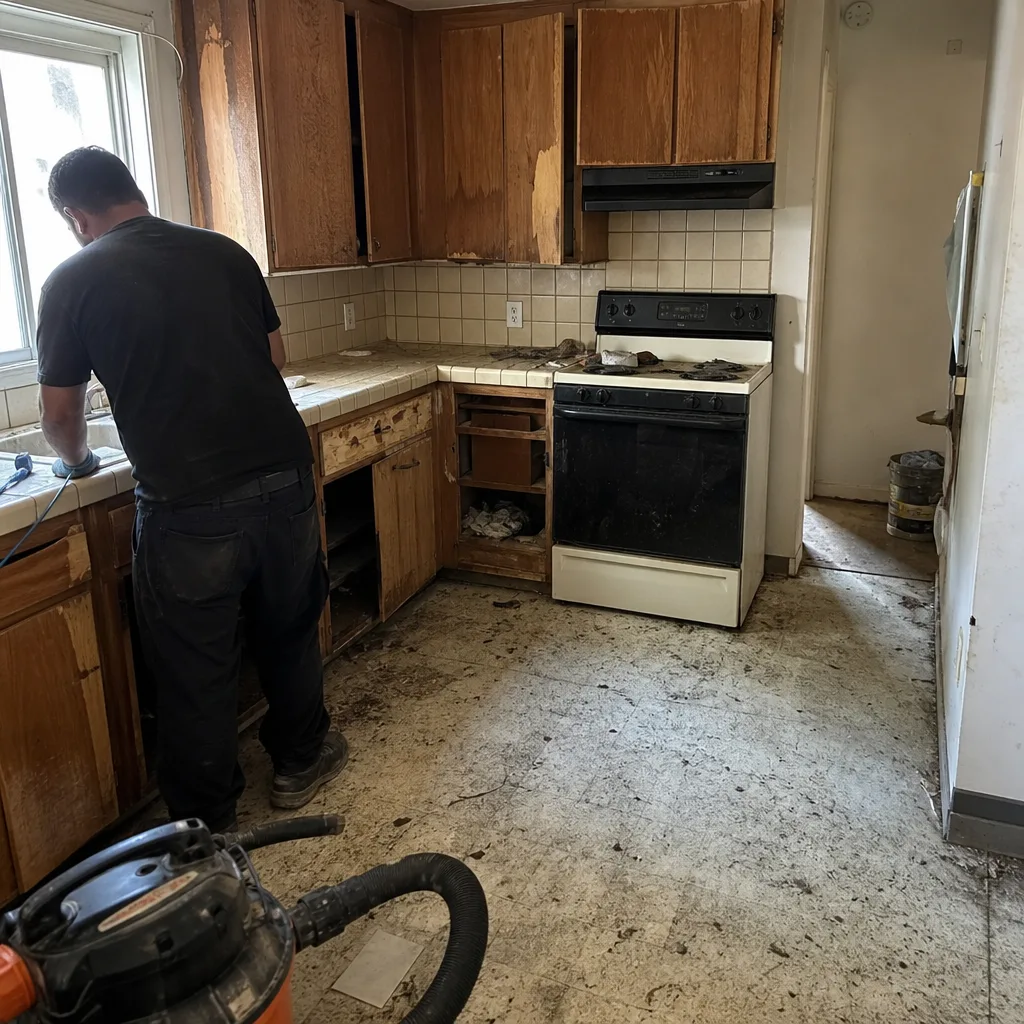 Before
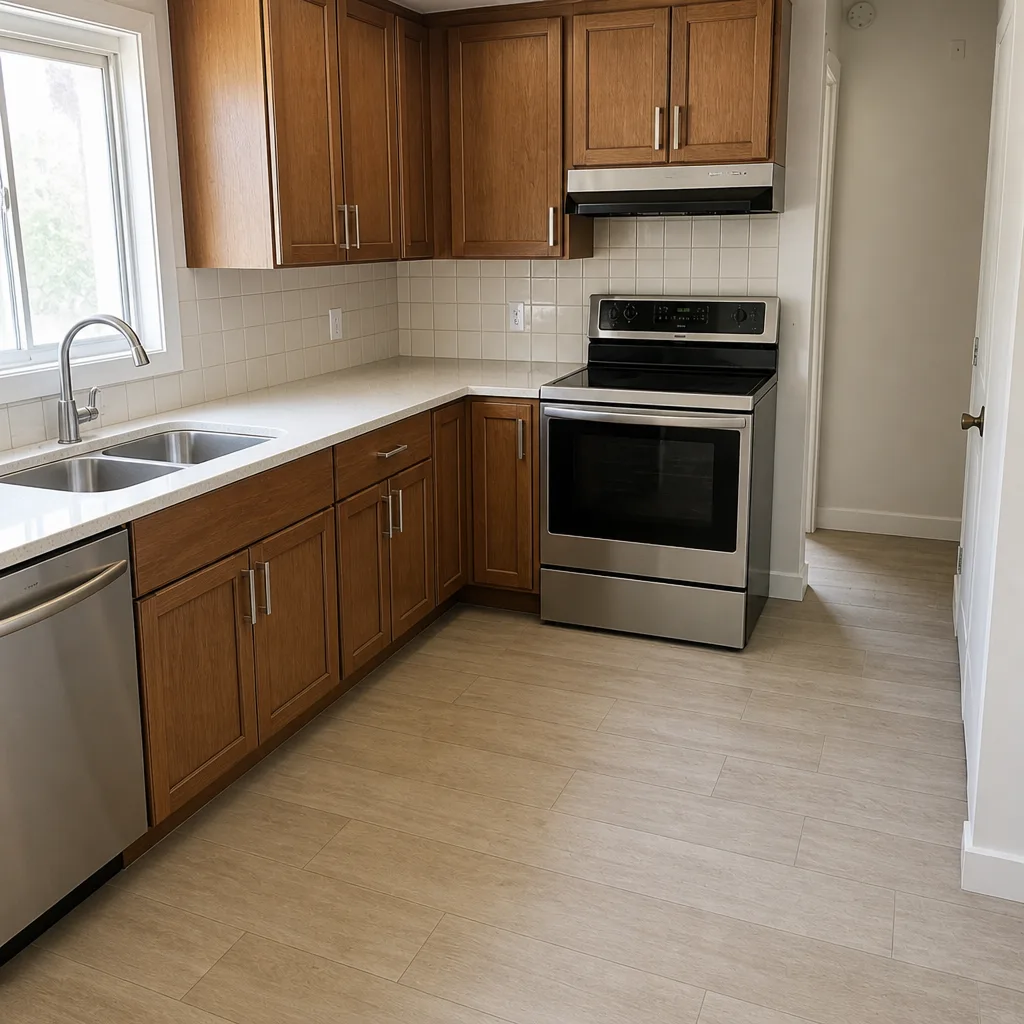 After
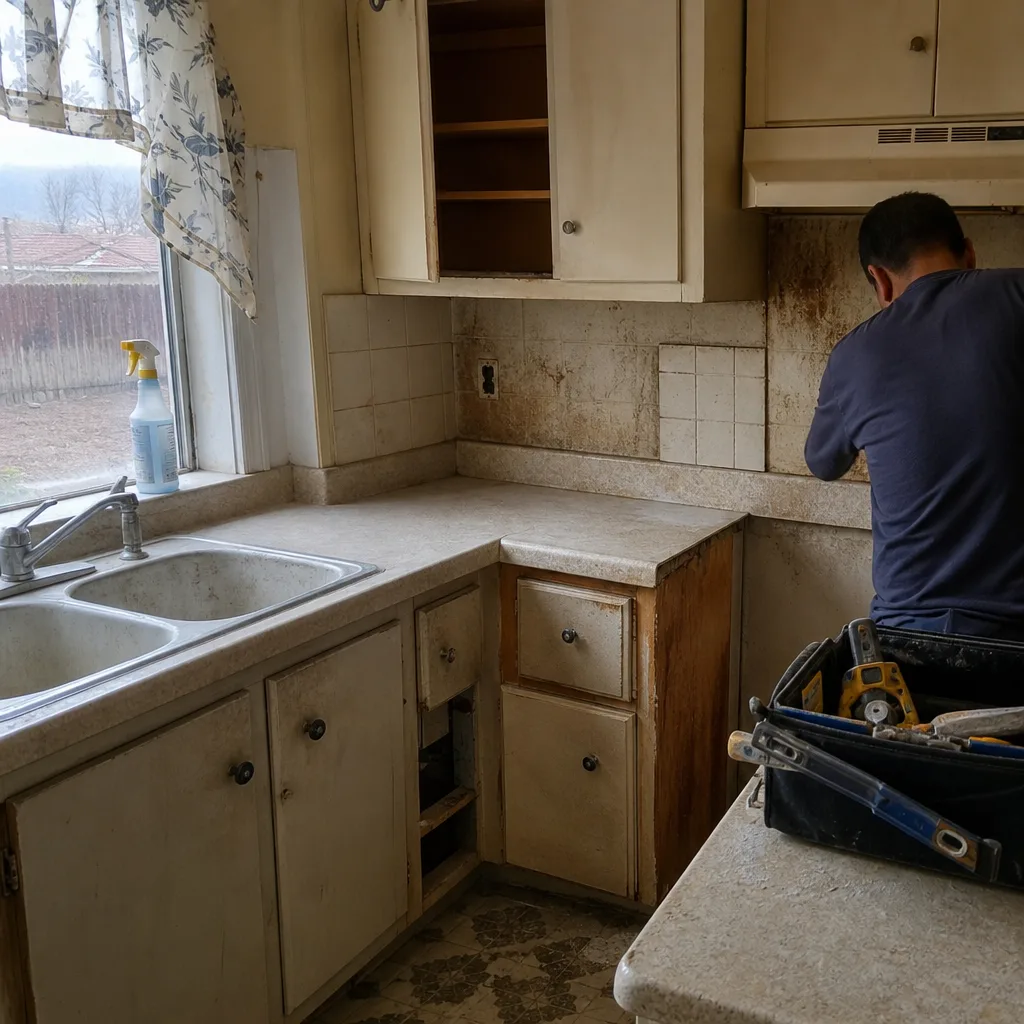 Before
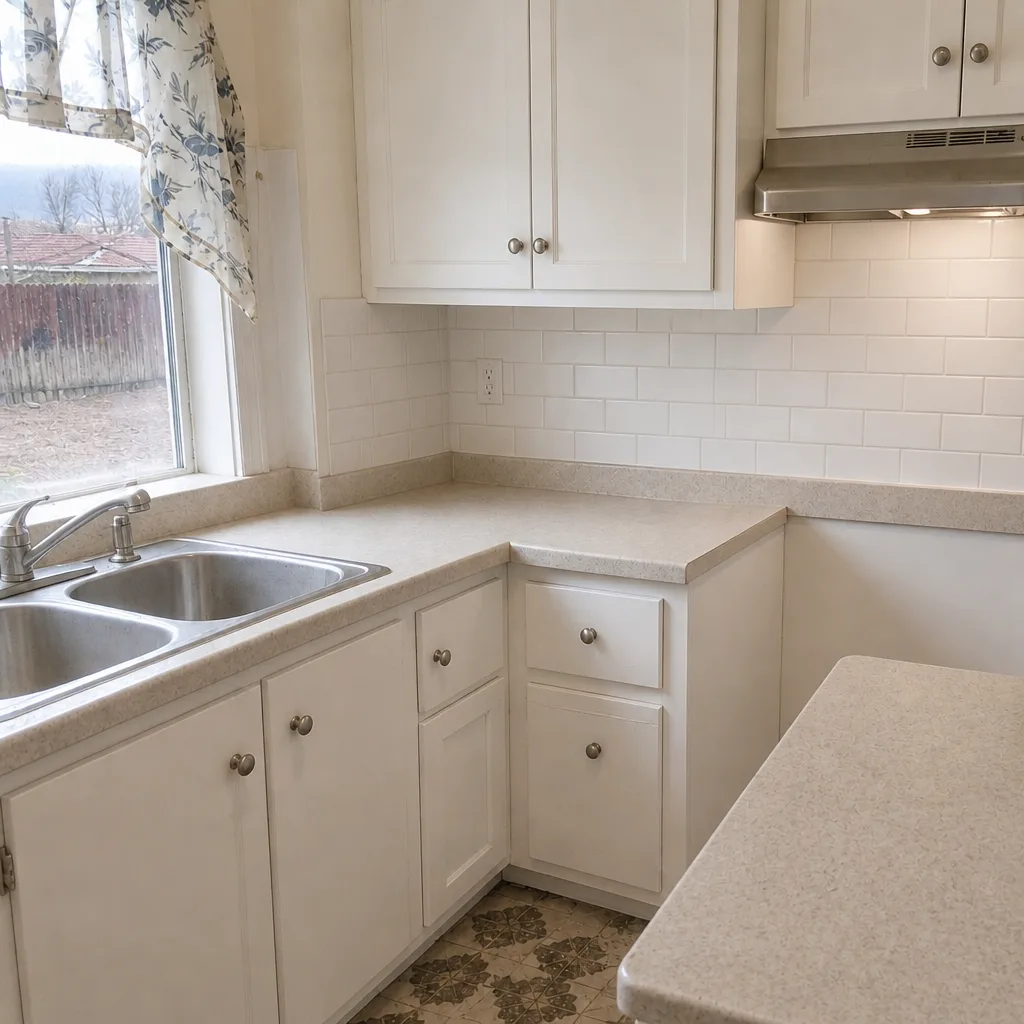 After
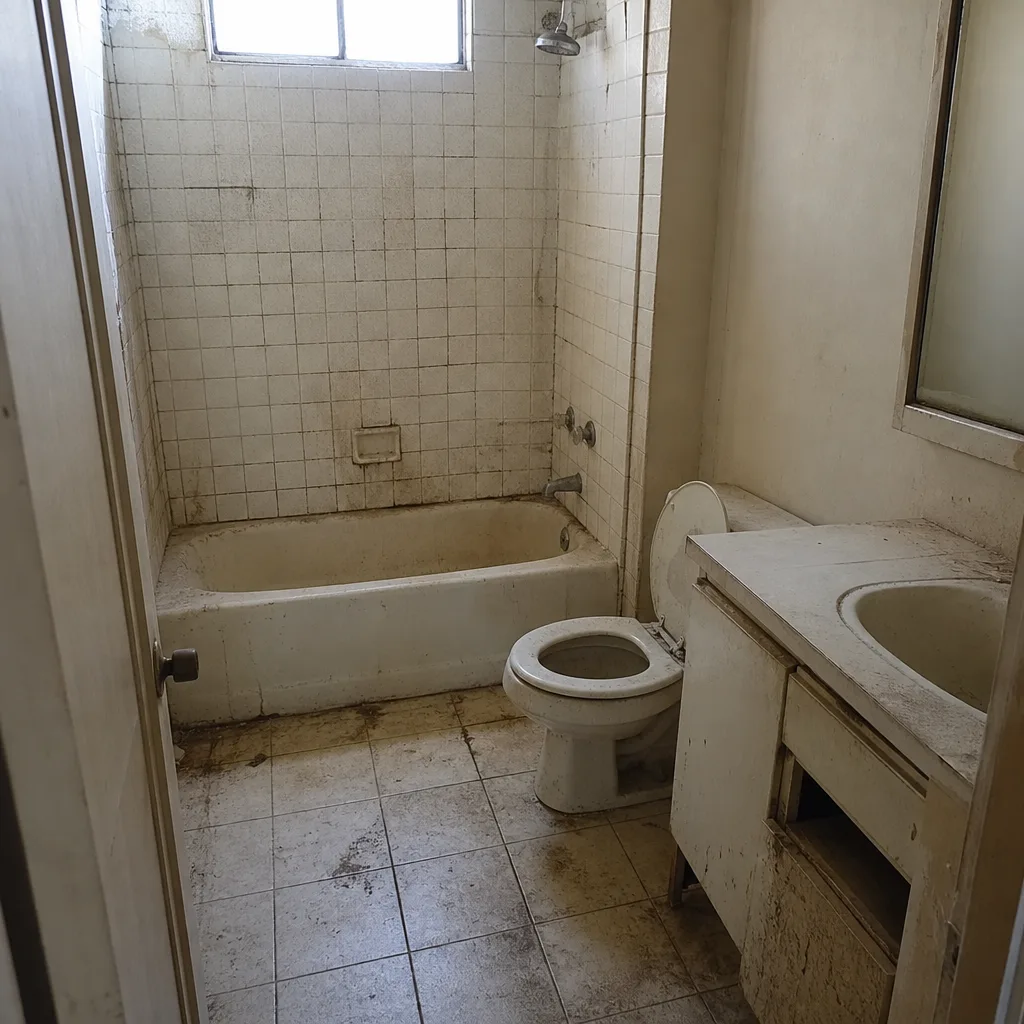 Before
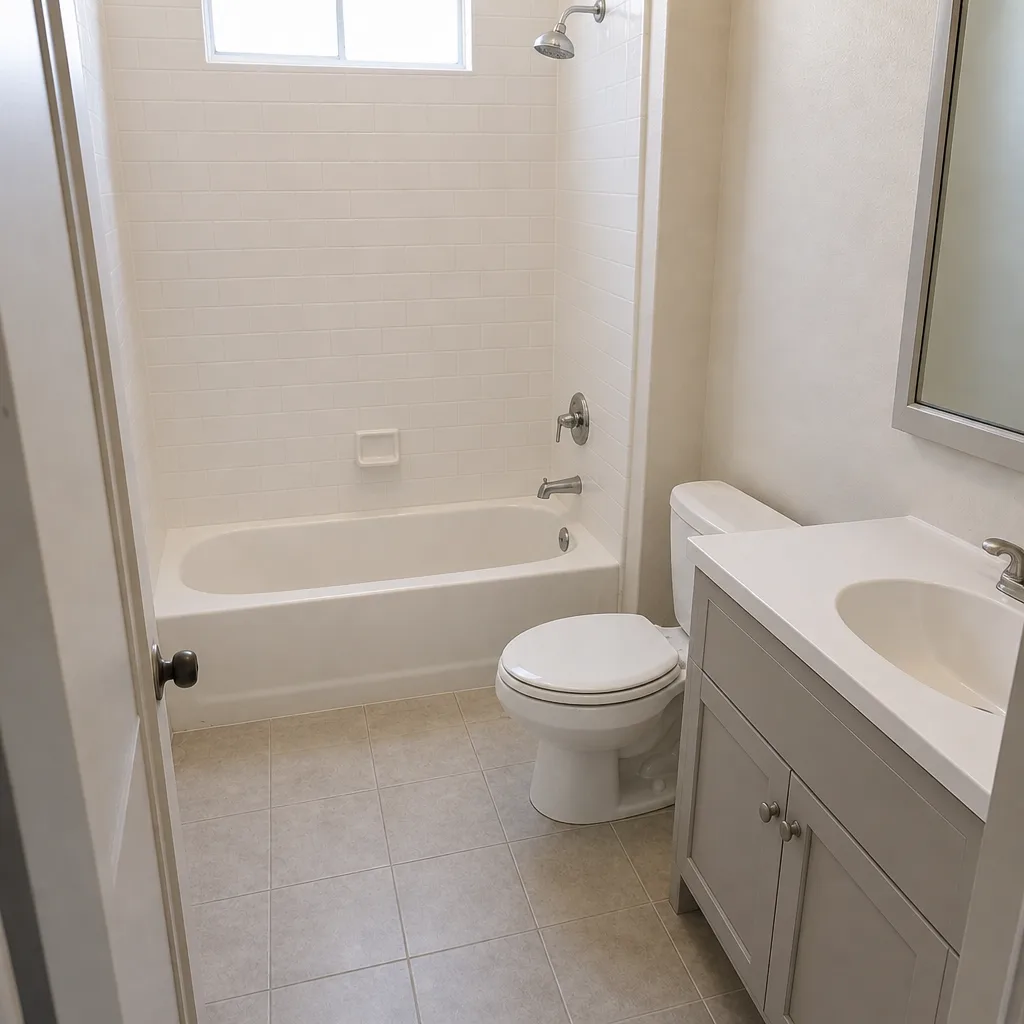 After
Frequently Asked Questions
Inspect concrete flatwork immediately after the first hard freeze, typically in January, and measure the spall depth. A spall one-quarter inch deep or less can often be patched. Deeper spalling exposes aggregate and generally requires replacing the affected panel. Inspecting twice – once post-freeze and once at the end of summer – catches both freeze damage and UV scaling before either becomes structural. Call (844) 320-8244 for a free assessment.
Seasonal maintenance typically costs roughly one-third of what deferred reactive repair costs across a full year. The pattern shows up across five common failures: a spall patched early costs $150 to $400 versus $350 to $900 per panel replaced, and a cleared weep screed costs under $200 versus $1,200 to $3,500 for stucco delamination repair. A written quote for your specific situation is the only reliable number. Call (844) 320-8244 to schedule a free estimate.
Aim to keep attic air within roughly 20 to 25°F of outdoor temperature. On a 105°F Palmdale day, an attic reading of 140°F or higher means ventilation is failing the roof deck. Balanced ridge vent exhaust and soffit intake are both required, plus a radiant barrier with an air space under the deck. Call (844) 320-8244 to arrange a free ventilation estimate.
A single lifted shingle tab with intact fasteners is a monitor-and-document item. A ridge cap that has pulled free, three or more consecutive lifted tabs in one area, or exposed nail heads along a flashing edge are immediate-repair thresholds. Document what you find with photos and the location, then call. Santa Ana wind events typically run October through March in Palmdale – schedule the inspection in October before the season begins.
Downspouts should discharge at least 4 to 6 feet from the foundation wall, on grade that slopes away from the house at a minimum 2% swale grade. In Palmdale’s microburst season, an under-extended downspout delivers stormwater straight to the foundation, and a swale that loses its grade traps it there. Test the swale with a hose run before the first summer storm. Call (844) 320-8244 for a free drainage evaluation.
Clear the weep screed line every spring, and check it again in fall after any re-grading or landscaping work. The weep screed is the metal lip at the base of a stucco wall that drains trapped moisture. If it’s blocked by soil, mulch, or debris, water moves into the wall assembly instead. In our experience across Palmdale, blocked weep screed with soil pushed up against the stucco causes most spring moisture damage we see. Call (844) 320-8244 for a free inspection.
The Bottom Line
Palmdale’s four seasons produce four distinct failure mechanisms, and each one costs far more to fix reactively than to prevent on schedule. Address UV concrete spalling in summer, thermal gap opening in fall, freeze-moisture intrusion in winter, and wind-deposited drainage debris in spring, and you’ll spend roughly one-third of what deferred repair costs. The month-by-month calendar and the observable triggers in this guide give you a system you can run yourself, with a clear line between what’s safe to check and what needs a trained professional. Where that line is unclear, get a written inspection before a small issue becomes a structural one.
Get your written price before any work starts by calling Rowan Construction Group Palmdale at (844) 320-8244 for a free estimate. Our technology-based, customer-driven operation answers calls with a live person 24/7, and every visit includes a documented photo record as standard – so you leave with evidence of what was found and what was done. Visit our Rowan Construction Group Palmdale home page to see the seven residential trades we cover, and bring any written estimate from another contractor for a free line-by-line second opinion under The Haven Standard.
Written by the team at Rowan Construction Group Palmdale.